Lizzie-2018

Lizzie-2018

Director Craig Macneill

Starring Chloë Sevigny, Kristen Stewart

Scott’s Review #925
Reviewed July 31, 2019

Grade: B+

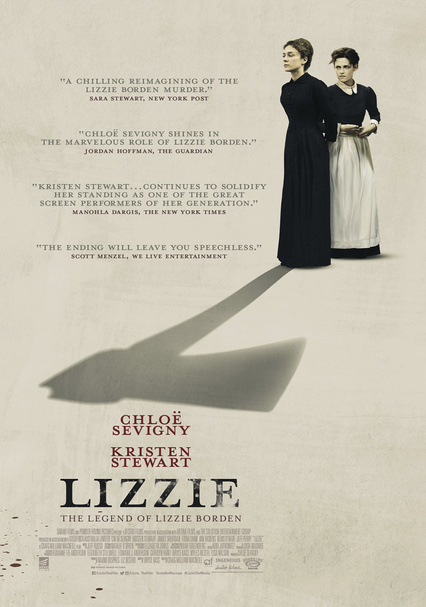
Lizzie (2018) is an odd and macabre interpretation of the life and times of the infamous Lizzie Borden, who was accused and acquitted of hacking her father and stepmother to bits with a deadly ax.

This offering is shrouded in controversy because of inaccuracies and interpretations of the events, specifically Borden’s sexuality, which is called into question. The film is quiet and a tad too slow, but it thunders to a grand climax, more than making up for any negatives.

The casting of its leads is perfect and key to success.

Thirty-two-year-old Lizzie (Chloë Sevigny) lives with her domineering and affluent father, Andrew (Jamey Sheridan), and rigid stepmother, Abby (Fiona Shaw).

Despising both, she lives out a lonely and depressing existence, her only outlet being occasional evenings at the theater. When an Irish immigrant, Bridget Sullivan (Kristen Stewart), moves into the Borden residence to work as a servant, the women form a strong bond, especially after Andrew abuses her.

Sevigny, one of my favorite modern actresses, possesses an astounding range in the myriad of characters she has played in her long career.

Debuting to the masses in the critically acclaimed and depressing Boys Don’t Cry (1999), she has churned out a multitude of independent features portraying one oddball character after another and deserves the strong influence she has achieved over the years.

Director Craig Macneill makes interesting choices with his film, which may or may not please audiences expecting a numbers horror offering. He dives into psychological thriller territory with more of a character study approach that provides layers to the finished product.

Sevigny is center stage, and plenty of camera close-up shots offer an introspective analysis of her feelings rather than from her parents’ perspective. Instead of a crazed killer spontaneously committing the crime, she is careful and calculating in her plan.

Macneill presents Lizzie as the victim and Andrew and Abby as the villains. This is to assume that Borden committed the crimes, which the film never doubts.

Historically, people assume that this is the truth, but Lizzie was set free by a jury refusing to believe a woman of such means would commit such a heinous crime. I wonder if Macneill directed the film with a bit of a smirk at this ridiculous decision of the times when the woman enjoyed the murders.

At the end of the film, what happened to Lizzie and Bridget is explained, which is a good decision and wraps the film up nicely.

Powerful is the quiet subtext that gives a moody and foreboding quality. I adore slow-moving films provided the reward is worth the wait and Lizzie sucker punches once the events begin rolling along.

Another positive is the gnawing feeling of terrible things about to happen but unsure when or how the attacks will occur. Most viewers watching this film will know the context and the reported murders committed.

The atmospheric additions succeed as the late eighteenth-century costumes and daily living are believable. The lavish Borden house is well-kept and brightly lit, offering a friendly New England feel.

Finally, the creaks and noises throughout the house perfectly encompass the danger lurking behind corners, and the fun is in wondering when Lizzie will strike.

Since the film moves back and forth through time, we know she will strike.

The film’s best work is in the relationship between Lizzie and Bridget. Sevigny and Stewart dazzle together with an unleashed chemistry that nearly rivals a similar dynamic seen in 2003’s Monster.

As with Aline Wuornos and Selby, Lizzie is dominant, and Bridget is submissive, following her lead. Both women share a lesbian relationship, and neither pair achieves happiness after the film.

A film sure to fly under the radar and likely to be forgotten before long, Lizzie (2018) is worth the effort. A spooky and controversial interpretation of the events leading up to, during, and after one of the most notorious crimes in United States history is dissected and analyzed from a human perspective.

Macneill makes Borden less maniacal and more sympathetic than some may prefer. He does a fine job and deserves praise for a rich story.

Gloria Bell-2019

Gloria Bell-2019

Director Sebastian Lelio

Starring Julianne Moore

Scott’s Review #924

Reviewed July 29, 2019

Grade: B+

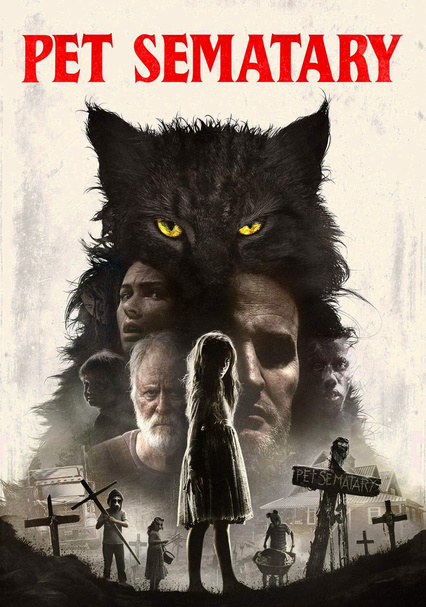
An English remake of the successful 2013 Chilean film, titled Gloria, Gloria Bell (2019) stars Julianne Moore, and the setting is relocated to Los Angeles.

The film is directed by Sebastian Lelio, fresh off a Best Foreign Language Film win for A Fantastic Woman (2017), and both movies contain similar themes of oppression and loneliness.

Preferring the original by only a hair, Gloria Bell is nonetheless a worthy offering with Moore perfectly cast in the title role.

Middle-aged divorcee Gloria Bell (Moore) resides in Los Angeles, working an office job of some respectability, but is unfulfilled. She spends many nights at a nightclub, where she is considered a regular.

The club caters to middle-aged singles who dance and drink while looking for love. When she meets Arnold (John Turturro) one evening and they share a night of passion, the pair begin dating.

However, Gloria realizes that he still supports his ex-wife and grown daughters, which limits his time and commitment to her, leaving her frustrated.

Moore is honest and understated in her performance, and the highlight of the film.

With another casting choice, the character might not have worked so well. She is full of life, singing in her car, attending laughter therapy, and smoking pot in her apartment. She has a warm yet limited relationship with her millennial kids and her ex-husband and his new wife.

Moore gives the character an earnestness and likability that work and get the audience on her side during her trials and tribulations.

This is not to say that Gloria doesn’t occasionally frustrate the audience.

After inviting Arnold to meet the whole crew over dinner and wine at her son’s house, what begins as a meet-and-greet quickly turns into a reminiscing trip down memory lane and whimsical looks at Gloria and her ex’s wedding pictures.

Her disregard for Arnold’s feelings is disappointing, but there is no bad intention behind it.

Gloria has baggage and is caught up in the moment, simply reliving a happier time at the expense of the current moment.

Arnold has his demons and is both likable and unlikable to the audience. Tending to bail on Gloria when either his family requires his assistance or he feels left out, he hardly exhibits grown man behavior or anyone Gloria would want to date.

The first red flag is his confession of being enamored of Gloria over their first dinner date. From there, his on-again-off-again presence makes him the odd man out. Lelio intends to make Gloria the sympathetic one. It’s her movie after all.

Watching A Fantastic Woman sequentially is a wise idea. Numerous comparisons are apparent, beginning with the feelings shared by both central characters.

Both are searching for happiness, but are unsure of how to attain it, especially given that they once had it and it was taken away from them.

Scenes of both characters driving in their cars and singing songs are included, and the look of both films is the same.

Very few comparisons or contrasts can be made between Gloria of 2013 and Gloria Bell of 2019, as both are above average, except that the character is slightly more vivacious in the former than in the latter.

This could be attributed to the Chilean and South American free-thinking and sexual openness compared to the more reserved American way of thinking, but this is merely a suggestion.

It is interesting to note how Lelio remade his film only six years later, rather than another director putting their stamp on it.

Gloria Bell (2019) paints a vivid portrait of a modern woman dealt a bad hand who struggles to find happiness and fulfillment in any way she knows how.

Thanks in large part to Moore’s portrayal and filling the character with kindness and care, she wins over the audience. The character is written as intelligent and interesting, and not desperate in any way for a man; he needs to be the right man.

Pet Sematary-2019

Pet Sematary-2019

Director Kevin Kolsch, Dennis Widmyer

Starring Jason Clarke, John Lithgow

Scott’s Review #923

Reviewed July 26, 2019

Grade: B

In the age of movie remakes, especially within the horror genre, it was only a matter of time before Pet Sematary, first released in 1989, would resurface with its fangs bared.

Paramount Pictures presents Pet Sematary (2019), a by-the-numbers affair that’s perfect for viewing on a late Saturday night.

It is an improvement over the disappointing ’89 version, but hardly recreates the genre, feeling more like a remake than offering much in the way of new storytelling or frightening effects.

The conclusion is somewhat disappointing, offering a hybrid of slasher and zombie genres.

To compare either film to the chilling and suspenseful page-turner written by esteemed novelist Stephen King would be ridiculous. The book is a quick read that will leave its reader breathless and scared, perhaps even fearing their pets, so the bar is set way too high for a cinematic offering to match up with.

The book delves much more into the feelings and emotions of all the principal characters, something that is severely limited in the film.

The Creed family, consisting of Louis (Jason Clarke), Rachel (Amy Seimetz), and their children, Ellie and Gage, relocates from bustling Boston, Massachusetts, to rural Maine, allowing Louis the opportunity to practice medicine at a university hospital.

Their friendly neighbor Jud Crandall (John Lithgow) befriends Ellie after she stumbles across a funeral procession of children taking a deceased dog to a cemetery called Pet Sematary.

He warns her and Rachel that the woods are dangerous. When tragedy strikes the family, the cemetery unleashes a supernatural force contained in an ancient burial ground that sits beside it.

The first half of the film is superior to the second as the buildup offers more perilous moments than when all hell breaks loose. Mysterious is when an accident victim in Louis’s care dies and begins to show up in his visions, warning him of something sinister.

The victim is mangled and bloody, and quite frightening are these foreboding scenes. When a curious Ellie traipses throughout the woods with curious wondermen, the audience is nervous about what (or who) she might stumble upon.

The film also earns praise for the suspenseful birthday party scene, which culminates in a grisly death. The scene begins cheerfully with lively party music and festive balloons amid a warm summer afternoon in Maine.

In a clear example of foreshadowing, earlier in the film, Louis curses the truck drivers who drive recklessly past his house at high speed. Excitedly running after their cat named Church, Ellie and Gage pay no attention to the looming truck with the texting driver until it is too late.

The scene drips with good terror.

After the speeding tractor-trailer, the predictability of the surface strikes down one family member. Jud has already warned Louis that “sometimes dead is better”, but we know Louis will surrender to temptation out of desperation and tempt the evil spirits.

When the once-dead character returns with a droopy eye and calm, devious demeanor, the film becomes a standard slasher film and is no longer as compelling.

The final thirty minutes feel very rushed, as if the careful pacing of the buildup is all for naught.

As in most horror films, now deemed a cliché, the last sequence often allows for a sequel if box-office profits are substantial enough. I do not recall a similar ending in the chilling novel or any reference to the family living out their days as a family of the undead.

The apparent attempt at a zombie reference was unsatisfying and much different from what I expected.

From a casting point of view, Jason Clarke (usually cast in supporting roles) gives a strong performance as the main character. He is a good father figure and provides charisma to the film. Well-mannered but also somewhat outdoorsy and a “regular joe,” he is intelligent and humorous with the kids.

The child actors are fine, but hardly the main attraction, and Seimetz as the mother, Rachel, is not the best casting choice.

She plays the challenging role much too brooding and angry for my taste, especially given that she is written as the most sympathetic of all the characters.

Pet Sematary (2019) is a satisfactory horror offering with a solid first half that teeters into difficult-to-believe territory rather quickly.

A stalwart veteran like Lithgow helps immensely, lending the film some respectability, and a child actor cast in a pivotal role is enough to avoid ruining the experience.

There is little reason to see the film a second time, but it is recommended to snuggle with the King novel for some good scares.

Eyes Without a Face-1960

Eyes Without a Face-1960

Director Georges Franju

Starring Pierre Brasseur, Alida Valli

Scott’s Review #922

Reviewed July 23, 2019

Grade: A

Eyes Without a Face (1960) is a macabre and twisted French-Italian horror film co-written and directed by Georges Franju. It is based on Jean Redon’s novel, which is the same name.

The film cover art (see above) is flawless and terrifying. It induces the creeps by only giving a glimpse, causing the recipient to be curious and attempt to analyze the meaning.

The film is nestled into a short one-hour and thirty-minute package that is time to scare the audience to death with many fantastic and gruesome elements, severely limiting the gore, which only adds to the horrific nature.

Because of its subject matter, the film was highly controversial in 1960 and was subsequently either loved or reviled by its audiences.

Eyes Without a Face is riveting because the audience empathizes with the characters and takes action to correct their wrongs despite the main character’s undeniable crazyness.

The complex emotions of guilt and obsession are commonalities, making it a layered and complex horror film that appears on many Top Ten genre lists.

The film is not for the faint of heart.

Doctor Genessier (Pierre Brassier) is a brilliant and successful physician who specializes in plastic surgery. After a vicious car accident that he is to blame for, he attempts to repair the ruined face of his daughter, Christiane (Edith Scob), a victim of the wreck.

But his plan to give his daughter her looks back involves kidnapping young girls and removing their faces. He is aided in his machinations by his assistant, Louise (Alida Valli), who kidnaps the young woman and helps him in the laboratory, acting as a surrogate mother to Christiane.

Louise aids Génessier partly because he helps restore her damaged face in events before the film begins.

Scob is the stand-out character, containing an innocent and quietly melancholy existence as she is the apparent victim of the story. Her defeated posture, while resiliently hopeful and demure, is complex for an actress to carry, and she defines grace and poise.

Brasseur and Valli each deliver the goods in different ways. Valli, haunting in her best horror effort Suspiria (1977), is mesmerized by her doctor and savior so that the relationship is almost cult-like.

Brasseur is strangely heroic, as he steals lives to save lives, so his character is extraordinarily complex.

The surgery scenes are chilling, featuring white, starchy uniforms worn by a doctor, assistant, and victim. The scenes could almost be mechanical tutorials offered to first-rate medical students with scholarly intentions. If this were not a horror film, the look would be documentary-style.

Genessier calmly cuts an entire circular length of his victim as a hint of blood slowly oozes down the sides of her face in an almost tender fashion.

The film, made in 1960, is not the 1980s slasher film image that encompasses non-horror film-goers’ preconceptions. It has a gorgeous texture.

The best scene occurs when one of Genessier’s victims, lying on a gurney, comes to and gazes at a figure leaning close to her. The camera turns to the figure, revealing a blurry but recognizable image of Christiane sans the face-like mask she usually wears throughout the film.

As the victim shrieks in horror, Christiane slowly backs away from her amid a feeling of pain and heartbreak, remembering how much of a freak she must appear to others. The scene is sad and grotesque at the same time.

Horror films often get bad raps, but poetic and stylized horror films are a diamond in the rough.

Eyes Without a Face (1960) achieves its place in the cinematic archives with brilliant black and white cinematography entrenched in a Gothic, chilling story with characters whose motivations can be dissected and studied long after the film ends.

This keeps the viewer thinking and deserves repeated viewings to capture all the gems it offers.

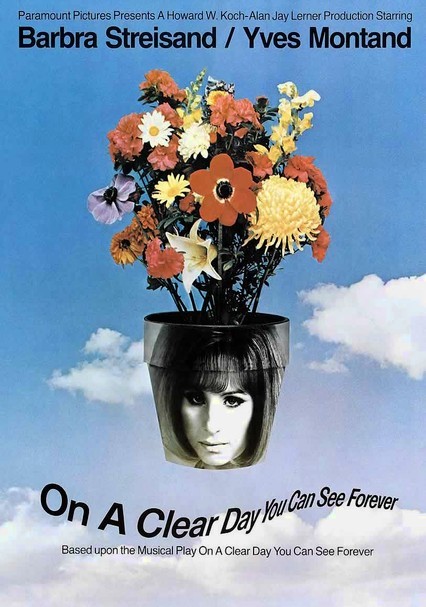
On a Clear Day You Can See Forever-1970

On a Clear Day You Can See Forever-1970

Director Vincente Minnelli

Starring Barbra Streisand, Yves Montand

Scott’s Review #921 

Reviewed July 19, 2019

Grade: B+

On a Clear Day You Can See Forever (1970) is a very obscure film that deserves better than to be relegated to the unknown.

Released during a time when the Hollywood musical had lost its luster, it feels like a last-gasp effort to keep the genre alive, serving as a star vehicle for Barbra Streisand.

The film suffers from severe editing problems with a large portion being cut, so much so that the result is a choppy and disjointed feel, tough to follow as is, but left untouched, the film could have been a creative masterpiece.

In a particularly convoluted plot that spans two time periods, chain-smoking New Yorker Daisy Gamble (Streisand) is convinced by her uptight fiancé Warren (Larry Blyden) to attend a class taught by Marc Cabot (Yves Montand), a psychiatrist.

When Cabot accidentally hypnotizes her, he realizes she speaks in the voice of an early-nineteenth-century woman named Melinda, and he becomes obsessed with her as she teeters between two existences.

The screenplay was written by Alan Jay Lerner and adapted from his book for the 1965 stage production.

Film director Vincente Minnelli fuses fantasy with a musical to create an extremely left-of-center experimental piece; this is not your standard 1950s or 1960s MGM experience with merry or clap-along tunes.

Some of the more memorable numbers include “On a Clear Day,” a reprise at the end of the film, “He Isn’t You,” and “Love with All the Trimmings.”

Casting Streisand is a monumental choice as she carries the film on her shoulders. Belting out numbers is the singer-turned-actress’s forte, and she never disappoints.

She is fascinating to watch in the neurotic role as she smokes and prances around, usually in a tizzy or a state of peril (self-induced).

The performance stands out as a different style from many of her other films, and she has never portrayed a livelier character. Streisand overcomes a few challenges of the film, winning in spades.

She shares little to no chemistry with co-star Montand, who is not only too old for her but also not the greatest actor. If the film’s intent, which I suspect, was to make the pair the main draw, then this failed.

Streisand’s chemistry with John Richardson, who plays Sir Robert Tentrees to her Melinda in the other time period, excites her. The duo smolders with passion, but sadly, most of the nineteenth-century scenes are sacrificed, leaving most of it a jumbled mess.

Much more interesting would have been to leave the entire film intact.

An oddity is Jack Nicholson’s almost nonexistent role as Tad Pringle, a mostly non-described brother of Daisy’s. Is he also her neighbor?

In 1970, Nicholson was only on the cusp of super-stardom, and it is questionable whether some of his parts were left on the cutting-room floor, but the limited character is strange and unsatisfying. In another role, there would have been some possibility of romantic entanglement.

Throughout the film, I wondered how On a Clear Day You Can See Forever might have worked with someone other than Streisand in the roles.

I kept ruminating on how good Liza Minnelli might have been in the roles, given her non-classic looks (like Streisand) and bombastic voice. Her high-drama flair and capable New York style would have made the results enjoyable, but Streisand hits it out of the park.

On a Clear Day You Can See Forever (1970) is a brave attempt at something fantastical, brimming with potential, but ultimately feels cluttered and messy.

With a delicious leading lady whom the camera adores and enough creative sets and rigorous energy to keep one guessing, the film stumbles with many problems and leaves viewers incomplete.

Free Solo-2018

Free Solo-2018

Director Jimmy Chin, Elizabeth Chai Vasarhelyi

Starring Alex Honnold

Scott’s Review #920

Reviewed July 17, 2019

Grade: B

Free Solo (2018) is a documentary that takes a standard approach, offering a traditional yet informative piece about the perils and triumphs of rock climbing.

More precisely, free soloing is dangerous because it involves the lack of ropes or safety harnesses. One false misstep can (and has) resulted in death.

The film balances the featured daredevil’s humanistic approach with his girlfriend and camera crew’s perspectives.

Having personally scolded the Academy of Motion Picture Arts and Sciences (in my mind anyway) for omitting the wonderful Won’t You Be My Neighbor? (2018) from the five documentary nominees, a “WTF” moment on nomination day, Free Solo would not be my choice as the winner, with RBG getting the honor from the choices provided.

Given the current state of United States political affairs, RBG is the timelier and more important of the bunch, but Free Solo has been crowned the champion.

The likable young man at the forefront of the feature is Alex Honnold, a modest athlete from the West Coast of the United States in his early twenties.

He has a low-key, almost morose personality. He shuns organized holidays like Halloween because he “doesn’t want someone else telling him when to have fun.” He is thoughtful, introspective, and even a bit odd, having sought climbing at a young age and never looking back.

It is apparent that he is not necessarily seeking fame and fortune but has nonetheless become respected in his chosen profession, explaining that it is more a calling than any attempt to show off or boast of his achievements.

As he admits to always wanting to climb the dangerously steep and world-famous rock, the 3,000-foot El Capitan in Yosemite National Park, without a rope, he is also concerned about the pressure of performing for camera crews and the responsibility that entails.

The documentary stresses this point as Alex bails from the climb on his first attempt.

Throughout the documentary, the filmmakers focus on tidbits of the story told by his loved ones, specifically his girlfriend and mother, who offer their perspectives on his dangerous activities.

This is a nice added touch. It gives the story heart and layers, making it more humanistic than simply watching an unknown person rock climb for an hour and a half.

The audience gets to know Alex throughout the piece, making us care more about his peril as he attempts to triumph.

The production is superlative and quite engaging, especially throughout the climbing sequences. Vast shots of the fantastic views from the giant rock are plentiful and astounding, making the viewer feel as if they are also climbing the treacherous monument but breathing a sigh of relief when realizing the safety of a sofa or chair is the preferred option.

Seriously though, the camera work is a massive appeal of Free Solo and undoubtedly the primary reason it won the Oscar statuette.

The negatives to Free Solo are only slight, perhaps due to my lack of appeal to rock climbing. During the documentary, I kept asking myself why Alex would attempt to achieve the feat and its possible purpose.

From that angle, my attention tended to wander occasionally so that the target audience would be people passionate about adventurous experiences.

Secondly, there was nary a doubt in my mind that the final moments would result in Alex successfully reaching the pinnacle of his career safely despite the concerns of the crew that he could fall to his death at any moment. Sensible reasoning assured me the project would not have been released if tragedy had occurred.

Free Solo (2018) offers a solid and conventional documentary with enough outdoor sequences amid the standard interviews to satisfy all. The finale, while predictable in showing Alex’s successful climb to Mount, is photographed exceptionally well and professional in spirit.

The documentary suffers from some predictability issues and a lack of a real cliffhanger (pun intended), but it feels fresh and celebrates the human spirit in a big way.

Oscar Nominations: 1 win- Best Documentary-Feature (won)

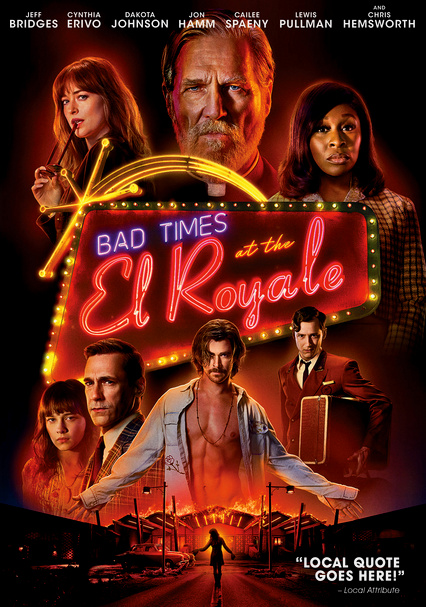
Bad Times at the El Royale-2018

Bad Times at the El Royale-2018

Director Drew Goddard

Starring Jeff Bridges, Cynthia Erivo, Dakota Johnson

Scott’s Review #919

Reviewed July 10, 2019

Grade: A-

Bad Times at the El Royale (2018), directed by Drew Goddard, known for crafting the horror film The Cabin in the Woods (2012), is a gem that crosses multiple genres with sound results.

With Bad Times, he assumes writing and production duties for the thriller and steals a page from the Quentin Tarantino playbook, most notably from The Hateful Eight (2015).

The resulting feature is clever, perverse, and mysterious. It is a fantastic, edge-of-your-seat experience and a must-see for Tarantino fans.

Set in 1969, the film focuses on seven strangers of different backgrounds who go to a seedy and remote hotel on the California/Nevada border. Each harbors its share of dark secrets, culminating during a deadly macabre showdown one dark and stormy night.

In many ways, each character seeks redemption or forgiveness for a past indiscretion or is otherwise protecting someone or something else. A large sum of money is also in play for the greedier characters to tussle over.

The seven players are as follows: Jeff Bridges plays catholic priest Donald “Dock” O’Kelly, Cynthia Erivo plays struggling soul singer Darlene Sweet, and Dakota Johnson portrays Emily Summerspring, a hippie trying to save her younger sister, Rose, who is devoted to and mesmerized by sadistic cult leader Billy Lee (Chris Hemsworth).

Finally, Jon Hamm plays Dwight Broadbeck, a vacuum salesman who may have a secret identity, and hotel clerk Miles Miller (Lewis Pullman), who runs the hotel alone.

As events roll along, the complexities of the characters grow, which is my favorite aspect of the film. There are so many twists and turns involving the characters’ backstories and motivations that surprises are in store.

Some characters have strange connections to each other, while others meet for the first time and their lives intersect in interesting ways.

The dynamic between all the actors works tremendously well, with the standouts being Bridges and Erivo, who share tremendous chemistry and are the most interesting characters, to mention get the most screen time.

Their characters forge a bond during their lengthy scenes while never wholly trusting each other. Erivo, as Darlene, gets to showcase her wonderful singing voice. The highlight is the grand hotel room sequence as she belts out “This Old Heart of Mine (Is Weak for You).”

Old and burdened with memory loss, Bridges successfully grants more sympathy to his character than he deserves.

The film loses momentum towards the end when introducing the miscast Hemsworth, who is pretty but not the most remarkable acting talent. The actor overacts, playing Billy Lee as sinister and one-dimensional rather than infusing complexities into the character, which doesn’t work.

A better casting choice (and Tarantino mainstays) would have been Leonardo DiCaprio or Brad Pitt, and either actor would have assuredly brought more depth to the role.

Comparisons must be made to The Hateful Eight and the comedy Clue (1985). Godard divides the film into chapters like the former, mostly entitled as the hotel room numbers. With each subsequent room, the events going on in that room and its inhabitants are explored.

As in both films, he brings several mysterious characters with connections together. In Clue, secret passageways that lead to various parts of a building are featured, offering layers of possibilities.

The hotel itself is styled and dressed brilliantly, nearly a character with glossy decals and shiny trimmings but with a solemn and melancholy gloominess. The establishment has seen its share of heartbreak, schemes, and even death. Clever is the division of the hotel into either the sunny and cheerful “California” section or the less posh “Nevada” section, purple and costing one dollar less.

The viewer is sucked into its web within the first sequence when a man is shown hiding money under the floorboards and then subsequently shot to death.

Despite being labeled a Tarantino rip-off, this does not bother me as I was enthralled with the characters, the details, and the vast nuances offered.

Unfortunately, the film was a box-office disappointment, suffering from a lack of awards buzz and a lofty running time. Bad Times at El Royale (2018) will entertain, intrigue, and keep one guessing until the credits roll.

Be prepared for a bloody good time!

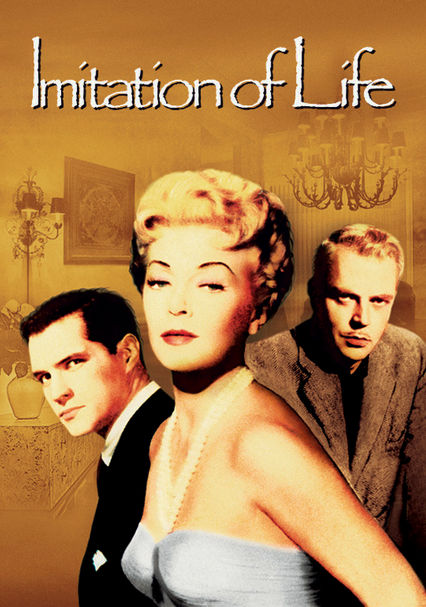
Imitation of Life-1959

Imitation of Life-1959

Director Douglas Sirk

Starring Lana Turner

Scott’s Review #918

Reviewed July 9, 2019

Grade: A-

The original film production, made in 1934, is based on a 1933 novel by Fannie Hurst. Imitation of Life (1959) is a relevant dissection of race relations, class systems, and gender roles, all of which still feel timely decades later.

The film is a fresh, progressive effort that sometimes teeters too much into soap opera land but is an important story to be exposed to.

The dynamics between the central characters in deliciously raw scenes are the most significant part of the film.

Lora Meredith (Lana Turner) is a widowed, stylish New York woman with dreams of becoming a Broadway star.

One day, she meets a lovely black woman, Annie Johnson (Moore), on the beach, and the women become fast friends, each having a daughter around the same age.

The women decide to move in together for financial reasons and to further Lora’s chances for success in the entertainment industry. Lora begins a casual romance with handsome Steve Archer (John Gavin).

Eleven years pass, and Lora is now a big star, living in a luxurious New York house and flocking to film locales in Italy. Annie continues to live with her, serving as her housekeeper and confidante.

The girls are now teenagers with issues of their own. Susie (Sandra Dee) has developed feelings for her mother’s boyfriend, while Sarah Jane (Susan Kohner), of mixed-race ethnicity, is ashamed of her black heritage and frequently can pass for white.

The trials and tribulations of all are played out throughout the film.

Imitation of Life has two key distinctions and focuses on each separately. Since the story is set in 1947 and the film was released in 1959, before the Civil Rights movement of the 1960s, the racial story is poignant and truthful and the main draw.

Sarah Jane is embarrassed to be black, and her eventual abandonment of both her life in New York and her mother can be deemed reprehensible if not for the times. Her regrets come too little too late, but Kohner nonetheless infuses much sympathy into her complex role.

The second central aspect of Imitation of Life is more mainstream and dramatic, easily more accessible to the public than the former. This is why some misunderstood or even dismissed the film as melodramatic.

Lora is glamorous, well-dressed, always stylish, and poised, and soon, Susie grows jealous and resentful of Lora’s achievements and the attention she receives from men at every turn.

This invokes a female rivalry with pure 1950s Hollywood glitz. It seems manipulative and naughty, using bright colors, dazzling costumes, and flair to promote excess drama.

As tremendous as Kohner is, Juanita Moore knocks it out of the park and does the best acting job out of all the principal performers. Her frequent dramatic scenes are filled with emotional bombast without the actress ever going over the top.

Instead, she keeps her composure, earning her well-earned Best Actress Oscar nomination for no other scene than the heartbreaking mother/daughter showdown in a California hotel room.

When Moore’s Annie is mistaken for Sarah Jane’s maid instead of her mother, the pain and worry are clear as she realizes she has lost what she knew of her daughter for good. She returns to New York an older woman with a broken heart and spirit, both defeated and deflated.

The last sequence is challenging to watch as tragic results and a coldness encompass the film.

The prevalence of more than one suitor for Lora and the implication that she could have up to three, including her agent Allen and playwright David, while Annie has none, is absorbing.

This point is slightly bothersome, and a missed opportunity—or at least the potential for one—as a male companion for Annie might have changed her life forever.

The film is faithful to the novel, but how wonderful it is to imagine Annie being treated to a more admirable life while finding true love.

Imitation of Life (1959) is a film treasure with subtle and not-so-subtle nuances and bold, powerful storytelling enveloping the entire experience.

Although the film suffers from a sometimes too-suds-like mass-appeal approach and too much focus on melodrama, it nonetheless does not abandon its social-issues theme, especially given the harsh treatment of minorities during this period.

No other film deals with the psychological turmoil of mixed race like Imitation of Life does.

Oscar Nominations: Best Supporting Actress-Susan Kohner, Juanita Moore

Golden Globe Nominations: 1 win-Best Performance by an Actress in a Supporting Role in any Motion Picture-Susan Kohner (won), Juanita Moore

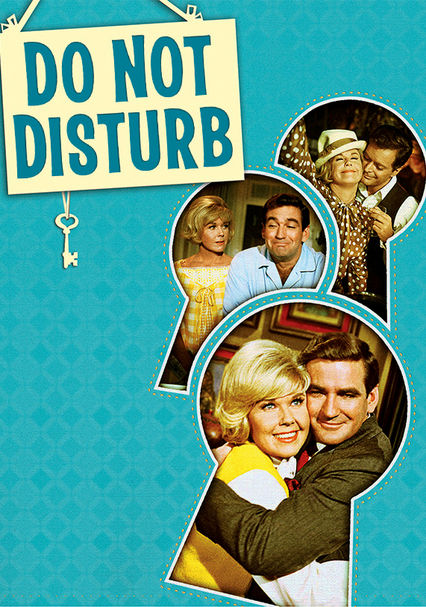
Do Not Disturb-1965

Do Not Disturb-1965

Director Ralph Levy, George Marshall

Starring Doris Day, Rod Taylor

Scott’s Review #917

Reviewed July 8, 2019

Grade: C+

Singer and actress Doris Day put her stamp on the romantic comedy genre during the 1960s, becoming synonymous with wholesome film characters. She had spunk and charm and always wore sensible shoes.

Do Not Disturb (1965) is a lightweight, forgettable work with a silly premise, a juvenile script, and a meandering plot.

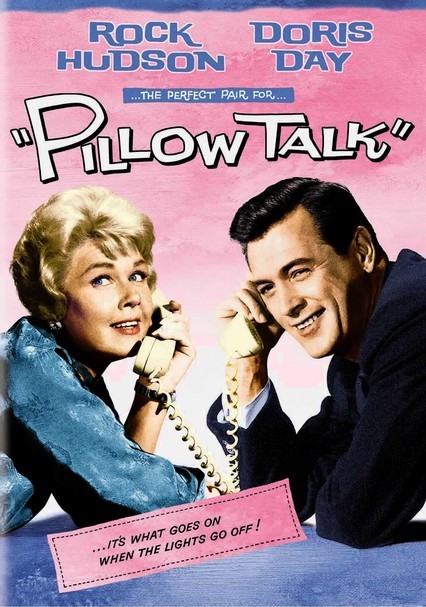
The film is somewhat saved by the interesting locales of London and Kent, England, but those seeking better quality should seek out the gems The Man Who Knew Too Much (1956) and Pillow Talk (1959).

Day and Rod Taylor star as Janet and Mike Harper, an American couple who relocate to England as part of a transfer for the company he works for. They immediately disagree over where to live; Mike prefers the excitement of London, but Janet favors the rustic quality of Kent.

After she gets them a house thirty miles outside London, the plan backfires when the couple grows further apart due to Mike’s need to commute to London every day. Lonesome and isolated, Janet worries incessantly that Mike is having an affair with his new secretary, Claire Hackett (Maureen McGivney).

Prompted by her busybody landlord, Vanessa Courtwright (Hermione Baddeley), Janet meets an Italian antique dealer, Paul Bellari (Sergio Fantoni), who she hires to redecorate her house. The antics begin with Mike spending more time with Claire, Janet, and Paul in equally close quarters.

Janet and Mike may be innocent, but Paul and Claire could have designs on their potential mates, especially as the foursome faces one compromising situation after another.

The heart of an authentic romantic comedy is good, old-fashioned chemistry between the leads, and Taylor and Day exhibit adequate sparkle but hardly sizzle.

Mediocrity in the setup and writing can be forgiven if other elements, like crackling moments, exist, but those are rare in Do Not Disturb.

Some Like It Hot (1959) embodies a great comedy with romantic wrappings featuring fantastic leads Jack Lemmon and Marilyn Monroe. Still, the former does not come close to finding its footing amid cliche after cliche.

The film is plot-driven and heavy on story-dictated situations rather than character development. The ending is predictable. The jokes fall flat or feel distinctly canned and cheap, and the laughs never catch on.

During a tepid sequence, Janet and Paul visit a remote town to look at antiques. She ends up drinking too much bubbly and becomes drunk and foolhardy.

What should have been comic relief does little to further the plot or flesh out the characters.

Director Ralph Levy makes little effort to steer the film beyond a slick mainstream “affair” despite the release year being 1965 when more edgy works replaced the polished and familiar.

Rather than dare to go to a less-than-cheery place and perhaps decide to have Janet or Mike cheat on their significant others, Levy chooses not to go there, instead attempting to satisfy those seeking a happily-ever-after wrapping.

Not to be entirely negative, Do Not Disturb features remarkable and stunning locale sequences of bustling metropolitan London, quaint English cottages, and wilderness, oozing with culture and sophistication as well as down-home comforts and rich flavor.

The combination of an American couple thrust into a different setting with a new set of rules and regulations to follow makes the film fun and offers a sprinkle of good scenery.

Do Not Disturb (1965) is a mid-1960s mainstream release buried among nests of other similar-themed but better-written films. Even appealing and bankable stars of the time like Taylor and Day could not succeed in spicing up tired gimmicks and plot devices.

The film will forever be relegated to the romantic comedy shelves, teetering on the brink of obscurity.

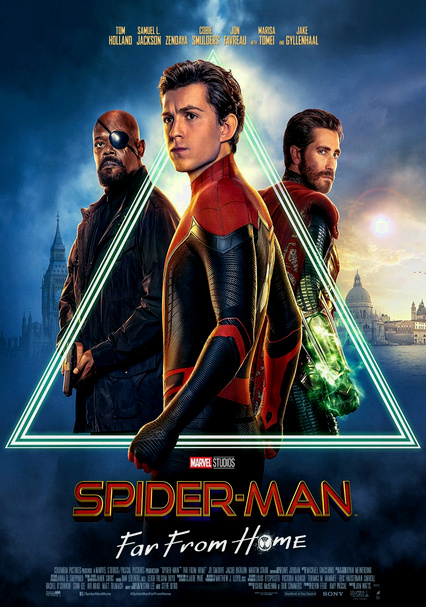
Spider-Man: Far From Home-2019

Spider-Man: Far From Home-2019

Director Jon Watts

Starring Tom Holland, Jake Gyllenhaal, Samuel L. Jackson

Scott’s Review #916

Reviewed July 5, 2019

Grade: B

Having not seen the first two installments of the latest Spider-Man franchise, nor with any prior knowledge of the Avengers franchise or the cross-sectional connections of the characters to other films, I walked into Spider-Man: Far From Home (2019) with little expectation.

And an admittedly limited understanding of the Marvel universe altogether.

The film is no better or worse than a summer popcorn flick with enough adventure and lovely locales to keep a non-super-hero buff entertained for over two hours without fidgeting too much.

The film begins with a nod to a past film, where a mysterious “Blip” occurred, erasing people for five years, and then returning them to normalcy, with no aging.

Shots of various Avengers characters, including Tony Stark (Iron Man), who have died, appear on the screen amid a musical tribute to Whitney Houston’s “I Will Always Love You.”

Peter Parker (Spider-Man) (Tom Holland) still mourns his mentor as he embarks on a two-week European vacation with his classmates as part of a school trip. He plans to confess his love for MJ (Zendaya) atop the Eiffel Tower in Paris.

Peter’s Aunt May (now reduced in age and sexy with the casting of Marisa Tomei) quickly packs his Spider-Man suit as Nick Fury (Samuel L. Jackson), a former director of S.H.I.E.L.D. attempts to enlist Peter’s help on a mission and provide him with Stark’s special glasses, named E.D.I.T.H. which possess all the databases of Stark Industries.

Quentin Beck/Mysterio (Jake Gyllenhaal), a master of Illusions, is recruited to help Spider-Man and serve as a fabulous Uncle figure.

These events all happen as Peter travels abroad.

The film is undeniably light and fun, with a bright and safe ambiance. The perilous scenes are not particularly scary or dangerous, despite the characters being at risk of death.

The teen romance angle enhances this assessment as it is a central component of the film, even as much as the adventure and superhero antics are.

Even before the teenage classmates traverse Europe, a triangle develops between Peter, MJ, and Peter’s hunky high school football rival, as does love at thirty-five thousand feet between lovebirds Ned and Betty Brant.

Tom Holland is very well cast in the lead role and is charismatic and believable. Charming with youthful innocence, he is part nerd and part hero, yet always empathetic and benevolent without feeling forced.

As a viewer unfamiliar with the first two chapters, I was immediately catapulted into his world of teen angst, romance, and his responsibility of saving the world. The young actor could have a promising future ahead of him if he avoids typecasting and chooses well-chosen roles.

The guts of the film, meaning the action sequences and the standard genre elements, are palpable and worthy of admiration on their own merits.

The visual effects are tremendous and crowd-pleasing, especially whenever Mysterio is involved. With a twisting, tornado-like blue and green swirling motion, he flies in and out of sequences with enough pizzazz to put the Wicked Witch of the West to shame.

Similarly, the gusty, unnatural storm, Earth Elemental, and the dangerous Fire provide magical and atmospheric power that enhances the film’s look.

Comedy, rather than dark and foreboding scenes, appears to be the filmmakers’ goal with this project.

As class trip chaperones and the students’ teachers, the comic duo of Julius Dell and Roger Harrington trade barbs with themselves and the kids, part bumbling and part incompetent, always offering comic moments of relief.

When Harold “Happy” Hogan becomes smitten with Aunt May, his awkwardness is cute and fresh rather than sappy and clichéd. The supporting characters have the substance to do so, but I would have preferred a bit more darkness or gloominess.

The sequences that raise Spider-Man: Far from Home above mediocrity are the excellent and plentiful European scenes, a feast of riches for this fan of world travel and culture.

The canals of Venice and the magnificence of Prague are nearly rivaled by the sophistication of London and the history of Berlin. Sadly, the film does not culminate in Paris as I had hoped and was hinted at, causing a slight hiccup in my vicarious travel pleasures.

Spider-Man: Far From Home (2019) is a film perfectly crafted for summer, and it was fittingly viewed on a scorching hot July day.

The film is not a masterpiece, sticking to a tried-and-true formula and limiting the dangerous possibilities when one threatens to destroy the world in favor of humor.

The cast is likable, the villain is compelling, and the romance showcases more than just the main couple, being careful not to limit the cash cow of special effects and adventure that the film provides in abundance.

First Man-2018

First Man-2018

Director Damien Chazelle

Starring Ryan Gosling, Claire Foy

Scott’s Review #915

Reviewed July 4, 2019

Grade: B+

First Man (2018) is a reteaming of efforts by director Damien Chazelle and actor Ryan Gosling, following the 2016 critical and commercial smash hit La La Land.

The former could not be more different from the latter, and the direction is unrecognizable for those expecting a comparison. First Man is a mainstream Hollywood production with good camerawork and edgy quality.

The necessary full-throttle action approach is interspersed nicely with a personal family story and humanistic spin that is never too sappy nor forced.

The focus of the story is on Neil Armstrong (Gosling) and the events leading up to the historic Apollo 11 mission, which made him the first United States astronaut to walk on the moon.

Buzzy Aldrin (Corey Stoll), the second man to walk on the moon, is featured to a lesser degree, and his character is portrayed as self-centered and complex, though screen time is limited.

The overall message is of the triumphs and the costs to families, the astronauts, and the country during an already tumultuous decade in history.

The events of the film begin in 1961, as we see Armstrong as a young NASA test pilot struggling with mishaps due to his problems, and culminate in 1969 after the successful mission concludes.

Chazelle wisely balances human and personal scenes with the inevitable rocket take-offs and outer space problems that the astronauts face.

Both segments turn out well and keep the action moving, allowing for tender moments between the characters, mainly showcasing the relationship between Neil and his wife, Janet (Claire Foy).

Lacking (thankfully) are the scenes of machismo or “guy talk” that sometimes accompany films in this genre.

During one of the first scenes, the audience quickly witnesses the couple’s two-and-a-half-year-old daughter Karen retching and suffering from learning disabilities, only to promptly die from a brain tumor, forever destroying the couple.

This critical aspect reoccurs as Neil imagines his daughter playing with neighborhood kids and enjoying life.

In a wonderful moment, he tearfully drops Karen’s tiny bracelet into a giant crater, hoping to keep her memory alive forever.

These additions give the film a character-driven quality.

Worthy of analysis before and after viewing the film is the young director’s decision to tackle such a project, heartily appealing to the mainstream audience undoubtedly in mind.

Legendary director Clint Eastwood was initially slated to direct, and the historically rich story seems right up his alley.

It’s interesting to wonder if, during the 1990s, Tom Hanks might have been cast as Armstrong in his younger days, playing a similar part in Ron Howard’s 1995 film Apollo 13.

Well-known character actors appear in supporting roles, fleshing out the production and further adding name and face recognition. Kyle Chandler, Jason Clarke, and Ciaran Hinds appear as astronauts or various NASA Chiefs. Viewers who may not be able to name the actors will certainly recognize them as actors seen in other films.

This only brings First Man to the big leagues with a hearty and talented central cast.

Gosling and Foy are the main draws, and both actors were mentioned as possibilities for Oscar nominations throughout awards season, but a slot in the big race did not come to fruition.

While the film drew a couple of nominations for Best Editing and Best Score, a Best Picture nomination was not to be, probably due to the film not being as big a blockbuster success as expected.

The film is also more brooding and less patriotic than a Howard or Eastwood production would have been.

To expand on this, First Man came under attack by Senator Marco Rubio from Florida and President Donald Trump for Chazelle’s decision to omit any mention of the famous planting of the American Flag on the moon by Armstrong and Aldrin.

Chazelle refused to admit that this was a political statement, instead insisting that he chose to focus more on the lesser-known aspects of the moon landing rather than facts that everybody already knew.

Young director Damien Chazelle proves to be a multi-faceted filmmaker by changing course and creating a historic biopic that is quite different from a story of singing and dancing in Los Angeles.

He proves to be no one-trick pony and gets the job done, creating a brave and robust effort that does not limit action at the hands of humanity, successfully weaving a good dose of both.

First Man (2018) may not be a classic in the making, but it deserves to be seen.

Oscar Nominations: 1 win- Best Sound Editing, Best Sound Mixing, Best Production Design, Best Visual Effects (won)

Touch of Evil-1958

Touch of Evil-1958

Director Orson Welles

Starring Charlton Heston, Janet Leigh

Scott’s Review #914

Reviewed July 2, 2019

Grade: A

Touch of Evil (1958) is a film noir directed by the legendary influential Hollywood director Orson Welles.

The film contains suspense, drama, and mystery but is to be mainly praised for visual treats to enhance the cinematic experience. The dark and foreboding thriller was revolutionary for the time of release and influenced many films of similar ilk in the years to come.

Robust and fraught with tension, the experience is marvelous and worthy of study for its many nuances.

Welles directs the work, stars in, and writes the screenplay, so his entire being is invested in the production and execution.

Known mainly for the legendary Citizen Kane (1940), a film that arguably changed the course of cinema with its direction and cinematography, Touch of Evil explores a different genre entirely. However, it keeps the excellent aspects of Welles’s loftier film intact, including the black-and-white element, resulting in a grand and dangerous crime-infused classic.

The screenplay was loosely based on the novel Badge of Evil by Whit Masterson.

The tension is ample from the onset as the humidity-drenched Mexico-United States border is the focal point. A car driven by a young couple is laced with a bomb and detonates as soon as they cross into U.S. territory.

In a hint of irony, Newlyweds Miguel “Mike” Vargas (Charlton Heston), a drug enforcement official in the Mexican government, and his wife Susie (Janet Leigh) pass the car several times on foot before the explosion.

An investigation ensues with the introduction of other characters, including Police Chief Pete Gould (Harry Shannon), District Attorney Adair (Ray Collins), and police captain Hank Quinlan (Welles), with a prime suspect being Sanchez, a young Mexican secretly married to the victim’s daughter.

Typical in the film noir genre, events are not what they seem like as layers of the plot slowly unravel. The heavyset and disheveled Captain nostalgically visits a brothel run by Tanya (Marlene Dietrich), who barely recognizes him because he’s gained so much weight since their last meeting.

Vargas forsakes his bride to spearhead the investigation but soon locks horns with corpulent Quinlan, and the duo begins to feud. Could Quinlan or Vargas have something to do with the car bombing, or could other supporting characters be behind or involved in the shenanigans?

This is an excellent part of Touch of Evil, as the film leaves the viewer guessing.

Heston and Leigh are the lead couple, and their chemistry is apparent from the first scene in which they appear together. Sexy and mysterious, she hunkers down in a dump fraught with peril while he attempts to solve the crime and keep his girl safe.

Outside factors play a significant role in keeping the lovers apart. Although Heston’s portrayal of a Mexican man is quite the stretch, the audience will nestle comfortably into the events as they reveal deeper layers.

Once a handsome man, Wells is not afraid to let it all hang out as the fat and racist Quinlan becomes one of the greatest and most complicated screen villains as his true colors emerge.

As the film’s title boldly suggests, does his character contain complexities that make him evil and keep some sympathies, or does he wreak havoc on all he touches with his devious nature only the tip of the iceberg?

Viewers await the final act to have several questions answered as motivations are finally revealed.

Touch of Evil (1958) provided delicious and pulsating material for filmmakers clever enough to study its intricacies, notably Roman Polanski for Chinatown (1974).

Nuggets were also thrown the way of Alfred Hitchcock, who got the idea for Leigh to appear in Psycho (1960) two years later, catapulting her character alone in a hotel peril and mixing in a weird hotel clerk.

The power the film had to hatch other great films from its ingenuity is the most fun part of watching it repeatedly.

Shanghai Express-1932

Shanghai Express-1932

Director Josef Von Sternberg

Starring Marlene Dietrich, Clive Brook

Scott’s Review #913

Reviewed June 29, 2019

Grade: A-

A film way ahead of its time and firmly affixed to the female perspective, Shanghai Express (1932) is riddled with drama, intrigue, and adventure, culminating in a slightly too tidy ending.

Forgetting that slight embrace with the traditional been there, done that film climax, the story has layers of interesting tidbits and will assuredly keep audiences on their toes.

Marlene Dietrich sizzles in the lead role and benefits from the film’s being made before the American code, which put restrictions on pictures and watered down many.

With flashes of a story like Murder on the Orient Express, Shanghai Express gets off to a strong start as a group of strangers of differing backgrounds begin to board the self-titled train from Istanbul, Turkey, through civil war-torn China.

This stir is caused by the presence of Shanghai Lily (Dietrich), a woman of questionable morals, with her sidekick Hui Fei (Anna May Wong) in tow.

Lily reconnects with her former flame, Captain Donald Harvey (Clive Brook), as passengers shun her and political matters reach the boiling point, leading Lily to prove her undying love for Donald.

Considering that the film was made in 1932, the plot and surrounding elements all resound as female-driven, which is both courageous and forceful.

Dietrich is glamorous and photographs beautifully, with no better example than the scene when she trembles and shivers in fear as she clings to a cigarette, her character deep in thought and anxiety.

The image and lighting were so powerful that they became the cover art for the promotional photograph. A promiscuous woman who is never ashamed of who she is, Lily proudly proclaims the immortal line, “It took more than one man to change my name to Shanghai Lily.”

The mysterious and deadly Hui Fei, Anna May Wong, nearly overshadows Dietrich. With her exotic demeanor, the audience is perplexed by her, not knowing much about her, and longing for more exposure and reveals.

Hui Fei comes full tilt during the final act but remains an elusive character. Throughout the film’s short runtime, which is one hour and thirty-two minutes, I found myself thinking about Hui Fei continuously, wanting more explanation about her life, her background, and how she came to be associated with Shanghai Lily.

The film’s atmosphere is a championed success. The roaring engines of the fast-moving train, mixed with the bells and dazzling, luxurious train cars, make the background details tremendously important, keeping the fast-paced action ongoing and crackling.

The supporting characters like judgmental Christian missionary Mr. Carmichael (Lawrence Grant), who at first condemns the two as “fallen women,” and the boarding housekeeper Mrs. Haggerty (Louise Closser Hale) with her strictness for discipline and cleanliness, add life and an excellent comic balance to the heavy drama.

Shanghai Express’s tremendous attributes, cagey female characters, and perspective have such strong appeal that they ultimately lead to a glaring letdown at the end of the film.

Understood is how Lily is madly in love with Donald, and the physical tension they share throughout the film is palpable and noticeable. She is willing to agree to go with the film’s villain, the dastardly Chang (Warner Oland), to his palace, presumably for sex or to become his kept woman, all in the name of her love for Donald.

Lily and Donald find their way to a strong embrace as the film ends, but this feels contrived given the immense other qualities.

Lovely is having the experience of viewing a film that is not too distant from celebrating its one-hundredth anniversary and noticing aspects highly influential to other films.

Thanks to Dietrich’s fantastic performance and cleverly written characters, the film is a high achievement and should be exposed to young film fans studying in film school as evidence of an early treasure.

Shanghai Express (1932) is a cinematic success with complexities and voracious theater.

Oscar Nominations: 1 win– Outstanding Production, Best Director-Josef Von Sternberg, Best Cinematography (won)

Oh Lucy!-2017

Oh, Lucy! -2017

Director Atsuko Hirayanagi

Starring Shinobu Terajima, Josh Hartnett

Scott’s Review #912

Reviewed June 20, 2019

Grade: B+

Japanese culture meets American culture, which is the underlying component of Oh Lucy! (2017), a fascinating dark comedy and feature film debut by female director Atsuko Hirayanagi.

The film was once short but progressed into a full-length project, deservedly receiving Film Independent nominations for Best Female Lead and Best First Feature.

The co-settings of Tokyo and Los Angeles and the tremendous performance by star Shinobu Terajima make this a worthy watch.

Middle-aged Setsuko (Terajima) lives an unfulfilled daily existence in Tokyo, working a drab office job and living in a cluttered one-bedroom apartment riddled with comforting junk.

She wears a protective mouth cover, which is common in her city, to avoid breathing in bad air and to avoid chain smoke. She is unpopular at work and wishes to date more but is unlucky in love.

One day, she is convinced by her niece Mika (Shiori Kutsuna) to take English lessons and falls for her handsome instructor, John (Josh Hartnett), who nicknames her “Lucy,” making her don a blonde wig and talks “American.”

A classmate, “Tom” (Koji Yakusho), seems interested in “Lucy.”

When Mika runs off with John to Los Angeles, prompting Setsuko and her bitchy sister Ayako (Kaho Minami) to follow suit, concerned for her safety, the adventure begins.

Setsuko and Mika compete for positions with John. Still, her vacation from her dreary job and growing obsession with him energize her as a rivalry between Setsuko and Ayako hits full throttle.

Setsuko begins to exhibit bizarre and unbecoming behavior.

The film delves into an interesting characteristic among Japanese females: rivalry, as the subject matter is heavily female-centered.

The trio of Setsuko, Ayako, and Mika are family and love each other unconditionally, but do they like each other?

Immediately, we learn that Setsuko stole Ayako’s boyfriend long ago, or so she claims. Eventually, Setsuko tries to steal Ayako’s man, so there is a recurring conflict between the two women.

We assume Ayako has a rebellious streak, just like Setsuko did at her age.

Despite the triangle of drama and issues, the main story and focal point belong to Setsuko and her infatuation with John. From the first moment they embrace part of a teacher-student dynamic, Setsuko is hooked. She longs to remain in his arms until he insists she let go.

This is a key moment when intrigue looms. Does she feel more comfortable and confident in her blonde wig and new persona? Does this give her the courage and the guts to flee her boring life for a chance at love in Los Angeles?

John loves Mika, but more importantly, despite her best efforts, he has no feelings for Setsuko. In a pivotal and hilarious scene, John and Setsuko smoke marijuana as he teaches her how to drive in a deserted parking lot.

As they feel the effects of the drug, Setsuko comes on to John, and before he knows it, they have sex. This only deepens her obsession with him as she decides to get the same tattoo as he has.

He realizes she may not be stable as the audience, still enamored with the character, begins to pity her.

Hirayanagi is careful not to make her film a downer, and she does a fantastic job. When Setsuko returns to her meager existence in Tokyo, she is unceremoniously fired from the job she despises but has held for decades.

Is she devastated or liberated? Perhaps a bit of each, but she has reached her breaking point and succumbs to sadness, longing for John.

Fortunately, a surprise appearance by an unexpected character uplifts her spirits and the entire film.

Oh, Lucy! (2017) is an excellent example of an independent film from an inexperienced director who is laden with good qualities. A wounded main character who is sympathetic to viewers leads a dynamic story of loneliness and melancholia, but also with witty dialogue, crackling humor, and a multicultural approach.

A hybrid Japanese and American film with location sequences in both areas, the film will satisfy those seeking an intelligent, quick-witted experience.

Independent Spirit Award Nominations: Best Female Lead-Shinobu Terajima, Best First Feature

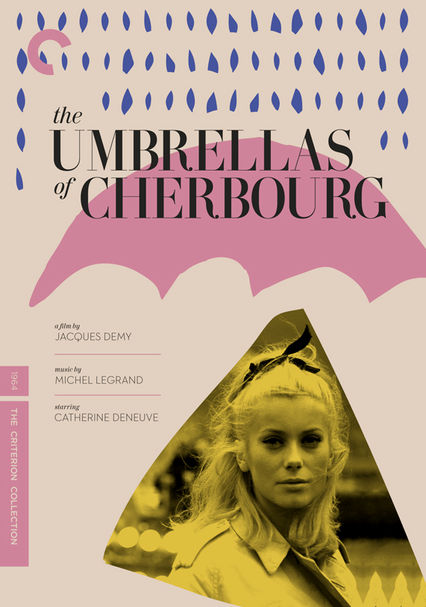
The Umbrellas of Cherbourg-1964

The Umbrellas of Cherbourg-1964

Director Jacques Demy

Starring Catherine Deneuve, Nino Castelnuovo

Scott’s Review #911

Reviewed June 17, 2019

Grade: A

The Umbrellas of Cherbourg (1964), translated in French as Les Parapluies de Cherbourg, is a daring film. It is unique in that all dialogue is sung recitatively, like an opera or a stage musical.

But wait, there’s more.

The film features colorful, dazzling set designs that enrich the experience amid lovely French culture and atmosphere.

Interspersed with a melody, the result is a stoic treasure.

The film received an Oscar nomination for Best Foreign Language Film and several other nominations.

The film is divided into three parts and progresses chronologically over six years. Part One is The Departure; Part Two is The Absence and Part Three is The Return, each representing a meaningful part of the story.

Madame Emery (Anne Vernon) and her sixteen-year-old daughter Genevieve (Deneuve) own a struggling umbrella boutique in Cherbourg, France. Genevieve falls in love with Guy (Castelnuovo), a local mechanic, and they have sex the night before he is drafted to war, resulting in an unexpected pregnancy.

Madame Emery and Genevieve must decide which option is best when wealthy jeweler Roland (Marc Michel) courts her, unaware of her pregnancy. Genevieve and Guy continue to write letters to each other as she softens towards Roland and makes a decision.

An injured Guy returns from the war, and events kick into high gear as the lovebirds face an uncertain future amid surrounding barriers to their happiness.

To embrace the flavor and pacing of the film takes a few minutes of patience- like some viewers becoming accustomed to subtitles in general, which the film also possesses; the singing is initially quite jarring but, before long, is to be embraced and appreciated for its unique nature.

To stress the point, the film is not a standard musical. Songs are mixed in with conventional dialogue, and each line is sung.

With this role, Deneuve gained wider recognition beyond a French audience already familiar with her work. She shines brightly in the lead role and never looks lovelier.

The young lady, hardly appearing to be sixteen (in truth, she was twenty-one), carries the film with a chic, sophisticated style that feels perfectly in tune with the 1960s.

Her magnificent grace and elegance make her the primary reason to tune in. She sings her lines flawlessly and with unforced precision.

The story is unequivocally a basic one: a girl meets a boy, the boy is drafted into the army, the girl becomes pregnant, the girl meets another suitor, and the boy returns home as conflict arises.

The magic is what director Jacques Demy does with the piece.

Everyday life is presented in situational scenes, adding substance and commonalities. Genevieve and Guy are in love and face external and internal obstacles.

At the same time, Madeleine (Ellen Farner), a quiet young woman who looks after Guy’s aunt, is secretly in love with Guy, as she adds a secret weapon to the film.

The audience cares for the characters, especially Genevieve and Guy, but the supporting characters add a strong quality worth mentioning.

Anne Vernon is pivotal as Madame Emery. She is stylish and lavish, concerned for her daughter’s well-being, and slyly sees opportunities to save her boutique. Guy’s sickly Aunt Elise provides security and love to those who heed her advice.

Actress Mireille Perrey plays her.

The vivid colors and sets make The Umbrellas of Cherbourg challenging to forget. Stark and fluorescent painted pinks, greens, and blues, mainly on the walls, provide zest and flavor, a grand style all its own.

The bright, crisp designs evoke a lavish Hollywood musical with a cultured French twist. The result is perfect, and one can easily immerse themselves in the singing and the artistry.

The recurring main song, “I Will Wait for You” (the central theme, also known as “Devant le garage”), is delicious and emotional, appearing in many poignant scenes.

Those seeking a charismatic, distinctive experience with nuance and a hint of experimentation will undoubtedly enjoy this fruity, tasty treat.

With a French atmosphere for miles, the film encompasses all that is good and cultured about French cinema.

The Umbrellas of Cherbourg (1964) will entertain and unabashedly knock your socks off with grand, sizzling flavor.

Oscar Nominations: Best Foreign Language Film, Best Story and Screenplay Written Directly for the Screen, Best Song-“I Will Wait for You,” Best Music Score-Substantially Original, Best Scoring of Music-Adaptation or Treatment

Golden Globe Nominations: Best Foreign Film-Foreign Language

12 Angry Men-1957

12 Angry Men-1957

Director Sidney Lumet

Starring Henry Fonda

Scott’s Review #910

Reviewed June 14, 2019

Grade: A

A fond memory of Junior High School was reading the play and then being treated to a viewing of the film version of 12 Angry Men (1957), a bristling and suffocating film that infuses progressive thought and thinking for oneself in animosity.

A valuable lesson for a teenager to learn, or anyone else, the film is essential, providing life lessons and tremendous drama, holding up well, and still brimming with texture.

The film begins by introducing the audience to twelve men deliberating on a defendant’s conviction or acquittal based on reasonable doubt.

The defendant is an eighteen-year-old Puerto Rican male living in a poor neighborhood, accused of fatally stabbing his father.

The witnesses are an older man and a lady who lives across the street. The jurors’ instructions are clear: if there is any reasonable doubt, they must return a verdict of not guilty. If found guilty, the accused will receive a death sentence.

Henry Fonda plays Juror # Eight, who initially is the only juror to vote “not guilty” when the others assuredly vote “guilty.”

He adamantly questions how reliable the two witnesses are and disagrees with the argument that the knife used in the death is an obscure brand, as he produces an identical knife of his own.

Juror # Eight can convince one juror to change his vote, allowing discussions and analysis to reconvene, much to the chagrin of a few men, especially Juror # 3 (Lee J. Cobb), the main antagonist.

Director Sidney Lumet provides a dynamic atmosphere in his debut film with astounding results.

The black-and-white cinematography is brilliantly mixed with the humidity of a scorching New York summer day, as the one set used is claustrophobic, drawing the audience into the action and suffocating along with the men.

As tensions mount and one juror attempts to kill another juror out of rage, a thunderstorm erupts outside, breaking the heat and changing the momentum in the jury room as the tide slowly turns in a different direction.

The story is wonderfully written, as each juror’s backstory is slowly revealed, providing insight into why each man may think the way he does or may have preconceived notions about the accused, rather than giving him a fair shake.

Juror #3 is a bully estranged from his son, while Juror # 7 mistrusts “foreigners.” Some of the others “go with the flow,” intimidated by conflicts, and afraid to ruffle feathers.

12 Angry Men teaches the utmost importance of the power of change against all odds. By standing by his convictions, Juror #8 influenced the other jurors to see what they were either unable or unwilling to see.

He forces them to question their morals and values.

By the time the film concludes, the audience is smacked across the face with tremendous impact, perhaps prompting them to question their views.

This is an example of the power of cinema.

Like the stage version, the plot requires the audience to think and determine, along with the characters, the power of reason and the intensity of the dialogue.

The fact that all the jurors are white males is never lost on me, but neither does it detract from my enjoyment. This is how things were done decades ago.

Fonda is charismatic and brilliant in the lead role.

12 Angry Men (1957) is a timeless story, wonderfully told and retold on the live stage. Lumet powerfully and effectively brings the production to the big screen by using cinematic elements to elicit the proper emotions in his audience.

The film holds up very well, as sadly, many of the stereotypes and beliefs the jurors hold are still shared by many Americans.

On the more positive side, people with strong, empathetic wills, like Juror #8, also exist and unquestionably influence more than they lose.

Oscar Nominations: Best Motion Picture, Best Director-Sidney Lumet, Best Screenplay Based on Material from Another Medium

Golden Globe Nominations: Best Motion Picture-Drama, Best Director-Motion Picture-Sidney Lumet, Best Performance by an Actor in a Motion Picture-Actor-Henry Fonda, Best Performance by an Actor in a Supporting Role in any Motion Picture-Lee J. Cobb

Midnight Lace-1960

Midnight Lace-1960

Director David Miller

Starring Doris Day, Rex Harrison

Scott’s Review #909

Reviewed June 13, 2019

Grade: B+

Midnight Lace (1960) is a straightforward psychological thriller made at a time when the genre was increasing in popularity.

The film was influenced by the Alfred Hitchcock craze, which was front and center at this time, and a robust departure for its lead, Doris Day, who until this time mainly was nestled securely in the romantic comedy domain.

The film is a good watch and a challenging role for Day, who proves she has the acting chops to carry the movie.

Day portrays Kit, an American heiress, newly married to British financier Tony (Rex Harrison), residing together in London. When she is terrorized by an odd voice in a London park one misty night, her panic is dismissed as rubbish, and pranksters have their way with her.

When the threats return and escalate with telephone calls, Tony alerts the authorities, who question whether Kit may be imagining things or creating a panic to gain attention from her husband.

Tony, in turn, begins to ask the same questions.

Day, an American sweetheart and forever good girl, was brave enough to tackle a role that was left of center for her.

Despite her acceptable acting and impressive range during scenes of peril, Doris Day is still Doris Day, and it is tough to shake the image of her playing herself.

Attractive, Day is not the sexpot type, so a few scenes of her being flirty by attempting to seduce Tony with sexy nighties do not work so well. Day has never looked lovelier than she does in this picture.

The plot rolls along with fantastic glossy production values, and I never found myself tuning out or wondering when the film would end.

The drama heightens minute by minute, turning into a whodunit, while the film wisely never disqualifies whether Kit could be staging the shenanigans herself.

Did she fall into a bus, or was she pushed? Why did she hire someone to call her? Is the menacing voice disguised? The questions become more frequent as the film progresses, which is what good thrillers should do.

I figured out only half of the big reveal, but the other half caught me off guard, and the finale was climactic and satisfying.

The film belongs to Day, but the additions of Harrison and the legendary Myrna Loy add class and flavor to a movie that could have been dismissed as only cliched in lesser hands.

Harrison is effective as the concerned but stoic husband, and the audience wonders whether Tony is involved in Kit’s stalking or is a caring man.

Does the subplot of a discovered embezzler in Tony’s company have anything to do with it? If so, how are the stories connected?

Handsome John Gavin, a Rock Hudson type who became famous for Psycho (1960), is a welcome addition as contractor Brian. He shows up at the right time to save Kit, making him a prime suspect.

Loy plays Kit’s Aunt Bea, who comes to town for a visit; the part is nothing special, but seeing the actress in whatever role she tackles is lovely.

Finally, Malcolm Stanley (Roddy McDowell) adds drama as a money-hungry man and son of Kit’s maid.

Characters are added to the story as potential suspects.

The viewer is treated to their share of exterior shots of London, which provides the film with enough British flavor, almost to forget that Day is American.

With the additions of Scotland Yard and an Inspector, the British culture is firmly placed, adding a wonderful British element.

Tony and Kit are rich, so their lavish home and exclusive neighborhood are finely placed on display.

The film’s title is represented in a cute scene when Kit seductively holds up a sexy outfit she purchased for Tony. The scene seems straight out of the 1980s slick television movie thriller genre and is primed for the Lifetime television network.

This is not a criticism because the title works well and holds tantalizing darkness.

Midnight Lace (1960) is a nearly forgotten film that is a fine watch and a lovely tribute to Doris Day’s talents. She makes the film her own and is the main reason to watch it.

Though she does not sing or play the girl next door, she does turn in an above-average performance, showing her range as an actress.

The rest of the film’s trimmings, especially the locale and the supporting actors, benefit the viewing pleasure the film possesses.

Oscar Nominations: Best Costume Design, Color

Golden Globe Nominations: Best Performance by an Actress in a Motion Picture-Drama-Doris Day

The Bridge on the River Kwai- 1957

The Bridge on the River Kwai- 1957

Director David Lean

Starring Alec Guinness, William Holden

Scott’s Review #908

Reviewed June 11, 2019

Grade: A

The Bridge on the River Kwai (1957) is a war film that exemplifies character-driven storytelling from each character’s perspective.

Films of this genre often do not stray too far from the straight and narrow, showcasing a war-event perspective. This often becomes larger than the humanity piece.

A key point is that the American, British, and Japanese points of view turn the grand epic experience into a more personal one.

The film received numerous Oscar nominations, culminating in a Best Picture win.

The time is early 1943, amid the powerful and destructive World War II, when a group of British prisoners of war (POW) arrives at a Japanese camp.

Colonel Saito (Sessue Hayakawa) commands all prisoners, regardless of rank, to begin work on a railway bridge that will connect Bangkok with Rangoon.

Lieutenant Colonel Nicholson (Alec Guinness), the British commanding officer, refuses manual labor, and a battle of wills erupts between the two men.

Meanwhile, Commander Shears (William Holden), an American also being held at the same camp, vows to destroy the bridge to avoid a court-martial.

The complexities of the men’s relationships are the main draw and can be discussed at length. Each possesses a firm motivation, but the emotions teeter back and forth as they face various conflicts.

Each of the three principles is an analytical juggernaut within the human spirit, ranging from the courageous to the cowardly to the evil.

We are supposed to root for Shears and not root for Saito, but why isn’t that cut and dried?

Is Shears too revenge-minded? We cheer Nicholson’s resilience, but is he too stubborn for his own good?

The film’s whistling work theme nearly became famous when it was first released in 1957. Ominous and peppered with a macabre depression, the prisoners go about their work in a near ode to Snow White and the Seven Dwarfs’ cheerier “Whistle While You Work” anthem.

As they continue to build the bridge dutifully, the audience feels a sense of dread and a foreboding atmosphere. What will ultimately happen? When two prisoners are shot dead while attempting to escape, the film takes a different turn.

Given that David Lean, responsible for such epic masterpieces as Lawrence of Arabia (1962) and A Passage to India (1984), directs The Bridge on the River Kwai, should be telling as far as the sweeping exterior landscape treats in store for the viewer.

The lavish Asian landscape, so picturesque and beautiful, is peaceful amid the chaos and vile treatment of the prisoners. This imbalance is wonderfully rich and poignant against the robust storytelling.

The climax is bombastic (literally!) and a nail-biting experience resulting in a stabbing, an explosion, and a heap of tension.

A train carrying important dignitaries and soldiers is racing towards the newly constructed bridge as one man is intent on detonating a bomb and destroying another race against time to prevent the bloodbath.

The suspense, action, and cinematic skill are front and center during the final act.

Deserving of each one of the accolades reaped on The Bridge on the River Kwai (1957), the film is the thinking man’s war film.

Layered with an underlying humanistic approach and with little violence given the subject matter, one can sink into empathy for each point of view presented instead of being force-fed a one-dimensional message.

Fine acting and gorgeous cinematography make this film one to be forever remembered.

Oscar Nominations: 7 wins-Best Motion Picture (won), Best Director-David Lean (won), Best Actor-Alec Guinness (won), Best Supporting Actor-Sessue Hayakawa, Best Screenplay Based on Material from Another Medium (won), Best Scoring (won), Best Cinematography (won), Best Film Editing (won)

Golden Globe Nominations: 3 wins-Best Motion Picture-Drama (won), Best Director-Motion Picture-David Lean (won), Best Performance by an Actor in a Motion Picture-Drama-Alec Guinness (won), Best Performance by an Actor in a Supporting Role in any Motion Picture-Sessue Hayakawa

Pillow Talk-1959

Pillow Talk-1959

Director Michael Gordon

Starring Rock Hudson, Doris Day

Scott’s Review #907

Reviewed June 6, 2019

Grade: B+

Pillow Talk (1959) is the ultimate in romantic comedies from the age of innocence in cinema.

In 1959, pictures were still wholesome and safe, providing happy stories and charming characters.

The film is a lovely and enchanting experience with intelligent characters and fantastic chemistry among its leads.

Combined with a good romance and comic elements, it makes for a fun watch that still feels fresh and bright decades later.

Doris Day and Rock Hudson smolder as singles living in Manhattan.

Day plays Jan Morrow, a perky, independent interior decorator who dates frequently but has not yet found love. Hudson plays Brad Allen, a talented, creative Broadway composer and playboy who lives in a nearby apartment building.

Jan is frustrated by a party line that allows her to hear Brad’s endless phone conversations with the women in his life. He is annoyed by her prim and proper, holier-than-thou attitude. They bicker on the phone but have not met.

Through their mutual yet unknown-to-them acquaintance, Jonathan Forbes (Tony Randall), Brad realizes who Jan is, which leads to hilarity as he fakes a Texan accent and invents a new persona: Rex Stetson, a wealthy Texas rancher.

He succeeds in wooing Jan, who falls madly in love with him while unaware of his identity. Events culminate in the inevitable big reveal when the couple vacations at Jonathan’s cabin in nearby Connecticut.

Rock Hudson oozes masculinity and charisma, and nearly every woman he meets falls madly in love with him. Hudson’s sexual preferences are hidden from the public but well-known within the film industry, so one wonders if a few comical situations were added as an inside joke.

One can speculate if these additions were made with or without the star’s knowledge; rumors abound that Hudson reportedly carried on an affair with actor Nick Adams (Tony) during filming.

A recurring theme involves Brad mistakenly walking into an obstetrician’s office (twice!) and the doctor and nurse assuming he may be the first man to become pregnant as they attempt to locate him when he keeps disappearing.

Later, Brad attempts to trick Jan into believing Rex might be a homosexual because of his love for effeminate things.

The supporting players bring wit to Pillow Talk and are key to the film’s enjoyment. Randall, as Jonathan, is not quite the nice guy, but not entirely the foil. As he has designs on Jan, he warns Brad to keep away.

His intention, which fails, is to woo her with money, but Jan seeks true love.

Thelma Ritter’s performance as Alma, Jan’s boozy housekeeper, is delicious. She adds necessary comic timing and sardonic humor. We crackle with delight when she ultimately finds love with the elevator operator.

The lavish set design is flawless. It brightens the film while adding the luxurious style and sophistication that only New York City apartment living can bring. The combined sets of Brad’s and Jan’s apartments are gorgeous.

With bright colors and 1950s-style furniture, one can easily imagine how beautiful it would be to live in an apartment of this brilliance—I know this viewer did!

A Doris Day film would not be complete without several songs that the singer/actress performs. “Pillow Talk” during the opening credits, “Roly Poly” in the piano bar with Blackwell and Hudson, and “Possess Me” on the drive up to Jonathan’s cabin.

Pillow Talk (1959) is an example of a rich romantic comedy with significant elements. It is a bit of a fantasy and a bit silly, but it contains style, sophistication, and humor.

The film was an enormous success and was deemed “the feel-good film of the year” in many circles. Following the film, Hudson’s career was relaunched after a snag years earlier.

Oscar Nominations: 1 win-Best Actress-Doris Day, Best Supporting Actress-Thelma Ritter, Best Story and Screenplay Written Directly for the Screen (won), Best Scoring of a Dramatic or Comedy Picture, Best Art Direction, Color

Golden Globe Nominations: 2 wins-Best Picture-Comedy, Best Performance by an Actress in a Leading Role-Musical or Comedy-Doris Day, Best Performance by an Actor in a Supporting Role in any Motion Picture-Tony Randall, World Film Favorites-Doris Day (won), Rock Hudson (won)

Rocketman-2019

Rocketman-2019

Director Dexter Fletcher

Starring Taron Egerton, Jamie Bell

Scott’s Review #906

Reviewed June 5, 2019

Grade: A

Following the unexpected success of 2018’s rock biography Bohemian Rhapsody comes the similarly themed Rocketman (2019).

This time, the subject at hand is Elton John, rather than Freddie Mercury, but both storied figures share unquestionable comparisons, as their successes, failures, and struggles are well-documented.

Both films take their names from popular title songs, and both feature the same director, Dexter Fletcher.

Freddie Mercury and Elton John are both larger-than-life onstage personas, yet both reportedly suffered from shyness, creating characters to portray that helped ease their difficulties.

Rocketman gets the slight edge over Bohemian Rhapsody when comparing the two, with experimental and psychedelic sequences making the experience more left of center than the latter and lacking a hefty feel-good component.

I would venture to assess that Rocketman has darker overtones.

The film opens impressively as an adult, successful Elton John (Taron Egerton) attends a support group therapy session in rehab, begrudgingly. This scene will recur throughout the film as John slowly reveals more to the group about his childhood, rise to fame, and struggles with numerous demons.

This is key to the enjoyment of the film, as it frequently backtracks in time, allowing us to see John’s development both as a musician and on a personal level.

Many scenes unfold like a Broadway play, which is an ingenious approach, not only a treat for fans of John’s vast catalog of songs but also immensely creative from a cinematic perspective.

At the film’s high point, the scenes are not only showy but also propel the direction of the film, rather than slowing down the events.

Fantastic are the offerings of hit songs like “Tiny Dancer”, as shown during John’s first trip to Los Angeles, where he is forced to witness the then-crush, Bernie Taupin (Jamie Bell), take up with a supermodel at an LSD-infused Hollywood party.

The musical numbers offer glimpses into the mind and heart of Elton and other characters through song. A teary number occurs early on when a pained, boyish Elton is learning to play the piano, facing struggles at home.

When the song begins, it is Elton’s tune to carry, but then his father sings a few lines, followed by his mother and then his grandmother. Each person offers their perspective based on the lyrics they are singing.

The beauty of this scene is powerful and sets the tone for the scenes to follow.

Rocketman is an emotionally charged film, evoking laughter and tears throughout its duration. Thanks to Egerton, who carries the film, the audience cares for him as a human being instead of a larger-than-life rock star.

We feel his pain, cry his tears, and smile during rare moments when he is content. He faces insecurity, sex addiction, drug and alcohol addiction, and an eating disorder. Through Egerton, we face the battles alongside him.

Elton John serves as Executive Producer of the film, providing a measure of truth and honesty in storytelling, something Bohemian Rhapsody was accused of not containing. John’s parents are portrayed accurately and decidedly, and both mother and father are dastardly, nearly ruining Elton’s self-esteem for life.

Dallas Bryce-Howard, as his mother, is happy to capitalize financially on his fame, but sticks a dagger in his heart when she professes he will never be loved since he is a gay man.

His father is nearly as bad. Abandoning his loveless marriage to Elton’s mother, he eventually finds happiness with another woman and produces two boys. He can never love his eldest son, despite Elton’s efforts to reconnect.

To add insult to injury, his father asks him to cross out the words “to Dad” on an album autograph, instead requesting that it be given to a colleague. Elton is devastated.

Events are not all dire and dreary, as with his parents and a major suicide attempt. Happier times are shown, and his grandmother (wonderfully played by Gemma Jones) remains an ardent supporter.

His relationship with Taupin is one of the most benevolent and life-long causes of trust and respect, and once his act is cleaned up, Elton can appreciate the finer things in life more completely.

Egerton performs beautifully in both acting and singing capabilities, but lacks the singing chops that Elton John has. The decision was made not to have Egerton lip-sync, which deserves its measure of praise.

It’s interesting to wonder what the opposite choice would have resulted in. Like with Bohemian Rhapsody, we are left with a brilliant portrayal of John by Egerton.

Watched in tandem with Bohemian Rhapsody, a great idea given the back-to-back releases, is one recommendation for comparison’s sake.

Offering a more creative experience, again, the musical numbers are superb. Both switching through the back and forth timelines, Rocketman (2019) squeaks out the victory for me, and doesn’t the victor get the spoils?

If Rami Malek won the coveted Best Actor Oscar statuette, what would that mean for the tremendous turn that Egerton gives?

Oscar Nominations: 1 win-Best Original Song-“(I’m Gonna) Love Me Again (won)

Tully-2018

Tully-2018

Director Jason Reitman

Starring Charlize Theron, Mackenzie Davis

Scott’s Review #905

Reviewed June 2, 2019

Grade: B

Tully, a 2018 film release, received wide recognition primarily due to a Golden Globe nomination for Best Actress in a Comedy, achieved by its star, Charlize Theron.

The actress carries the film and delivers an excellent performance, a great example of casting.

The film is targeted at a specific audience: females with newborn babies, mothers of children with behavioral issues, or women who have experienced something similar in their lifetime.

As such, the perspective is clearly from the female point of view, and men may not find much, if anything, to relate to. Nonetheless, the film is a worthy watch, though I’m not sure I’d classify it firmly in the comedy category. This may have more to do with who directed it.

Jason Reitman, famous for his creations Juno (2007) and Young Adult (2011), is known for coming-of-age films with dark edges. Nonetheless, I’d carefully teeter the movie more into the drama genre than straight comedy.

We meet a very pregnant Marlo (Theron) as she is about to give birth to her third child, the implication being that it is an unplanned pregnancy. She is already frazzled by her other two children, one of whom is Jonah, who has a developmental disorder, causing stress.

Her world consists of battles with Jonah’s school, her absent-minded husband Drew (Ron Livingston), and her brother Craig (Mark Duplass), who has married an affluent woman and tries to help Marlo.

Craig offers to pay for a night nanny, which would allow Marlo to be quiet, and she finally accepts. She meets the bizarre Tully (Mackenzie Davis), who slowly changes her life.

Theron reportedly gained over fifty pounds in preparation for the role and completely immersed herself in the part. Ordinarily, a gorgeous woman and an astounding actor, she is convincing as the tired and unfulfilled suburban mother.

Haggard, going through her day-to-day routines, reveals that she yearns to be young again. She finally revisits her old stomping grounds in Brooklyn, where her passion is awakened in New York.

Theron not only transforms her appearance but also portrays an enormous amount of emotion teetering between a responsible mother and a flighty middle-aged woman.

To say that Tully is a “woman’s film”, a phrase I dislike, is not entirely fair, but women will likely relate to the film the most. Men are not written exceptionally well; we see Drew meandering around the house, mostly staying in the bedroom, oblivious to his surroundings.

He is somewhat aware that a night nanny exists, but is more concerned with playing video games or traveling for work than with who is raising his child. He loves his family, yet is somewhat only half there, and his motivations and feelings are never explored very well.

The writing of this character perplexed me, or rather, I wondered why the character was written this way, to begin with.

As events progress, Tully serves up a brilliant twist ending, blurring the lines between fantasy and reality in a daring way.

The character of Tully becomes a godsend for Marlo. Suddenly, she is inspired by the younger woman who has her whole life ahead of her. Could Marlo be a bit jealous of the young and thin nanny? Tully inspires Marlo, but could she not be all that she seems? The final reveal leaves questions dangling over the viewer.

Is Tully all in Marlo’s head? Is it merely a coincidence that Marlo’s maiden name is Tully, or the reason for the nanny in the first place?

Tully (2018) plays like a female-centered coming-of-age story, ideally suited for women over 30. Others can enjoy it as the story has layers and borders on a character study, but the target audience is clear.

The surprise ending is tremendous and raises the film way above mediocrity; otherwise, it’s a traditional genre film.

Theron’s performance also adds an immeasurable amount to the film.

Witchfinder General-1968

Witchfinder General-1968

Director Michael Reeves

Starring Vincent Price, Ian Ogilvy, Hilary Dwyer

Scott’s Review #904

Reviewed May 31, 2019

Grade: B+

Witchfinder General (1968) is a macabre horror film that creates an intense atmosphere amid a gruesome story centered on witch-hunting.

By the late 1960s, violence and bloodletting in cinema had become more lenient and acceptable. Hence, the film takes full advantage of the timing with an unusual amount of torture, cruelty, and brutality.

The mid-seventeenth-century English period is highly effective, as is the ghastly religious angle, making for compelling filmmaking.

Vincent Price is delicious in any film he appears in, having amassed over one hundred cinematic credits alone, to say nothing of his television appearances.

Practically trademarking his over-the-top comic wittiness and campy performances, his role in Witchfinder General may be his best yet, as he plays the character straight and deadly serious.

This succeeds in making his character chilling and, maybe, the best role of his career, despite numerous disputes with director Michael Reeves over motivation.

During the English Civil War, Mathew Hopkins (Price) took advantage of the unrest, profiting from witch-hunting. He travels from town to town, accusing the unfortunate of witchcraft, until they are mercilessly executed, after which he is paid handsomely.

Matthew is assisted in the accusations and torments by John Stearne (Robert Russell), a man his equal in brutality. Knowing these two men were real-life historical figures makes the action even more challenging to watch.

When he arrests and tortures Father Lowes (Rupert Davies), Lowes’s niece’s fiancé (Ian Ogilvy) decides to put an end to Hopkins’s sleazy practices and goes on a quest to seek vengeance.

The mixture of a romantic love story, as Richard Marshall (Ogilvy) and Sara (Hilary Dwyer) marry, and a revenge tale, as Marshall vows to destroy Hopkins, is a nice combination, as are the numerous outdoor scenes.

Witchfinder General has much going on, and the pieces all come together.

The most horrific moments of the film come during the death scenes as the victims, whom logical viewers can ascertain are innocent. The characters are merely perceived as peculiar, therefore deemed to be up to witchcraft, and do not stand much of a chance despite their endless pleas and cries.

Before they are murdered, they are typically tortured until they ultimately confess to crimes out of desperation and perceived relief. The standard mode of death is either hanging or burning to death.

In one sickening scene, victims are assumed to be witches if they can swim and then are subsequently burned at the stake; if they drown, they are innocent, but of course die anyway.

One unfortunate victim has her hands and legs bound and drowns, followed by one of the witch hunters professing how her death was tragic because she was innocent all along.

In horror films, the most frightening situations are the ones that can conceivably occur in real life, whether it be a home invasion, a psycho with a knife, or being burned at the stake in the 1600s.

The fact that witch-hunting did happen is shocking and resoundingly makes Witchfinder General creepier, especially given that most scenes take place in the daytime. Anyone can create a studio monster, but the realism of the events is the key to the film’s power.

As an aside, while watching the film, I was keen to keep in mind how many countries still treat certain classes and groups of people differently, or even oppress them in the name of God.

Food for thought and an additional component that makes Witchfinder General relevant.

The story and the screenplay are not brilliant, nor do they necessarily need to be, given the treasures existing among the elements. The writing is your basic villains getting their comeuppance with a love story thrown in, standard fare, and adequate.

While pointing out some negatives is “Witchfinder General,” the best title that Reeves could come up with, or anyone else, for that matter? The title does not exactly roll off the tongue, nor does the renamed United States release, The Conqueror Worm, sound much better.

Witchfinder General (1968) is not an easy watch, and the faint of heart may want to avoid it, but its realism and rich atmosphere make it a success.

The lit candles, an old castle, potent red and blue costumes, and one of the greatest horror legends of all time make this a must-watch among horror fans.

South Pacific-1958

South Pacific-1958

Director Joshua Logan

Starring Rossano Brazzi, Mitzi Gaynor

Scott’s Review #903

Reviewed May 29, 2019

Grade: A-

South Pacific (1958) contains a magical and romantic aura that will mesmerize the dreamy viewer seeking exotic paradise and cinematic escapism.

Marveling at distinctive and experimental color hues that shift from sequence to sequence, usually from romantic to ordinary scenes, the film has otherworldly appeal and lavish locale sequences, some actual, others studio manipulations.

The surrounding war story is relevant, the interracial relationship is more progressive than the times were, and the two leads share tremendous chemistry.

Combined with catchy songs, these qualities make the film a darling watch, providing tremendous enjoyment and an impassioned payoff.

The film may not be the best of all musicals, but there is little to criticize.

Attractive Navy nurse Nellie (Mitzy Gaynor) falls head over heels for suave French plantation officer Emile (Rosanno Brazzi) as the pair enjoy an excellent date amidst the gorgeous beach landscape.

The feeling is mutual, and Nellie and Emile seem destined for happiness.

He confides to her that he once killed a man in his native France, causing him to flee his country, never to return. The Navy requests Nellie spy on Emile to utilize him against their hated Japanese enemy.

In a separate but just as romantic story, Tonkinese trader Bloody Mary (Juanita Hall) is determined to marry her beautiful, dark-skinned daughter Liat (France Nuyen) to handsome Lt. Joseph Cable (John Kerr).

However, he refuses to marry her due to prejudicial feelings, throwing away a chance at lasting happiness.

Despite his best efforts, he cannot get her out of his mind, and the couple reunites briefly before tragedy strikes.

The World War II backdrop plays heavily into the story, and atmospheric elements make the film ooze with sensuality and sunny desire. The result is good, escapist fun, with brazen musical numbers added to set the perfect tone.

They contrast the island where most events occur with foreboding military airplanes flying overhead, some manned by the main characters dangerously, with a hint of foreshadowing.

South Pacific has much to be treasured for, especially with its songs.

For one thing, all of Rodgers & Hammerstein’s immortal songs from the stage productions “Some Enchanted Evening,” “Bali Hai,” “There Is Nothing Like a Dame,” “I’m in Love With a Wonderful Guy,” “Younger Than Springtime” is retained, and, as a bonus, a song cut from the original stage production, “My Girl Back Home,” is revived herein.

The songs are integral to the plot and hold up well, especially the robust “I’m Gonna Wash That Man Right Outa My Hair,” which is naughty as Nellie sings it from the shower.

After the successful release of the film version of Oklahoma! (1955), Rodgers & Hammerstein decided to tackle South Pacific as their next big project. The stakes were high due to the success achieved by the former, but the latter did not measure up.

Some thought Gaynor was miscast, but I personally like her just fine.

Nonetheless, the production is gorgeous and entirely on par with Oklahoma! Because the films were produced by the same people and were released close together, many similarities can be ascertained between them.

Although South Pacific may be a far cry from the midwestern USA, both films have an outdoorsy feel. Numerous scenes use luscious natural landscapes to add beauty to the big screen.

A key point to remember is that the South Pacific is far from fluff despite the tendency for comic scenes or light-sounding numbers.

The film distinguishes itself quite well with a strong anti-war slant, as Emile decries killing and promotes harmony in more than one scene, almost like the film encourages us to learn from a Frenchman rather than an American.

To this end, the critical subject of racism is brought up not only in the Liat/Cable story but also when Nellie struggles with the notion of raising two children of a different race.

Although not revisited as often as unforgettable genre contemporaries like West Side Story (1960) or The Sound of Music (1965) and justifiably not as dynamic, South Pacific (1958) is a lovely film with impressive key production values, a worthy story, and enough sing-along tunes to keep one humming for days.

The picture never feels dated and exists as a timeless member of the stage productions magically brought to the big screen club.

Oscar Nominations: 1 win-Best Scoring of a Musical Picture, Best Sound (won), Best Cinematography, Color

Golden Globe Nominations: Best Actress in a Leading Role-Musical or Comedy-Mitzi Gaynor, New Star of the Year-Actress-France Nuyen

Taste of Fear-1961

Taste of Fear-1961

Director Seth Holt

Starring Susan Strasberg, Ronald Lewis

Scott’s Review #901

Reviewed May 21, 2019

Grade: A-

Though Taste of Fear (1961) is a Hammer Production, a British film company known for its heavy horror offerings, it plays more like an intense and chilling thriller with a Gothic, ghostly feel than a full-throttled horror display.

The title was changed for US marketing purposes to Scream of Fear, and neither the US nor the UK title quite works, lacking the appropriate pizzazz that the film warrants.

The result is a razor-edged spellbinder with marvelous cinematography and more than a few surprise twists.

The action gets off to an exciting start as a female body is suddenly discovered in the waters of coastal Italy; a young woman has taken her own life by drowning.

Soon after, a heiress who uses a wheelchair, Penny Appleby (Susan Strasberg), arrives at her father’s estate in the lavish French Riviera to bond with her new stepmother, Jane (Ann Todd), and await her father’s return from vacation.

It is explained that the deceased woman was a close friend of Penny’s.

Penny distrusts her stepmother immensely but is unsure why since the woman is more than accommodating during her stay.

Immediately, strange events begin to occur at a rapid rate, most notably seeing her father’s corpse in odd places around the house and the grounds. The body disappears when Penny calls for help, leaving the household members questioning her sanity and Penny starting to agree.

She befriends the handsome family chauffeur, Robert (Ronald Lewis), and the pair are determined to figure out what is happening.

Cleverly, the audience knows something is amiss but not what the entire puzzle will add to, which is an excellent part of the viewing pleasure. Director Seth Holt enjoys toying with his viewers, keeping them guessing at every dark turn.

The biggest questions are these: If Penny’s father is dead, where is the body being hidden? Who is responsible and why? Why does Jane leave the house for drives every night? What does the family doctor (Christopher Lee) do with the story?

The best visual aspect of Taste of Fear is the black-and-white cinematography, which adds foreboding and brooding elements throughout the film’s short running time of eighty minutes.

The grand estate with creepy nooks and crannies provides plenty of prop potential. A grand piano that seems to play by itself is pivotal to the story, as is a murky pool, shockingly deep and unkempt for such a residence. Finally, the mansion boathouse that may or may not contain lit candles takes center stage during the film.

The storytelling is quick-paced and robust, never dragging. Layers unfold as the story progresses, but the developments are necessary instead of overkill as the conclusion comes into view.

Assumptions about which character’s motivations are devious begin to unravel. The illustrious dialogue crackles with spunk, and by the time we figure out what is going on, we scratch our heads in disbelief, finally surrendering to the film’s manipulations.

Taste of Fear falters slightly when an attempt to make the story ultimately add up is pondered. Liberties must be taken happily so, as what could be deemed silly or superfluous instead results in thrilling fun.

Once or twice, I thought the setup was too contrived, but I just as quickly tabled the inquisition instead of choosing to revel in the story.

The more than adequate cast performs their roles with professionalism and energy, always careful to make the unbelievable believable. Any film starring the legendary Christopher Lee is worthy of praise, even if the actor only has a supporting role.

Justice is eventually served, though, as his character becomes central to the plot.

A fun fact is that Lee said, “Taste of Fear was the best film I was in that Hammer ever made. It had the best director, the best cast, and the best story.” Given the actor’s catalog of treasures, this is not to be easily dismissed.

A forgotten delight, Taste of Fear (1961), is a prime example of a film that does everything correctly.

It is an excellent story, Gothic gloominess, and a foray for Hammer Production company into the new psychological thriller genre. The piece is never over-the-top and is a production sure to impress Hitchcock himself.

Never Take Sweets from a Stranger-1960

Never Take Sweets from a Stranger-1960

Director Cyril Frankel

Starring Patrick Allen, Gwen Watford

Scott’s Review #900

Reviewed May 17, 2019

Grade: A

Never Take Sweets from a Stranger (modified to Never Take Candy from a Stranger in the US for marketing purposes) is a 1960 British film directed by Cyril Frankel and released by Hammer Film Productions.

The film contains brilliant cinematography and cerebral quality, and it is pretty daring for the time it was made. It combines a story of pedophilia with manipulations of the legal system, allowing those to get away with this most heinous crime because of their status.

Despite the production company name being marketed as a horror film, the film is more left-of-center than a traditional horror film.

The locale is a small, sleepy lakefront Canadian town that seems like an everyday US town. The Carter family (Peter, Sally, and their 9-year-old daughter Jean) has just moved there to give Peter a fantastic job opportunity as the school principal.

Jean confides to her parents that while playing in the woods, she and her friend Lucille went into the house of an elderly man. The man asked them to remove their clothes and dance naked for him in return for some candy, which they did.

Peter and Sally are appalled and decide to file a complaint. The elderly man is one of the wealthiest and most influential in the town, the respected Clarence Olderberry, Sr.

Jean’s experience is downplayed, and the town largely shuns the Carter family. As a trial against Olderberry commences, Jean is ridiculed on the stand and her story ripped to shreds by attorneys.

After Olderberry is acquitted, he pursues Jean and Lucille in the woods, eventually catching the girls during a harrowing lakefront chase and murdering Lucille. Jean escapes, and the truth is revealed to the shocked and devastated town.

Although the cast of Never Take Sweets from a Stranger is not a household name, each performs well.

As the parents, Patrick Allen and Gwen Watford are well-cast and believable. They are upstanding strangers in the town, wanting to protect their daughter without smothering.

As old man Olderberry, Felix Aylmer plays the role not as menacing but by providing glimpses of pain and sympathy. The audience is unclear whether the man has dementia or Alzheimer’s disease, perhaps not even knowing what he has done.

The black-and-white cinematography is gorgeous, surreal, and tremendously effective.

With ghostly tones, the film gets off to a mysterious and prominent start as we see Jean and Lucille casually playing in the woods, startled to glance up at a menacing mansion (perfect for a Hammer production) to see elderly Olderberry leering at them with binoculars.

The lakefront sequences and the chase through the woods are among the best at providing superior camera angles.

As Lucille talks Jean into entering Oldberry’s house, we presume she has done this before. She knows Oldberry will provide the girls with candy, but does she understand this comes at a price?

Immediately, there is a shred of doubt about the children’s innocence—ever so quickly. The film’s decision and Oldberry’s representation are pivotal in casting even the slightest doubt on the motivations or decisions of the main characters.

Comparisons to the brilliant The Night of the Hunter (1955) are rapid. Themes of child abuse, young children in front and center roles, a creepy lake with a prominent boat, and macabre adults are prevalent, at least to some degree, in both films.

Additionally, both films were shunned at the time of release, misunderstood, and later rediscovered, subsequently seen as treasures of brilliant filmmaking.  Measuring both films as tragedies is also apparent; each results in pain and sadness for the children involved.

Never Take Sweets from a Stranger (1960) was released decades ago. It took years for its brilliance to be recognized and appreciated, as it added admirable and thought-provoking nuances to the viewer.

The subtle qualities make this film a world of its own. Sadly, the best movies are often overlooked, marinating the flavorful juices rather than a sudden bombastic reaction.

1960, the world was not ready for this film, but it is remembered as a brave, disturbing, and relevant film offering.

Welcome to my blog!1,552 reviews posted so far! I'm Scott Segrell and I reside in Stamford, CT. My site features hundreds of film reviews I have written since I launched the site in 2014. I hope you enjoy reading my latest reviews or searching for your own favorites to see if we agree. Please see my Recent Posts section, and don't forget to utilize the tags and category links.