Nightcrawler-2014

Nightcrawler-2014

Director Dan Gilroy

Starring Jake Gyllenhaal, Rene Russo

Scott’s Review #225

70295182

Reviewed March 1, 2015

Grade: B+

Nightcrawler (2014) is best described as an intense crime-thriller set in Los Angeles featuring a wonderful performance by Jake Gyllenhaal as an unstable thief named Lou. He cons and manipulates his way to success videotaping accident scenes and selling them to news stations.

The film is the directorial debut of Dan Gilroy, who could become a household name in the future. Nightcrawler was deservedly awarded the Best Screenplay and the Best First Feature Independent Spirit award honors.

The film is set mainly at night as Lou courses the city in search of accidents, crimes, and violence- the bloodier the better. Later, he is told by Nina Romina, successfully played by Rene Russo that violent crimes in affluent neighborhoods are the best, as they garner the highest ratings.

Lou sells video footage of the crimes to the highest bidder and Nina becomes his main customer. Lou is eventually assisted by Rick Carey, a desperate accomplice in need of money, played by Riz Ahmed.

The interesting thing about Nightcrawler is its moody setting and dim lighting. It reminds me of the 2004 film Collateral, starring Jamie Foxx and Tom Cruise, also set in Los Angeles.

Mostly set at night time and heavily set on the streets of L.A., I found this mood excellent and a compelling aspect of the film.

It makes Nightcrawler look great.

Gyllenhaal deserves praise for his role as Lou and is largely responsible for the success. He was a co-producer.

From an acting standpoint, he is excellent and reminiscent of the frightening performance that Robert DeNiro gave in Taxi Driver (1976). With an angular face and eyes that seemingly never blink, he is intense and driven on every level.

He is a sociopath.

When he quietly threatens Nina and Rick on separate occasions one can tell he means business. Why Lou has become a thief desperate for money is never explained- does he have a family? Is he a convict? He seems highly educated, but is he? How did he land in this predicament and resort to the life that he does?

As Lou becomes more manipulative and adjusts crime scenes to make them shocking, he seems to teeter over the edge of sanity. In one scene he sneaks into a victim’s home and videotapes photos of the victims from their refrigerator to promote an empathetic angle and therefore make more money from them.

This is a brilliant performance by Gyllenhaal.

Another fascinating performance I admired is that of Rene Russo- absent from films for what seems like years, Nightcrawler is a nice return for her. Her character also has a little backstory.

We know she is a driven newswoman who has trouble maintaining success at individual news stations and moves around a lot. Nina is a cut-throat news director eager for violent stories and determined to keep her existing job. She also becomes begrudgingly fascinated and enamored with Lou.

Does she like bad boys or does she admire his talent?

The third major character is Riz Ahmed’s Rick. Rick comes across as a sweet, yet gullible guy strapped for cash. Like Lou, we do not know why he is broke, but it is hinted that he may do or have done some male prostitution- he is desperate.

As the film goes along the character develops tough skin and realizes he is attracted to this new lifestyle and excitement, but will not be bullied by Lou.

On a social level, the film presents an interesting, albeit disturbing take on the relationship between the media and the viewers. What will news channels do for a good story? How bloodthirsty are news audiences? How often is a positive news story presented? It makes the audience reflect and ponder.

Nightcrawler is a dark thriller, which deservedly garnered an Oscar nomination for Best Screenplay and a slew of Independent Spirit Awards.

Intense, rich, and visually appealing, it is one of the success stories of 2014 cinema.

Oscar Nominations: Best Original Screenplay

Independent Spirit Award Nominations: 2 wins-Best Male Lead-Jake Gyllenhaal, Best Supporting Male-Riz Ahmed, Best Screenplay (won), Best First Feature (won), Best Editing
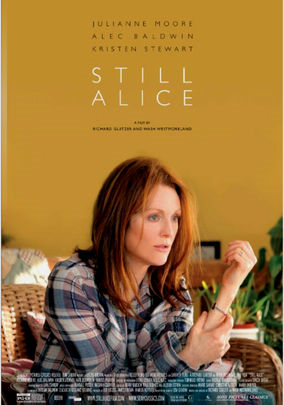
Still Alice-2014

Still Alice-2014

Director Richard Glatzer, Wash Westmoreland

Starring Julianne Moore, Alec Baldwin

Scott’s Review #224

untitled

Reviewed February 26, 2015

Grade: B+

Still Alice (2014) tells the story of a highly educated college professor who, at the young age of fifty, is afflicted with early-onset Alzheimer’s disease.

She wrestles with, not only the gloomy diagnosis but also the emotional effects of the disease and what effects they will have on her husband and three grown children.

Also explored are the hereditary aspects of the illness and the effects on the offspring of the inflicted person.

The film has a calm demeanor but is heartbreaking and a downer.

Alice Howland has always achieved success, she is a linguistics professor at the esteemed Columbia University in Manhattan and has a seemingly idyllic life. She lives an affluent lifestyle and has three grown, well-adjusted children.

Alec Baldwin plays John Howland and Kristen Stewart plays the most predominantly featured daughter, Lydia.

These points of perfection make the story and her gradual decline all the more tragic to watch. We root for Alice because she is an ideal character- kind, loving, and the perfect mother and wife.

How could a thing like this happen to her? When she goes for a jog near her campus and suddenly does not recognize her surroundings or where she is, the audience shares Alice’s confusion.

The primary reason to watch the film is for the astounding performance that Julianne Moore gives, as Alice. The film borders on a good Lifetime television movie, albeit, much better than that and arguably in the same vein.

The acting sets this one above the mediocre largely due to Moore- with a lesser actress, I ponder how the film would have succeeded.

The tender scenes are wonderful. When Alice wets her pants, the audience also feels her humiliation. When she breaks down in fear and anxiety we do the same with her.

The supporting cast also deserves praise, specifically Baldwin and Stewart. While not entirely fleshed out characters, their lending of support to their wife and mother respectively makes the characters themselves sympathetic and likable.

An important scene in an ice-cream parlor late in the film when John asks Alice if she “really wants to be here” is misunderstood by Alice making the importance of what he is asking even more profound.

A scene where a coherent Alice, early in her diagnosis, leaves instructions for herself via video, to be seen when she is further along in her illness, is suspenseful and left me rooting for the result to be one way, which could be interpreted as drastic, and left me conflicted.

Masterfully done.

My only criticism is that despite the subject matter of Alzheimer’s disease which is devastating and life-altering not only for the victim but for the family, the film has a safe feel to it.

I would have liked darker, grittier moments throughout the film to make it even more effective.

Not a happily ever after story, bleaker moments might have prevailed. And, centered on Moore, it also might have been interesting to explore more of the effects the family has and will go through, especially Baldwin’s John.

His character and Lydia could have been explored more deeply instead of merely supporting and comforting Alice.

Still Alice (2014) is worth seeing if only for the performance of Julianne Moore, a talented actress doing a brilliant job in the title role.

Oscar Nominations: 1 win-Best Actress-Julianne Moore (won)

Independent Spirit Award Nominations: 1 win-Best Female Lead-Julianne Moore (won)

American Sniper-2014

American Sniper-2014

Director Clint Eastwood

Starring Bradley Cooper, Sienna Miller

Scott’s Review #223

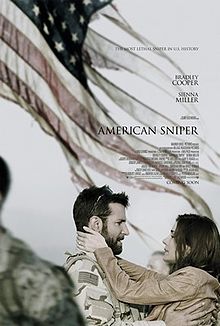
American_Sniper_poster

Reviewed February 22, 2015

Grade: A-

American Sniper (2014), directed by Clint Eastwood, is a war film told from the viewpoint of a soldier- or a sniper.

A character study if you will.

Starring Bradley Cooper as Chris Kyle, deemed the deadliest marksman in U.S. military history, he has 255 kills. The film begins pre-9/11 as Kyle views coverage of the 1998 U.S. Embassy attacks and enlists in a grueling training program to become a Navy Seal sniper.

Flashbacks reveal Kyle as a child being taught to hunt deer and shoot a rifle by his demanding father. He is eventually sent to Iraq following the 9/11 terror attacks and the film continues to showcase Kyle’s military career and multiple tours of duty ending years later.

His wife Taya is played by Sienna Miller.

I am not sure the bevy of controversy that American Sniper has stirred is warranted. I see the film simply as a very good mainstream, action movie. Yes, it does have the overdone Americana machismo and Texas swagger, but it is an Eastwood film! This masculinity is at the heart of many of his films.

I do not view the film as politically charged.

The film leans neither Republican nor Democratic and seems to take a middle-of-the-road viewpoint.

It is a tale of a war hero, but it questions the wars fought and the casualties involved both American and otherwise. Sure, Kyle is a good ole, red-blooded American, but as he and Taya watch the 9/11 attacks on television, they are watching CNN, not Fox News.

His close military buddy asks “Why are we here?” referring to Afghanistan- there is inference by Eastwood to question what this is all about.

I hope audiences keep this in mind.

One concern I do face as I ponder the film is whether American Sniper will send some audience members back to a time when the world was fearful of Muslims and at risk of the recent ISIS terror situations, I hope that people are smart enough to realize that NOT all Muslims are terrorists.

It is only a minuscule portion that is evilly inspired.

The major terrorist in American Sniper, known simply as The Butcher, is despicable, but plenty of other Muslims are innocent and victims of The Butcher’s brutality.

I love how the film has depth. Cooper is as resilient as the troubled sniper. He is portrayed as human, a nice, all-American guy. He wrestles with the choice of shooting a woman and a young boy who died at the risk of them carrying a bomb and killing members of his squad- he does not want to kill them, but rather is excellent at his job.

He is a perfect shot.

In the heat of the moment, under extreme pressure, he must ask himself, “Should I pull the trigger and end their lives”? “what if they are innocent pedestrians?”.

He becomes, in a sense, addicted to his duty of going overseas to Iraq and Afghanistan and justifies his service as “protecting Americans”.

This leads to a troubled personal life as Taya becomes frustrated with his frequent tours of duty, which he readily chooses to do. He suffers from Post-Traumatic Stress disorder but refuses to acknowledge this. He almost kills the family dog in a fit of uncontrolled rage; he temporarily confuses sounds from an auto shop as military warfare.

My admiration for the acting ability of Bradley Cooper increases with each role I see him in. He is a marvel. From recent dynamic performances in American Hustle (2013) and The Place Beyond the Pines (2012) to this role, I am convinced he can play any part successfully and convincingly.

He has sure come a long way from The Hangover (2009).

American Sniper (2014) is an enormously creative and commercial success and deserves to be. Layered, and character-driven, it is worlds above the typical male-driven action film.

Oscar Nominations: 1 win-Best Picture, Best Actor-Bradley Cooper, Best Adapted Screenplay, Best Sound Editing (won), Best Sound Mixing, Best Film Editing

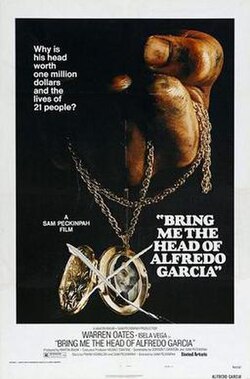
Bring Me the Head of Alfredo Garcia-1974

Bring Me the Head of Alfredo Garcia-1974

Director Sam Peckinpah

Starring Warren Oates, Isela Vega

Scott’s Review #222

Reviewed February 20, 2015

Grade: B+

Bring Me the Head of Alfredo Garcia is a 1974 Mexican cult action film directed by Sam Peckinpah that influenced famed modern movie director Quentin Tarantino in multiple ways.

The film itself is violent, bloody, and traditionally Peckinpah in tone and look, similar to his other films (Straw Dogs from 1971 and The Wild Bunch from 1967).

The premise of the film is intriguing- a powerful man known simply as “The Boss” turns furious and places a bounty on the head of the man who impregnated his daughter, whom he, by the way, tortures to garner this information out of.

He offers the enormous sum of 1 million dollars to the person who can “bring him the head of Alfredo Garcia”.

From this point, the action centers mostly on Bennie, a retired military officer intrigued by the bounty on offer.

Bennie, along with his prostitute girlfriend, Elita, traverses the lands of Mexico in search of Alfredo Garcia, whether he is already dead or still alive, which is a mysterious and fun element of the film.

I have a tough time taking the film too seriously as much as I enjoyed it- it seems an action farce and, without giving too much away, the scenes involving the carrying of a severed head, arguably the lead character, are as much comical as ghastly.

The illustrious lighting is a major focal point, especially during the outdoor scenes and specifically the nighttime desert scenes, when two bikers almost rape Elita. The moonlight radiates onscreen.

Elita’s character is a fascinating to me. On the one hand, she is an aging prostitute madly in love with Bennie and intrigued by a life with him, living off their spoils. However, she almost enjoys the sexual experience with one of the bikers, played wonderfully by Kris Kristofferson, despite being roughed up by him.

The scene, while certainly violent, is, in a way, almost tender as the biker and Elita realize their attraction for one another. It’s a surreal scene and has almost a sense of clarity for both characters. Are they in lust?

Peckinpah women are traditionally not treated well, but Elita is an exception.

The Tarantino influence is undeniable- the mixture of humor amid violence- a severed head being treated as a comical prop, is immeasurable in comparison to later Tarantino films such as the Kill Bill chapters.

Daring and pure genius, the film has a dark tone but does not take itself too seriously, avoiding melodrama or overwroughtness.

It is only a film and has fun with that fact. It tries to be nothing more and embraces being bizarre.

Tarantino films are like Peckinpah films, just made 20-30 years apart.

Bring Me the Head of Alfredo Garcia has evolved into a cult classic after flopping commercially and critically in 1974.

How wonderful when a gem is rediscovered and laden with influence, in this case as much stylistically as otherwise.

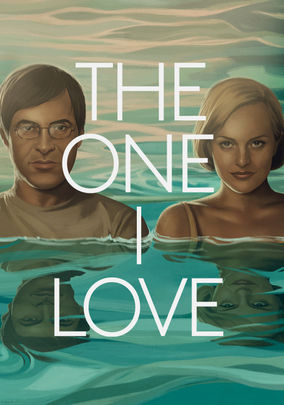
The One I Love-2014

The One I Love-2014

Director Charlie McDowell

Starring Mark Duplass, Elisabeth Moss

Scott’s Review #221

70299863

Reviewed February 18, 2015

Grade: C+

Reminiscent of a modern-day Twilight Zone episode, The One I Love (2014) tells the story of a young married couple (Ethan and Sophie), played by Mark Duplass and Elisabeth Moss, who seek the assistance of a therapist, played by Ted Danson.

The therapist realizes the couple is out of sync and recommends a weekend away. The therapist has an excellent reputation for rekindling faltering marriages and turning them into successful ones.

He sends them to a sunny, beachfront house with a guest house, pool, and various trails along the water. It is simply a paradise.

I admire the creativity of the screenplay.

The couple meets their ideal, perfect versions of each other while basking at the vacation house. Ethan’s alter-ego is suave, athletic, and sensitive to Sophie’s needs while Sophie’s is sexy, flirtatious, and invested in Ethan’s life.

The real versions are bored, lazy, and a bit disheveled.

The flaws they once saw in each other are replaced with the perfect spouses. It is fantasy-like. As one half of the couple slowly falls in love with the fantasy version, the other half begins to get jealous and the film dives into a tale of who winds up with whom.

But is it a fantasy? Are the perfect versions real people or something reminiscent of Invasion of the Body Snatchers?

It is tough to know the intentions of the film.

A weakness I felt the film has is it plods too much. At a brief ninety minutes, the film somehow has a sleepy, slow-moving undertone and could have easily been a short film or wrapped up within forty-five or fifty minutes.

I did not feel the chemistry between Duplass and Moss as strongly as I would have liked. Individually fine actors, the spark did not ignite for me.

I wish Ted Danson had a larger role. The focal point was the young couple, but the mysteriousness surrounding the paradise was never really explained and Danson’s character could have been the key to the story. Did he contrive the entire situation? Was it fantasy? His brief part left many plot holes unexplained.

The One I Love (2014) is a creative effort and an imaginative angle, but I wanted more clarity than I was served up.

The film is mysterious, yes, but also confusing and slightly dull and uneven.

Independent Spirit Award Nominations: Best First Screenplay

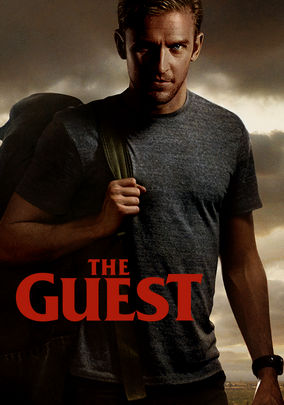
The Guest-2014

The Guest-2014

Director Adam Wingard

Starring Dan Stevens

Scott’s Review #220

70300664

Reviewed February 7, 2015

Grade: C-

The Guest is a thriller from 2014 that can, perhaps, be classified under the adage “it’s so bad that it’s good”, though as I pondered writing this review, that could be a bit of a stretch.

As poor as the film is, there is something that I slightly enjoyed about it.

The premise is simple. A Midwestern family, the Peterson’s, is suddenly visited by a veteran soldier, named David, who claims to be a friend of the parent’s deceased son Caleb. David easily insinuates himself into their lives and the Petersons extend an invitation for him to stay a few days to rehash details about Caleb.

The family is middle-class, yet struggling financially, and consists of a mother and father, a college-aged daughter named Anna, the actress eerily resembling a young Gwen Stefani, and a bullied, timid, high school-aged son named Luke.

From the get-go, something is off with David, but his motives are unclear to the audience.

The issues with the film are aplenty.

For starters, the acting is rather poor. The most notable actors in the film are Dan Stevens (Downton Abbey) and Sheila Kelley (L.A. Law) and a collection of unknowns.

Stevens and Kelley give better performances, and I particularly thought Stevens very believable in a role opposite of his Downton Abbey alter ego.

The rest of the cast is wooden and un-compelling.

The weakest parts of The Guest are the inane plot points and the 1980s-style soundtrack. Were the filmmakers going for a retro throwback? The film is set in present times so this aspect remains a mystery.

The story starts interestingly. Is it a Fatal Attraction (1987) type of film? What is David’s motive? What was his relationship with the deceased Caleb? Does he intend to help or harm the family?

The reveal towards the end of the film is implausible, ridiculous, and disappointing. Without giving too much away, the government plays a large role in the meat of the film and it does little to provoke sympathy for any of the characters, only eliciting further confusion.

The attempted (and botched) love story between David and Anna does not work. They have little chemistry and the rooting value is not there especially as he picks up her drunken best friend at a party.

Is the audience supposed to root for David and Anna or is it merely a weak sub-plot to the thrill aspect of the film? I suspect the latter.

Despite all of these negatives, I did not despise the film as it trucked along- rather, I found it to be more of a mess than anything else.

It is not a good film, but there is something slightly appealing about it. Some of the death scenes are well done and the budding friendship between David and the bullied son is rather sweet.

The son is enamored with the strong, masculine David, and David, in turn, serves as a protector, humiliating the bullies who gave the kid a black eye. The film does not delve into a sexual angle regarding this but is a bond that is cheerful to see. It has a nice, warm element.

Another impressive point of The Guest is that it ends with a surprise that leaves room for a sequel. However, due to the success that the film did not achieve, I doubt a sequel will ever see the light of day.

A poorly written, weak-acted film, The Guest (2014) has moments of interest but fails miserably at providing a strong viewing experience.

By the end, I still had no idea of the main character’s motivations which is a huge problem.

Confusing and convoluted are the adjectives best to describe this film.

Independent Spirit Award Nominations: Best Editing

Boyhood-2014

Boyhood-2014

Director Richard Linklater

Starring Ellar Coltrane, Ethan Hawke

Scott’s Review #217

70301281

Reviewed January 19, 2015

Grade: A

Boyhood (2014) is a family drama directed by Richard Linklater that tells the story of a family’s trials and tribulations over twelve years, ranging from approximately 2002-2013.

The film uses the same actors over the entire period, enabling the viewer to see the characters change. What a novel idea! In this day and age of special effects, superheroes, and animated animals, how refreshing to see a simple tale of a family told over a while.

The film’s main character is Mason Evans, Jr. played by Ellar Coltrane.

We are introduced to Mason when he is six years old and in the first grade. He lives with his older sister Samantha, played by the director’s daughter Lorelei Linklater, and his mother Olivia, played by Patricia Arquette, in Texas.

Ethan Hawke, divorced from Olivia plays Mason’s father (Mason Sr.).

As the years go by we see situations arise and the characters grow and develop like real life.

After the film, Mason Jr. is headed off to college following years of life experience including his first relationship. The other characters develop and we see Olivia and Mason Sr. delve into relationships with partners, some successful, others less successful.

Boyhood succeeds because it is a film about real life that feels like a slice of Americana.

It’s a wonderful film.

The audience invests in the characters because we grow to love and care about their lives. It is comparable to seeing cousins or friends once a year and seeing what becomes of their lives over time.

This film fascinates me because it is so basic and real that it does not need contrived dramatic situations to warrant attention. It is simply authentic and that is what makes a great film.

The film is left-leaning politically speaking and I love that current events are brought up throughout the years by the family members.

As the film progresses we are treated to Mason Sr. commenting on his distaste of the Iraq war, the children’s anticipation of the new Harry Potter film, Mason Sr. taking the kids to a Houston Astros game, and The Beatles and Star Wars are mentioned.

Another scene sadly focuses on a returning soldier from Iraq who suffers from Post-traumatic stress disorder. These nuances make the film seem so authentic and rich.

As wonderful a job as Patricia Arquette and Ethan Hawke did neither of them had a huge, bombastic, emotional scene which would have been splendid given the talents of each, but this is a small criticism.

Both are superb as struggling parents trying to do the right thing for their children and carve out a life for themselves.

Boyhood redefines realism in the film as we see a family unit hope, struggle, and dream as it’s played out before our eyes.

The film does not need overwrought dramatics as it is simply a slice of the life of a group of people we come to know and love.

Everyone can relate to Boyhood (2014).

Oscar Nominations: 1 win-Best Picture, Best Director-Richard Linklater, Best Supporting Actor-Ethan Hawke, Best Supporting Actress-Patricia Arquette (won), Best Original Screenplay, Best Film Editing

Independent Spirit Award Nominations: 2 wins-Best Feature, Best Director-Richard Linklater (won), Best Supporting Male-Ethan Hawke, Best Supporting Female-Patricia Arquette (won), Best Editing

Big Eyes-2014

Big Eyes-2014

Director Tim Burton

Starring Amy Adams, Christoph Waltz

Scott’s Review #216

70095129

Reviewed January 18, 2015

Grade: B

Big Eyes (2014) tells the true story of Margaret Keane, a talented artist, famous for the “big eyes” waif collection, whose husband manipulated her and took credit for her works during the 1950s and 1960s.

A con artist, he passed himself off as a talented artist, but in truth, he scammed other artists and had no artistic talent of his own.

He was also mentally unstable.

Due to his charisma and ability to wine and dine, with influential people, combined with his marketing talents, he made millions in profits from his wife’s art.

Amy Adams and Christoph Waltz portray Margaret and Walter Keane.

Tim Burton directs the film.

Adams and Waltz are the main appeals in this film. They share tremendous chemistry, when they are courting one another and subsequently when they despise each other and fight a bitter divorce battle in court over the rights to Margaret’s paintings.

I love Christoph Waltz in whatever he appears in as his charisma and acting ability astound me.

Adams is quite effective and believable as the passive, loyal, and talented Margaret Keane.

As compelling performance as Adams gives, one issue with the film is that I did not feel as sympathetic towards Margaret Keane as the film probably intended.

I like the character very much and was rooting for her in the courthouse scenes to be awarded rights to her paintings and cheered when she escaped to Hawaii with her daughter to begin a new life.

But, she willingly went along with her husband’s plot, as they both decided a female artist would not sell like a man could (it was the 1950s), and they made millions from her art. They lived in a gorgeous house, had wonderful dinners, and were able to maintain an extravagant lifestyle- not so bad.

It was not as if Walter stole all of her money and left her homeless. She enjoyed a nice lifestyle.

So, my sympathy for her was affected.

A positive of Big Eyes is how Margaret continues to uncover Walter’s deceptions. She first learns he has taken credit for her work then finds out that he is not even an artist and has conned another painter into giving Walter credit for their work.

The buildup to these reveals is excellent.

The film is a change of pace for Tim Burton. Big Eyes is not a dark film and is quite bright and colorful. Some interesting sets and art direction are similar to his other works- Edward Scissorhands and Beetlejuice.

Big Eyes (2014) is an enjoyable film largely made successful by the talents and appeal of its two stars.

Independent Spirit Award Nominations: Best Screenplay

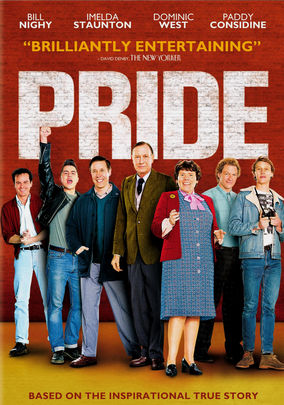
Pride-2014

Pride-2014

Director Matthew Warchus

Starring Bill Nighy, Imelda Staunton

Scott’s Review #215

80013480

Reviewed January 17, 2015

Grade: B-

Pride (2014), based on a true story, deserves props for delivering a nice message about inclusion and groups of vastly different people coming together as human beings.

While it’s a nice film, the filmmakers play it a bit too safe and it has a definite formulaic feel to it.

Surely, the real story of Pride was not as simplistic as this film felt at times.

The setting is 1984 England. A group of British miners goes on strike over wages. A group named Lesbians and Gays Support the Miners made up of gay men and women developed an interest in the strike and decided to help the miners and families.

Why they decided to take on this cause is not fully explained. The National Union of Mineworkers is hesitant to accept funds as they worry about the publicity caused by a group thought to be perverts.

The film is riddled with clichés- the macho miners resist the help from the gays, many of whom are portrayed as effeminate. The characters who are lesbians look as though the filmmakers wanted to “butch them up”, thereby overdoing the stereotype.

There is a subplot of one gay young man who has not come out to his parents, a well-to-do, pretentious couple. When inevitably the truth is revealed, the parents are angry and turn their backs on the teen.

He leaves home to join the gays and lesbians who accept him into their lives with open arms.

The female head of the committee is homophobic and vows to do everything in her power to make sure the gay and lesbian group does not succeed in aligning with the miners.

These clichés seemed way too overdone to make the film more dramatic. Some of the characters, therefore, come across as one-dimensional.

Even the story revolving around a character with AIDS seems watered down and soft.

On the plus side, casting the brilliant Imelda Staunton as the sympathetic, maternal, Hefina is a plus.

A huge supporter of gays and lesbians she comically befriends all of them and is curious about their lifestyles. Bill Nighy is also excellent as Cliff, the older miner who turns out to be gay.

Margaret Thatcher, Prime Minister at the time, is presented as greedy and selfish with little regard or use for the miners or labor unions.

Pride (2014) is an earnest, sentimental, feel-good film that deserves adoration for the coming together of different communities.

I would have liked to see more risks taken by the film.

The Imitation Game-2014

The Imitation Game-2014

Director Morten Tyldum

Starring Benedict Cumberbatch, Keira Knightley

Scott’s Review #213

70295172

Reviewed January 15, 2015

Grade: A

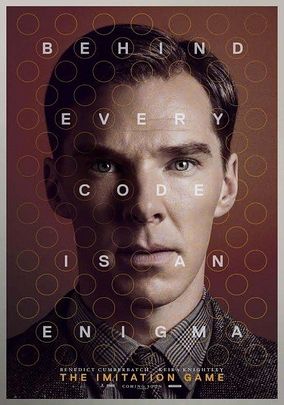
The Imitation Game (2014) tells the story of Alan Turing, a confident and brilliant British mathematician who was responsible for cracking Nazi Germany’s Enigma code, which led to the Allied forces winning World War II.

The film also delves into Turing’s complex and sad personal life and the audience grows to know his upbringing largely told via flashbacks as a small boy at boarding school.

The film is tragic yet wonderfully made and is a powerful viewing experience in human storytelling.

The film has two aspects going on. The first is the hiring of Turing by the Government Code and Cypher School at Bletchley Park to crack the code and the numerous struggles faced in accomplishing this feat.

Turing is not easy-going. He is arrogant, quick-witted, and even smug. However, through his friendship with Joan (Keira Knightley), an intelligent woman on the team of scholars, we see a human side to him as they forge a lifelong bond.

The other is of his personal life which is a bit more mysterious and comes into play during the second half. Keeping a secret about his personal life, he is homosexual, which in the time the film is set (1940’s England), is illegal.

Alan and Joan agree to marry, in large part to appease her parents, but circumstances change these plans.

Benedict Cumberbatch, who portrays Turning, deserves praise for his impressive portrayal. He successfully gives depth and a wide range of emotions to the character.

He begins as a self-centered man but becomes layered, guarded, and protective due to his private life of which he is forced to hide a great deal.

Keira Knightley’s character supports Cumberbatch’s character of Alan as she becomes engaged to him and later in life becomes his biggest champion. Her character, besides being quite intelligent, is also kind and giving.

The ending will give the viewer many tears and cause to think of the enormity of World War II in terms of the vast amount of casualties. The facts listed just before the credits roll are awe-inspiring and gut-wrenching.

The Imitation Game is not a war movie per se since it does not deal with battle scenes. It is more of a drama dealing with the effects of war. Many figures are presented and some characters are affected.

For instance, in one scene, the group (led by Turing) must make a heartbreaking decision not to stop an impending attack, which will cause many deaths- including a character’s brother- instead of choosing to keep mum to save thousands more.

It is a powerful scene.

The Imitation Game (2014) successfully and heartbreakingly tells the story of a heroic figure who received no accolades while living, instead of being ostracized, and not until posthumously, did he receive his due.

Sadly, this was too little too late.

Oscar Nominations: 1 win-Best Picture, Best Director-Morten Tyldum, Best Actor-Benedict Cumberbatch, Best Supporting Actress-Keira Knightley, Best Adapted Screenplay (won), Best Original Score, Best Production Design, Best Film Editing

Foxcatcher-2014

Foxcatcher-2014

Director Bennett Miller

Starring Steve Carell, Channing Tatum, Mark Ruffalo

Scott’s Review #210

220px-Foxcatcher_First_Teaser_Poster

Reviewed January 2, 2015

Grade: A

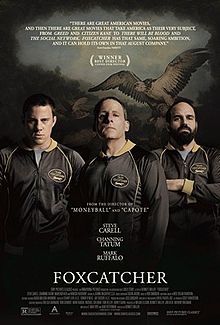
Foxcatcher (2014) is a dark, disturbing, psychological thriller that achieves greatness based on its bleak look and great acting.

It is a superb character-driven story, based on true events, led by the talents of actors Steve Carrell, Channing Tatum, and Mark Ruffalo, each of whom is excellent.

It is a sports film, but hardly predictable as many in this genre typically are.

The film is set in 1987. Brothers Mark and Dave Schultz (Tatum and Ruffalo respectively) are former Olympic gold medal-winning wrestlers attempting to compete in the upcoming 1988 Olympic competitions.

Despite winning a gold medal, Mark (Tatum) lives in squalor and is reduced to giving pep rallies at elementary schools, meant to be done by Dave (Ruffalo), for very little money. Dave is the more successful brother, a family man living a happy existence.

He is more talented than Mark and very driven.

One day Mark is contacted by wealthy philanthropist John du Pont (Carrell) and invited to live with him at his expansive estate in Pennsylvania and train with other aspiring Olympic wrestlers.

John’s attempts at wooing Dave as well initially fail.

From this point in the story, the film delves into psychologically dark territory, mainly the controlling, disturbing behavior of John, as he attempts to control Mark and woo Dave.

John has a damaged relationship with his mother, Jean, wonderfully played by Vanessa Redgrave. Jean feels that John’s obsession with the wrestling world is far beneath him and their relationship is tense and unloving.

The three principal actors involved in the film are worthy of discussion as the film would not be as complex or compelling.

Let’s begin with Channing Tatum- known primarily as a hunky movie star with questionable acting ability, he proves the naysayers wrong.

I cannot help but compare him to a younger Brad Pitt. It took years and many films for him to be recognized as more than a pretty face and abs to die for.

His performance is understated and calm, but nuanced in his laid-back demeanor. Sometimes anger bubbles under the surface.

Carrell is downright creepy as the affluent yet insecure Du Pont.

Throughout the film, the character seems off. Known mostly for silly comedies he is a breakout performance that, I hope, leads to similar meaty roles. Carrell shows he has what it takes to appear in quality films.

Lastly, Mark Ruffalo, who always plays interesting, everyman-type characters, again emits much emotion from his character of Dave Schultz, a successful, driven, athlete who is also a dedicated husband and father.

With lesser casting, Foxcatcher would not have been as interesting.

Questions at the end of the film will arise. What were John du Pont’s motivations? What effect did his mother have on his actions? How could a man with all his power and wealth end up this sad? Were there inappropriate sexual overtures made towards the wrestlers by John?

Foxcatcher (2014) excels at portraying a dark, layered, moody, true story and teaches that wealth does not equate to happiness and in many instances, quite the contrary occurs.

The film is an immense success.

Oscar Nominations: Best Director-Bennett Miller, Best Actor-Steve Carell, Best Supporting Actor-Mark Ruffalo, Best Original Screenplay, Best Makeup and Hairstyling

Independent Spirit Award Nominations: 1 win-Special Distinction Award (won)

Heathers-1989

Heathers-1989

Director Michael Lehman

Starring Winona Ryder, Christian Slater

Scott’s Review #207

580335

Reviewed December 25, 2014

Grade: B

My gut tells me that Heathers was quite controversial and influential upon release in 1989 and has sustained a cult following that continues to this day, 2014.

Having seen the film only once in 2014, I found it good, but it now suffers from a slightly dated look and feel. Still, it is a brave and unique expression of creativity.

It is a film that sends the message that the popular kids are bad and that the meek shall inherit the earth.

The uncool kids will rise.

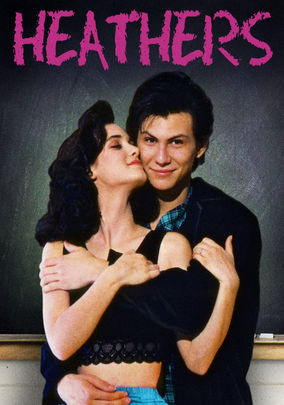
To summarize the plot, Heathers is told from the perspective of high school student Veronica Sawyer, played by a young Winona Ryder. She is a second-tier popular girl- she is lieutenant to the generals, if you will.

The school is run by three popular girls named Heather. As popular as they are, they are also despised and feared by the other students, but carry great influence.

They enjoy playing cruel jokes on other students and ridiculing anyone beneath them.

A rebellious male student, J.D., played by Christian Slater, befriends Veronica, and they hatch a plan to destroy the popular clique, including another pair of popular jocks.

Shannon Doherty plays the second-in-command, Heather.

The tone of Heather’s is surreal and dream-like. For example, in the opening scene, all three Heathers- along with Veronica- are on a perfectly manicured lawn in the suburbs playing croquet.

The hierarchy is established when Veronica is buried up to her neck and becomes the target of the croquet balls, making her, without question, the lowest of the four girls.

Whether or not this is a dream or real is unclear.

The film is well-written and edgy. It reminds me, at times, of The Ice Storm (1997) and American Beauty (1999), which Heathers preceded and are, in my opinion, superior.

Heathers is a teen angst film and quite dark at times- the various deaths are committed viciously (drain cleaner poisoning, concocting a setup for the jocks to appear to be having a love affair with each other, and then passionately shooting each other), but with sly wit and humor.

Veronica is, at heart, a good girl, albeit misguided and heavily influenced by J.D., but her intentions of having a fair, just school society are noble. The character is likable.

All the parents are hilariously portrayed as buffoons and have no idea of the darkness that exists in their kids’ lives- Veronica’s parents in particular.

Fearing that Veronica has committed or soon will attempt suicide, they fret that it is their fault stemming from childhood negligence; however, their concern has more to do with themselves than with Veronica’s well-being.

Small gripes about the film are the 1980s-style outfits and hairstyles, which, since they were made in the 1980s, are not a particular fault of the film, though it does contain a slightly dated feel while watching in the present.

Also, Christian Slater mimicking Jack Nicholson’s voice is odd- was this a decision by the film or by the actor himself? Either way, the imitation is both distracting and confusing. What is the point?

The ending of the film is a happy and satisfying conclusion- however, different from the dark tone of the rest of the movie- rumor has it that the studio had some influence in toning down the original ending.

1989 was not a stellar year for film, so Heathers deserves major props for thinking outside the box and doing something dark and creative.

Brave, inventive, and unique, Heathers is a cult classic worth a look.

Independent Spirit Award Nominees: 1 win-Best Female Lead-Winona Ryder, Best Screenplay, Best First Feature (won)

The Greatest Show on Earth-1952

The Greatest Show on Earth-1952

Director Cecil B. DeMille

Starring Charlton Heston, Betty Hutton, James Stewart

Scott’s Review #204

60034703

Reviewed December 14, 2014

Grade: B+

Considered by some critics to be one of the worst Best Picture winners of all time, The Greatest Show on Earth (1952) is quite an impressive Hollywood spectacle.

It tells the story of the world’s largest railroad circus as it launches a tour across the United States, with plenty of drama throughout.

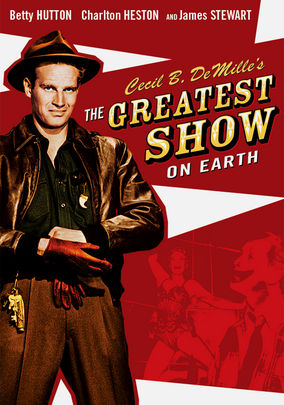
The film stars Charlton Heston, Betty Hutton, and James Stewart as the general manager, acrobat, and clown of the show, respectively.

The film used over 1,400 real Ringling Bros. and Barnum & Bailey employees and hundreds of animals in its production, giving it an authentic circus feel.

Unfortunately, the film also has a schmaltzy quality and lacks strong acting, which, surprisingly, does not bother me and, strangely enough, works in a way.

Various characters have affairs with each other or fall in and out of love rather quickly- it makes for good drama, anyway.

Of course, the main appeal is the extravagant show. While the drama sometimes takes center stage, the lavish production and actual circus events shine through.

My favorite character, and arguably the only interesting character with any depth, in The Greatest Show on Earth is Buttons the Clown, played by James Stewart.

Buttons wears his clown costume, complete with full makeup, at all times. He is kind and mysterious. We learn that he “mercy killed” his dying wife and has joined the circus for protection from the police.

A wonderful human being, he was once a Doctor and tends to anyone in the circus troupe who needs assistance. Later in the film, he plays a vital role after a tragic accident.

His heartbreaking, tender conversation with his elderly mother, whom he only sees in secret once a year for a few seconds as she tearfully and discreetly visits him in the audience, is painfully sad to watch and such a sweet scene.

The Greatest Show on Earth’s best scene by far, still impressing today, is the massive train wreck near the conclusion.

The special effects and direction in Cecil B. DeMille’s 1952 film are brilliant. The train perfectly derails one night—it collides with an oncoming train and derails, highly effective in its enormity.

The scene does not look silly.

The way all the drama comes together in this scene—Harry, the crooked midway concessionaire and vicious elephant trainer; Klaus, who is responsible for the accident; Button’s true identity being revealed; and a significant character in peril—makes it top-notch and a satisfying conclusion to the film.

The stories involving Brad, Holly, Sebastian, and Angel are soapy and melodramatic, making them the film’s weakest point.

As a viewer, I couldn’t care less which character lusted after which or who wound up in bed together, but the movie itself is a spectacle, which is my main enjoyment.

The brightness, the revelry, and the circus performances are all wonderful.

Oscar Nominations: 2 wins-Best Motion Picture (won), Best Director-Cecil B. DeMille, Best Story (won), Best Costume Design, Color, Best Film Editing

Golden Globe Nominations: 3 wins-Best Motion Picture-Drama (won), Best Director-Motion Picture-Cecil B. DeMille (won), Cinematography-Color (won)

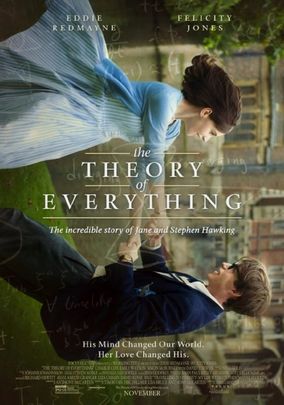
The Theory of Everything-2014

The Theory of Everything-2014

Director James Marsh

Starring Eddie Redmayne, Felicity Jones

Scott’s Review #199

80000644

Reviewed December 2, 2014

Grade: A-

The Theory of Everything (2014) tells the uplifting true story of renowned theoretical physicist Stephen Hawking (played by Eddie Redmayne) and his lifelong battle with a debilitating illness- motor neuron disease, which he was diagnosed with in college.

He and his future wife, literature student Jane Wilde (played by Felicity Jones), meet in 1963 at the prestigious Cambridge University in England and fall madly in love.

From this point, the film focuses on their life-long love affair and Stephen’s subsequent health battles.

Redmayne is wonderful in the lead role.

Portraying a character with both speech and mobility deterioration is not an easy task, especially as the problems become worse and worse over time forcing the actor to express varying levels of disability.

Redmayne rises to the occasion with both believability and conviction making his portrayal as real as possible.

The performance fondly reminded me of another great physical performance, Daniel Day-Lewis in My Left Foot from 1989.

Redmayne is a rising star in Hollywood.

Felicity Jones is also good, though I feel many actresses could have handled the role and there is not as much meat in her part as Redmayne’s.

The remainder of the cast is British actors making the film an authentic feeling. Emily Watson, who plays Jane’s mother, shamefully receives only one scene. Was this talented actress’s role cut?

I get the sense that the filmmakers had Oscar on their minds as the film is geared towards mainstream audiences with a wholesome slant.

The film skims past the complex theories and mathematical aspects and focuses more on the inspirational tale of a person overcoming an immense challenge.

Furthermore, the subsequent quadrangle between Hawking, Jane, Jane’s choir leader (Jonathan), and Hawking’s nurse (Elaine) are toned down and safe from what transpired. Hawking’s family accused his nurse of abusing him which is never mentioned in the film.

The film presents their relationship as wonderful, so clearly, some facts have been softened or omitted altogether, an example of how the film goes for a moral feel.

The situation involving the four real-life characters is messy, but the film makes it seem sweet. Presumably, this is because all the characters are still alive.

This is an interesting aspect of the film and is not necessarily a criticism as much as a perception. Many films embellish reality for entertainment value.

The pairing of Jane and Jonathan seemed inevitable from the moment they met. They had much in common (religion), whereas Stephen and Jane were complete opposites- she was catholic, he was atheist.

The sexual chemistry between Stephen and Elaine was evident when they met. Elaine’s energetic sexiness perfectly contrasts with Jane’s at that point in the film- haggardness and weariness.

The film is not designed to be a downer as it could have been. The focus might have been more sadder than it was. Rather, it is sentimental and empowering.

The Theory of Everything (2014) is a heartwarming, conventional, human story about a man rising above adversity, and at the center of the film is one dynamic performance by Eddie Redmayne.

Oscar Nominations: 1 win-Best Picture, Best Actor-Eddie Redmayne (won), Best Actress-Felicity Jones, Best Adapted Screenplay, Best Original Score

The Normal Heart-2014

The Normal Heart-2014

Director Ryan Murphy

Starring Mark Ruffalo, Matt Bomer

Scott’s Review #198

70302186

Reviewed December 1, 2014

Grade: B+

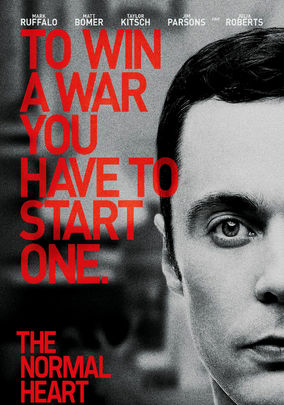
The Normal Heart is a 2014 HBO television movie based on the true story of Ned Weeks, an openly gay AIDS activist/writer, played by Mark Ruffalo.

The film is set during the period when the epidemic first surfaced, from 1981-1984, and the challenges and frustrations faced, mostly within the gay community, to bring exposure and assistance to the disease.

Weeks was famous for establishing a group of passionate members who banded together to attempt to hurdle these struggles.

The film was produced by Brad Pitt.

This is wonderful to know as films with this content (AIDS) are often tough to produce. It’s wonderful that Pitt’s wealth and influence were used effectively.

At a vastly different time in the country to be gay, the government did very little to assist with financing funding for treatment or researching a cure for it, which is the main point of the story.

The talented cast makes this film what it is.

Matt Bomer plays Ned’s closeted gay lover, Felix Turner, one of the many casualties of the deadly disease. Bomer lost forty pounds in preparation for the role.

Julia Roberts plays polio-stricken doctor, Emma Brookner, who was instrumental in helping the sick when few others within the medical community wanted to.

Other actors providing support are Alfred Molina, who plays Ned’s supportive, powerful, attorney and brother, and Joe Mantello, who has a terrific meltdown scene as his anger and anguish over the disease not being taken seriously by the government finally bubble to the surface.

Finally, Mark Ruffalo plays Ned competently, but why the slight feminization of the character? The real Ned Weeks was masculine. A needless stereotype the film (or Ruffalo) chose to pursue.

The film shows the discrimination faced by AIDS victims, from an airline pilot refusing to fly a plane carrying a sick patient, to an electrician refusing to enter a patient’s hospital room to fix a television set.

This is sad when one realizes how ridiculous these unfounded fears proved to be.

According to the film’s statistics, a major point of the film is how the United States Government, specifically President Reagan, did very little in the way of funding or even wanting to discuss the issue for years following the initial outbreak, resulting in thousands of lost lives.

And why exactly is Reagan considered a great President?

It makes one ponder. It was only due to beloved Hollywood star Rock Hudson acquiring and dying from the disease and Elizabeth Taylor using her star power to get people involved that finally led to the topic being discussed and action taken on a federal level.

My slight criticism of the film is that it looks and feels like a television movie similar in texture to Behind the Candelabra (2013), another HBO film.

The colors are bright and vivid and look television-like. could have used darker lighting and perhaps a gloomier more dower feel, especially given the subject matter involved in the story.

Otherwise, thumbs up and respect for bringing this story to millions of viewers and hopefully educating those who were not there.

Whiplash-2014

Whiplash-2014

Director Damien Chazelle

Starring Miles Teller, J.K. Simmons

Scott’s Review #192

70299275

Reviewed November 13, 2014

Grade: A

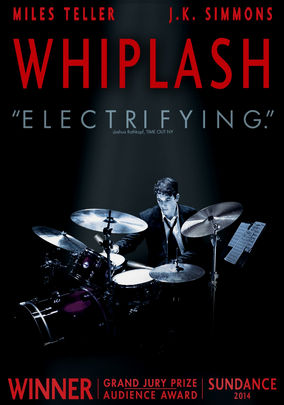
Whiplash (2014) is a film about an aspiring nineteen-year-old Jazz drummer, Andrew Neyman, played by rising star Miles Teller (known for 2013’s indie teen drama The Spectacular Now), who is attending one of the most revered musical schools in the country, the Schaffer Conservatory in New York.

He is mentored and terrorized by his intense and sometimes sadistic conductor, Terence Fletcher, portrayed by J.K. Simmons.

Andrew aspires to be the best drummer and worships Buddy Rich, a famous Jazz drummer from the 1930s and 1940s, who he constantly listens to and emulates.

While Andrew aspires to make the school orchestra that desperately needs a new drummer, he meets a cute girl, Nicole, at the concession stand of his favorite movie theater, and they bond.

Also in the mix is Andrew’s father, played by Paul Reiser. Once an aspiring writer, who never made it big, he struggles as a high school teacher. Andrew’s mother left the family when Andrew was just a toddler leaving just father and son.

The film mainly centers on the tumultuous relationship between Andrew and Terence and Andrew’s determination to be the best drummer in the world.

J.K. Simmons is mesmerizing in his role of Terence and is wonderful to see as Simmons has struggled as a character actor for years.

He gives a powerhouse performance and plows full steam ahead in his viciousness and extreme brutality towards the students, and on more than one occasion reduces a student to tears. If the tempo is not to his liking he shakes his clenched fist in disapproval.

The audience wonders if Terence is mean and sadistic or is tough on the students to make them work harder and achieve great things.

Throughout the film, I wondered if I should hate this character or sympathize with him for wanting the students to excel.

The sexuality of Fletcher is ambiguous.

He belittles and ridicules the students with fat jokes. He hatefully taunts an overweight student about Mars bars and happy meals, uses Irish digs, and inevitably gay slurs on other students, but is he hiding something in his personal life? Is he a closet case? His private life remains a mystery.

As brutal as Terence can be, there are moments of sensitivity that the character exhibits. He tearfully tells the orchestra a heartbreaking story of a former student, whom he admired, who recently died in a car accident.

In another scene, he warmly bonds with a friend’s young daughter.

As brilliant as Simmons is we must not forget to recognize the immense talent of Teller. The young actor does a fantastic job of portraying determination, drive, anger, and vengeance.

Andrew has a wonderful relationship with his dedicated father, a love/hate relationship with Terence, (are they bitter enemies or do they have the respect of a mentor/student?), and a sweet yet uneven relationship with Nicole.

He successfully portrays a myriad of different emotions throughout the film.

Paul Reiser is wonderful in an overlooked and thankless role as Andrew’s unsuccessful, yet forever faithful father.

Thankfully the film chose to center on the conductor/student dynamic. The romantic relationship with Nicole did not take center stage and usurp the main story, as I felt that the dynamic between the two was of lesser importance to the whole.

The finale, an intense concert performance scene focusing on the intensity between Terence and Andrew, is superbly done. The close-up camera shots of the two add much to the climax.

In fact, throughout Whiplash, extreme close-up shots of sweat and blood and intensity during performances and practices add to the overall rawness of the film.

Whiplash (2014) is an intense, sometimes brutal, assaulting experience, but an amazing film.

Oscar Nominations: 3 wins-Best Picture, Best Supporting Actor-J.K. Simmons (won), Best Adapted Screenplay, Best Sound Mixing (won), Best Film Editing (won)

Independent Spirit Award Nominations: 2 wins-Best Feature, Best Director-Damien Chazelle, Best Supporting Male-J.K. Simmons (won), Best Editing (won)

Scarface-1983

Scarface-1983

Director Brian De Palma

Starring Al Pacino

Scott’s Review #191

60029681

Reviewed November 13, 2014

Grade: B

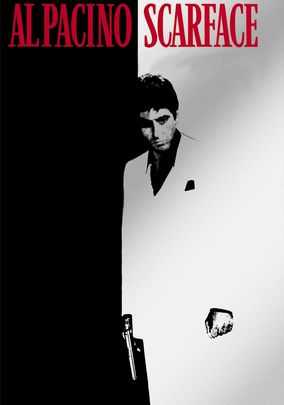
Scarface is a 1983 mob film directed by Brian De Palma and is an atypical film for the acclaimed director of several stylistic thrillers, including Dressed to Kill (1980), Sisters (1973), and Carrie (1976).

The subject matter centers on the mob and the world of drug trafficking, in this case, cocaine, a very popular, powerful drug that ran rampant throughout the 1980s.

Jealousy, greed, and deceit are common themes in Scarface, and the story focuses on a temperamental, cocky, and arrogant Cuban refugee sent to Miami by Fidel Castro a banish criminals from Cuba and ship them to the United States to survive on their own.

Tony Montana, played by Al Pacino, goes from dishwasher to crime lord by selling drugs and building an empire.

He manipulates, tricks, and makes enemies left and right, including stealing his boss’s girlfriend (Michelle Pfeiffer) and eventually falling into a troubled marriage with her.

He loves his financially struggling mother and sister, giving them money and opening a salon for his sister. Still, he also controls them, especially his sister, and is filled with rage whenever she attracts the affection of a potential suitor.

In his mind, nobody is good enough for her, and he is filled with machismo and over-protectiveness. Tony eventually self-destructs due to jealousy, rage, and heavy drug use.

I found the film overall quite compelling, but kept thinking about how much it resembles a lighter version of The Godfather (1972), Part II (1974), and Goodfellas (1990).

I am fully aware that Scarface preceded Goodfellas, but seeing it for the first time in 2014, I had this initial reaction.

I was also kept aware that it must have been influential in the creation of the popular NBC television series Miami Vice, which debuted a year or two after Scarface was released.

Elements such as crime lords, Miami Beach, and drugs mirrored the slick feel of the hit television drama, as well as its look, style, and fashion.

The performance of Al Pacino is problematic- in my view, this is not at all his best work. For starters, his accent keeps going in and out, and I found him slightly unbelievable in the role. A phenomenal actor, something about his performance did not sit well.

The musical score to the film is cheesy- almost shockingly so. Granted, this was 1983, but the silly dance beats that now seem to appear throughout now seem completely dated sporadically.

Parts of Scarface dragged a bit, however, a sudden dramatic scene (the dismembering of Tony’s friend by mobsters and Tony’s meltdown in a fancy restaurant) more than makes up for the occasional lags in drama.

Scarface (1983) is not on the level of other contemporary violent mob films, but fans of the genre will still enjoy it.

Birdman-2014

Birdman-2014

Director Alejandro G. Iñárritu

Starring Michael Keaton, Edward Norton, Emma Stone

Scott’s Review #190

80000643

Reviewed November 6, 2014

Grade: A

Birdman (2014) is a unique art film that, happily, has garnered major exposure and publicity because a movie like this runs the risk of receiving praise and notice only from the art-house crowd itself.

The film’s star, Michael Keaton, portrays Riggan Thomson, a former action hero superstar from the 1990s, who was made famous for the “Birdman” character he created.

Having made sequels to the film, his career has since dried up and he hopes to establish credibility and prove himself a real actor by writing, directing, and starring in his play.

The film is set in and around the Broadway theater in New York City.

As opening night approaches, he struggles to pull everything together and emit a successful production while faced with an injured terrible actor, a difficult actor, his insecurities, and a miserable theatre critic destined to ruin his big chance.

To make matters worse, his daughter Sam, played by Emma Stone is a recovering drug addict who hangs around the theatre distracting actors with her charm and good looks.

Naomi Watts and Edward Norton play Leslie and Mike, other cast members in the production. Watts is sympathetic as the emotional actress with a heart of gold who finally has her dream of performing on Broadway realized.

Norton, outstanding as Mike, is blunt yet socially awkward and can only perform truthfully on stage.

Keaton is simply a marvel as he plays a dark and vulnerable man. He hates and wishes to shed his ridiculous movie persona of yesteryear and secretly cringes when recognized by fans. He uses it with a voice inside his head when he played “Birdman” years earlier.

The uniqueness of the film is the use of what seems like one long take as the action rarely stops and is ongoing. The film belongs to Keaton, who wonderfully relays vulnerability, pain, and fear within with an outward persona of bravery and masculinity.

Throughout the film I wondered, is Riggan suicidal? What is real and what is imagined? Are certain scenes foreshadowing later events?

The film has much depth.

One marvels at how art imitates life, is Keaton portraying himself? He was the original Batman in the successful superhero franchise beginning in 1989 and his career tanked shortly after.

Birdman is a comeback film for him and he is devastatingly good.

Norton’s character Mike impressed me. He is blunt flawed, scared, and addicted to the stage.

Stone has one particularly brilliant scene as she lambasts her father and with regret, later on, tells him that the world has moved on without him and that he is irrelevant just like everyone else. It is a powerful scene.

In another, Riggan is locked outside the theater during the performance, clad only in his underwear. How on earth will he return to the stage and complete the show? The quick slights at current Hollywood superstars playing superheroes, specifically Robert Downey Jr. are deliciously naughty.

It is impossible to predict what will come next and the film is very New York theater style. Keaton’s run-in with a theater critic in a cocktail bar is the best scene in the film as the critic’s vicious critique of “You’re a celebrity, not an actor” resonates with both pain and tremendous anger for Riggan.

Riggan is a sensitive, struggling man and Keaton so wonderfully shows his vulnerability in every scene.

Oscar Nominations: 4 wins-Best Picture (won), Best Director-Alejandro G. Iñárritu (won), Best Actor-Michael Keaton, Best Supporting Actor-Edward Norton, Best Supporting Actress-Emma Stone, Best Original Screenplay (won), Best Sound Editing, Best Sound Mixing, Best Cinematography (won)

Independent Spirit Award Nominations: 3 wins-Best Feature (won), Best Director-Alejandro G. Inarritu, Best Male Lead-Michael Keaton (won), Best Supporting Male-Edward Norton, Best Supporting Female-Emma Stone, Best Cinematography (won)

Kiss of the Spider Woman-1985

Kiss of the Spider Woman-1985

Director Hector Babenco

Starring William Hurt, Raul Julia

Scott’s Review #187

60010547

Reviewed October 24, 2014

Grade: B+

1985 was not the best year for film, nor was much of the 1980s, as I think about it, but there are unique standouts, and Kiss of the Spider Woman is an unusual and artistic film.

Set in present-day South America (Brazil), two men are imprisoned for very different reasons and are cellmates in the prison where they are captives.

Complete opposites, they form an unlikely bond centered on friendship but also skirting toward romance, flirtation, and, at times, love.

Luis Molina is outwardly homosexual and extremely flamboyant and perhaps out of touch with reality as he fantasizes and describes romantic Nazi films.

He is imprisoned not only for being homosexual but also for having sex with an underage male.

The other man, Valentin Arregui, is a liberal political activist who has been beaten, tortured, and interrogated due to his revolutionary-leaning politics. He has a rough, macho edge.

On the surface, the two men have nothing in common, but due to their proximity, they forge a close bond and mutual respect as their pre-imprisonment lives are explained to each other and to the audience.

The true strength of this film is the performance, very against type, of William Hurt- the best performance of his career by a mile. He completely embodies Luis’s character in his effeminacy, yearning, pain, and obsession with escaping reality through film.

Raul Julia has the same effect, though in a completely different way, in his portrayal of Valentin.

Luis tenderly comforts Valentin, who is being poisoned by prison officials, by incorporating his stories of films into Valentin’s real life, as he yearns for his separated lover, Marta.

As Luis begins falling in love with Valentin, and one seems to be double-crossed by the other, this leads to a test of courage and dedication to each other.

The ending of the film is a sad one, dark, yet thought-provoking, and shows love, tenderness, and bravery.

My only negative about Kiss of the Spider Woman (1985) is that, at times, with the flashback structure or through Luis’s narration, it is tough to follow and figure out exactly what is going on in the story. Still, the performances of Hurt and Julia, and the chemistry between them, are the film’s major strengths.

Oscar Nominations: 1 win-Best Picture, Best Director-Hector Babenco, Best Actor-William Hurt (won), Best Screenplay Based on Material from Another Medium

Independent Spirit Award Nominations: 1 win-Best International Film (won)

Annabelle-2014

Annabelle-2014

Director John R. Leonetti

Starring Annabelle Wallis

Scott’s Review #186

80013775

Reviewed October 17, 2014 

Grade: B+

Annabelle (2014) is a classic, edge-of-your-seat, ghost story that is effective in its creepiness and element of surprise.

Set in California circa 1969, John (Ward Horton) and Mia Gordon (Annabelle Wallis) are an all-American happy young couple.

He is a Doctor and she is beautiful and pregnant with their first child. They attend church each Sunday, are friendly with the neighbors, and have a strong sense of community.

As a surprise, John bestows a life-sized doll on Mia as a present and addition to her existing collection of interesting dolls. Soon strange events begin to occur: a home invasion, a fire, a bizarre experience in an elevator, and creepy drawings by the neighbor’s children.

The film eventually dives into murkier territory when a strange, religious woman, played by Alfre Woodard, is introduced, and the film then shifts focus to spirits, taking one’s soul, and the occult.

What sets Annabelle apart from similar horror contemporaries is the power of suspense. We as the audience know something bad will happen, but we don’t know when.

Unlike many horror films that slice and dice for shock value, Annabelle does not. Rather, foreshadowing and anticipation are common within the film, making the eventual jumps scarier!

Mia’s constant use of an electric sewing machine and Mia’s attentive watching news coverage of the Manson murders are clues as to what will come next.

A scene set in the middle of the night as a home invasion takes place next door is shot exceptionally well, like Alfred Hitchcock’s Rear Window (1955), with no dialogue. What the audience sees inside the house from across the yard as violence occurs- is frightening.

Within the same scene we know the home invasion will gravitate to Gordon’s house, but when will it strike?

Another effective scene shows a seemingly innocent little girl running towards another character in a separate bedroom but turns into a maniacal fiend and the foot thudding makes this terrifying.

I found myself genuinely scared during a few scenes!

Wisely choosing to avoid the all too frequent CGI effects, Annabelle instead goes the traditional route with genuine scares harvested from the unknown and the feeling of anticipation and dread of events to come.

The fantastic musical score composed by Joseph Bishara adds to the anticipation. Annabelle is a prequel to the equally scary The Conjuring (2013). The very first scene is, in fact, the same scene from that film where two nurses explain how they obtained the doll, named Annabelle, and cannot get away from her.

The final act delves into the spiritual world of evil- a soul (presumably Mia’s or her babies) must be sacrificed to relinquish the curse put upon her by Annabelle’s original owner.

A surprising figure aids in the conclusion of this film. Annabelle (2014) is an old-school horror film done very well.

Contracted-2013

Contracted-2013

Director Eric England

Starring Najarra Townsend

Scott’s Review #184

70296585

Reviewed October 12, 2014

Grade: B-

It seems that many reviewers of Contracted (2013) are looking for a deeper meaning to the film or debating whether a particular scene was a rape or a consensual sexual act.

I looked for neither and just took the 2013 independent horror film at face value.

I don’t view the film as worth overanalyzing or digging too deep beneath the surface.

The plot is rather basic.

Samantha is a young woman on the outs with her girlfriend Nikki. She goes to a party where her friend Alice gets her drunk, and Samantha winds up talking to a handsome stranger named BJ.

Samantha agrees to have sex with him in his car, but at one point begs him to stop. It is unclear what transpires.

The next morning, Samantha wakes up feeling strange- she assumes she is hungover, but gradually her hair, teeth, and fingernails begin to fall out, and her eyes are hideously bloodshot.

Her symptoms slowly worsen as she transforms into a strange monster.

In the mix are supporting characters, Riley, who is in love with Samantha even though she is a lesbian and rebuffs all of his advances, and Samantha’s Mom, who is convinced that Samantha is using drugs again (which she is).

I did not find the film to be a metaphor for punishing women or lesbians for a one-night stand. I viewed it as a fun, Saturday late-night horror flick.

If I were to dissect the film critically, the premise is rather absurd- a young woman turning into a zombie/monster after having sexual relations with a stranger.

Silly, but I am not expecting highbrow art from this type of film. The acting, especially of the actress portraying Samantha, is below average at best, and horrid at worst.

The three central female characters (Samantha, Nikki, and Alice) are presumably all lesbians or bisexual; especially Nikki is irritated when a man dares to hit on her, as if they should magically already know she is a lesbian.

Nikki is very unlikeable. She seldom returns Samantha’s calls and keeps pushing her away.

I did not buy any of the three as lesbians- not to be stereotypical, but they each had feminine-only qualities.

The way Samantha’s mother kept insisting that Samantha was on drugs became irritating by the fifth time she brought it up.

Why did Riley pursue Samantha ad nauseam when he was aware that she was a lesbian? What is BJ’s motivation for presumably giving Samantha a drug? She was already drunk enough to have sex with him- why did he want to turn her into a monster?

This plot point is unclear.

The film is not character-driven; it is strictly plot-driven, and like most horror films, is meant to be that way. The finale is quite satisfying, as Samantha’s fate, along with her mother’s, is left up in the air.

The same cannot be said for Nikki or Alice, as both receive their just desserts.

Contracted (2013) isn’t a masterpiece, but it’s a fun little horror film to enjoy. Just don’t ask too many questions.

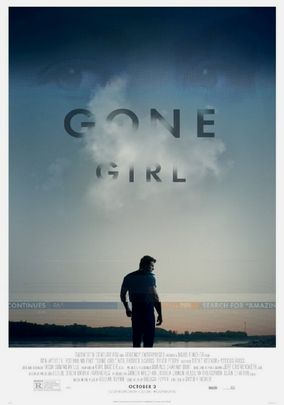
Gone Girl-2014

Gone Girl-2014

Director David Fincher

Starring Ben Affleck, Rosamund Pike

Scott’s Review #181

70305893

Reviewed October 6, 2014

Grade: A-

Gone Girl (2014), directed by dark yet mainstream filmmaker David Fincher, offers a simple premise. An affluent woman disappears without warning and a loved one is suspected of the crime.

This type of story has been done many times before in film- think Prisoners from 2013 to cite a very recent example, but what makes Gone Girl unique is its storytelling, pacing, and twists and turns aplenty.

The film is based on the best-selling novel, written by popular novelist Gillian Flynn, who also wrote the screenplay.

Ben Affleck plays Nick Dunne, a man in his 30’s, whose wife Amy, magnificently played by Rosamund Pike, mysteriously disappears, causing a media frenzy.

After clues are revealed, Nick is thought to be a sociopath and responsible for Amy’s disappearance. Nick and Amy have the perfect marriage….or so it appears. Until fairly recently Nick and Amy have lived an idyllic, well-to-do lifestyle in New York City.

Amy’s family is wealthy and writes as successful children’s authors.

Following the recession of 2010 causing both Nick and Amy to lose their jobs and all of their money, combined with Nick’s parent’s health problems, they wind up in a state of peril, and their marriage is severely tested.

They are forced to move to a small town in Missouri where Nick grew up and their lifestyle completely changes.

These facts are naturally revealed as the film progresses, via flashbacks, mostly told from Amy’s perspective, as she chronicles events by writing in her diary.

The story is so smart and layered that the audience continually asks questions throughout the film. Is Amy dead? Did she fake her death? Is Nick involved or innocent? Could Amy’s parents be involved in her disappearance? Can we trust Nick’s sister Margo? What involvement does Amy’s wealthy college sweetheart Desi Collings (Neil Patrick Harris) have?

As more of the plot is revealed new questions are asked.

Intelligently written, with twists and turns galore, after a slow start, the film is a thrill ride. The slow start is necessary to lay the groundwork of the film and it wisely keeps the audience guessing throughout.

The film seems to be a puzzle (literally and figuratively) as each layer is unraveled leading to further questions and new theories.

The film’s score is composed by Trent Reznor (Nine Inch Nails), which adds a dark, techno-gloomy feel, which increases the mood wonderfully.

The acting in Gone Girl is exceptional. Affleck is capable in the lead male role, though I did not find the part as meaty as one might think. Affleck is handsome and charismatic, though unlikeable too, and I think that is all the part requires.

The standout and breakout performance belongs to Rosamund Pike. After years of struggling in support film roles as someone’s wife or friend, Pike finally has a complex role that allows her to sink her teeth in.

Pike displays almost every emotion- kindness, anger, rage, deception, humor.

The character of Amy is nuanced and resourceful and more than one movie-goers mouth dropped open at her actions in a couple of scenes- think wine bottle and hammer for reference.

Neil Patrick Harris is dynamic in the role of Desi and brings a healthy dose of creepiness mixed with child-like sweetness.

Gone Girl features one of the most shocking scenes involving a bedroom, a box-cutter, and lots of blood.

Fincher’s setting of North Carthage, Missouri is interesting. Hardly the intelligentsia of Manhattan that Nick and Amy are accustomed to, the perfect mix of homespun kindness turned to a lynch mob of the townspeople is effectively portrayed.

The sweet neighbors, happily offering casseroles and hugs to Nick one minute, suddenly turn into sharks when detail is revealed.

The media is, almost ironically, portrayed as menacing and ready to pounce. Female reporters are played by Sela Ward and deliciously and comically played by Missi Pyle.

More than a handful of female characters are written as borderline man-hating and eager to either castrate, figuratively speaking, or bed (or both!), Nick Dunne.

Gone Girl contains a few plot holes. How could there be no recorded tapes of the goings-on at Desi’s lake house? The entire plot is so far-fetched when one decides to ponder it.

Gone Girl (2014) is a mainstream yet dark Hollywood thrill ride with a theme of dishonesty, and a film exceptionally well-written and layered.

Oscar Nominations: Best Actress-Rosamund Pike

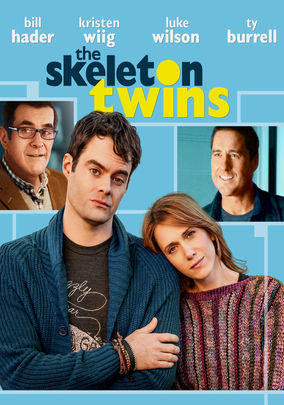
The Skeleton Twins-2014

The Skeleton Twins-2014

Director Craig Johnson

Starring Bill Hader, Kristen Wiig

Scott’s Review #179

70299272

Reviewed October 2, 2014

Grade: A-

The Skeleton Twins (2014) is a tremendous, character-driven, family drama that focuses on character development rather than standard plot devices.

The film stars Bill Hader and Kristen Wiig from Saturday Night Live, but do not be fooled based on the actors involved that The Skeleton Twins is a light comedy- it is not.

There are laugh-out-loud scenes throughout, but this is a serious story about depression, suicide, and anger, and at times, very dark.

Wiig plays Maggie, a woman in her thirties who seemingly has it all. Lance, her handsome, loyal husband, played by Luke Wilson, adores her. She has a stable job as a dental hygienist and lives a quiet, quaint life in upstate New York- seemingly enjoying a happy middle-class existence.

Hader plays Milo, Maggie’s estranged twin brother, who lives in Los Angeles and is a struggling actor with no agent, reduced to waiting tables in a lousy restaurant. Presumably, just out of a relationship, Milo attempts suicide by slitting his wrists.

Maggie flies to Los Angeles to visit Milo in the hospital and invites him to recuperate with Maggie and Lance in New York.

Having grown up as best friends, they reconnect once Milo moves in.

The Skeleton Twins is so jam-packed with interesting stories, both current and back story, that it becomes effortless to fall in love with Maggie and Milo.

When the twins were aged fourteen, their father committed suicide by jumping off a bridge, a father they were very connected to.

Their mother, played by Joanna Gleason, was a horrible mother growing up and, in present times, is a hippie involved in an interracial marriage. She awkwardly visits Maggie and Milo and attempts to heal them through meditation.

Other character history is revealed.

Milo, who is gay, was molested by his teacher when he was fifteen years old, a teacher he is still in love with, and is wonderfully played against type by Ty Burrell.

Maggie has carried on affairs with various men throughout her marriage to Lance and is secretly using birth control pills to avoid becoming pregnant. Lance happily thinks they are trying to conceive.

The characters of Milo and Maggie are incredibly layered and well-written. They are both damaged from a difficult childhood, suffer from depression, and now only have each other.

Scenes in The Skeleton Twins range from hysterical- a scene in a dentist’s office involving laughing gas rolling on the floor funny and a lip-synching scene to the hit “Nothing’s Gonna Stop Us Now”, are both wonderful.

Dramatic and shocking scenes where Milo and Maggie go at each other with gusto, dredging up childhood wounds, are brilliantly acted by Wiig and Hader.

The chemistry between Wiig and Hader is incredible and both actors are very successful at playing hysterical comedy versus dark drama, which impressed me.

Luke Wilson is great in support as the straight-laced, nice guy married to Maggie.

A slight criticism- the character of Milo is written as stereotypically gay- man-hungry and hardly a man’s man. He has trouble clearing brush because presumably, he is too girly to handle the task.

I wish more films would steer away from these stereotypes.

Ty Burrell’s character of Rich is so complex that I wish he would have been explored a bit more- being gay how can things work with his girlfriend while harboring many secrets? Is he still in love with Milo despite repeatedly pushing him away? I would have loved more depth to this complex character.

After the film, I felt the filmmakers did not go as dark as they could have, and audiences will know what I mean following the final scene.

There is no fairy tale ending ether.

Milo and Maggie are damaged goods who only have each other making for a dynamic character-rich film.

Go for Sisters-2013

Go for Sisters-2013

Director John Sayles

Starring LisaGay Hamilton, Yolonda Ross

Scott’s Review #177

70272916

Reviewed September 27, 2014

Grade: B-

Go for Sisters is a 2013 independent feature film about a female parole officer (Lisa Gay Hamilton) with a troubled, missing son named Rodney, feared to be mixed up with the murder of a drug dealer.

The film takes place in California and Mexico.

Hamilton plays Bernice, a middle-aged black woman, who has always done the right thing.

Widowed and recently dumped by a new boyfriend, she runs into ex-convict Fontayne, played by Yolonda Ross, at her parole office.

Initially wanting nothing to do with her former high school friend, Bernice decides to use Fontayne’s criminal connections to locate Rodney.

From this point, they hire retired Mexican police officer Freddy Suarez, played by Edward James Olmos, and the trio embarks on an adventure across the border of Mexico.

I love the story involving the two female leads (Hamilton and Ross) who share a Thelma and Louise-type bond.

The characters reconnect and develop independently. Straight-laced Bernice toughens up and breaks a few rules, while Fontayne, determined to go straight, struggles to keep her head above water, resisting drugs and attempting to hold down a job.

The two forge a bond based on trust, respect, and loyalty, and their friendship grows throughout the film.

One gripe about Fontayne’s character: she admits to being a lesbian but then mentions she is not sure if she is or if she is not. This sexual identity crisis seems strange- why couldn’t the film make her a lesbian? Why the hedging?

The rest of the film is mediocre to weak.

Adding Freddy to the mix is unnecessary. He adds little to the plot beyond helping the women get into Mexico and serving as male comic relief.

Either way, I didn’t find the character very interesting or care about him, and the film would have been better off without Freddy.

What was the reasoning behind making him have poor eyesight? What was the point of Freddy taking a young woman and her daughter to breakfast and realizing they were crossing the border to find her estranged husband?

Who cares? It had nothing to do with the plot.

All the audience knows about Freddy is that he is retired due to a misunderstanding, accepts money to help Bernice and Fontayne, and tags along with them for the rest of the film.

The stereotypes should have been eliminated. The Chinese dragon lady and the corrupt Mexican police officers have been played to death in films and are rather insulting to smart and serious movie-goers.

I found the plot a bit tough to follow, and I still don’t understand how or why Rodney was involved with the Chinese mob in the first place, other than to help Chinese immigrants cross the border.

Was he involved with the money, or did he just want to help immigrants cross to the United States?

The film mentions countless times how Rodney is a decent person, so what’s his motivation? The film never wholly explains why he is kidnapped and a suspect in a murder case.

Also, countless characters are introduced to help the women on their journey with some connection to the kidnap victim but are written haphazardly with no character development.

The ending of Go for Sisters (2013) is too predictable and leaves the audience not caring about the outcome.

Despite numerous negatives, the film’s heart belongs to Hamilton and Ross and the interesting, warm friendship that develops between their characters throughout the film.

Independent Spirit Award Nominations: Best Supporting Female- Yolonda Ross

A Star is Born-1954

A Star is Born-1954

Director George Cukor

Starring Judy Garland, James Mason

Scott’s Review #175

995474

Reviewed September 25, 2014

Grade: B+

A Star Is Born (1954) was considered Judy Garland’s much-touted comeback film and was very expensive for Warner Bros. to produce.

Garland delivers her finest career performance, even better than her portrayal of Dorothy in The Wizard of Oz (1939). The performance is multi-faceted, complex, comical, silly, poised, emotional, dramatic, and heartfelt.

Playing Esther Blodgett- later changed to Vicki Lester for more Hollywood potential- she is a struggling lounge singer who meets a successful actor named Norman Maine, played wonderfully by James Mason.

Esther saves Norman from public humiliation at a function where he attempts to take the stage while inebriated. They strike up a friendship, and he convinces her to pursue a film career. However, through a series of misunderstandings, she assumes he has ditched her.

Determined to become a star anyway, Esther forges her path to success. They reconnect, and Norman recognizes her talent and pursues her professionally and romantically. They marry, and she becomes a star while his career hits the skids, mainly due to his alcoholism.

The talented Mason and Garland are at the forefront of the film and are the reasons for its success.

A few key scenes stand out to me as powerful or essential: the scene involving a musical number over a dinner of sandwiches in their posh living room is wonderfully merry and light; a delivery boy who does not know who Norman is ruins the mood and causes jealousy to come to a head in his marriage to Esther.

Garland’s emotional scenes are excellent, especially in her dressing room, where she crumbles when she realizes Mason has hit rock bottom.

The best scene is the Academy Awards scene, where a drunken Norman causes a public spectacle as Esther receives her top honor, spoiling her night and accidentally hitting her in the face in front of millions.

What a forgiving woman Esther is for staying with him and ultimately choosing him at the risk of ruining her career.

An interesting aspect of the story is that Garland’s character is not some ugly duckling transformed into Hollywood royalty—she already has the talent.

She needs a break, but is not down on her luck or starving. She makes a decent living with a touring band and is torn about leaving them.

The musical numbers are inspiring, and one is reminded why Garland is such a star as she belts them out of the park like nobody’s business; however, they do little to further the plot.

The film sometimes drags a bit, as is often the case in the first half, but the second half (post-intermission) is brilliant, and the ending is tragic yet heartwarming.

Will Esther’s career continue to flourish?

A major flaw with the film is the use of still frames with overlapping dialogue due to lost footage.

This makes it very tough to follow the story, and the continuity is affected. It also comes across as ridiculous, and it’s disappointing that the story captures the viewer only to see a discolored still shot with audio.

Indeed, this can be corrected.

A Star Is Born (1954) is the perfect vehicle for Garland to return to her grand position among the Hollywood treasures.

Oscar Nominations: Best Actor-James Mason, Best Actress-Judy Garland, Best Scoring of a Musical Picture, Best Song-“The Man That Got Away,” Best Art Direction, Color, Best Costume Design, Color

Golden Globe Nominations: 2 wins-Best Performance by an Actress in a Leading Role-Musical or Comedy-Judy Garland (won), Best Performance by an Actor in a Motion Picture-Musical or Comedy-James Mason (won)

Welcome to my blog!1,552 reviews posted so far! I'm Scott Segrell and I reside in Stamford, CT. My site features hundreds of film reviews I have written since I launched the site in 2014. I hope you enjoy reading my latest reviews or searching for your own favorites to see if we agree. Please see my Recent Posts section, and don't forget to utilize the tags and category links.