Hidden Figures-2016

Hidden Figures-2016

Director Theodore Melfi

Starring Taraji P. Henson, Janelle Monae, Octavia Spencer

Scott’s Review #619

Reviewed February 26, 2017

Grade: A-

Hidden Figures (2016) is a mainstream, “Hollywood” style film produced, written, and acted very well.

The film tells the story of three female African American mathematicians who faced many struggles and were somewhat overlooked in the early 1960s.

The women achieved historical success and allowed John Glenn to orbit planet Earth.

From a film perspective, the story is feel-good but not contrived. It feels quite fresh and features an excellent ensemble cast with good chemistry.

I enjoyed this film immensely.

Blessed with good smarts, Dorothy Vaughan (Spencer), Mary Jackson (Monae), and Katherine Johnson (Henson) were fortunate enough to work for the Langley Research Center – in 1961.

In those days, segregation still existed, and the women worked as temporary workers and used separate “colored” bathrooms and were largely excluded from the white workers.

The three women are best friends and drive to work together- each has an individual specialty, and the film focuses on each woman’s story.

The more prominent role and main story are about Katherine. Since the Russians had already achieved success in outer space, the race was on for the United States to follow suit. Katherine is assigned as a “computer” in the Space Task Group, led by Al Harrison (Kevin Costner).

Initially, Katherine is dismissed by her colleagues but eventually is accepted due to her smarts.

In subplots, Dorothy struggles to be given a Supervisory position. Mary aspires to be the first female engineer despite needing to enter an all-white school to take the necessary classes.

My favorite of the three performances is Taraji P. Henson.

The actress impresses with her spunky, well-mannered portrayal, specifically her fantastic scene when she has had enough of the segregation and difficulty performing her job.

She loses it in front of the entire team and rails against them- expecting to lose her job, instead, her boss Al, (a fantastic nice-guy role for Costner), sees her point and declares NASA will see no distinction of color.

Henson is the lead actress in the film and carries it well.

The chemistry between the three actresses makes Hidden Figures work so well and appear believable. The women always have each other’s backs and are friends outside of work, attending church and picnics together.

The film is wise to feature women’s lives outside of their professions.

A nice side story of single mother Katherine (her husband, who has died) meeting and being courted in lovely fashion by handsome National Guard member Jim Johnson (Mahershala Ali) is a sweet story, genuinely told.

The two also have nice chemistry together.

The film’s finale, as the attempted launch of John Glenn is met with problems, is compelling. Due to their genius of Katherine, she must save the day as Glenn trusts only her judgment and calculations of the ever-so-important numbers.

The scene is a “just desserts” moment for Katherine as the country rallies patriotically behind the events.

Hidden Figures plays it safe, and the actual struggles of the real women undoubtedly had darker and meaner situations, as the discrimination they faced had to have been more intense.

Still, the film strives to downplay some of the grit in favor of light-hearted, crowd-pleasing fare, but I fell for it hook, line, and sinker and enjoyed the film ride that I was given.

Oscar Nominations: Best Picture, Best Supporting Actress-Octavia Spencer, Best Adapted Screenplay
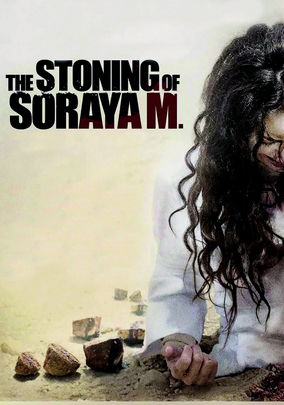
The Stoning of Soraya M.-2008

The Stoning of Soraya M.- 2008

Director Cyrus Nowrasteh

Starring Shohreh Aghdashloo

Top 10 Most Disturbing Films #2

Scott’s Review #618

Reviewed February 18, 2017

Grade: A

The Stoning of Soraya M. (2008) is a brutal film and one of the most disturbing films that I have ever seen. I have viewed the film a total of two times, and that is enough for me.

The terrifying aspect of the film is that the story is true and the events depicted not only happened to the woman featured but also happen to women day in and day out in certain cultures.

The film is a frightening reminder of the atrocities of human suffering.

The film is an American Persian-language film made in 2008.

Academy Award nominee Shohreh Aghdashloo stars as a woman living in a remote village in Iran in 1986.

Interestingly, the film begins following the events that conclude the story and works in reverse. A reporter who has car trouble and is lost in the village is taken by the aunt of Soraya (Aghdashloo), who must tell the journalist the painful story of a tragedy that befell poor Soraya the day before.

Soraya was brutally stoned to death, and wrongfully accused of adultery, and the journalist wisely records the aunt’s tale with his tape recorder.

The journalist must then escape the village alive so that Soraya’s story can be told to the masses.

From this point, the film transfers to several days earlier.

Soraya’s abusive husband, Ali, wishes to divorce Soraya so that he can marry a fourteen-year-old girl from the village. When she refuses, Ali uses manipulation and blackmail to turn many in the village against Soraya, including her two teenage sons.

Ali convinces everyone that Soraya has been unfaithful to him with a widower whom Soraya innocently works for. Ali is then granted his divorce, and Soraya is sentenced to be stoned, as an example, in front of the entire village.

The message is clear- women are not equal to men and are not permitted to do the things that men can.

Throughout the film, we get to know Soraya, and she does have her loyal female friends and supporters.

Aghdashloo portrays Soraya with gusto and bravery, and the fact that we care so much about the character makes the inevitable stoning sequence heartbreaking and painful to watch.

When Soraya is chained to a short pole and buried up to her neck so that she cannot move, the scene of her victimization is almost unbearable to watch.

Ali and her sons are the first to cast the stones that strike her square in the head.

Director Nowrasteh uses a dull, muted sound for the stoning sequence, so we almost experience the thuds of the rocks from Soraya’s perspective, making the scene all the more chilling.

The scene also goes on for seemingly an eternity as it takes a long time for Soraya to succumb to her many wounds. Needless to say, she is a bloody mess and unrecognizable.

This scene is not for the squeamish.

How disheartening to know that experiences like Soraya’s still occur to this day in Iran and many other countries, and there is not much that is done to help.

The Stoning of Soraya M. is based on a 1990 book, Le Femme Lapidee, written by Freidoune Sahebjam, who appears in the film as a journalist.

The book has been banned in Iran.

The Stoning of Soraya M. (2008) is one of the most disturbing films I have ever seen, and as much as the message is tragic and painful, I never want to see it again.

The pain rings too real, and the thought fills me with sadness.

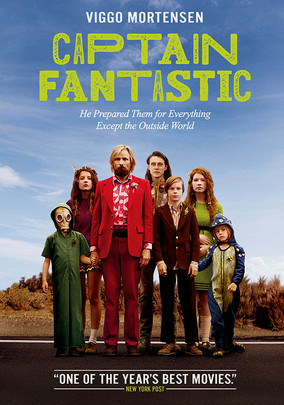
Captain Fantastic-2016

Captain Fantastic-2016

Director Matt Ross

Starring Viggo Mortensen

Scott’s Review #616

Reviewed February 10, 2017

Grade: B+

A thought-provoking story that raises a question of home-schooled, non-traditional book intelligence versus the lack of social norms and interactions and debates about which upbringings are more relevant, Captain Fantastic (2016) is a terrific film with a moral center.

The film, which stars Viggo Mortensen, is a family drama with a unique spin and edgy subject matter. Mortensen is not afraid to tackle complex and thoughtful roles.

Although it is perhaps not as gritty as it could have been and feels a bit safe, it still entertains and elicits thought, a critical aspect of film often lacking in modern cinema.

Director Matt Ross immediately treats us to aerial views of the green and mountainous Pacific Northwest, where a family of seven- one father and six children aged five to seventeen, silently prey on and kill a deer grazing in the forest. This is their dinner.

The family is unorthodox, to say the least.

Led by Ben Cash (Mortensen), he teaches the children how to fight, how to survive, and how to be ready for any situation. They are brilliant kids who can recite the Bill of Rights and the most complex literature.

Soon, it is revealed that their mother, Leslie, has committed suicide, and a battle ensues between her parents (Frank Langella and Ann Dowd), who is determined to bury her “properly” with a Christian funeral, and Ben and his children, who are determined to honor her last wishes for cremation.

Ben and the gang travel via their run-down school bus to New Mexico, meeting local townspeople as a battle of cultures occurs.

I commend Ross for creating a story that challenges the viewer to think, depending on the viewer’s religious or political views. There is a risk of people either loving or hating the film.

The film is skewed toward the left, as in the dinner and sleepover scenes with Ben’s sister. Her “Americanized” family is awkward, and the families have entirely different styles.

Ross makes it clear that Ben and his family are the intelligent ones, and his sister’s kids are pretty dumb, not even knowing what the Bill of Rights is and mindlessly playing violent video games.

The fact that they are a “typical American family” is sad and quite telling of wRoss’s perspective

Captain Fantastic wisely shows that either side is not perfect. His oldest son, Bodevan, blooming sexually, has an awkward encounter with a pretty girl, proposing marriage to her with her mother present because he knows no social norms.

A younger son is attracted to a “normal” life with his grandparents, who are a wealthy couple. The grandparents are not presented as bad people; instead, they want the best for their grandchildren and fear how their lives will turn out without better structure or what they perceive as a better upbringing.

Some of the kids blame Ben for their lack of social skills and being what they perceive as “freaks.”

The film does end safely as a happy medium is ultimately reached, but I never felt cheapened by this result. I found Captain Fantastic rich in intelligent writing and a challenging tale.

Many moments of “what would you do?” were brought to the forefront. Mortensen portrays Ben Cash flawlessly, mixing just the right vulnerability with the stubbornness of the character, and it is an excellent film for anyone fearing being intelligent is not cool because it is.

Oscar Nominations: Best Actor-Viggo Mortensen

Independent Spirit Award Nominations: Best Male Lead-Viggo Mortensen

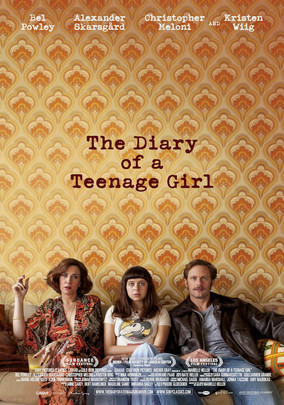
The Diary of a Teenage Girl-2015

The Diary of a Teenage Girl-2015

Director Marielle Heller

Starring Bel Powley, Alexander Skarsgard, Kristen Wiig

Scott’s Review #614

Reviewed February 2, 2017

Grade: A-

I was not sure what I expected from the Independent Spirit award-winning film, Diary of a Teenage Girl (2015).

I surmised that I would be treated to a light-hearted, yet well-written coming-of-age story, but the film is much darker than I would have thought, and this is a plus.

The film is edgy.

There is so much depth to the central characters and an incredibly complex performance by newcomer, Bel Powley in the title role.

Stars Kristen Wiig and Alexander Skarsgard also give tremendous performances.

The film is based on the graphic novel The Diary of a Teenage Girl: An Account in Words and Pictures by Phoebe Gloeckner.

Set in 1976 in San Francisco, a time filled with hippies, drugs, music, and life, fifteen-year-old Minnie, an aspiring comic book writer, is as insecure as any typical fifteen-year-old is.

With wide eyes and stringy hair, she is cute, but rather quirky looking, not the prettiest girl in her class, and records her deepest thoughts into a cassette recorder. Minnie is intelligent and worldly, accepting of alternative lifestyles and drugs.

She is wise well beyond her years.

Minnie’s mother Charlotte (Wiig), lives a bohemian lifestyle, constantly partying and losing jobs, and is divorced from Minnie’s and sister Gretel’s affluent, but mostly absent father, Pascal (Christopher Meloni).

The girls refer to him as “Pascal” instead of “Dad”, which he hates. Determined to lose her virginity, Minnie is man crazy and develops a sweet relationship with her mother’s boyfriend, Monroe (Skarsgard).

Things begin slowly but develop into a full-blown sexual relationship. A controversial piece to the story is that Monroe is thirty-five years old- Minnie is only fifteen. Both Monroe’s and Minnie’s feelings are challenged due to circumstances and Minnie’s emotions spiral out of control.

The subject matter of The Diary of a Teenage Girl will undoubtedly be off-putting for many folks as the actions are technically statutory rape.

The film never goes in that direction.

Rather, director Marielle Heller crafts a tender story of young love, and when there is too much drama comic relief is added.

Monroe is never the aggressor and Minnie is. She is a young girl who knows what she wants.

Since the director is female there is no hint of Minnie being taken advantage of or regretting her affair- the film is not about this.

Rather, it is about a young girl with blooming sexuality and emotions finding herself in the world. I admire this left-of-center approach to the story immensely.

Other aspects of the film may be too much for some. Minnie and her best friend pretend to be prostitutes and orally service two young men in the men’s room on a lark.

Later, Charlotte uses filthy language to describe Monroe’s and Minnie’s relationship.

The film is not safe, but daring and honest. I admire its courage.

Enough cannot be said for the three principal actors in Diary of a Teenage Girl. Bel Powley is a find!

Nominated for an Independent Spirit award, this amazing young actress should have been recognized by the Academy Awards, but she no doubt has many years and films ahead of her.

She is a “regular girl” type and reminds me of actress Lena Dunham in her looks and her rich delivery.

Kristen Wiig is fantastic and is evolving into a great dramatic actress. As Charlotte, Wiig is wonderfully insecure and an offbeat mother. She does not discipline, but rather befriends her daughters, showering them with hugs and kisses and giving vulnerable neediness to the character.

Wiig, dynamite in the comedy/drama The Skeleton Twins (2014), has embraced small, but important indie films, and kudos to her for this.

Lastly, Skarsgard, mainly known as HBO’s villainous Eric on True Blood, is as inspiring as Monroe.

Providing his character with sympathy and humanity (tough when having an affair with a teenage girl who also happens to be your girlfriend’s daughter), Skarsgard evokes so much emotion into the role that you almost root for Monroe and Minnie before remembering that she is too emotionally fragile.

Skarsgard is brilliant in Monroe’s breakdown scene. I hope audiences see him in more of these complex roles as he is far more than a hunky actor.

Diary of a Teenage Girl (2015) intersperses graphic novel/animated elements into the story told from the perspective of Minnie and the character narrates parts of the film.

This authentic story is not only for teenagers but for smart thinkers and anyone who has ever been over their heads in the emotions of love.

Independent Spirit Award Nominations: 1 win-Best Female Lead-Bel Powley, Best First Screenplay, Best First Feature (won)

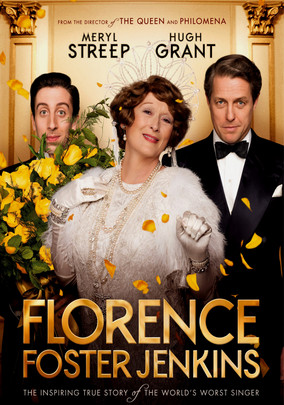
Florence Foster Jenkins-2016

Florence Foster Jenkins-2016

Director Stephen Frears

Starring Meryl Streep, Hugh Grant

Scott’s Review #613

Reviewed January 30, 2017

Grade: B

Director Stephen Frears loves to direct films starring vehicles for mature actresses. Judi Dench, Helen Mirren, and Meryl Streep have benefited vastly from his direction (all received Oscar nominations).

In Florence Foster Jenkins (2016), Frears crafts a warm-hearted tale about a famous real-life opera singer, the title character of whom is played by Meryl Streep.

The film is likable but not up to par with other Frears’ gems, specifically Philomena (2013) or The Queen (2006).

Given the subject matter, the film is too safe for my tastes and should have been darker.

Florence Foster Jenkins was a New York City socialite and heiress who flourished in 1944. She founded the Verdi Club and did a great deal of good for music, specifically opera, which she adored.

Her husband, Bayfield, played by Hugh Grant, nicknames her “Bunny.” He reveres her, but not physically—he resides elsewhere with a girlfriend.

This is due to Bunny being afflicted with long-term syphilis, causing her to be medicated and rendering her bald and unable to engage in sexual relations.

Bunny is a wretched, flat singer; despite her passion for singing, everyone convinces her how wonderful she is because she is so well-regarded in her social circle. Many people are paid off in exchange for their support.

Due to Bunny’s medication, it is assumed that she cannot hear properly, leaving her unaware of how badly she sings. Bunny is now determined to sing at Carnegie Hall, and Bayfield must scramble to make sure no critics are anywhere in sight for the big show, saving his wife from humiliation.

Any film starring Meryl Streep is assured to be fantastic from an acting standpoint, and, per usual, she does not disappoint. Streep envelopes the role of Bunny, giving her charm and a vulnerability that only Streep can do.

Although the character knows what she wants and is stubborn, she is also kind, and we see passion oozing from her pores.

Streep is the highlight and the draw of the film.

Hugh Grant deserves kudos, and I liked the chemistry between the two actors. Although seeking physical relations with another woman may make him appear a cad, Grant also gives Bayfield sensitivity and genuine care for his wife.

They have “an arrangement,” but he hides his girlfriend when Bunny shows up unexpectedly, not wanting Bunny to be embarrassed.

Grant’s and Streep’s scenes together are tender and believable.

Like Bunny’s pianist, McMoon, Simon Helberg also positively influences the film. Hired to accompany Bunny’s singing, he is initially appalled and bemused but finally understands Bunny, coming to love and respect her for who she is.

The character is clearly gay (the film never comes out and says this), but gay themes are common in Frears films, and it is a non-issue among the principal characters, excellent, but perhaps unrealistic for that time.

A flaw of the film is the lack of any purely great moments. I suppose the climax at Carnegie Hall should have been it, but I did not wholly buy the entire film.

Even the crowd’s laughter and mocking of Bunny seem to be done in a soft, light way.

Nonetheless, Florence Foster Jenkins (2016) is a decent offering, and Streep is the ultimate selling point.

The costumes are also great.

Oscar Nominations: Best Actress-Meryl Streep, Best Costume Design

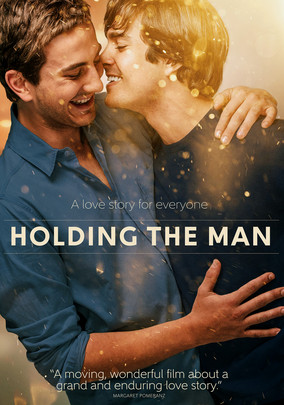
Holding the Man-2015

Holding the Man-2015

Director Neil Armfield

Starring Ryan Corr, Craig Stott

Scott’s Review #612

Reviewed January 24, 2016

Grade: B+

Holding the Man (2015) is a brave love story centering on two young men and spanning fifteen years as the men begin as high school sweethearts and progress into adulthood and sadly both contract AIDS.

This is a pivotal aspect of the film as it is set during the 1970s and 1980s- a time when this disease was dreadful and more or less a death sentence.

The film is tender and poignant, but despite these characteristics, I felt something with more vigor was missing. I did not have the exact emotional reaction I thought I might have.

The film is set in Australia and adapted from a 1995 memoir of the same name.

The action begins in 1976 as we meet Tim and John, both high school students. They are from opposite social groups, Tim a theater student, and John captain of his soccer team.

Surprisingly, they connect romantically as Tim asks John out on a date.

The pair receive little hassle and are quite open with their relationship. Certainly, they face a bit of opposition from officials at the school, but this is not the main aspect that the film goes for.

Instead, the main problems come from John’s family- specifically, his father, but this is played safely. Tim’s family is much more accepting.

Over the next fifteen years, the couple encounters death directly when they are simultaneously told they have acquired HIV.

The film is mostly told chronologically but goes back and forth at times. Specifically, we are reminded of John’s youthful good looks in flashbacks, when he is close to death, bald and sickly looking.

The main point is the men’s enduring love for each other, which is a nice message.

Otherwise, the film (2015 and long since the AIDS plague), goes for a reminder of how harsh those times were for gay men, though there is a softness to the film that I felt instead of the brutal reality.

The actors playing John and Tim (Craig Stott and Ryan Corr, respectively) have decent chemistry, but this may have been stronger than my perception was, and the reason I did not feel emotionally invested in the film.

The film was nice and sweet-the romance part, but when one of the men succumbs to AIDS I should have been a puddle of tears and I just wasn’t.

I did enjoy how the film does not focus too much on the opposition by John’s father (Anthony LaPaglia). He would wish his son’s sexuality differently but is more concerned with how his son’s relationship with a male looks to Dad’s friends and neighbors.

The deeper story was the love between the men who knew no barriers.

It was nice to see Geoffrey Rush and Guy Pearce in supporting turns as a drama teacher (Rush) and as Tim’s father, Dick (Pearce). Both do well with limited roles and I adore how the film portrays Dick as a supportive father- even dancing a slow dance with his son at a wedding- free of embarrassment.

Also notable is the sweet ending where a photo of the real Tim and John is shown during a narrative from an interview with the real Tim before his death.

Holding the Man (2015) is a nice film, but does not have the power that other LGBT films in recent decades had. Brokeback Mountain (2006) immediately comes to mind as a similar film, but one that was more emotional and engaged me much more.

An honest effort, though.

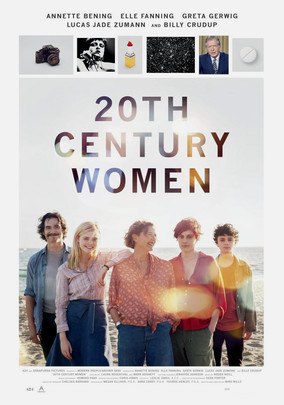
20th Century Women-2016

20th Century Women-2016

Director Mike Mills

Starring Annette Benning

Scott’s Review #611

Reviewed January 22, 2017

Grade: A-

Annette Benning shines in her leading role in 20th Century Women (2016), a film directed by Mike Mills, a formidable independent filmmaker whose credits include 2010’s Beginners and 2005’s Thumbsucker.

In 20th Century Women, Mills serves as director and writer, so the film is his vision.

All five principal characters are quirky and well-written, though Benning’s is the most nuanced and fascinating.

The story is set in 1979 Santa Barbara. Despite the image of Santa Barbara as a wealthy, grand town dripping with the rich and powerful (perhaps due to the sweeping 1980s daytime soap opera of the same name), Mills doesn’t present this film that way.

He presents Santa Barbara as a more artsy town, at least for his characters.

Benning plays Dorothea Fields, a fifty-five-year-old divorced mother of a fifteen-year-old boy, Jaimie.

She is a free spirit who allows two runaways to live with her: Abbie (Greta Gerwig), a twenty-five-year-old aspiring photographer with fuchsia-colored hair recovering from cervical cancer, and William (Billy Crudup), a handyman.

They are joined by Jaimie’s good friend, Julie (Elle Fanning), a depressed neighbor.

The film explores each character’s trials and tribulations and their interactions in a quirky way, and we fall in love with each of them.

Dorothea enlists Abbie and Julie’s help to have a positive influence after he nearly dies after a foolish teenage prank.

Mills gives the period a slice-of-life feel, heavily referencing punk rock and the film’s political climate.

Bands such as Talking Heads and Black Flag reflect Dorothea’s struggle to learn what young people like, stay youthful, and stay in touch with her charges.

Dorothea is a chain smoker, and many scenes feature her pondering a situation while taking long drags. I love this aspect of the film as it showcases Benning’s cerebral performance.

She is a thoughtful woman who wants her son to grow up sane and productive since his father is absent.

Sex and feminism are significant themes in the film. Abbie loans Jaimie two books by female feminist authors to help him better understand women.

When he begins to discuss orgasms and a strange conversation about sex and virginity ensues during a dinner party Dorothea is hosting, the graphic detail is a bit too much for Dorothea.

She is a conflicted character- open-minded and caring; when it comes to her son, she has a more conservative edge while trying to remain open to his new experiences as a teen.

20th Century Women is strictly a character-driven film with enormous strength.

Each character is in a different place in life, and I adore how the film gives a conclusion to each character’s life in the years to come.

Indeed, the film follows the “happily ever after” formula, but that doesn’t bother me. Instead, the film is so well composed that the characters’ lives enrapture me.

Admittedly, the film is slow-moving at times, but that’s because of the richness of the dialogue—nothing is rushed.

Kudos to the cast. Gerwig and Fanning are incredibly excellent. Fanning’s Julie is a unique character- her mother is a psychiatrist who forces her to attend group sessions that she holds.

Julie has a step-sister with cerebral palsy, so Julie frequently sleeps at Dorothea’s house as a way to escape her life.

Sexually active, Julie has a pregnancy scare during the story.

A coming-of-age film set in an enjoyable time, 20th Century Women (2016) showcases the talents of a stellar cast led by Bening, takes audiences into a wonderful, character-driven world, and explores the lives of its intriguing characters with a clear portrayal of life in the late 1970s.

Oscar Nominations: Best Original Screenplay

Independent Spirit Award Nominations: Best Female Lead-Annette Bening, Best Screenplay

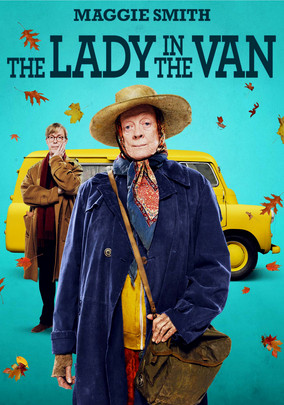
The Lady in the Van-2015

The Lady In The Van-2015

Director Nicholas Hytner

Starring Maggie Smith

Scott’s Review #610

Reviewed January 19, 2017

Grade: B

Maggie Smith can do no wrong and I will happily enjoy watching her in anything- anytime. Around in film since the 1950s this lady deserves a starring film role.

Utterly distinctive she is, as legendary actress Bette Davis was,  Smith has a style purely her own. Her facial expressions and exasperated gasps make her one of the great film stars.

The Lady in the Van (2015) is specifically made for her, but besides her talents, the movie is a decent offering, but very safe.

It lacks the depth that it could have had.

Written by Alan Bennett, the film tells the true story of Mary Sheperd, an elderly woman living in a broken-down van, who befriends Bennett and eventually lives in his driveway for fifteen years before her inevitable death.

Set in northern London, a quaint and gorgeous part of the world, Mary harbors a deep secret involving her van and is revealed to have been a star piano pupil in her day.

Smith has no qualms about playing unflattering characters.

Shepherd is grizzled, abrupt, and rude, but Smith puts a lot of heart into her too, so the audience senses her vulnerability and falls in love with her. With her sad protruding blue eyes, wrinkles for miles, and chirpy voice, Smith is fantastic at giving her all to the role.

The rest of the cast adequately play their roles but are limited and out-shadowed at every turn. Most notable is the wasted talents of Jim Broadbent, appearing in a small and quite meaningless role.

Besides Smith’s brilliant performance, The Lady in the Van lacks layers. The story is good, but we never see many of Mary’s struggles. How does she afford food? How is she not sick? The film skims over the darker elements of homelessness in favor of a lighthearted tale.

Fine, but what about her inevitable issues?

Other less important stories are mentioned but not fully explored. Alex speaks to what looks like his twin brother, but is it his alter ego?

Young men come and go at night, so the presumption is that Alex is gay, and in the end, we do see Alex living with a man, but why is this so vaguely written? Why mention it at all?

This story would have been interesting to delve deeper into given that the real Alex Bennett wrote the film.

Other side stories are introduced but remain on the surface. Alex’s mother suffers from Alzheimer’s, but this is not explored much, and Mary’s brother, who institutionalized her at a young age, offers no explanation as to why this was done she had a mental illness- but the brother’s motivations are not clear.

I wanted more from the supporting characters than was offered.

Still, the bottom line is that The Lady in the Van (2015) is a Maggie Smith film, and any in which she has the lead role, is pretty damned good for that reason alone.

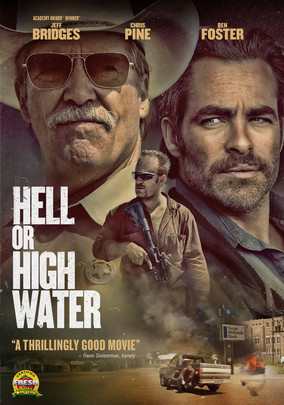
Hell or High Water-2016

Hell or High Water-2016

Director David Mackenzie

Starring Jeff Bridges, Chris Pine, Ben Foster

Scott’s Review #609

Reviewed January 16, 2017

Grade: B+

Hell or High Water (2016), a splendid tale of bank robbers chased by law enforcement officers in rural western Texas, is reminiscent of the Coen Brothers’ No Country for Old Men (2007) or a classic Sam Peckinpah film from the 1970s.

The film provides a good story with a morality tale, so the viewer is unsure who to root for—the good gr tad guys. This gives the film substance compared to the typical action-guy film, which is done to death.

Odd, quirky, minor characters are interspersed throughout the film, which adds comedy and a unique feel.

David Mackenzie directed the film, but up until now, it has been unknown to me.

Chris Pine and Ben Foster play Toby and Tanner, two brothers who embark on small-town bank robberies to save their recently deceased mother’s ranch.

Tanner (Foster) is the more seasoned criminal, having spent time in jail and being more volatile than his brother. Toby (Pine) is a family man with two kids and is more intelligent and sensible than his brother.

Two Texas Rangers, Marcus Hamilton (Bridges), a grizzled man weeks away from retirement, and his partner, Alberto Parker (Gil Birmingham), pursue them.

What I enjoyed most about this film is the authenticity of the setting.

The film was shot in New Mexico but meant to be in West Texas. This is believable, and the cinematography is gorgeous. The vastness of the land and the sticky desert heat are filmed very well.

Small-town Texas is portrayed as tiny characters introduced as townspeople, giving much credo to the film.

My favorites are the diner waitress-smitten with the handsome Toby (and her $200 tip), and t-bone waitress- grizzled and rude after forty-four years in the same place. Their sassy and abrasive behavior works and adds much to the film.

Dale Dickey is a treat in any film, and her turn as a bank employee is a joy.

How nice to see Chris Pine in a challenging role. His character is conflicted morally. Not wanting to hurt anyone, he struggles with the robberies and wants to do right by his kids and mother.

He is a decent man caught in uncertain circumstances, and Pine does an excellent job of portraying him, proving that the actor is becoming more than just a pretty face.

Bridges plays anger quite well, and it is nice to see the actor succeeding career-wise in his golden years. His Texas Ranger character is determined to uphold the law. Still, below the surface, he is more than a bit worried about his upcoming retirement, closing a chapter in his life that is undoubtedly important to him.

His relationship with his partner is jovial and buddy-like, but is there an underlying physical attraction between the men?

The film does not go there, but perhaps on a subconscious level, it is hinted at.

A fantastic scene laced with tension occurs near the film’s end when two of the main characters are killed. It is a stand-off of sorts atop a desert mountain ridge. One of the characters loses it, which results in a shoot-out and a shocking loss of life.

The scene is excellent in that it is a good, old-fashioned shoot ’em up done well.

Hell or High Water (2016) is a gritty action film with excellent elements, nice characterization, and clean fun. It’s a throwback to a long-time crime western without the standard stock characters.

This film is more layered than the traditional and intelligently written, achieving something unique.

Oscar Nominations: Best Picture, Best Supporting Actor-Jeff Bridges, Best Original Screenplay, Best Film Editing

Independent Spirit Award Nominations: 1 win-Best Supporting Male-Ben Foster (won), Best Screenplay, Best Editing

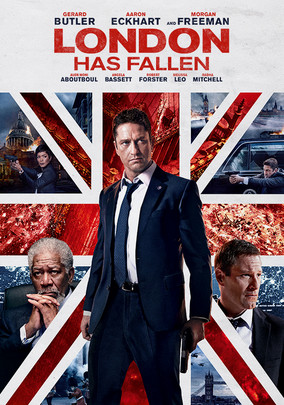
London Has Fallen-2016

London Has Fallen-2016

Director Babak Najafi

Starring Gerard Butler, Aaron Eckhart

Scott’s Review #608

Reviewed January 13, 2017

Grade: D

Save for many enjoyable, incredible London shots of mostly aerial views, London Has Fallen (2016) is a complete drivel of an experience.

The film’s attempt at being a red-blooded, patriotic film comes across as insulting and racist, with a machismo that is cringe-worthy.

The dialogue is terrible, and the “us against them” mantra has been done to death in film, mainly in the 1980s and 1990s. To quote one reviewer, “London Has Fallen is Donald Trump in film form.”

I don’t understand how the film convinced such a talented cast to appear (it must have been money), and several parts are so small (Robert Forster, Melissa Leo, Jackie Earle Haley) that they are nearly glorified extras.

The plot is painfully contrived, to say nothing of the ludicrous nature of the entire story.

To retaliate against a drone strike killing a Pakistani leader, terrorists take advantage of the death of the UK Prime Minister to assassinate several world leaders who have gravitated to London to attend funeral services.

The President of the United States (played by Aaron Eckhart) is naturally in attendance, and his murder is thwarted by top Secret Service official Mike Banning (Gerard Butler), our film’s hero.

The rest of the film involves the President and Mike running throughout London, attempting to catch the terrorists and bring them to justice while avoiding death.

The London locales are superb, but sadly, they mainly appear at the film’s beginning and end. The London Eye, the Thames River, the Underground, and various metro stations are featured.

The numerous London bridges also get some exposure.

The best part is how the film showcases London’s vastness, not just the up-close shots of historic places like Westminster Abbey or Buckingham Palace.

Undoubtedly, London is known for those gems, but the aerial views give the viewer an appreciation of all London offers.

I loved only this aspect of the film.

The supporting roles are abysmal, and given the more artistic parts they’ve received in the past; one imagines the actors cringing as they read the scripts for some of them.

I hesitate to think what possessed Leo, Forster, and Haley to accept meaningless roles save for a hefty paycheck. Each played a member of the President’s staff and was reduced mainly to reactionary shots.

As an ill-fated Secret Service Director, Angela Bassett and Radha Mitchell, as Banning’s weary-looking, pregnant wife, get more screen time but are treated to equally uninteresting roles.

Overall, the performances are forgettable. Respectable actors Butler and Eckhart merely phone in their vapid, dull lines, failing to make any of them believable.

The film never bothers with character development or anything beyond fundamental good and evil roles. Every character is either 100% good or 100% bad.

It is made crystal clear that the Americans are the good guys, and the foreigners (all Middle Eastern or Asian actors, of course) are simply the bad guys.

The motivations of the “bad guys” are never explained, and one cheesy line after another is written for the “good guys.”

During the finale, Banning professes that “we have been here for thousands of years and always will be” as he beats a lousy guy senselessly. Good grief. I’ve seen better dialogue on a network television drama.

And there is never any doubt about how the film will end. There is an American mole who has used his power to enable all of the assassinations, but when the mole is revealed, it is a character we have never seen before, so who cares?

Indeed, the film will soon be forgotten for its poor story, cliche-ridden script, and numerous stereotypes, but the fantastic London shots were inspiring and lovely.

I would have been happy with one hour and forty minutes of those.

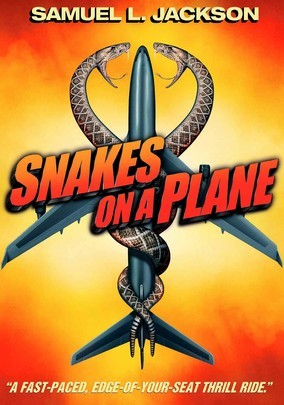
Snakes on a Plane-2006

Snakes On A Plane-2006

Director David R. Ellis

Starring Samuel L. Jackson

Scott’s Review #607

Reviewed January 11, 2017

Grade: B

Snakes on a Plane, the surprise internet bruhaha sensation of 2006, has much to criticize.

The plot is inane, the acting way over the top, and the subject portrayed in such a dumb manner that I could see the results being horrific, but there is just something I enjoyed about the film, too, as admittedly stupid as it is.

I could not help but sit back and enjoy it.

I enjoyed the setting of an airplane- trapped at 35, 000 feet, in peril, has always enamored me (think Airport disaster films of the 1970s).

The story involves a plot to release hundreds of deadly snakes on a passenger flight, to kill a witness to a murder trial.

Of course, innocent passengers meet their dire fates as the cartoon-like characters are offed one by one, in a horror-film style.

Sadly, the film did not live up to expectations, commercially or critically, and was considered something of a dud after all the hype, but I rather enjoyed it for what it was.

Hardly high art, it entertained me.

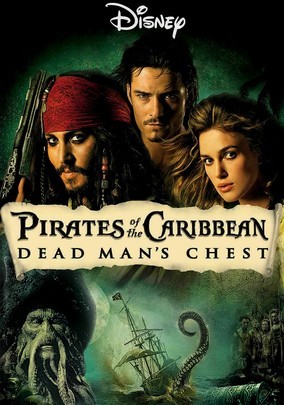
Pirates of the Caribbean: Dead Man’s Chest-2006

Pirates of the Caribbean: Dead Man’s Chest-2006

Director Gore Verbinski

Starring Johnny Depp, Orlando Bloom, Keira Knightley

Scott’s Review #606

Reviewed January 11, 2017

Grade: B-

Pirates of the Caribbean: Dead Man’s Chest is the follow-up to the original Pirates of the Caribbean: The Curse of the Black Pearl, from 2003.

The sequel is decent but inferior to Curse of the Black Pearl.

The visual effects are spectacular, and the budget is very high, but the story isn’t there. The film drags along at times and is a bit confusing.

Johnny Depp gives his all to his role of Jack Sparrow, performing with gusto, and is the highlight of the franchise.

The supporting characters, Bloom as Will Turner, and Keira Knightley as Elizabeth Swann, are fine, but not on the level of Depp.

Otherwise, the performances are okay, but they are essentially a carbon copy of the first film.

Story-wise, Will and Elizabeth are arrested for aiding Jack Sparrow’s escape, and the plot involves attempts to locate Sparrow.

This is paired along with the typical adventure aspects of a film like this and the stock-character villains, with grimaces, heavy makeup, and overacting, but I expected as much.

Not a bad sequel, certain to entertain the masses, and guaranteed to make a ton of money, inevitably ensuring another sequel will be made, with little doubt of being even less compelling.

Oscar Nominations: 1 win-Best Sound Editing, Best Sound Mixing, Best Art Direction, Best Visual Effects (won)

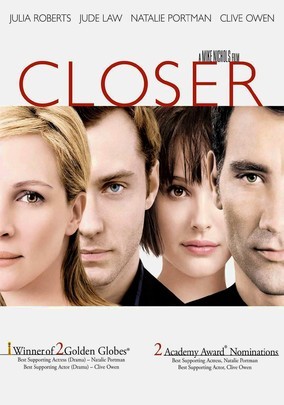
Closer-2004

Closer-2004

Director Mike Nichols

Starring Julia Roberts, Jude Law, Natalie Portman

Scott’s Review #605

Reviewed January 11, 2017

Grade: B+

Closer (2004) is a very odd, offbeat sort of film, yet it is strangely fascinating and reels you in as the story unfolds and more is revealed.

One will become engrossed in the characters as the film is rich in nuanced character development.

Closer is very adult and not for everyone, but if you enjoy character-driven films, it’s worth checking out.

Based on a play of the same name and featuring a star-studded cast to go along with several Oscar nominations, Closer tells the story of companionship, isolation, and betrayal.

It centers on four characters (Anna-Julia Roberts, Dan-Jude Law, Alice-Natalie Portman, and Larry-Clive Owen), each of whom spends the film either bedding, scheming, or being jealous of the others.

Purely a character study, the film shows many different emotions in each, which is its strength.

To the film’s credit, it is shot much like a play; however, it is just a tad slow-moving.

However, I adored the London locales and the film’s successful attempt to make the viewer uncomfortable and just a tinge disturbed.

Oscar Nominations: Best Supporting Actor-Clive Owen, Best Supporting Actress-Natalie Portman

My Bloody Valentine-2009

My Bloody Valentine-2009

Director Patrick Lussier

Starring Jensen Ackles, Jaime King

Scott’s Review #604

Reviewed January 11, 2017

Grade: B

What can I say? The remake of the classic slasher film from 1981 is a very slick version of the perfect Valentine’s Day treat- My Bloody Valentine.

To compare the 2009 offering to the original is unfair since I consider that one top-notch. This version is what I expected it to be.

Though several aspects of it were changed from the original, it was entertaining all the same.

The sleepy mining town that the film is set in becomes immersed in scandal as a string of grisly murders occurs in one of the town mines.

It is revealed that a tragic accident occurred at one time, causing several deaths. The one remaining victim awakens from a coma and goes on a killing spree.

At the same time, youths throw a party near the mine, and a series of deaths begins again.

The 3-D effects are necessary for a film like this because, without them, this movie would have been as generic as anything else in the same style.

The story is lame and implausible, and the characters are dumb, but looking past all that, as I usually do in the horror genre, this was a fun ride.

Lots of gore, nudity, violence, and a few genuine scares.

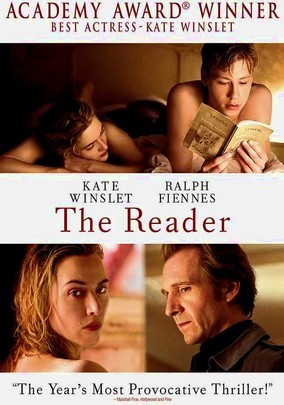
The Reader-2008

The Reader-2008

Director Stephen Daldry

Starring Kate Winslet

Scott’s Review #603

Reviewed January 11, 2017

Grade: A

The Reader (2008) is by far my favorite of all of Kate Winslet’s film roles-and that is saying something!

It is her most challenging and provocative to date and will ruffle some feathers for sure based on the subject matter of the story.

The subject of a grown woman in her thirties involved in a steamy and passionate love affair with a young boy half her age is too much for some, but I found the bravery of the film admirable.

The film is a slow build-up type of story, and it takes a little while to get going, but if you stick with it, it will be worth your time.

Winslet plays a woman (Hanna) in 1950’s Germany, living an ordinary life. She is a poor woman, and a young boy she meets changes her life for the better.

He teaches her to read and other things, and they become inseparable. When she leaves town one day, the boy is devastated.

The film then fast-forwards thirty years to the 1990s and the boy, now grown up and played by Ralph Fiennes, comes upon Hanna in a most unusual, dramatic, and devastating way.

The film is told from the perspective of Fiennes’s character, which is a wonderful decision.

The Reader (2008) is very heavy on sex and nudity (I mean lots!), so if anyone is offended by that, you might want to skip it.

The story is riveting, and the acting is top-notch.

An excellent film.

Oscar Nominations: 1 win-Best Picture, Best Director-Stephen Daldry, Best Actress-Kate Winslet (won), Best Adapted Screenplay, Best Cinematography

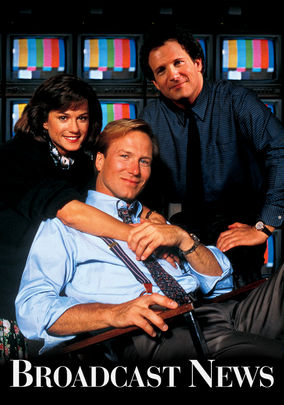
Broadcast News-1987

Broadcast News-1987

Director James L. Brooks

Starring William Hurt, Albert Brooks, Holly Hunter

Scott’s Review #602

Reviewed January 11, 2017

Grade: B

Broadcast News is a 1987 feature film that is admittedly an intelligently written romantic comedy.

It was rewarded with several Academy Award nominations, in what has been a bleak year for the film industry.

That said, I found the film’s overall result to be a decent experience, but certainly nothing fantastic. I was left with the feeling that it was “okay”.

I do not think it was good enough to warrant Oscar nominations, but it was enjoyable all the same.

The principal characters are interesting enough, albeit safe.

The film centers around three television news people- a neurotic news producer (Holly Hunter), a reporter (Albert Brooks), and his rival (William Hurt).

All of them are ambitious and determined to climb the ladder of success in their Washington, D.C., base.

The film explores the relationships between the characters.

As stated, there is nothing wrong with the film. I would have expected a bit more- perhaps a deeper or darker story- instead, despite some witty dialogue, the film is largely a safe, predictable journey.

Oscar Nominations: Best Picture, Best Actor-William Hurt, Best Actress-Holly Hunter, Best Supporting Actor-Albert Brooks, Best Screenplay Written Directly for the Screen, Best Cinematography, Best Film Editing

Masters of Horror: Dario Argento: Pelts-2006

Masters of Horror: Dario Argento: Pelts-2006

Director Dario Argento

Starring Meat Loaf

Scott’s Review #600

Reviewed January 10, 2017

Grade: C+

For those unfamiliar with Masters of Horror, this was a spectacular horror series that aired during the mid-2000s, featuring vignettes of superlative horror chapters.

Famed Italian horror maestro Dario Argento directed two such chapters during the series’ run.

Pelts is an okay story, but unspectacular, and only for die-hard Argento fans.

The chapter is quite gory and extreme (this is the main positive) and stars Meat Loaf (the singer) and John Saxon (from Nightmare on Elm Street 1984, and Black Christmas, 1974).

The story centers around a fur trader named Jake Feldman, who encounters a fellow fur trader offering raccoon skin.

Eager to make money and impress a stripper, Jake leaps at the chance, with dire results.

This episode of Masters of Horror is not for the squeamish. If you are a fan of raccoons, this might be up your alley.

My slight disappointment in this chapter merely comes from my utter love for some of the other chapters, and this one pales in comparison.

Zombie Strippers-2008

Zombie Strippers-2008

Director Jay Lee

Starring Jenna Jameson, Robert Englund

Scott’s Review #599

Reviewed January 10, 2017

Grade: C-

Zombie Strippers (2008) is so filled with campy moments and so over-the-top that it’s a film that is impossible to remotely take seriously.

As they say, there is a time and a place for everything, and this includes films.

It is completely a cheesy, campy B-minus horror film.

The story, if one can call it that, involves a small strip club in Nebraska, in the middle of nowhere. The star stripper is played by former adult film star Jenna Jameson, who, I am pretty certain, was not hired for her acting talents.

One day, a government-controlled virus is released, causing Jameson’s character to be transformed into a flesh-eating zombie.

The motivation is not there, and who cares anyway?

This is not the film to watch for a compelling plot.

The acting all around in the film is poor, and the story is completely unrealistic, laced with stereotypes galore. However, how nice to see horror legend Robert Englund (Nightmare on Elm Street-1984) in a prominent role, even in a bad film.

Also deserving of credit is the makeup and prop department, having a small budget, for making the film look better than it might have.

If you are looking for a cheesy, after-midnight, and after-a-few-drinks fun film, this is it. Otherwise, don’t waste your time.

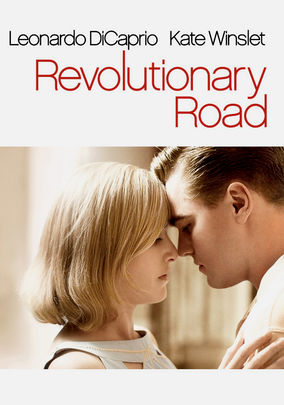
Revolutionary Road-2008

Revolutionary Road-2008

Director Sam Mendes

Starring Leonardo DiCaprio, Kate Winslet

Scott’s Review #598

Reviewed January 10, 2017

Grade: A

Revolutionary Road (2008) is an outstanding film- what superior, human, raw acting by stars Leonardo DiCaprio and Kate Winslet.

The duo reunites in the film over ten years after the monstrous success of Titanic (1997).

The trailers might lead one to believe that this film is a romantic comedy or some love story- it is a love story, but a very real, dark one.

Both characters are flawed.

Set in affluent New England, somewhere in Connecticut to be precise, April and Frank seemingly have it all. He is a successful doctor, and she is the perfect housewife; they live a happy existence free of problems- or do they?

Slowly, the audience sees their lives spin out of control, and varying emotions between the pair emerge to the surface.

Great supporting turns by Kathy Bates and Michael Shannon as characters presenting roadblocks to April and Frank’s happiness.

If you are looking for a film with true, gritty, layered acting, this is it. Revolutionary Road (2008) is a much more complex film than the previews would allow you to think.

It shows the depth of DiCaprio’s and Winslet’s acting ability.

Some might feel it is a bit slow-moving, but the payoff is worth it.

Oscar Nominations: Best Supporting Actor-Michael Shannon, Best Art Direction, Best Costume Design

The Grifters-1990

The Grifters-1990

Director Stephen Frears

Starring John Cusack, Anjelica Huston, Annette Bening

Scott’s Review #597

Reviewed January 9, 2017

Grade: B-

The Grifters (1990) is a film with witty writing and broad appeal.

It is unique and quirky, in the style of a charismatic film noir from one of the golden ages of film, the 1930s and 1940s.

Additionally, the film has a very sharp, clean look.

The performances, especially Anjelica Houston, are excellent. All three principles (John Cusack, Annette Bening, and the others) give fantastic performances and feed off each other, so the chemistry works quite well.

Cusack plays a small-time crook named Roy Dillon, inept in ways, and estranged from his mother (Huston).

When she returns to town, she, along with his girlfriend (Bening), attempts to con and outmaneuver each other for their gain.

The film is set in sunny Los Angeles.

As compelling as the film sounds on paper, I did not find myself completely captured by it. It took me a while to get into the film, and by the time I finally did, it had ended.

Overall, well-made and respectable; I can see how some people would love it, but for me, something was still missing.

Oscar Nominations: Best Director-Stephen Frears, Best Actress-Anjelica Huston, Best Supporting Actress-Annette Bening, Best Screenplay Based on Material from Another Medium

Independent Spirit Award Nominations: 2 wins-Best Feature (won), Best Female Lead-Anjelica Huston (won)

Unforgiven-1992

Unforgiven-1992

Director Clint Eastwood

Starring Clint Eastwood, Gene Hackman

Scott’s Review #596

Reviewed January 9, 2017

Grade: A-

Winning the 1992 Best Picture Academy Award, Unforgiven is a beautifully shot, well-crafted Western film, directed by and starring Clint Eastwood.

The film differs from classic Westerns in that it questions the meaning of violence and is morally grounded.

Director Sergio Leone influenced Eastwood.

Eastwood also stars in the film as William Munny, a former cold-blooded murderer, who is now retired and living as a farmer, a widower due to violence against his deceased wife.

He is talked out of retirement to help kill some shady cowboys.

Unforgiven is a dark, character-driven film, centered mostly on Eastwood’s character. Why does Munny come out of retirement? Is he lusting after blood or enjoying the satisfaction of revenge?

The cinematography is second to none, with gorgeous western United States locales and beautiful landscapes.

The film admittedly drags a bit at times, but it is rich in character development and questions the motives of its central characters, which is much deeper than most Western shoot-’em-up style films.

Oscar Nominations: 4 wins-Best Picture (won), Best Director-Clint Eastwood (won), Best Actor-Clint Eastwood, Best Supporting Actor-Gene Hackman (won), Best Screenplay Written Directly for the Screen, Best Sound, Best Art Direction, Best Cinematography, Best Film Editing (won)

Frost/Nixon-2008

Frost/Nixon-2008

Director Ron Howard

Starring Frank Langella, Michael Sheen

Scott’s Review #595

Reviewed January 8, 2017

Grade: B+

Adapted from a Broadway play, director Ron Howard creates a powerful film surrounding the infamous 1977 interview between former President Nixon and interviewer David Frost.

Frank Langella and Michael Sheen star.

For someone too young to remember Nixon or the Watergate scandal, the film was very enlightening and historical for me on a personal level.

Frost/Nixon is also a very human story and well-made.

The interview scenes are fantastic, as the constant back-and-forth, cat-and-mouse, each man looking for an opportunity to either pounce, avoid, or gain the upper hand is rich with character-driven possibilities.

The scuttlebutt and the behind-the-scenes scrambling by Nixon’s men is good drama.

In particular, Frank Langella steals the show as President Nixon. He is confident, strong, yet vulnerable, and sad.

An acting Tour De Force by Langella.

Oscar Nominations: Best Picture, Best Director-Ron Howard, Best Actor-Frank Langella, Best Adapted Screenplay, Best Film Editing

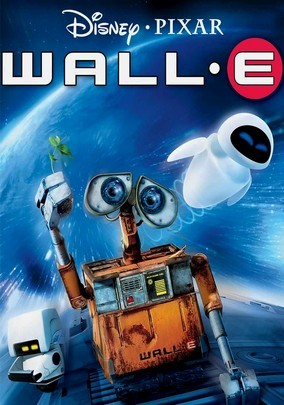
WALL-E-2008

WALL-E-2008

Director Andrew Stanton

Starring Various voices

Scott’s Review #594

Reviewed January 8, 2017

Grade: B+

After hearing so much buzz about WALL-E (2008), I decided to see for myself what all the fuss was about.

Disney-Pixar has created another fantastic film. Visually, it is a creative and intelligent experience that warrants the praise it has received.

They also do a lot with intricate graphics and animations.

In a futuristic world where humans have destroyed their environment and thereby abandoned planet Earth, the robot WALL-E is left to clean up the mess.

He then meets a fellow female robot named EVE, and the two develop an innocent, sweet relationship that is charming and authentic.

The humans in the film are portrayed as fat, lazy, incapable of intelligent thought, and mostly unable to move much since technology has trained them to be that way.

Sad.

The story itself is very sweet and touching, and sends a very important message about society and taking care of our environment.

Very enjoyable.

Oscar Nominations: 1 win-Best Original Screenplay, Best Animated Feature Film (won), Best Original Score, Best Original Song-“Down to Earth”, Best Sound Editing, Best Sound Mixing

Tropic Thunder-2008

Tropic Thunder-2008

Director Ben Stiller

Starring Ben Stiller, Robert Downey, Jr., Jack Black

Scott’s Review #593

Reviewed January 8, 2017

Grade: D-

Tropic Thunder (2008) was a ridiculous film that I found to be harsh, tedious, and very loud. Attempting to be a satire of sorts, it fails on almost every level.

The main issue was with the characters, who are abrasive and unlikable.

The only redeeming qualities are Robert Downey Jr.’s and Tom Cruise’s portrayals, though they both play idiotic characters.

The plot is something of an ode to 1979’s Apocalypse Now, in that the plot throws back to the Vietnam War.

A group of narcissistic actors is filming a Vietnam memoir on location in the jungles of Southeast Asia when they are abandoned and forced to fend for themselves amid a group of drug lords.

The film’s attempt at humor fell flat for me. It just seemed like a group of crazed guys running around the jungle acting wild, and the film held little point for me.

Cruise’s part was interesting but way too small.

Directed by, and starring Ben Stiller, who should stick to acting (if that).

How Downey, Jr. scored an Oscar nomination for this drivel is beyond me, despite his acting being one of the better efforts in the film.

Oscar Nominations: Best Supporting Actor-Robert Downey Jr.

Friday the 13th-2009

Friday the 13th-2009

Director Marcus Nispel

Starring Jared Padalecki, Amanda Righetti

Scott’s Review #592

Reviewed January 8, 2017

Grade: C-

As a devoted and faithful fan of the Friday the 13th film franchise, and with many wonderful memories of Friday the 13th in the past, I was expecting better than this version.

There was no reason for the producers to start from scratch with a brand new beginning- that makes no sense to me.

There is nothing to distinguish this, 2009 Friday the 13th,  from other sequels. They would have been better suited to making a “Friday The 13th Part 11” since that’s what it was.

An entirely new storyline was created, only keeping to the original Jason and Mrs. Voorhees characters and Camp Crystal Lake location.

This movie is not scary, nor are any of the characters particularly likable. Several were quite unlikeable- way too many horror films do that.

The film also contains very distinct stereotypes, which in this day and age seem ridiculous.

Also, Jason has now graduated to “taking prisoners” instead of simply hacking his victims.

There is also a “flashback” scene from 1980, which, inexplicably, is a newly filmed scene. A wiser choice, and a treat for loyalists, would have been to show this scene from the original Friday the 13th from 1980 instead of foolishly recreating one.

The story is completely implausible in countless ways.

I am giving this film a very liberal C- grade for at least giving us a new film and for being somewhat entertaining, even though there are many negatives.

This film will be forgotten before too long.

Welcome to my blog!1,552 reviews posted so far! I'm Scott Segrell and I reside in Stamford, CT. My site features hundreds of film reviews I have written since I launched the site in 2014. I hope you enjoy reading my latest reviews or searching for your own favorites to see if we agree. Please see my Recent Posts section, and don't forget to utilize the tags and category links.