Tag Archives: Nigel Hawthorne

The Object of My Affection-1998

The Object of My Affection-1998

Director Nicholas Hytner

Starring Jennifer Aniston, Paul Rudd

Scott’s Review #1,249

Reviewed April 24, 2022

Grade: B

The Object of My Affection (1998) is a romantic comedy riddled with the standard clichés and obvious plot setups of similar films.

As a whole, it is plot-driven rather than character-driven.

The redeeming factor is that it takes a left-of-center approach and delves into LGBTQ territory, albeit in a soft-touch way, which more mainstream American films were only starting to do in the late 1990s.

The best part of the film is the casting of Jennifer Aniston and Paul Rudd, who have tremendous chemistry as a potential couple who have no chance of riding off into the sunset together.

At least in any romantic sort of way. He is gay, and she is straight, and nothing can change that.

Though fluffy, The Object of My Affection deserves some level of praise.

Several gay men can easily relate to a situation where they find a female friend who is enamored with them and experience a return of affection differently.

It’s common to fantasize about what might have been if feelings had been different, and, as the film explores, even to try to go straight.

The film itself has a definite Will & Grace vibe, a popular television program emerging at this time, and even has the same location. The main characters become the very best of friends, watching movies together and sharing intimate moments, just like a romantic couple would.

The late 1990s were a time when gay characters took center stage, so The Object of My Affection gets a thumbs up for being part of the herd.

Nina Borowski (Jennifer Aniston) lives in Brooklyn, New York, and works as a social worker. She invites her new gay friend, George (Paul Rudd), to move into her apartment after he breaks up with his longtime lover, Robert (Tim Daly).

Meanwhile, Nina gets pregnant and decides to keep the baby, but ends her relationship with the child’s father, her controlling boyfriend Vince (John Pankow).

As Nina and George live and experience her pregnancy together, they grow close, and Nina realizes she’s beginning to fall in love with her friend.

Aniston and Rudd work well together as a couple, as friends, or otherwise, and the chemistry is terrific. Even during the sappiest of scenes, and there are many of them, I always smiled a bit at their bond.

When Nina and George have the inevitable dramatic scene and express their feelings, it doesn’t feel as forced as one might expect. Their bond is solidified, and the film unsurprisingly has the pair remain in each other’s lives, presumably forever.

In satisfying form, Nina and George do ride off into the sunset along with little Molly, but in solid relationships with other mates. Each character finds their destiny and soulmate while keeping in each other’s lives.

While nice, there are many hurdles the filmmakers could have gone further with, but don’t. The message is clear- regardless of sexuality, race, religion, or politics, a friend is a friend and a bond is meant to be forever.

It’s a warm message that is the basis for what the intent was, and the film delivers a heartfelt story that eases the conflict of real life, and perhaps that is needed sometimes.

As much as The Object of My Affection (1998) has its heart in the right place with a progressive and inclusive slant, the film is bogged down by clichés and a fairy-tale ending.

It’s a nice, fulfilling fantasy film, but skates over hard-hitting, realistic issues in favor of kid-glove-type situations, making it feel dated nearly twenty-five years later.

Other films in the years ahead would supersede the premise and take it to different, more interesting levels, delving further and further outside the box.

But, a nice attempt.
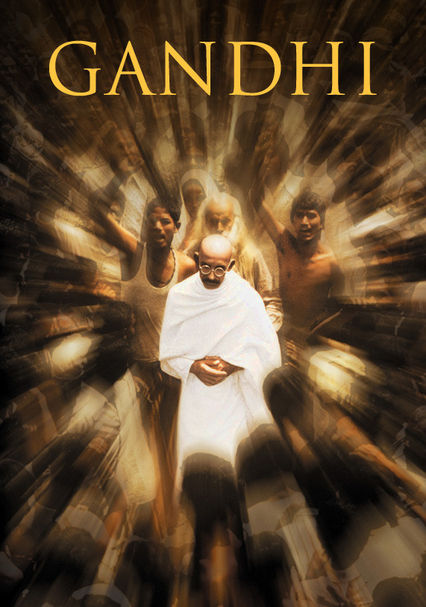
Gandhi-1982

Gandhi-1982

Director Richard Attenborough

Starring Ben Kingsley

Scott’s Review #1,189

Reviewed October 30, 2021

Grade: A

Ben Kingsley delivers an astonishing performance as Mahatma Gandhi,  the steady-handed lawyer who stood up against British rule in India and became an international symbol of nonviolence and peaceful understanding until his tragic assassination in 1948.

Entitled simply Gandhi (1982), the film is directed by Richard Attenborough, who had previously created masculine offerings such as The Great Escape (1963) and The Sand Pebbles (1966).

Calmly, the director creates a grandiose epic, but one that is thought-provoking and introspective in its humility.

I was incredibly affected by this picture.

As beautiful as the cinematography and other trimmings are, the message stands out to me most. One man’s spirit and thirst for fairness and human equality are beyond inspiring decades after the film was made.

Thanks to Kingsley, the biography infuses an infectious sense of what it means to a human and makes human decency the desired goal.

The film belongs to Kingsley. Despite hosting a cast of literally thousands, he is the only name worth mentioning. He is that superior.

Attenborough, who teams with screenwriter John Briley, presents major events in the life of Mohandas Gandhi (Kingsley).

The film starts suddenly in January 1948, when an elderly Gandhi is on his way to an evening prayer service and is shot point-blank in the chest in front of a large number of dumbfounded greeters and admirers.

His state funeral is shown, with a procession attended by millions from all walks of life, and a radio reporter speaking eloquently about Gandhi’s world-changing life and projects.

The film then returns decades earlier, when Gandhi, a young man, has a violent and racist experience. He vows to dedicate himself to nonviolent resistance. Initially dismissed, Gandhi eventually became internationally renowned, and his passive-resistance gatherings moved India towards independence.

Gandhi has been criticized for its extraordinary length with a running time of three hours and ten minutes. A suggestion is to watch the film in multiple sittings, though the best approach is to see it on the big screen.

Unfortunately, I didn’t, but I fantasized about the massive sequences and how gorgeous they would look in cinemas.

The story, acting, production, and pretty much everything else about Gandhi is a ravishing spectacle.

It’s worth its weight to sit back and watch Kingsley completely immerse himself in the role. The actor deservedly won the Best Actor Academy Award and, despite his oodles of other film roles, is best remembered for this one.

I’m half-surprised that it didn’t typecast him, since he is so identifiable in the role.

I want to mention two aspects that some might notice less than others, but that are simply astounding. The cinematography of India’s deserts, towns, and cities is rich in detail and accuracy. If one cannot go on a trip to India, the next best thing is to watch this film instead. You’ll get a good dose of realism.

South Africa is also featured.

The costumes brilliantly showcase Indian flair and culture, so much so that I felt I had been to an interesting country at the time the film portrayed the events, nestled amid the luxurious colors and good taste.

Post-1982, the epic film genre exists rarely, if ever, anymore.

Long gone are the days of brilliance like Gone With the Wind (1939) or Lawrence of Arabia (1962), which are truly a delight to lay one’s eyes on.

Gandhi deserves to be appreciated as much as those other films, despite being released in a less-than-artistic decade in cinema.

Gandhi (1982) is a wonderfully tragic film that leaves the viewer feeling sad yet inspired to carry the torch one brave man picked up.

A history lesson is also a lesson in humanity and in the courageous fight one man waged. Military power is not the way to achieve change in the world.

Oscar Nominations: 7 wins-Best Picture (won), Best Director-Richard Attenborough (won), Best Actor-Ben Kingsley (won), Best Screenplay-Written Directly for the Screen (won), Best Art Direction, Best Cinematography (won), Best Costume Design (won), Best Film Editing (won), Best Makeup, Best Original Score, Best Sound