Earthquake-1974

Earthquake-1974

Director Mark Robson

Starring Charlton Heston, Ava Gardner, Geneviève Bujold

Top 250 Films #144

Scott’s Review #407
60030175

Reviewed June 2, 2016

Grade: B+

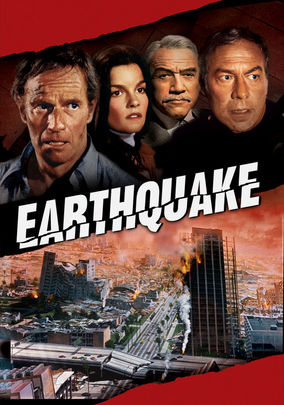
One of the several disaster films to populate film screens in the early to mid-1970s, Earthquake is one of the “main four” blockbusters (The Poseidon Adventure, 1972, The Towering Inferno, 1974, and Airport, 1970, being the others) that still resonate with viewers in modern times and are nostalgic to watch.

One might argue that the aforementioned few largely influenced Earthquake since it was the last of the group to be filmed.

Certainly, the influence is apparent.

Earthquake is a classic, traditional disaster film containing many stock characters (or types). It is an ensemble piece- as disaster films always are- frequently containing stars of yesteryear attempting exposure in the modern cinema.

The gender roles in Earthquake are quite mainstream for the day, as the females are all clearly “damsels in distress” types, and the men are portrayed as the heroes.

The action begins as we witness a Los Angeles-based middle-aged couple (the central couple, if you will) engaging in a dispute.

Charlton Heston and Ava Gardner play Stewart and Remy Graff, an affluent couple, a former football star, she a boozy socialite. Her father is the wealthy Sam Royce, played by Lorne Greene. Stewart is having an affair with a young actress, Denise Marshall, creating a soap-opera-style romantic triangle that adds drama to the film.

We meet other characters who round out the characters’ stories- LAPD Sgt. Slade (George Kennedy) shares a flirtation with Rosa (Victoria Principal), while drunkard Walter Matthau and evil kineval character Richard Roundtree provide comic relief.

These stories are merely filler until the inevitable earthquake arrives to ‘shake’ things up.

The earthquake is the main character in the film, just like the tidal wave, the fire, and the airline peril are in other films in the same genre.

The character’s trivial relationships soon take a back seat to the action as the earthquake shatters the city in subsequent onsets and aftershocks, destroying buildings and resulting in many deaths.

The very lengthy main earthquake sequence is second to none, hovering around the twenty-minute mark. We see many characters in peril. The scene goes on and on but is hardly redundant.

The scene is masterful and well done. The effects, cinematography, and visuals alone hold up well today and must have been breathtaking circa 1974.

In one particularly thrilling scene, a group of office workers on the thirtieth floor of a skyscraper desperately scrambles to the elevator as the building shakes and shimmies.

One businessman shoves a secretary aside and selfishly steps into the crowded elevator as others desperately pound on the door to escape.

Things do not end well for the folks on the elevator as bolts loosen and the car crashes to the ground. An animated blood splat fills the screen in a lighthearted, comical way.

The film wisely does not take itself too seriously.

As fantastic as the destruction sequence is, Earthquake is not a film without a few flaws, mostly from a character standpoint.

Unbelievable is Heston playing Greene’s son-in-law, and Gardner is assumed to be young enough to be his daughter- they appear to be around the same age.

A strange character, Jody, a store clerk, suddenly dresses as a soldier, wearing a wig, following the destruction, and is assumed to be gay by thugs, who tease him, which prompts him to shoot them with a machine gun. He subsequently becomes obsessed with and nearly rapes Rosa.

The sub-plot seems uneven and very unnecessary.

With spectacular special effects, Earthquake (1974) is a must-see disaster film with a slightly downcast, hopeless tone. It does its job well- it entertains, thrills, and features an all-star cast of former Hollywood elite and a few rising stars.

A fun time will be had.

Oscar Nominations: 1 win-Best Sound (won), Best Art Direction, Best Cinematography, Best Film Editing
Dr. No-1962

Dr. No-1962

Director Terence Young

Starring Sean Connery

Top 250 Films #145

Scott’s Review #667

Reviewed July 27, 2017

Grade: A-

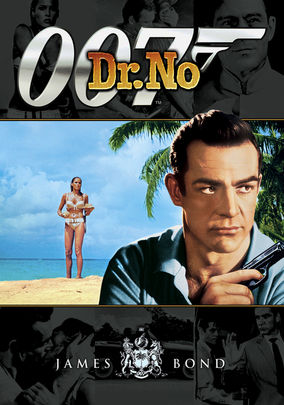
Watching the 1962 film that launched the James Bond franchise into the legendary status it has since become, Dr. No is rich in history and a blueprint for what the Bond films would encompass in the decades to follow.

Admittedly, while more essential than the more sophisticated and fleshed-out chapters to come, the film is nonetheless a superb entry in the franchise and a chapter to be cherished on its own merits.

Charismatic Sean Connery, soon to forever be identified in the role of James Bond, fills the role with a masculine confidence oozing from the screen in every scene.

His performance in the role is so seamless that one might assume he had been playing Bond for years rather than being a novice.

And who can forget the character’s first entrance- in a casino, confidently gambling and introducing himself to Sylvia Trench, a character initially slated to be his steady girlfriend?

The film version of Dr. No is adapted from the first Ian Fleming spy novel of the same name, which is clever. As the years passed, the Bond films were modified from the originally written pages, so it is cool and original to have them closely mirror the book.

Lacking a hefty budget, the action is set in London and Jamaica and at Crab Key, a fictional island off Jamaica.

When Strangways, a British Intelligence Chief, is killed and his body taken by assassins known as “the Three Blind Mice,” who also steal files related to Crab Key island, and a mysterious man named “Dr. No,” Bond is summoned to his superior’s (M) office in London and tasked with determining whether the incident has anything to do with radio interference of missiles launching in Cape Canaveral.

Naturally, it does, and the adventure sets off a series of dramatic events involving henchmen, scrapes with death, and Bond’s bedding of more than one beautiful woman before facing the ultimate showdown with the creepy title character., who is missing both hands.

Notable and distinguishable to the film are the fabulous, chirpy, child-like songs featured. From the tuneful, harmonic, nursery rhyme, “Three Blind Mice”, sung calypso style, to the sexy and playful, “Under the Mango Tree”, both are light, yet filled with necessary mystery.

The fact that the former is featured at the beginning and end implies that the same villains are joyfully singing the happy tune, is a good indicator.

Dr. No is also inspired by the introduction of the crime organization SPECTRE, which any Bond fan knows very well and is a staple of the franchise.

As Dr. No, Joseph Wiseman is well cast, though sadly, we only see him in the latter part of the film. Much more character potential is left untouched, though the mystique of knowing the man exists but not what he looks like is worth mentioning.

Admittedly, the assumption that the audience will not be witty enough to realize that Dr. No and Miss Taro (a villainous secretary) are Caucasian actors wearing unconvincing makeup is silly.

Why the choice was made not to cast authentically ethnic actors is unclear. My guess is the powers that be wanted to go a safer route due to the uncertainty of the franchise at that time.

Still, for a first try, Dr. No gets it just about right.

What woman in 1962 was sexier or cast more perfectly than Ursula Andress as the gorgeous and fiery sex kitten Honey Ryder? This casting was spot on, and who can forget her sultry introduction to the film as she emerges from the roaring waves on the beach in a scantily clad bathing suit?

The set designs and locales also work well in the film.

The sets are contemporary, specifically the spacious prison apartment in which Bond and Honey briefly reside. Sleek and sophisticated, the sofa, rug, and tables exude luxury and class.

Dr. No (1962) is a worthy film on its own merits and a fantastic introduction to the world of James Bond and the many trademark elements and nuances that the films contain.

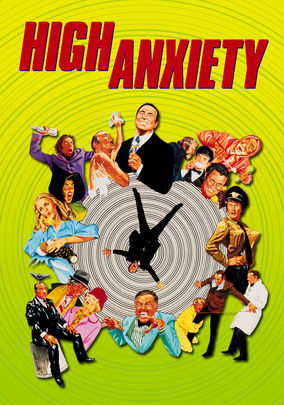
High Anxiety-1977

High Anxiety-1977

Director Mel Brooks

Starring Mel Brooks, Madeline Kahn, Cloris Leachman

Top 250 Films #146

Scott’s Review #740

Reviewed April 11, 2018

Grade: A

For lovers of legendary film director Alfred Hitchcock (as this reviewer is a die-hard fan), the 1977 spoof/satirical feast High Anxiety is a must-see.

The film is simply a treat for the multitude (nearly twenty!) of fun references to Hitchcock classics that fans can easily point out. Such classics as 1964’s The Birds, 1945’s Spellbound, 1958’s Vertigo, and 1960’s fan-favorite Psycho are heavily parodied.

Producer, director, and star Mel Brooks abounds all expectations with a brilliant performance and a smattering of veteran Brooks ensemble players along for the ride.

Featured stars Madeline Kahn, Harvey Korman, and Cloris Leachman deliver wonderful, lively, and memorable comic performances without ever being too zany or silly.

High Anxiety is a hilarious and clever production.

Brooks plays neurotic Doctor Richard Thorndyke, whom the Psycho-Neurotic Institute has hired for the Very Very Nervous. His role is to replace Doctor Ashley, who has died mysteriously at the facility.

Transported by his nervous driver, Brophy, he meets a bevy of peculiar characters led by Doctor Charles Montague (Korman), a man with a BDSM fetish, and Nurse Charlotte Diesel (Leachman), the grizzled head nurse.

Thorndyke immediately receives death threats amid strange shenanigans that seem to follow him wherever he goes.

Brilliantly, Thorndyke suffers from “high anxiety,” a witty reference to Hitchcock’s character of Scotty from 1958’s Vertigo.

As he meets and falls in love with Victoria Brisbane (Kahn), a woman whose father is a patient at the facility, he becomes determined to prove the fraudulence and deceit of Montague and Diesel, while subsequently clearing himself of a murder charge orchestrated by the pair.

The murder scene- occurring in a crowded lobby- with Thorndyke caught red-handed holding the murder weapon as a camera snaps the shot for evidence, is a direct spoof of 1959’s North by Northwest.

To be clear, High Anxiety is not a high-brow film, nor does it ever dare to take itself too seriously. It knows what it is and what it wants to achieve: to both entertain and please fans of Hitchcock.

The film is an ode and tribute to the general filmmaking of the director, who reportedly adored the picture and the accolades that Brooks received for making it.

There is hardly a better stamp of approval than that.

I adore the casting and the odd characters Brooks writes, specifically Leachman and Korman. The duo ham it up with a script laced with great comic moments to sink their teeth into.

Leachman, with her drill-sergeant-like stiff posture and pointed bosom (Mrs. Danvers from Rebecca in the 1940s), combined with the wimpy and snarky mannerisms of Korman’s character, is the perfect combination of female dominant and male submissive as they play off one another in a crisp style.

The sinister way that Nurse Diesel (my favorite character) utters the word “Braces”, a reference to her henchman, drizzles with dark humor and wit.

Piggybacking off these characters, Dick Van Patten (Eight Is Enough) gives a fine turn as the doomed straight man with a conscience, Dr. Wentworth, who knows something is up at the facility but is too timid to know exactly what it is.

His death scene is one of my favorites as derived from 1976’s Family Plot, the poor man is driven to ruptured eardrums and a subsequent stroke after his car is rigged to blast rock music, trapping him inside.

Brooks and Kahn make a lovable duo as the beleaguered romantic couple is forced into an adventure to prove innocence and rescue Victoria’s father from harm.

A favorite moment is Brooks’s wonderful rendition of “High Anxiety” at a hotel piano bar as he successfully woos Victoria, an entertaining romantic-comedy moment.

Predictably, he gets the girl.

High Anxiety (1977) is delicious, silly, and peppered with great classic Hitchcock moments that are fun to watch and to pick out which movie each one references.

An absolute must-see for all Hitchcock fans or those who want a humorous, lightweight introduction to the works of the Master.

Snow White and the Seven Dwarfs-1937

Snow White and the Seven Dwarfs- 1937

Director David Hand

Starring Various Voices

Top 250 Films #147

Scott’s Review #625

Reviewed March 18, 2017

Grade: A-

Snow White and the Seven Dwarfs (1937) is Walt Disney’s debut feature-length production and the first animated feature.

Until their release, animated stories were not features at all, but rather shorts that were shown as gag-filled entertainment, not to be taken too seriously.

Snow White and the Seven Dwarfs made animated films something to be appreciated and respected. The 1937 film was re-released in theaters numerous times until the 1990s and serves as a blueprint for what animated features would become.

The film is based on the famous fairy tale of the Brothers Grimm, and it is a cherished treasure.

Beautiful inside and out, Snow White is a lonely princess who lives with her devious, wicked stepmother, the Queen. Making the most of her troubled life, Snow White hums and sings with her bird friends, who gather to keep her company as her stepmother forces her to work as a scullery maid.

The Queen is a vain woman, jealous of Snow White’s natural beauty. She constantly consults her mirror to ask, “Who is the fairest one of all?”

One day, the Queen decides to put an end to Snow White and orders a henchman to kill her in the forest and return her bloody heart to her in a box. When the henchman cannot do the deed, he pleads with Snow White to flee.

She winds up in a bit of cottage housing seven dwarf men, whom she befriends, as the Queen is determined to take drastic measures to find her.

In the late 1930s and for years to come, animated features were not created as they are today. Instead, they were simplistic —and excellent —in using storyboards and drawings in their creation.

This daunting task, along with the creativity involved, makes them just lovely to look at.

Since Snow White and the Seven Dwarfs was the debut animated feature, the drawings are fantastic to view, like pictures, and to appreciate the craftsmanship involved.

The characters are richly created, with bright, vivid colors that distinguish them from one another—Snow White’s bright red lips and the blue and gold colors of her dress contrast with the regal purples used on the Queen, to say nothing of the deep red color of the poison apple.

The color makes the apple appear delicious but also dangerously blood red. These nuances lend the characters depth and texture.

The friendships Snow White forms with the dwarfs and the animal life in the forest are whimsical and filled with love, and the animal element later becomes a staple of Disney’s works, as seen in Dumbo and Bambi.

The animals are naturally drawn to Snow White because she is joyful and kind. They, in turn, warn her of impending danger as the Queen turns herself into an old woman and lumbers towards Snow White, snug in the cottage.

Snow White and the Seven Dwarfs features an old-style romance. The handsome Prince takes a shine to Snow White, noticing her natural beauty as she sings, and is later determined to save her, which he does when he magically kisses her in the film’s finale.

The songs featured only enhance the love story—”Some Day My Prince Will Come” is a lovely ode to romance, tenderly sung by Snow White as she longs for the Prince’s touch, frustrated with her life.

The seven dwarfs are created magically, and seven little men living together seem quite natural in those innocent times.

Each is distinctive—Dopey is my personal favorite in his innocence and playfulness—and Happy, Doc, Grumpy, Sneezy, Sleepy, and Bashful are all written with great zest. We fall in love with each of them from the first moment we meet them as they belt out “Heigh-Ho” in unison.

Since Snow White and the Seven Dwarfs deserve merit for being Disney’s first, it is overlooked that the film omits any family members of Snow White’s besides the evil Queen. Where are Snow White’s father and mother? Any siblings? Indeed, they are presumed dead, but they are never mentioned.

Also, why does the Queen have a Magic Mirror and have special powers that nobody else has?

At one hour and twenty-three minutes, Snow White and the Seven Dwarfs is a relatively brief film, yet it does not feel underdeveloped. The story and the characters are rich with appeal and intrigue, making the film a classic that should be shared with all youngsters.

It is a classic tale of good versus evil and a great love story, setting the tone for other Disney masterpieces to follow.

Oscar Nominations: Best Scoring

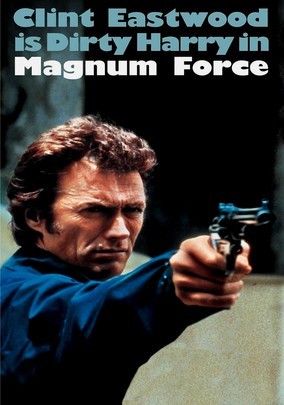
Magnum Force-1973

Magnum Force-1973

Director Ted Post

Starring Clint Eastwood, Hal Holbrook

Top 250 Films #148

Scott’s Review #336

60021588

Reviewed January 9, 2016

Grade: A

The follow-up to the original action thriller to end all action thrillers, Dirty Harry, 1973’s Magnum Force, is as good as the original in my opinion, but flies under the radar compared to the acclaimed Harry.

Both films are similar in style and grit, but Magnum Force holds sentimental memories for me, as I remember watching the film countless times on rainy Saturday afternoons as a kid.

The similarities abound between the two films, as the screenwriter and the score are by the same writer and composer, respectively.

Admittedly, Magnum Force is more conventional and less dirty than its predecessor.

Playing not just the same role of Harry Callahan, the grizzled, hard-nosed Inspector from Dirty Harry, but also Clint Eastwood plays him in quite the same manner.

Not one to blow anyone away with his dazzling acting talent, Eastwood is smart to keep to the status quo. The character is tough and no-nonsense, but has a take-prisoner vulnerability we love and admire.

In this chapter, a syndicate of vigilante cops is taking matters into their own hands by assassinating known criminals who have been let off the hook either by connections or some other form of loophole.

The pattern is for uniformed patrol officers to pull over a criminal for a mundane reason, only to shoot and kill them on the side of the road at point-blank range. They deserve it, but are the cops justified in their actions?

The appeal and mystery of the film is that the police officers wear dark helmets that hide their identities from the audience, adding a level of intrigue.

The film offers up a moral question: do the criminals get what they deserve, and do the police officers have the right to justify their actions?

Especially relevant is the final thirty minutes of the film, as Harry and the central “villain”, Lieutenant Briggs (Holbrook), have a standoff and discuss the topic.

Magnum Force is a shoot-’em-up action flick, so this debate is skirted over largely in favor of car chases and fight scenes. But the point can be thought about.

The best sequence of the film is the finale, as Callahan is lured to an abandoned garage and chased by three remaining cops. The big reveal is that Briggs is running the show, and as he drives around in his early 1970’s Ford LTD, soon to become battered and weathered, it is a great scene, especially for those who enjoy car chases.

Magnum Force (1973) is a no-frills “guy” film, but one done very well and with an interesting, semi-controversial premise.

The film is the 1970s action genre at its very best.

Surprisingly, and to the film’s credit, one can discuss the film after watching it instead of it being a generic, forgettable flick.

Torn Curtain-1966

Torn Curtain-1966

Director Alfred Hitchcock

Starring Paul Newman, Julie Andrews

Top 250 Films #149

Scott’s Review #109

70038983

Reviewed July 15, 2014

Grade: A-

Torn Curtain is an under-appreciated and largely forgotten Cold War political thriller directed by Alfred Hitchcock circa 1966.

The film is very good, but was troubled from the start, which presumably led to its poor reception and a trip to film oblivion.

The trouble with the film lies with the casting; otherwise, it is a compelling, suspenseful adventure.

Starring Paul Newman and Julie Andrews- two enormous stars when the film was made, the studio chose both, and neither did Hitchcock desire on the set.

This led to conflict, especially with Newman, who disliked the script.

His continued script “rewrites” and method of acting annoyed the famous director.

Newman plays Michael Armstrong, an American physicist who is attending a conference in Copenhagen. Andrews plays his assistant and fiancée, Sarah Sherman.

Michael mysteriously flies to East Germany, behind the Iron Curtain, unknowingly with a concerned Sarah in tow. This event sets off political intrigue and espionage as Michael attempts to secure a formula and return it to the United States.

But is he a patriot or a defector, colluding with the Germans?

Presumably, the main reason for the poor reviews of Torn Curtain is the lack of chemistry between Newman and Julie Andrews, as well as behind-the-scenes problems with the film (both stars were unhappy throughout the shoot, and Hitchcock did not want either actor in the film).

In truth, there is little chemistry between the pair, and I cannot help but think how delicious it would have been if Sean Connery and Tippi Hedren had been cast instead! After all, this duo had great chemistry in Marnie, released just two years prior.

Despite the backstage drama, the film is complex, exciting, and taut. The bus escape scene is fantastic and edge-of-your-seat.

The best scene, though, occurs in the middle of the film, when Michael is in East Germany. He is revealed to be part of a syndicate that enables him to sneak out of the country. He then goes to a remote farm, where he is involved in a torturous fight with a security officer and a farmer’s wife.

The scene is spectacular in its long length and edge-of-your-seat drama.

The scenic locales are excellent, and the film is bright, colorful, and sharp, especially on Blu-Ray. The gorgeous opening scene is aboard a cruise ship in the breathtaking Fjords of Scandinavia.

Frankly, I am surprised this film has not been rediscovered on a larger scale. Along with Topaz (1969), Torn Curtain (1966) is another forgotten gem of Hitchcock’s, worthy of praise.

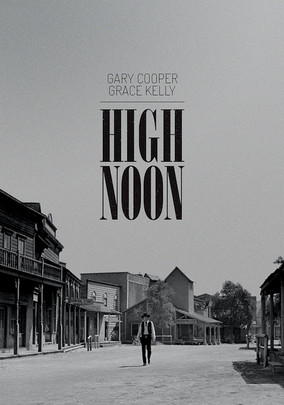
High Noon-1952

High Noon-1952

Director Fred Zinneman

Starring Gary Cooper, Grace Kelly

Top 250 Films #150

Scott’s Review #638

Reviewed April 28, 2017

Grade: A

Billed as a standard Western but much more complex than a film as traditional, basic Western, High Noon accomplished what no other Western did in 1952- adding complexities from different genres, such as suspense and drama, to a film form.

Additionally, High Noon challenged typical Western themes, such as male-driven fights and chases, in favor of a moral and emotional approach, and oh, is the film ever character-driven.

The results are astounding, and to understand and appreciate all its elements, the film should be studied in film school.

High Noon heartily breaks the mold. It was released when mainstream Western was quite popular in the film, adding enormous risk, and the results paid off in spades.

Marshal Will Kane (Gary Cooper) has just wed his beloved bride, Amy (Grace Kelly), in a small ceremony in a tiny town in New Mexico. He plans to turn over his badge and retire to the prairie land with his new wife.

Suddenly, the town receives word that a dastardly villain, Frank Miller, whom Kane once sent away, has been released from a Texas prison and plans to exact revenge on Kane.

Miller is to arrive on the noon train as his three accomplices await his arrival, much to the chagrin of the rest of the town, who become panicked with each passing moment.

The film begins at approximately ten-thirty in the morning and ends shortly after Noon.

High Noon has subtle political themes and clear examples of McCarthyism. However, some dispute this McCarthyism was a campaign launched by Senator Joseph McCarthy, which ended up blacklisting many artists suspected of communism.

The central theme is how people become frightened and blame the attack on one another because of this fear. Our main protagonist (Kane) faces the dire feat of facing four angry gunmen, with revenge on their minds, alone, as an entire town of people chooses not to get involved.

Brilliant is that High Noon more or less takes place in real-time. The inclusion of clocks in the film, and specifically of pendulums swaying back and forth, creates a defined level of tension as character after character nervously glances at the time, knowing full well that with each passing minute, they inch closer and closer to a fantastic and deadly showdown- much blood will be shed.

Cooper, old enough to be Kelly’s grandfather, is noticeable if one chooses to be nitpicky, but the couple works well together, and I bought the happily wedded couple as genuine.

I adore the character of Helen Ramirez, played by actress Katy Jurado. A Mexican character, Ramirez is a prominent businesswoman in the small town, owning a saloon. She is empowered and confident, a character to admire regardless of gender.

A strong female character of Mexican heritage in a 1952 film was relatively uncommon, considering the film is set in the Wild West.

Equally impressive and completely backward for the time, the events of Amy coming to the rescue of Kane, instead of the standard, gender-specific, “man rescues woman,” challenge the norm. Further groundbreaking is that Amy is written as a Quaker woman, not the traditional Christian woman, nor is she skittish or silly.

Western stereotypes are entirely turned upside down, which is arguably way ahead of its time.

Eerie yet highly effective is the use of a “theme song” either sung or in another form (musical score or background music) throughout the film—the song is “Do Not Forsake Me, My Darling,” which became a hit for Texas Ritter.

It is worth mentioning that the success of this added “theme song” encouraged subsequent Westerners to add similar songs to their films.

Challenging the standard in many ways, High Noon sets the bar very high in its thoughtfulness, message, and conflict.

The film exemplifies people who take the world and turn it upside down with fantastic and inspiring results.

Oscar Nominations: 4 wins-Best Motion Picture, Best Director-Fred Zinnemann, Best Actor-Gary Cooper (won), Best Screenplay, Best Scoring of a Dramatic or Comedy Picture (won), Best Song-“The Ballad of High Noon (“Do Not Forsake Me, O My Darlin”)” (won), Best Film Editing (won)

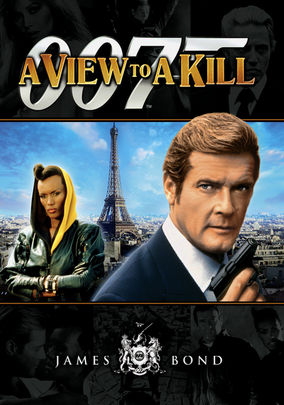
A View to a Kill-1985

A View to a Kill-1985

Director John Glen

Starring Roger Moore

Top 250 Films #151

Scott’s Review #484

60002473

Reviewed September 21, 2016

Grade: A

Not exactly deemed a masterpiece or even a treasured favorite among the masses of James Bond lovers, A View to a Kill (1985) holds a soft spot for me.

It is one of the first Bond films that I was fortunate enough to see in the movie theater, and it has continued to enchant me all these decades later.

Yes, it has flaws (to be mentioned later), but it is a classic, fun, exciting, mid-1980s Bond offering.

It contains Roger Moore- in his final Bond appearance, the exotic Grace Jones, a great villain, and on-location treats such as Paris and Iceland- who could ask for anything more?

We are reintroduced to MI-6 agent James Bond on the snowy slopes of Siberia as he discovers the body of 003, along with a Soviet microchip believed to belong to the wealthy Max Zorin (Christopher Walken).

Bond attends a horse sale hosted by Zorin and discovers he is drugging the horses to make them perform better.

It is also revealed that he intends to destroy Silicon Valley to rule the microchip industry. In Zorin’s camp is a mysterious woman named May Day and an odd Nazi scientist named Dr. Carl Mortner.

Events conclude in San Francisco as the action-packed finale takes place in a mine overlooking (via blimp) the historic Golden Gate Bridge.

I completely get the criticisms hurled at this film- both Roger Moore and, as a secondary character, Lois Maxwell as Miss Moneypenny, had gotten quite long in the tooth by this point in the franchise (1985), which is a shame because both are favorites of mine.

Most glaring in the “bad” department is Tanya Roberts as the main Bond girl, Stacy Sutten, almost rivaling Halle Berry (Die Another Day) as screamingly awful.

Not appearing as a major character until quite late in the film, Stacey is a wealthy heir to whom Zorin attempts to pay $5 million to relinquish her shares in Silicon Valley (she refuses).

Robert’s acting is quite poor- she has no chemistry with Moore, and comes across as a dimwit, despite being written as a doctor or scientist of some sort. Regardless, she does not work as a Bond girl.

Yes, the cartoon-like chase around San Francisco with the brooding police chief is unintentionally funny- another negative to the film.

But here are some strengths- Fantastic is Walken as the main villain role of Zorin. Psychotic, Looney Tunes, and such a pleasure to watch. With his bleached blonde hair and grimacing sneer, a particularly controversial, and favorite scene of mine is when Zorin, machine gun in hand, sprays bullets from left to right, undoubtedly killing dozens, as he gleefully laughs.

This was unprecedented in Bond films up to this point, as most villains contained a safer personality- Zorin is positively monstrous and to be feared.

Also worth mentioning is Jones as May Day, simply mesmerizing in the role- although sadly her character is weakened toward the end, did she believe Zorin was capable of love??

Countering the anemic chemistry between Bond and Roberts, the chemistry between Jones and Moore sizzles.

This is not the first time Bond has explored an interracial (white and black) romance- far from it. Live and Let Die- circa 1973 takes this honor. I would have enjoyed much more emotional exploration between Bond and May Day, rather than the animalistic physical attraction.

One may wonder, with all the recognizable flaws in the film, why the A rating? Because, simply put, this film is fun and contains all the elements a Bond film ought to. The action is plentiful- who can forget the nail-biting Eiffel Tower chase or the Paris car chase- sans car roof?

Not high art, but a grand favorite of mine, A View to a Kill (1985) is entertainment personified.

The pop title-theme song, performed by Duran Duran, which became a #1 hit in the summer of 1985, is a wonderful aspect of the film and immediately takes me back to a different time.

I suppose the film does as well, and that is a great part of my fondness for it.

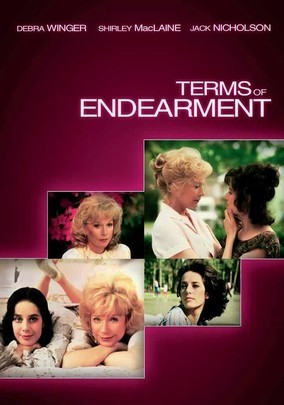
Terms of Endearment-1983

Terms of Endearment-1983

Director James L. Brooks

Starring Shirley MacLane, Debra Winger, Jack Nicholson

Top 250 Films #152

Scott’s Review #368

60004508

Reviewed January 9, 2016

Grade: A

Terms of Endearment (1983) is a sentimental favorite of mine, and while I am slightly embarrassed to include this chick-flick to end all chick-flicks on my favorites list, it is also a damned good sentimental film and makes me a bit weepy each time I see it.

It is pure Hollywood mainstream formula, but somehow Terms of Endearment works (romantic films are not usually at the forefront) and even won the coveted Best Picture Oscar in 1983.

That must say something.

So if it is so sappy, what makes it so great? For starters, it has exceptional acting all around, especially from the leads Shirley MacLaine, Jack Nicholson, and Debra Winger.

How can you go wrong with a talent of that caliber?

MacLaine and Winger play Aurora and Emma Greenway, a mother and daughter (the father is deceased) who share a lifelong love-hate relationship and live in the Midwest in the present.

Nicholson plays Garrett, a retired astronaut (and womanizer) and the object of Aurora’s affection.

The chemistry among all three is apparent- I sinfully find it delicious that Winger and MacLaine despised each other throughout filming, adding a layer of curiosity and intrigue to the film, and during their scenes.

Director James L. Brooks wisely balances the heavy drama with comedy, so the film does not become too overwrought.

For example, Garrett and Aurora have a humorous courtship, constantly bickering or misunderstanding each other- he is a womanizing playboy type and Aurora a domineering, insecure woman- they end up needing each other, nonetheless.

Unforgettable is the hilarious drive and the beach scene that the two share.  Even though the duo is tenuous and difficult, I love them all the same.

The tear-jerker scenes are emotional, especially the deathbed scene at the end of the film. There is so much raw emotion going on at once, and, a rarity in film, the child actors involved are real, believable, and flawless.

The film feels like watching a true, real-life drama play out. The heartache feels real, and the film as a whole feels very genuine.

Also interesting is Emma’s failing marriage to Flap (Jeff Daniels) and her subsequent affair with kind-hearted Sam (John Lithgow), as well as her departure from her mother’s hometown, the constant phone calls, and being in one another’s lives, just like a real mother and daughter relationship often is.

Terms of Endearment (1983) incorporates all of the elements that make a good, old-fashioned, dramatic tear-jerker, and I find myself a sucker for it each time that I watch it.

Oscar Nominations: 5 wins-Best Picture (won), Best Director-James L. Brooks (won), Best Actress-Shirley MacLaine (won), Debra Winger, Best Supporting Actor-Jack Nicholson (won), John Lithgow, Best Screenplay Based on Material Based on Another Medium (won), Best Original Score, Best Sound, Best Art Direction, Best Film Editing

The Color Purple-1985

The Color Purple-1985

Director Steven Spielberg

Starring Whoopi Goldberg, Oprah Winfrey

Top 250 Films #153

Scott’s Review #358

60026621

Reviewed January 9, 2016

Grade: A

Steven Spielberg, admittedly a director who focuses more on sentimentality, mixes heartbreak with the courage to blend a recipe that makes for a perfect, mainstream film from 1985.

It is a different direction for him, far from the summer blockbusters he was known for until this time.

Exceptional acting and cinematography lend themselves to The Color Purple, a film based on Alice Walker’s much darker novel—certainly, one of the best films of the 1980s.

A relative unknown when the film was made, Whoopi Goldberg gives an astounding performance in the lead role.

The film spans approximately forty years in the early twentieth century and is set in rural Georgia.

Celie Harris (Goldberg) is an oppressed black woman; her sister and best friend, Nettie, is sent away, leaving Celie a virtual prisoner with a man, Albert Johnson (Danny Glover), whom she is forced to marry and care for in addition to his children.

Raped and beaten, Celie is left with little self-worth until two women, rotund, feisty, Sophia (Oprah Winfrey), and Shug (Margaret Avery) inspire her to be something better.

The Color Purple is a deeply sentimental film filled with inspiration for anyone who has been beaten down or otherwise abused by people or society.

The depiction of southern life for blacks, especially black women, is depicted well, though softened, I have no doubt. Liberties must be taken for the sake of film, as black men, in particular, are not portrayed well- surely there must have been some decent black men in this time?

But, despite Spielberg being a male, The Color Purple is told from a definite female perspective.

Her role of Celie is Goldberg’s finest, and hers is a case of the Academy getting it all wrong; she should have won an Oscar for this performance instead of a consolation win a few years later for her secondary (and unremarkable) role in Ghost.

Goldberg never achieved any roles as great as Celie.

Her expressions and mannerisms spoke volumes, and her occasional wide, beaming smile would melt the coldest heart.

Winfrey, equally brilliant as Sophia (and also robbed at the Oscars time), is a completely different character. Angry, abrasive, and outspoken, she fills Sophia with life and energy, which makes her big scene heartbreaking to watch.

Defying a white man, she is beaten, arrested, and reduced to living out her days as a limping maid to a white woman, whom she swore she would never serve.

The cinematography and direction of The Color Purple are grand.

Spielberg does a believable job of depicting time accurately. The costumes worn by the cast and the lighting, in general, are bright and colorful, and I think this gives the film a pleasant look.

Again, Walker’s novel and the real-life experience were undoubtedly much darker, but for the film’s sake, this adaptation (numerous stage versions preceded and followed) makes for a wonderful film.

Oscar Nominations: Best Picture, Best Actress-Whoopi Goldberg, Best Supporting Actress-Margaret Avery, Oprah Winfrey, Best Screenplay Based on Material from Another Medium, Best Original Score, Best Original Song-“Miss Celie’s Blues (Sister)”, Best Art Direction, Best Cinematography, Best Makeup, Best Costume Design

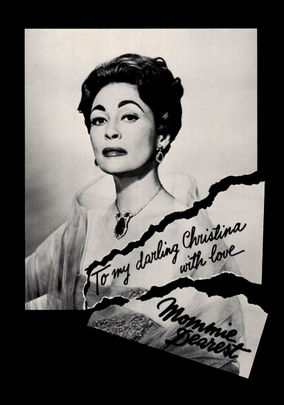
Mommie Dearest-1981

Mommie Dearest-1981

Director Frank Perry

Starring Faye Dunaway, Steve Forrest

Top 250 Films #154

Scott’s Review #195

60020629

Reviewed November 20, 2014

Grade: A

Camp, camp, camp!

By this point in film history, Mommie Dearest and this description go hand in hand, but when made in 1981, it was meant to be a much more serious film than it turned out to be.

Sadly, because of a few very over-the-top lines, it is forever inducted into the halls of cult-classic memory.

Based on the scandalous tell-all book written by Christina Crawford (Joan’s adopted daughter), Mommie Dearest tells the story of Joan Crawford, a Hollywood screen legend, from her heyday in the 1930s until her death in 1977, and mostly focuses on the tumultuous relationship with Christina, played as an adult by Diana Scarwid.

Convinced a baby was missing from her life and unable to conceive after several miscarriages with a former flame, Crawford’s beau at the time, an attorney, wrangles a way for her to adopt both Christina and, later, Christopher Crawford.

Dealing with her mother’s demands and abuse, Christina goes from a happy little girl to a rebellious teen sent to live in a convent and later struggling to find her way as an actress in New York City with no financial support from Mom.

The film also wonderfully describes the career of Crawford- from highs (winning the Academy Award for Mildred Pierce) to lows (being cut from MGM and reduced to screen tests).

The film recounts Joan Crawford’s continuing battles with booze and neuroses.

From start to finish, the film belongs to Dunaway as she becomes Crawford- the eyelashes, the mannerisms, every detail is spot on.

Unfortunately for Dunaway, due to the unintentional comedic view of this film, she was robbed of an Oscar nomination, shamefully so. The film was awarded several Razzies- a derogatory honor given to the year’s worst films.

Dunaway must have put her heart and soul into this performance.

During the infamous wire hanger scene, Dunaway looks frightening as her face, caked with cold cream, reveals a grotesque mask- reminiscent of Batman character The Joker- as she shrieks at her daughter in the middle of the night, during a drunken tirade, after finding beautiful clothes on wire hangers.

She then trashes her daughter’s bathroom, insisting it is already filthy.

One will shriek with gales of laughter as Crawford berates her maid Helga for not scrubbing beneath a potted plant, only to insist, “I’m not mad at you, Helga, I’m mad at the dirt”.

In another haunting scene, Joan throws a birthday party for Christina, complete with a merry-go-round, balloons, presents, and the paparazzi.

Joan’s attire is a little girl’s dress, matching young Christina’s- a morbid foreshadowing of the competition that is to exist between them as the years go by.

The secondary characters are merely an extension of Dunaway’s character and do their best to support her- her harried live-in assistant, Carol Ann, played by Rutanya Alda, both of her love interests, lawyer, Greg Savitt, played by Steve Forrest, and later, Pepsi-Cola mogul Alfred Steele, played by Harry Goz.

The actors do their best with the material given and are neither exceptional nor flawed. None of these supporting characters has any backstory beyond reacting to Crawford’s drama and, if written better, could have given the film a bit more depth.

The look of the film is pleasing- Crawford’s house is beautifully decorated with lavish furniture, and the colors throughout the film are both bright and vivid.

The now-legendary lines of “No wire hangers ever!”, “Christina! Bring me the ax!”, and “Don’t fuck with me fellas, this ain’t my first time at the rodeo” are hysterical in their melodrama and effect.

Crawford is portrayed as an obsessive-compulsive, demanding, control freak. One may debate the authenticity of Christina’s claims against Joan Crawford until the end of time.

Not the masterpiece it was intended to be, Mommie Dearest (1981) can be enjoyed viewing after viewing for some campy silliness, with one hell of a great performance by Dunaway mixed in.

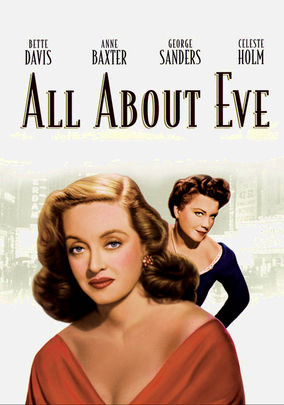
All About Eve-1950

All About Eve-1950

Director Joe Mankiewicz

Starring Bette Davis, Anne Baxter

Top 250 Films #155

Scott’s Review #73

242142

Reviewed June 27, 2014

Grade: A

All About Eve is a cynical masterpiece from 1950 set in the competitive world of the New York theater.

Insecure Margo Channing, played to perfection by Bette Davis, is an aging actress whose career is declining. She meets naïve Eve Harrington, played by Anne Baxter, who insinuates herself into Margo’s life and career.

One interesting aspect of this film is the opening scene of Eve’s acceptance speech. The look of anger and disdain on the front table indicates what is to come.

The film backtracks from the first time the two women meet, and the story begins.

It is undoubtedly a dark film, and jealousy and back-stabbing are common themes throughout, as had never been done before, set in the world of theater.

One by one, each of Margo’s friends catches on to Eve’s plot, but at what cost?

This is Bette Davis’s comeback performance as a talented Broadway star, and she makes the most of the opportunity as she deliciously utters her famous revenge-minded line, “Fasten your seat belts. It’s going to be a bumpy night”.

Marilyn Monroe has a cameo role as a debutante in her first film role.

The film deservedly won the 1950 Best Picture Oscar.

Oscar Nominations: 7 wins-Best Motion Picture (won), Best Director-Joseph L. Mankiewicz (won), Best Actress-Anne Baxter, Bette Davis, Best Supporting Actor-George Sanders (won), Best Supporting Actress-Celeste Holm, Thelma Ritter, Best Screenplay (won), Best Scoring of a Dramatic or Comedy Picture, Best Sound Recording (won), Best Art Direction-Set Decoration, Black-and-White (won), Best Cinematography, Black-and-White, Best Costume Design, Black-and-White (won), Best Film Editing

From Here to Eternity-1953

From Here to Eternity-1953

Director Fred Zinnemann

Starring Burt Lancaster, Deborah Kerr, Montgomery Clift

Top 250 Films #156

Scott’s Review #875

Reviewed March 7, 2019

Grade: A

Based on a popular novel of the same name, written by James Jones in 1952, From Here to Eternity (1953) tells a powerful story of romance and drama set against the gorgeous backdrop of Hawaii.

The film is poignant and sentimental for its build-up to the World War II Pearl Harbor attacks, further enhancing the storytelling.

With great acting and a compelling story, the film is a bombastic Hollywood creation that has endured and remains timeless.

A trio of United States Army personnel is stationed on the sunny island of Oahu. The primary principals are First Sergeant Milton Warden (Burt Lancaster), Private Robert E. Lee Prewitt (Montgomery Clift), and Private Angelo Maggio (Frank Sinatra). Their lives in the Schofield Army Barracks are chronicled.

Respective love interests join them, Alma Lorene (Donna Reed) and Karen Holmes (Deborah Kerr), and the triumphs and sorrows of each are explored dramatically before the devastating incident set to take place.

The film’s perspective is centered around the male characters, which risks the film being classified as a “guy’s movie.” Enough melodrama and romance exist to offset the testosterone and masculinity, and as the characters weave in and out of each other’s lives, a broader canvas is painted.

This point is to the film’s credit as each character is rich with development, sympathy, or sometimes pure anger.

Many films have been told, and continue to be informed throughout the decades, of the terrors and after-effects of World War II, but From Here to Eternity remains at the top of the heap. While not going full throttle with too much violence or grit, the film tells of the trials and tribulations of people affected and soon to be affected by the war.

The characters co-exist peacefully in their little slice of the world. Though there is the occasional bullying or insubordination among the ranks, the romance soon takes center stage, followed by the dire attacks.

The smoldering beach scene featuring Burt Lancaster and Deborah Kerr on the ravaging shores of Halona Cove is as iconic as any cinematic moment. Rumors of the star’s torrid love affair and the need to run off to make love after shooting the scene could be myths, but they have never been disproven.

The camera crew reportedly shot the scene quickly, leaving the duo to their desires. Regardless, the scene may cause the iciest of hearts to turn into a torrent of heart-pounding flutters.

The film suddenly turns dark, as if realizing it is about a devastating war. A central character dies, and another character hunts for revenge. Despite these deaths not being at the hands of an enemy or a battle, they are powerful and dim.

Finally, the attack on Pearl Harbor is upon us, just as the audience will no doubt sense it coming. The film ends sadly with a simple dialogue between the two main female characters.

Thanks to fine direction by novice director Fred Zinnemann, From Here to Eternity (1953) elicits a pure breadth of emotions and subject matters.

At its core, it is a cynical film, but the picture is also rich with courage, integrity, and love of one’s country without suffering from phony false patriotism.

With a dash of romance and sexuality, the film is utterly memorable and deserving of the hefty Academy Awards it achieved.

Oscar Nominations: 8 wins– Best Motion Picture (won), Best Director-Fred Zinnemann (won), Best Actor-Montgomery Clift, Burt Lancaster, Best Actress-Deborah Kerr, Best Supporting Actor-Frank Sinatra (won), Best Supporting Actress-Donna Reed (won), Best Screenplay (won), Best Musical Score of a Dramatic or Comedy Picture, Best Sound Recording (won), Best Cinematography, Black-and-White (won), Best Costume Design, Black-and-White, Best Film Editing (won)

Parasite-2019

Parasite-2019

Director Joon-ho Bong

Starring Song Kang-ho, Jang Hye-jin

Top 250 Films #157

Scott’s Review #963

Reviewed November 28, 2019

Grade: A

Parasite (2019) is a South Korean language film that has it all. The writing is powerful and thought-provoking, the direction is unique and intriguing, the acting is stellar, and the story is perfectly paced with dizzying twists and turns.

The film is uncomfortable and unsettling (in a good way), shifting from dark humor to horror by the time the shocking finale unfolds—an experience that will both dazzle and ravage the viewer with the emotions it instills.

The story centers on two families. The affluent Park residents live in the lap of luxury, enjoying the finer things in life, such as a lavish residence, a personal driver, and a live-in housekeeper.

Park Dong-ik is the CEO of an IT company; his beautiful wife, Park Yeong-gyo, stays at home with their two children, Park Da-hye and Park Da-Song. They are rich and, on the surface, somewhat spoiled and superficial.

The struggling Kims reside in a semi-basement that constantly floods, accept menial jobs to pay the bills, and are grifters.

Patriarch Kim Ki-taek and his wife, Kim Chung-sook, have two teenage children, Kim Ki-woo and Kim Ki-jeong. They are cagey and resourceful, devising schemes to generate money. Each is good-looking but struggles to find much success in life.

Kim Ki-woo’s friend tutors the Park family’s daughter and will soon travel abroad for further studies. He convinces Kim Ki-woo to interview for the position, who easily gets the job by charming the gullible Park Yeong-gyo.

He and the rest of the Kims devise an elaborate scheme to infiltrate the Park family by deceiving Mr. and Mrs. Park into dismissing their driver and housekeeper. The Parks are unaware that their new staff are related!

The underlying theme of Parasite is one of class distinction and social inequality. The tension builds more and more with each scene, and the monetary differences between the haves and have-nots are always on the surface.

Once the Kims get a taste of the good life, they have no intention of being satisfied merely as hired help- they want it all for themselves.

The fact that the Kims are clever and manipulative is no accident on the part of the director, Joon-ho Bong.

Conversely, the Parks are gullible and easily outsmarted by the Kims. Why are they rich, and the Kims poor? The audience wonders. Are we to root for the Kims to overtake the Parks? The Kims are no saints, as they resort to firing other people to get what they want.

Allegiances to characters will shift along the way.

As the Kims get comfy one night in the Park house, when the family goes on a weekend camping trip, the film takes off. Drunk and sparring with each other, the doorbell rings, and the haggard former housekeeper begs to be let in.

When she claims to have left something behind in the basement, this leads to a shocking secret and dramatic turn of events. I did not see the revelation coming, and events only catapult the film into something else.

The pacing and tension during this scene are outstanding.

It’s tough to rival this scene, but the film does just that with the gruesome and bloody birthday party sequence. The proverbial “sh## hits the fan” as the tensions among the characters come to life.

The scene results in several deaths, and the rage of a prominent character reaches a crescendo.

The scene is set on a gorgeous sunny day, perfect for birthday cake, balloons, and shiny wrapped presents. After a lovely start, the party becomes laden with blood, screams, and intensity.

Bong portrays the Kim patriarch as the most sympathetic character, and a montage at the end of the film reinforces this. The other characters are less benevolent and more complicated.

When Mrs. Kim shoves the family dog, she is unlikeable, but then she is kind to the former housekeeper.

Mrs. Park appears innocent at first, but then she becomes a shrew when she plans her son’s birthday party, expecting everyone to cater to her every whim. Finally, Mr. and Mrs. Park mock Mr. Kim behind his back and insinuate that poor people “smell funny”.

Do the Parks deserve their fates?

Parasite (2019) is a dark film characterized by clever writing and effective character development, taking audiences on a rollercoaster ride.

The subtitles do little to detract from the fantastic experience this film offers as Bong spins a spider web of deceit, desperation, and tragedy.

Viewers will undoubtedly be discussing this one for days to come.

Oscar Nominations: 4 wins-Best Picture (won), Best Director-Bong Joon-ho (won), Best Original Screenplay (won), Best International Feature Film (won), Best Production Design, Best Film Editing

Independent Spirit Award Nominations: 1 win-Best International Film (won)

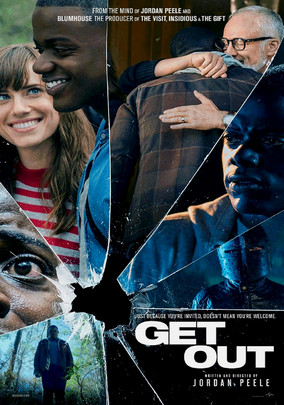
Get Out-2017

Get Out-2017

Director Jordan Peele

Starring Daniel Kaluuya, Allison Williams

Top 250 Films #158

Top 40 Horror Films #24

Scott’s Review #629

Reviewed March 28, 2017

Grade: A

Get Out (2017) is a unique modern-day horror film that combines classic horror elements (notably, great camera angles to elicit jumps) with a touch of slapstick humor, a rare blend in the horror genre.

In the case of Get Out, all of these tidbits come together in a marvelous experience. The subject matter is rather risqué (see below), a plus for me as I like films that push the envelope a bit.

Indeed, as with most horror films, liberties must be taken regarding plot points and continuity issues, but this film is impressive work.

Given that it is director Jordan Peele’s directorial debut, kudos.

Chris Washington (Daniel Kaluuya) is a young photographer who is handsome, educated, and enjoying life. He is black, and his girlfriend, Rose, is a pretty white girl from an affluent upbringing—it is implied that they are opposites on the social scale.

One weekend, they travel out of the city (presumably New York City) to visit Rose’s parents in the country. Her parents, Dean and Missy, own a sprawling estate with acres of land. Nervous to meet Rose’s parents and make a good first impression, Chris notices that Dean and Missy’s servants are all black and act peculiarly.

Soon, it is revealed that Chris’s mother died when he was a little boy, and when Missy hypnotizes Chris, things begin to go from strange to downright scary.

I adore how the film immediately feels ominous—there is simply something not “right” with the situation. Even before Chris and Rose arrive at her parents’ estate, something seems off.

They hit and kill a deer with their car, the policeman who aids them seems racist, and despite Rose seeming fresh-faced, she also seems not to be trusted.

There are so many ominous warnings not to approach her parents’ house that when they finally do arrive, the audience is compelled to watch for more, perhaps while biting fingernails nervously.

Jordan Peele’s decision to keep everything cheery and bright for most of the film only makes the audience wonder what secrets lurk in the grand estate—the setting where most of the action takes place.

When the pair finally arrives at her parents’ house, everything is out of whack. The film undoubtedly borrows from The Stepford Wives (1975) in some of the characters’ pleasant, almost robotic cheerfulness.

The big reveal and the objectification of all of the black characters —specifically black males —can indeed be cause for debate. The racial motives of the characters are also only skimmed over and never discussed or rationalized in detail.

The physical strength and resilience of black men are mentioned a few times, and Rose’s parents, a psychologist and a neurosurgeon, are significant points in the story. Still, the intentions are somewhat wishy-washy and hardly plausible.

Peele mixes a hilarious scene amid the doom and gloom in a wise move.

The comic relief of the film, Rod, Chris’s best friend and proud TSA agent, calls the police and describes in detail his fears of a sex slave operation, which results in the police having a good guffaw- at Rod’s expense. Rod serving as an instrumental part of the film’s conclusion is a fantastic decision, mixing dark humor with more grotesque horror moments.

This succeeds in setting Get Out well above the traditional genre.

The acting by all parties is believable and deserving of acclaim, but newcomer (to me) Kaluuya carries the film very well, even offering more than one heartfelt dramatic scene, mostly when remembering his mother.

Allison Williams (a dead ringer for a young Jennifer Connelly) is also a marvel, as the character changes direction mid-stream and essentially becomes a different character.

Fantastic are the throwback elements of The Stepford Wives, complete with a similar setting. The film does not reveal whether “in the country” is Connecticut or upstate New York.

The Stepford Wives was Connecticut.

Get Out (2017) is a fresh, novel approach to the standard elements of horror. It mixes comedy and aspects of race into a story brimming with suspense, good frights, and fascinating camera angles.

This film, a great success at the box office, doesn’t seem like the typical sequel, but I am intrigued by what more it could offer.

Oscar Nominations: 1 win- Best Picture, Best Director- Jordan Peele, Best Actor- Daniel Kaluuya, Best Original Screenplay (won)

Independent Spirit Award Nominations: 2 wins- Best Feature (won), Best Director- Jordan Peele (won), Best Male Lead- Daniel Kaluuya, Best Screenplay, Best Editing

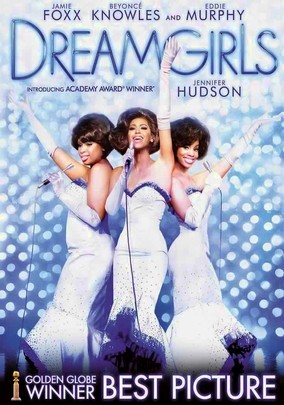
Dreamgirls-2006

Dreamgirls-2006

Director Bill Condon

Starring Beyonce, Jennifer Hudson, Eddie Murphy

Top 250 Films #159

Scott’s Film Review #792

Reviewed July 20, 2018

Grade: A

Dreamgirls (2006) is a glossy show business-style drama with plenty of glitz and glamour. Adapted from the Broadway production of the same name, the story is loosely based on the trials and tribulations of The Supremes, a popular all-girl group from the 1960s.

Despite the film being heavily focused on the drama and tension between the characters, it boasts a wonderful soundtrack and fantastic acting- most notably newcomer Jennifer Hudson, who garnered a surprising Best Supporting Actress Oscar win for her role.

The film tells the story of the evolution of American R&B music during the 1960s and the 1970s- the action mainly taking place in Detroit, Michigan, where the genre began.

Taking center stage is the incarnation of a girl group called The Dreams, who are controlled by their manipulative record label executive.

A womanizer and creep, Curtis Taylor (Jamie Foxx), guides the girls to stardom, but beds both the beautiful Deena (Beyonce) and the talented yet overweight Effie White (Jennifer Hudson). This leads to conflict as Curtis decides that less talented Deena is more marketable and thus should be the central figure of the band.

With a stellar cast in tow, Dreamgirls contains a plethora of talent and a good history lesson to boot. The main draw in the acting department is the revelation of the talented Jennifer Hudson.

Winner of the talent show American Idol, many pooh pooed her film direction, apparently assuming she was a flash in the pan and a “reality television” star. The challenging role of Effie is perfectly suited for Hudson- brazen, pipes for days, and plenty of attitude.

Her acting aside, Hudson scorches through an unforgettable rendition of “And I Am Telling You I’m Not Going”, which is assuredly what won her the Oscar.

Otherwise, the supporting cast is worthwhile and impressive is Beyonce in a pivotal role. Surely, the singer/actress faced her share of detractors, along with Hudson, but their chemistry is amazing and she nails all of her songs.

Eddie Murphy is a gem in the role mirrored after James Brown, James “Thunder” Early.  The role is perfect for Murphy- a far cry from his standard comedic roles that have grown stale over the years.

This role rejuvenates the actor’s credibility.

Dreamgirls does at times falter a bit with the drama, almost soap opera-like situations. A triangle develops between Effie, Curtis, and Deena, which leads to tension, bad blood, cattiness, and melodrama.

If the film were a standard drama this would undoubtedly make the film suffer from a tired script or generic writing.

But the musical numbers are so riveting that these flaws can be overlooked completely. The ritzy glamour and sparkles that erupt during “Dreamgirls” and “One Night Only” are wonderful fun and the songs are memorable leaving audiences humming along as they dance in the aisles.

The story has been told many times before. A dream of rising to musical stardom and the many trials and tribulations that go along with these hopes and desires.

Comparisons can be made to Chicago (2002), Valley of the Dolls (1967), or even Gypsy (1962), but the mostly black cast and the 1960s Motown theme is interesting, particularly as the Civil Rights movement of the time was upon us.

The film does not invest much time in politics, sticking mainly with drama and music, which may be a wise move to avoid too much of a message theme.

As the film concludes in 1975, Effie is reaffirmed as a meaningful member of The Dreams after her career has tanked and she has wound up on welfare.

A paternity twist is also thrown in for good measure, but the film has a clear “happily after ever” vibe to it which softens the film and keeps it more on the PG-13 level instead of going for darker themes.

Dreamgirls (2006) is a musical that is highly memorable for me because it made Jennifer Hudson a household name and confirms the talent and glory that she is rightfully due.

In subsequent years the star lost weight, softened her image a bit, and became, well, more generic. But thankfully we have a gorgeous performance to always appreciate her for.

Oscar Nominations: 2 wins-Best Supporting Actor-Eddie Murphy, Best Supporting Actress-Jennifer Hudson (won), Best Original Song-“Listen”, “Love You I Do”, “Patience”, Best Sound Mixing (won), Best Art Direction, Best Costume Design

Titanic-1997

Titanic-1997

Director James Cameron

Starring Leonardo DiCaprio, Kate Winslet

Top 250 Films #160

Scott’s Review #327

1181461

Reviewed January 6, 2016

Grade: A

1997’s Titanic is a sweeping, gorgeous epic, directed by James Cameron, that is perfection at every level.

This film has it all: romance, disaster, gorgeous art direction, and flawless attention to detail.

The film will make you laugh, cry, and fall in love with the characters, even though you know the inevitable outcome.

The film is based on the real-life sinking of the RMS Titanic in 1912, when the ship collided with an iceberg.

I have witnessed this film being derided for being a “chick flick” or too “sappy”, but I vehemently disagree and feel it is a classic for the ages.

Titanic successfully re-invented the Hollywood epic.

Jack Dawkins (Leonardo DiCaprio) is a penniless artist who meets high-class socialite Rose DeWitt (Kate Winslet) aboard the luxurious Titanic, on its maiden voyage from the coast of England to the United States.

Rose is engaged to cagey Cal Hockley (Billy Zane).

Depressed, Rose contemplates diving overboard to her death, but Jack saves her and convinces her otherwise. They spend time together, and he draws her portrait. As their romance blossoms, Cal catches on and plots revenge.

In the mix is Rose’s snobbish mother, Ruth, played by Frances Fisher.

The main theme of the film is social class and the divide between the haves and the have-nots.

James Cameron demanded perfection from this film, and he sure got it. Every detail of Titanic is flawless and historically accurate, from the dining room silverware to the costumes to the set pieces barely visible in the background.

Cameron even had a replica of the original Titanic built for filming purposes- with limitations, but what a vast undertaking this must have been.

That, along with the smoldering romance between Jack and Rose, is what makes Titanic one of my favorite films.

Two fantastic scenes are when Jack is taken under the wing of Molly Brown, played by Kathy Bates. Molly is not the snob that many other upper-class people are, and she lends Jack a tuxedo so he will look dapper for Rose. She also tenderly teaches him the appropriate way to use silverware.

Tragically, the other scene is more melancholy- a gorgeous classical piece plays in the background as the vast ship is engulfed in water and slowly sinks, causing many deaths.

At well over three hours long, the film’s conclusion is quite sprawling, and one feels as if one is aboard the ship. By this time, I was invested in the characters, both lead and supporting, and the tragedy that ensues is both a marvel and heart-wrenching.

Titanic (1997) is a film that must be viewed on the big screen for full effect, and is a timeless masterpiece that has aged perfectly.

Oscar Nominations: 10 wins-Best Picture (won), Best Director-James Cameron (won), Best Actress-Kate Winslet, Best Supporting Actress-Gloria Stuart, Best Original Dramatic Score (won), Best Original Song-“My Heart Will Go On”, Best Sound Effects Editing (won), Best Sound (won), Best Art Direction (won), Best Cinematography (won), Best Makeup, Best Costume Design (won), Best Film Editing (won), Best Visual Effects (won)

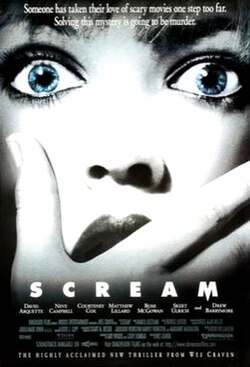
Scream-1996

Scream-1996

Director Wes Craven

Starring  Neve Campbell

Top 250 Films #161

Top 40 Horror Films #25

Scott’s Review #710

Reviewed January 5, 2018

Grade: A-

Wes Craven’s 1996 film Scream is a film that greatly helped bring the horror genre back into relevance after a long drought in the late 1980s and early 1990s, when horror films suffered from both oversaturation and clichéd messes.

Thanks to Scream, creativity and plot twists and turns returned to the forefront of good horror films, and a clever film was born.

Fast-forward to 2018, and the film does suffer a bit from a dated 1990s look, but it is still great fun to watch and a treat for all classic horror buffs, with references to classic greats galore.

The film is sectioned off nicely and gets underway quickly (in the best sequence of the film) as Casey Becker (Drew Barrymore) receives a flirtatious phone call from a man asking her to name her favorite horror film while making popcorn.

The friendly game quickly turns vicious as the caller threatens to kill her boyfriend should she answer a question incorrectly.

In a clever twist (think 1960s Psycho!) Casey and her boyfriend meet deadly fates as the opening credits roll.

Given Barrymore’s huge star in 1996, this twist was all the more shocking and attention-grabbing.

The remainder of the film centers around Sidney Prescott (Neve Campbell), a popular California high school student, as she is pursued by an attacker known only as “Ghostface”, who dons a creepy costume and terrorizes victims via phone calls.

The small town, led by police officer Dewey Riley (David Arquette) and bitchy newswoman Gale Weathers (Courteney Cox), is determined to unmask the killer and understand their motivations.

Sidney’s boyfriend, Billy (Skeet Ulrich), and other friends are along for the ride as a possible connected sub-plot involving Sidney’s deceased mother is introduced.

A romance between Dewey and Gale is also broached.

Scream is an enormous treat for fans of the horror genre, with numerous references (and film clips!) to classics such as 1978’s Halloween throughout.

Other references to Friday the 13th, Prom Night, and A Nightmare on Elm Street appear during the film.

Writer Kevin Williamson, a horror enthusiast, must have had a ball writing the screenplay that would become Scream.

In 1996, the mega-success of the film not only jump-started the entire genre but also introduced younger fans of Scream to classics from their parents’ generation, sparking their interest in the films.

Classic horror films are not only referenced during the film but also explained, mostly by the supporting character of Jamie, the nerdy kid who works at the video store and adores horror films.

A sequence in which he explains several “rules” of the horror genre is superlative, creative, and just great fun. He tells the teenagers at a party that anyone who drinks, has sex, or says “I will be right back” is doomed to suffer a violent fate.

This clever writing makes Scream enormous fun to watch.

The climax of Scream is quite surprising in itself, and the “great reveal” of the murderer (s) is also intelligent writing and quite the surprise.

Several red herrings are produced along the way, casting suspicion on other characters who may or may not be the killers.

A small gripe of the writing is the motivations of the murderers- when the explanation is given for their killing spree, the reasoning is a bit convoluted and hard to fathom, but this is horror. Suspension of disbelief is always a necessity.

Scream is best remembered for giving the horror genre a good, hard kick in the seat of the pants and shaking up the elements a bit while preserving the core ideals of a good slasher film (suspense, a whodunit, and good, solid kills).

Scream (1996) was followed by several sequels, some of which achieved greater success than others.

In 2018, the film may not be quite as fresh as it once was, but it is still a solid watch and memorable for relaunching a genre.

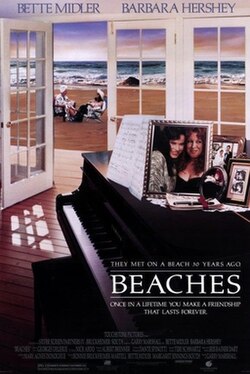
Beaches-1988

Beaches-1988

Director Garry Marshall

Starring Bette Midler, Barbara Hershey

Top 250 Films #162

Scott’s Review #352

Reviewed January 9, 2016

Grade: A

Beaches (1988) is a film that can easily be described as sentimental, sappy, and a chick flick- all in a derogatory fashion- but that, regardless, is a treasure to me.

I fall for this tearjerker every single time that I watch it.

It is not necessarily a great film, not high art, nor particularly edgy, but a good, old-fashioned, conventional film about friendship.

Bette Midler and Barbara Hershey give the film believability, whereas other similar films would appear contrived.

C.C. Bloom (Midler) and Hillary Whitney (Hershey) are lifelong friends from opposite backgrounds. Besides, they could not have more opposite personalities. C.C. is blue-collar, outrageous, and brash; Hillary is demure, rich, and sophisticated.

We meet our friends as young girls on the boardwalk of Atlantic City, C.C., hiding from her overbearing stage Mom, and Hillary is lost and wandering the boardwalk.

The two become fast friends despite their vastly different upbringings and stay connected through life’s ups and downs for over thirty years.

The chemistry between Midler and Hershey is great. I completely buy them as best friends through the years, despite having little in common.

Throughout their tender, emotional scenes and the knock-down-drag-out fight at the mall (a fantastic scene!), there is never a doubt about what they have.

They compete over a man, which ordinarily is a lame plot device, but in Beaches, it works because the two stars make it work.

Each actress puts her mark on the individual role. Midler’s C.C. is arrogant, feisty, and interesting as she begins as a “have-not” and becomes a “have”.

She becomes spoiled and pampered- all of the things she envies about Hillary. She does not handle wealth as well as Hillary because she lacks education. Hillary, an attorney, is classy and graceful.

These characteristics make it believable that the women would be at odds.

The last act is a weepy one as one of the women dies, leaving the other to pick up the pieces and move on- alone. This is a sad moment in the film, but the women’s devotion and loyalty are admirable.

Beaches (1988) may not be high art, but boy, will it get you reaching for the tissues.

Oscar Nominations: Best Art Direction

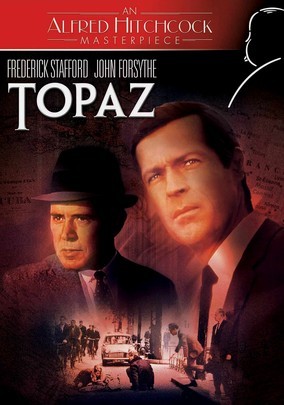
Topaz-1969

Topaz-1969

Director Alfred Hitchcock

Starring Frederick Stafford, Karin Dor

Top 250 Films #163

Scott’s Review #108

60020562

Reviewed July 12, 2014

Grade: A-

Topaz is an intriguing, suspenseful 1969 latter-day Alfred Hitchcock film.

In the political thriller vein, the film typically suffers from being both overlooked and under-appreciated, yet receives admiration from film buffs. It is certainly not one of his better-known films, and that is quite a shame.

As with many great films, it is complex and layered, requiring close attention and even multiple viewings.

The issue with Topaz is that the film suffers from a lack of recognizable stars- a trademark of Hitchcock films in his heyday. Frederick Stafford (Andre) and Karin Dor (Juanita) are the featured romantic couple.

Despite his being married to another woman, Andre and Juanita are the couple the audience is intended to root for.

The story involves competing spies from France, the United States, and Cuba, all vying for government secrets concerning the Cuban Missile Crisis in the 1960s.

Each spy does their best to obtain the secrets, some in a sinister fashion.

The French accents, especially, can be tough to understand, but it is a thrilling film that traverses New York City, Cuba, and France. The main protagonist is Andre, and Stafford has a high level of charisma and a suave manner.

The character is quite similar to James Bond. The film itself plays out like a Bond film, with exotic locales, beautiful women, and political intrigue.

As with most Hitchcock films, the set pieces and art direction are beautiful and perfect. One highlight is a particular character’s death scene in Cuba. Throughout the film, the love story is involved, and the death is tragic yet heartfelt and shocking.

Topaz, sadly, was unsuccessful at the box office due to the lack of Hollywood names attached and limited promotion, although it made several top-ten critics’ lists in 1969.

Topaz is undoubtedly one of the more obscure of Hitchcock’s films, but an excellent one to discover and revere.

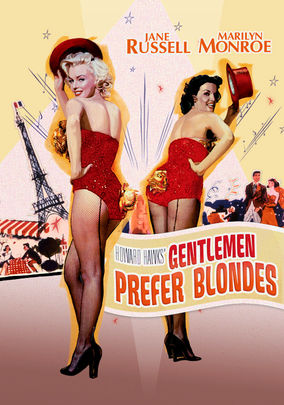
Gentlemen Prefer Blondes-1953

Gentlemen Prefer Blondes-1953

Director Howard Hawks

Starring Jane Russell, Marilyn Monroe

Top 250 Films #164

Scott’s Review #384

60004540

Reviewed March 13, 2016

Grade: B+

One of the iconic and legendary stars, Marilyn Monroe’s better-known offerings from her brief career are Gentlemen Prefer Blondes (1953), a fun musical romantic comedy.

To create this wonderful gem, she stars alongside Jane Russell, another popular Hollywood star from a golden era.

Together, they have great chemistry and an easy yin-yang relationship, which makes the film light and cheerful but not meaningless or too fluffy.

It is just a genre that it is.

As mentioned, Roma has evolved in modern cinema, and Gentlemen embodies the innocence that has since been lost. The 1950s were a perfect time for this genre of film.

Lorelei Lee (Monroe) and Dorothy Shaw (Russell) are American showgirls and best friends who perform a stage show together. Lorelei loves diamonds and rich men- she is dating Gus Esmond, an awkward yet lovable young man who is wealthy but controlled by his father.

Dorothy is less interested in being showered with wealth but prefers handsome, adventure-filled adventures. These begin when the girls board a cruise ship to Paris. A private investigator (Malone) hired by Gus’s father observes and follows Lorelei while the Olympic swim team pursues Dorothy.

The film is entertaining and a must-see for all Monroe fans, as it was at the time when she was at her best- Gentlemen Prefer Blondes and Some Like it Hot are my personal favorites, and she was in the prime of her tragically short film career- sure, she plays the “dumb blonde” character with gusto. Still, there is something innocent and fun about her portrayal of Lorelei, and we immediately fall in love with her.

Dorothy is the leader—the smart one—and complements Lorelei’s naivety. More worldly and sophisticated, she watches out for her counterpart.

The chemistry between Monroe and Russell makes the film work so well. The audience buys them as best friends, and the two actresses (who reportedly got along famously).

Monroe shines during the legendary number, Girls’ Nights Are the Best Friend,” a performance that famously inspired the 1984 Madonna video, ” Girls Night Out,” which will forever live on in music history.

My favorite scene is on the ship when Lorelei gets into trouble. She sneaks into the private investigator’s cabin to obtain incriminating evidence and gets stuck in the tight cabin window.

The shot of Monroe sticking halfway out the window is funny. She then hilariously enlists a young child to help her avoid recognition and a subpar man with subpar vision.

Vision also comes into play when Dorothy disguises herself as Lorelei in a silly fashion (looking more like a drag queen) in a courtroom scene over hi-jinks involving a stolen tiara.

Interesting is the scene in wsurroundedrothy is surrounded by dancing, which is as provocative for 1953 as it is today.

Undoubtedly unable to show any form of nudity whatsoever, the dancers are clad in nude-colored shorts, which indeed suggests elements of sexuality, an illusion of nudity, and fits the scene perfectly as Dorothy is in testosterone heaven.  It is like a big, giant fantasy for her.

Gentlemen Prefer Blondes (1953) is a triumphant offering from another cinematic era—a sorely missed time. Cute but not trivial, the film is a witty portrayal of the iconic Marilyn Monroe.

Pink Flamingos-1972

Pink Flamingos-1972

Director John Waters

Starring Divine, David Lochary, Mink Stole

Top 250 Films #165

Scott’s Review #359

70032618

Reviewed January 9, 2016

Grade: A

One of the truest and best late-night gross-out films of all time, Pink Flamingos (1972) breaks down barriers I never thought possible in film and contains one of the most vomit-inducing scenes ever to grace the movies.

The film is certainly one of a kind and will only be appreciated by a certain type of film-goer. Pink Flamingos is raw, entertaining, and must be seen to be believed.

Outrageous in every way and shot in a documentary style, the film features weird close-ups and amateurish camera angles, only adding to the fun.

I love the film.

In what director John Waters famously dubbed the “Trash Trilogy”, along with similar films Desperate Living and Female Trouble, Pink Flamingos has the dubious honor of being the best of the three.

Waters’ stalwart, Divine, plays Babs Johnson, an underground criminal who lives a meager existence in a trailer with her mentally challenged son, Crackers, and her bizarre, egg-obsessed mother, Edie (Massey). Babs’s companion, Cotton, joins them.

In an attempt to win the “Filthiest Person Alive” contest and usurp Babs from achieving this distinction. The Marbles (Mink Stole and David Lochary) set out to destroy her career.

Pink Flamingos is complete and utter over-the-top fare, but I have fallen in love with the film over the years.

Let’s say it is a type of film that is an acquired taste, and one will eventually revel in the madness or be disgusted with its bad taste.

Waters, a truly creative person, breaks new ground in filth. On a budget of no more than $10,000, it is impressive how he pulled this off.

The antics that Babs and the Marbles engage in are downright crude, but the extreme nature of the fun is exactly what is to love about the film. Hysterical is the character of Babs’s mother, Edie.

Confined to a crib and constantly inquiring about the Egg Man, she is obsessed with eggs and wants to eat nothing else. She eventually marries the Egg Man. The character is entertaining beyond belief.

The Marbles run a clinic in which they sell stolen babies to lesbian couples for cash.  When they send Babs a box of human excrement and a card that says “fatso”, the war between the two sides is on.

The highlight of the film is the main sequence in which Babs holds a birthday party. A male contortionist flexes his anus in rhythm to the song “Surfin’ Bird”, which may be the only film featuring an anus.

How Waters got away with some of this stuff is mind-blowing.

The most disturbing scene occurs at the very end, when Babs watches a dog do “its business” on the street and then picks up the excrement and eats it, revealing to the audience a toothy (and brown) smile.

Reportedly, Divine did this act. As the film ends, Babs truly is “The Filthiest Person Alive”.

Thanks to the genius of John Waters and Divine, and the superlative supporting cast, Pink Flamingos (1972) is a reminder that creativity and unique humor need not conform to a specific style or follow a road map.

Waters throws out any film criteria, instead creating a masterpiece of warped fun and disgust.

Joker-2019

Joker-2019

Director Todd Phillips

Starring Joaquin Phoenix, Robert De Niro

Top 250 Films #166

Scott’s Review #953

Reviewed November 1, 2019

Grade: A

Joker (2019) is a film that has divided audiences. Some love it, others loathe it. The experience is not your standard fun, superhero fare, with a hero’s rescue and the good triumphing over evil.

Despite the parlay into Batman territory, the film smacks the viewer across the face with its brutality, violence, and social and psychological injustices.

Joaquin Phoenix pummels the audience with an angry and bitter portrayal of the title character, easily one of the best performances of the year.

In one of the first scenes, before we even know the character, we experience a long, close-up of Phoenix laughing hysterically. We wonder what is so funny, before the revelation that he, Arthur Fleck, suffers from a nervous condition that causes inappropriate outbursts.

The year is 1981, and the fictional Gotham City, clearly a mirror image of New York City, serves as the setting. Times are tough, and crime is rampant.

Arthur lives in a dumpy apartment with his sickly mother, Penny (Frances Conroy), and visits a social worker regularly to receive his prescription medicine.

Arthur finds meager work as a party clown and aspires to be a stand-up comedian. After a gang attacks him in an alley, Arthur’s co-worker, Randall, encourages him to take a gun. Arthur invites his neighbor, single mother Sophie, to his stand-up comedy show, and they happily begin dating.

Finally, another person understands him. Segments of the population are disenfranchised and impoverished as Thomas Wayne, a billionaire philanthropist, runs for mayor of Gotham. A strange connection develops between Arthur, Penny, and Thomas, becoming central to the plot.

Can we discuss Phoenix’s bravura performance for a moment?

Suppose anyone thinks that Heath Ledger was phenomenal when he portrayed the same character in 2008’s The Dark Knight. In that case, they will be elated by Phoenix, who elevates the character to an entirely new level.

What Phoenix adds is strong sympathy for Arthur/the Joker and a care for the character. We feel sorry for him, but should we? He is a villain after all. One could easily debate whether his character can be considered the bad guy or the hero.

Regardless of the assessment, the performance is unforgettable.

A turn-off to some, which I found tremendously powerful, is the role reversal in the portrayal of the Wayne family, Bruce, and Batman characters.

Always deemed the “good guys”, in Joker, Thomas Wayne is self-centered, pompous, and embodies a sense of entitlement and snobbery.

Bruce is a young boy, but the implication is that the family is unkind, and what might the child grow up to believe?  Why is Batman/Bruce Wayne heralded as good and the Joker evil? It turns the tradition upside down into a twisted mind warp, and this is wonderfully creative and thought-provoking.

The best scene in the film, which triggers much of the subsequent violence and chaos, occurs when Arthur is invited to appear on a late-night talk show hosted by Murray Franklin (Robert De Niro). A week earlier, Franklin had played a humiliating clip of Arthur poorly performing stand-up.

Arthur decides to appear in full “Joker” attire, and the eventual discussion and words lead to tragic events. The scene is tense, intelligently written, and combative as the men spar over politics and class distinction.

Lastly, the musical score is dark, haunting, and mesmerizing without overtaking the film. Many key scenes of Arthur dancing and posturing are masterful, with the inclusion of the bombastic music.

He is a celebratory character, in his mind at least, and the music fuses into the scene with gusto and power. The combination of clowns and an incredible score adds significantly to the production.

Joker (2019) showcases a marvelous acting performance on the part of Phoenix, which combines a haunting musical score in its depth.

Providing a social commentary for people experiencing poverty and disenfranchisement, this film will divide viewers, probably based on preconceived expectations of a traditional Marvel-type superhero event.

The film offers much more than safer films like Wonder Woman (2017) or Black Panther (2018) ever could- a dark and violent character study.

Oscar Nominations: 2 wins-Best Picture, Best Director-Todd Phillips, Best Actor-Joaquin Phoenix (won), Best Adapted Screenplay, Best Original Score (won), Best Sound Editing, Best Sound Mixing, Best Cinematography, Best Makeup and Hairstyling, Best Costume Design, Best Film Editing

Moonlight-2016

Moonlight-2016

Director Barry Jenkins

Starring Trevante Rhodes, Andre Holland

Top 250 Films #167

Scott’s Review #512

80121348

Reviewed November 6, 2016

Grade: A

Moonlight (2016) is an excellent film rich in character and grit. It tells the story of one man’s life, from childhood to teenage years to adulthood, sharing the bonds he forms and the demons he wrestles with.

The acting is fantastic, and the story is poignant and truthful.

The film is not preachy but instead tells a story, leaving the audience to sit and observe, quietly formulating their opinions.

Moonlight is a mixture of beauty and heartbreak and is told very well.

The film is divided into three chronological chapters that describe the central character’s life.

Chiron is a shy, docile young boy of six or seven living in the drug-filled world of Miami, Florida, in the 1980s. He is bullied for being “different,” though he does not know why he is shunned. Chiron is introverted and distrustful.

A kind-hearted drug dealer named Juan (Mahersala Ali) takes a shine to Chiron, whose own mother becomes more and more absent and emotionally abusive to her son.

Naomie Harris plays Paula, mother to Chiron and herself a drug addict. Juan and his girlfriend Theresa (Janelle Monae) become surrogate parents to Chiron and share their home with him as needed.

Chapter two focuses on Chiron as a teenager, still bullied and coming to terms with his sexuality and feelings of insecurity. By this time, his mother has spiraled out of control, and his life is a sad one.

He is filled with emotions such as rage, despair, and confusion. An experience with his best friend, Kevin, changes the direction of his life. Kevin is his saving grace and a decent person amidst his troubled life.

In chapter three, we are re-introduced to Chiron as an adult, having wholly reinvented himself and become a changed man, but is he changed for better or worse? People from his past resurface at this time, and Chiron must face various demons and emotions and come to terms with himself and the others surrounding him.

Does his story have a sad or a happy ending? This is the question we are left wondering.

The aspect that impressed me the most is the storytelling and the ground broken with this film.

From an LGBTQ+ perspective, by this time (2016), we have experienced numerous offerings on the subject. Still, the fact that Moonlight is not only a character study but a love story between two black men has not yet been done to this degree in cinema, or arguably at all, especially in mainstream fare.

Happily, Moonlight is receiving critical praise. The fact that Chiron lives in a macho, male-driven society makes his self-acceptance all the more challenging for him.

The direction in Moonlight is impressive, and director Barry Jenkins deserves much praise.

Quiet scenes of Chiron as a boy asking Juan and Theresa why the bullies call him a specific name are heartbreaking. Another scene muted and in slow motion, reveals an abusive Paula calling Chiron a degrading name, leaving him confused and hurt.

The tender scenes between Chiron and Kevin are sweet and passionate and are told on a humanistic level.

Moonlight delves into such territory as loneliness and self-identity. It is an interesting film for anyone who has struggled with these issues or is empathetic to those who have.

Moonlight (2016) breaks stereotypes and molds a subtle and low-key film that speaks volumes.

Oscar Nominations: 3 wins-Best Picture (won), Best Director-Barry Jenkins, Best Supporting Actor-Mahershala Ali (won), Best Supporting Actress-Naomie Harris, Best Adapted Screenplay (won), Best Original Score, Best Cinematography, Best Film Editing
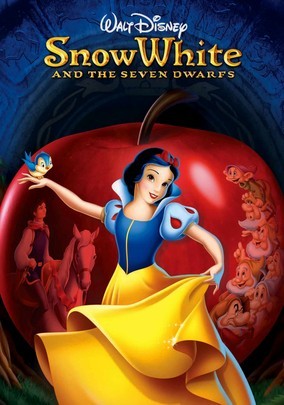
Independent Spirit Award Nominations: 6 wins-Best Feature (won), Best Director-Barry Jenkins (won), Best Screenplay (won), Best Cinematography (won), Best Editing (won), Robert Altman Award (won)

Female Trouble-1974

Female Trouble-1974

Director John Waters

Starring Divine, David Lochary, Mary Vivian Pearce

Top 250 Films #168

Scott’s Review #146

70032612

Reviewed August 4, 2014

Grade: A

Female Trouble (1974) is a deliciously naughty treat by the famous Independent film legend, John Waters.

Not exactly family-friendly, it is a gem for those desiring more left-of-center fare with depravity and gross-out fun mixed in for good measure.

The film’s theme is “crime is beauty,” and it is dedicated to Manson family member Charles “Tex” Watson.

Meant for adult, late-night viewing, the film tells the story of female delinquent Dawn Davenport, who angrily leaves home one Christmas morning after not receiving her desired cha-cha heels as a Christmas present.

Her parents, religious freaks, disown her, and she is left to fend for herself on the streets of Baltimore.

The film then tells of her life story of giving birth and subsequently falling into a life of crime in the 1960s.  Her friends Chicklet and Concetta are in tow as they work various jobs and embark on a career of theft.

Female Trouble stars Waters’ regulars Divine, Mink Stole, Edith Massey, Cookie Mueller, and others.

Interestingly, Divine plays a dual role- Dawn Davenport (in drag, of course) and also the father of her bratty child, Earl Peterson.

Dawn and Earl have a less-than-romantic interlude on a dirty mattress on the side of the road when he picks her up hitchhiking, which results in the birth of Taffy.

Also featured is the hilarious feud between Dawn and her love interest’s (Gator) Aunt Ida, as the women engage in tactics such as acid throwing and chopping off of limbs as they constantly exact revenge on each other.

Favorite scenes include Dawn’s maniacal nightclub act, in which she performs an acrobatic routine and then begins firing a gun into the crowd. Another is of Dawn’s dinner party with Donald and Donna Dasher- serving a meal consisting of spaghetti and chips, Taffy’s tirade hilariously ruins the evening.

This film is not for the prudish, squeamish, or uptight crowd, but a ball for all open-minded, dirty fun-seekers. The film contains one over-the-top, hilarious scene after another.

The line “just cuz you got them big udders don’t make you somethin’ special” is a Waters classic.

Female Trouble is one of a series of outrageous cult classics featuring the legendary camp star Divine.

Not meant to be overanalyzed, or some might say, analyzed at all, Female Trouble (1974) is unabashedly trashy and makes no apologies for its outrageousness.