Category Archives: Romantic Comedy

Tadpole-2002

Tadpole-2002

Director Gary Winick

Starring Sigourney Weaver, Aaron Stanford, John Ritter

Scott’s Review #1,125

Reviewed March 23, 2021

Grade: B

Tadpole (2002) is an enjoyable coming-of-age effort that carefully, or too carefully, toes the line between being cute and exploring some morally questionable material.

The film gets away with the naughty subject matter because there exists a wholesomeness that lands somewhere between fresh and a commodity.

It’s a fun romp but nothing memorable either, borrowing from better films.

Aaron Stanford, the lead actor, makes the film better than it might have been and seamlessly matches wits and comic timing with heavyweight actors like Sigourney Weaver, John Ritter, and Bebe Neuwirth. He is charming just like his character and carries the film.

As Oscar Grubman (what a name!) he is compassionate and sophisticated, reciting Voltaire and speaking fluent French.

When he arrives home for Thanksgiving weekend it is revealed that he has a major crush on his stepmother, Eve (Weaver). She and Oscar’s father, Stanley (Ritter) share a ritzy Manhattan apartment and entertain a girl they think would be perfect for Oscar but he only has eyes for Eve and rebuffs the poor girl.

Despondent at not having a chance with his stepmom but desiring her, Oscar visits a local bar and runs into Eve’s best friend, Diane (Neuwirth). He gets drunk and she takes him home winding up in bed together! Oscar is filled with remorse.

Oscar’s and Diane’s tryst is the caveat for the rest of the antics of the film. Oscar is terrified that Diane will tell his father and Eve especially as she is on the guestlist for dinner the next night!  An amusing game of footsie under the table ensues between Oscar and Diane.

Diane is a Mrs. Robinson-type character to Oscar’s Benjamin if we want to draw comparisons to The Graduate (1967) and how could we not? Eve is like Elaine, Mrs. Robinson’s daughter.

Unsuspecting and slightly naive. It’s fun to reminisce about the classic film that director Gary Winick borrows from.

Speaking of Winick, he has a knack for creating coming-of-age stories featuring teenage characters with light angst and he commonly releases independent films. My hunch is that if Tadpole was a big-budget mainstream affair even more concessions might have been made for the brewing May/December romance.

The “dinner scene” is the best part of Tadpole and provides good physical comedy and a hilarious setup. It’s a stretch in plausibility and borrows from many slapstick comedies but somehow the scene works well and stands out.

The subject matter of a woman three times the age of Oscar is not as harsh as it sounds and is largely played for laughs and misunderstandings. This is where the film misses the mark and stays firmly in the safe lane.

Imagine the juicy possibilities that would occur if Eve reciprocated Oscar’s advances. Now that is an interesting concept!

I shudder to think that if Oscar were a fifteen-year-old girl and Eve a forty-something-year-old man this film would never have been made.

The double standard gnawed at me.

The ending is wholesome and predictable making the film satisfying for the character yet limiting for the viewer. Oscar more or less “snaps out of it” and realizes that girls his age are okay after all.

I half-wondered if the film would be revealed to have all been Oscar’s dream.

The cougar-esque subject matter provides light entertainment never daring to go as far as it could have, or should have. In the end, we understand a young, pubescent boy’s dreams and desires and may fondly recall when we were his age and all the troublesome sexual feelings that bubbled under the surface.

Tadpole (2002) is a watchable independent comedy providing enough to digest thanks to the worthy actors among its cast.

Hairspray-2007

Hairspray-2007

Director Adam Shankman

Starring Nikki Blonsky, John Travolta, Christopher Walken

Scott’s Review #1,095

Reviewed December 28, 2020

Grade: B+

Hairspray (2007) is a fun film, without being superfluous. The third incarnation of the musical treat doesn’t disappoint, offering a brighter production.

A safer affair than the 1988 escapade directed by naughty filmmaker John Waters, it’s nonetheless not a “watered” version either. It loses none of the charm that the original had and includes plenty of big-name stars.

In short, it’s a solid summer popcorn flick with sing-along tunes and a cool vibe.

The important message of racial relations is not lost nor dismissed.

The setting is early 1960s Baltimore, Maryland, a city rife with racial problems representing the entire United States during that decade.

Our star, Tracy Turnblad (Nikki Blonsky) is a chubby, bubbly, sixteen-year-old, who wants nothing more than to trudge through the school day and come home and indulge in her favorite television show, The Corny Collins Show, a popular local dance competition.

Tracy auditions for a spot on the show, and wins. She became an overnight celebrity, a trendsetter in dance, fun, and fashion. She and her fans hope that her new status as a teen sensation is enough to topple Corny’s reigning dance queen, Amber von Tussle (Brittany Snow), and bring racial integration to the show.

Amber’s racist mother, Velma (Michelle Pfeiffer) manages the television station and thwarts Tracy’s efforts, leading to tension and a dance competition between Tracy and Amber.

The casting is a big part of the success. Blonsky, making her film debut, carries the film flawlessly. Both energetic and empathetic, she is the perfect girl next door and relatable for any young girl who is not a stick figure.

More broadly, she represents anybody who feels like a misfit or is put upon for not being classified as perfect. Her joy and sincerity as she sings and dances to “Good Morning, Baltimore” and “I Can Hear the Bells” is infectious and makes her a perfect protagonist.

The supporting cast is delightful and laden with A-list Hollywood stars having a ball with their over-the-top roles.

My favorite is John Travolta as Tracy’s mother and compadre, Edna. Fans of Hairspray know that Edna is always cast with a male actor in drag and Travolta is fantastic. His mannish body and movements only make the character more fun and fabulous.

And with his beehive hairdo and pink ribbon he is so darn cute!

Tracy’s father, Wilbur, is played by Christopher Walken. His love for his wife and daughter is sweet. Pfeiffer fuels her one-note character with venom as the racist woman gets her just due.

Director, Adam Shankman, puts the focus on the musical numbers, and that’s just fine. For added pleasure, he includes both John Waters and Rikki Lake (the original Tracy) in cameo roles, which is a treat for anyone who has seen the original.

The best numbers occur when the entire company joins in, especially the wonderful finale, “You Can’t Stop the Beat”. Besides being musically contagious, the song sends an important message of progression and embracing change.

Despite the fluffy trimmings, the important message of racial inequality is not overlooked, nor does it feel dated in the year 2007.

Racism is still an issue. Justifiably so, the racist characters like Velma and Prudence Pingleton (Allison Janney) look ridiculous with outrageous fear for anyone different than themselves.

Tracy and her friends champion causes like racism, integration, and being true to oneself, which are themes at the heart of the film, along with the merry songs.

While I still prefer the 1988 version of Hairspray for more seediness and a colder vibe, Hairspray (2007) is a colorful rendition that exposes a new generation to the chirpy and danceable tunes while maintaining the important themes.

It’s a family-friendly affair and a very funny experience without sacrificing any credibility.

Sex Tape-2014

Sex Tape-2014

Director Jake Kasdan

Starring Cameron Diaz, Jason Segel

Scott’s Review #980

Reviewed January 15, 2020

Grade: C

Sex Tape (2014) is a cliched, by-the-numbers, standard romantic comedy that meets expectations, but does little to exceed them.

It is a raunchy affair, perhaps too raunchy for some, and riddled with juvenile moments.

The film contains good chemistry between the leads and is fun up to a point. The final sequence strays too far into dumb, situation comedy-style moments, with too many seen-before stereotypes, that take away most of the preceding fun.

With universally scathing reviews, I expected to hate the film salivating over the opportunity to craft a good, old-fashioned terrible review, but, Sex Tape is marginally fair to middling.

After reuniting again after starring in Bad Teacher (2011), Cameron Diaz and Jason Segel do what they can with the material given, offering strong convictions and fluid moments of enamored charm.

In a supporting role as the boss, Rob Lowe is fine in a stock role, and the child actors are abhorrent (what else is new in romantic comedy casts?)

The film treats the viewer to a brief backstory, narrated by Annie, about the fresh romance between twenty-somethings, Jay and Annie Hargrove (Segel and Diaz).

Much in love, they can barely keep their eyes off each other and have sex at the drop of a hat. Once they settle down and have kids, their romantic interludes must be balanced and scheduled amid bath time, feedings, and the necessity of sleep.

Annie writes a popular blog, expressing the challenges of being a mom, as she bucks for a well-paying job at a company run by Hank Rosenbaum (Lowe).

One day, while feeling naughty, Jay and Annie rapturously and spontaneously decide to record their session of hanky panky on video, to enjoy later.

Predictably, an error occurs, and their lovemaking session is inadvertently synchronized to video to several iPads the couple had given away over time, which is the entire cast.

They struggle to retrieve the iPads and erase their session while being blackmailed by an anonymous viewer.

The strength of Sex Tape is the pairing of Diaz and Segel because without them the film would be nonsense. Chemistry and antics are everything in physical comedy films, and these two have it down.

We accept that the married couple, despite it being ten long years, is still in love with each other, avoiding the doldrums. What they need is a spark and it is fun watching them come up with a sneaky idea.

Even when the film gets bad, the actors are a hoot.

The supporting cast is what one usually gets in a romantic comedy and the wonder is why these characters are always written as a “type” and not better fleshed out.

Examples are Jay and Annie’s best friends, Robby and Tess Thompson (Rob Corddry and Ellie Kemper), one-dimensional and offering merely extensions of the lead characters, with no character development of their own.

The same can be said for Annie’s mother (played by Nancy Lenehan).

The studio’s attempts to promote the latest technological tool, the iPad, to death is strongly evident. If one more iPad appeared on screen I would have screamed. And how is it possible to record yourself in numerous sexual positions with an iPad?

How did they move the iPad and get into those positions? Why did everyone and their brother have an iPad? A weak explanation alluded to Jay’s occupation being somehow responsible.

Sex Tape (2014) does not rewrite the comedy roadmap and will assuredly be forgotten over time- might this film’s bad reviews and the disastrous remake of Annie (2014) be why Diaz retired from acting altogether?

Regardless, for a pleasant Saturday night of silly laughs over a Cosmopolitan or two, this film is okay but for fans of Diaz, watch There’s Something About Mary (1998) instead.

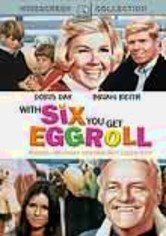
With Six You Get Eggroll-1968

With Six You Get Eggroll-1968

Director Howard Morris

Starring Doris Day, Brian Keith

Scott’s Review #931

Reviewed August 15, 2019

Grade: B

A film that influenced the creation of the iconic television series, The Brady Bunch (1969-1974), or the reverse, depending on the timeline or who you ask, With Six You Get Eggroll (1968) is a cute family romantic comedy, hardly exceptional fare.

It becomes too silly during the final act.

The film follows the merging of two families into one big blended family, and its heart is the romance between two middle-aged singles looking for new love despite their baggage.

Abby McClure (Doris Day) is a widow raising three boys somewhere in northern California. She dutifully runs her deceased husband’s lumberyard while feeling unfulfilled in the romance department.

When her overzealous sister, Maxine (Pat Carroll), tricks her into inviting widower Jake Iverson (Brian Keith) to her dinner party, the pair do not connect. Still, they are drawn to one another as they become better acquainted.

Predictable obstacles come their way, including misunderstandings and backlash from their kids.

With Six You Get Eggroll is Day’s last film and certainly not one of her best offerings, but it is nonetheless moderately enjoyable.

The filmmaker intends to showcase a romance between Abby and Jake so that the elements are set up in a way that makes the characters likable, leaving a very predictable experience.

When Jake arrives at the party early and sees Abby at her disheveled worst, or after Jake makes up an excuse to leave the evening early but runs into Abby later at the supermarket, it’s the sort of film that has a happy ending.

As such, the chemistry between Day and Keith is palpable, making the film charming. If they had no chemistry, the film would be a bust, but their slow-burning fondness for each other works well for this genre.

They share a spontaneous evening of champagne and small talk at Abby’s house, and excitedly plan a date for the next day, only for Jake to make an excuse, leaving Abby perplexed.

When Abby sees him with a much younger woman, we feel her disappointment. After all, Abby is well past forty in a world where middle-aged women are not the pick of the litter anymore, as sister Maxine annoyingly reminds her.

When the young woman turns out to be Jake’s daughter, we smile with relief, along with Abby, because we like the characters and want them to be together.

The children: Flip, Jason, Mitch, and Stacey (a young Barbara Hershey) add little to the film and are merely supporting characters. They dutifully add obstacles to their parents’ happiness by squabbling over bathroom space or resenting one parent for taking the other away.

Conversely, Maxine and Abby’s housekeeper, Molly (Alice Ghostley), adds excellent comic relief, keeping the film from turning too melodramatic and providing natural humor.

The Brady Bunch comparisons are pretty apparent to any viewer who has seen the television series, and who hasn’t. The blended families and the G-rated dramatic crises are the most certain, and the period and clothes are almost identical.

Molly the maid could be Alice the housekeeper, and the actor (Allan Melvin) who plays Sam “the Butcher” from the television series appears as a Police Sergeant.

I half-expected the musical scores to mirror each other.

The film has some mild flaws aside from its predictability. The introduction of a band of hippies (though cool to see M*A*S*H alums Jamie Farr and William Christopher in early acting roles) and a speeding chicken truck resulting in arrests is way too juvenile and plot-driven.

A much better title could have been thought up for the film; With Six You Get Eggroll doesn’t exactly roll off the tongue, and it has nothing to do with the story.

Finally, Abby’s masculine profession is only shown in the opening scene and has nothing to do with the story.

For a wholesome late 1960s-themed evening, With Six You Get Eggroll (1968) is a moderate affair with cliches and a cheery tone, but also some genuine chemistry between its leads.

The sets and colors fit the times well, and Day is always top-notch. Perhaps one could skip this film and watch a sampling of The Brady Bunch reruns; the experience would be almost the same.

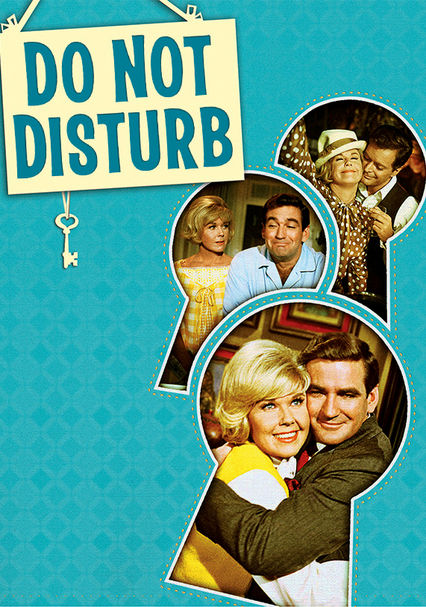
Do Not Disturb-1965

Do Not Disturb-1965

Director Ralph Levy, George Marshall

Starring Doris Day, Rod Taylor

Scott’s Review #917

Reviewed July 8, 2019

Grade: C+

Singer and actress Doris Day put her stamp on the romantic comedy genre during the 1960s, becoming synonymous with wholesome film characters. She had spunk and charm and always wore sensible shoes.

Do Not Disturb (1965) is a lightweight, forgettable work with a silly premise, a juvenile script, and a meandering plot.

The film is somewhat saved by the interesting locales of London and Kent, England, but those seeking better quality should seek out the gems The Man Who Knew Too Much (1956) and Pillow Talk (1959).

Day and Rod Taylor star as Janet and Mike Harper, an American couple who relocate to England as part of a transfer for the company he works for. They immediately disagree over where to live; Mike prefers the excitement of London, but Janet favors the rustic quality of Kent.

After she gets them a house thirty miles outside London, the plan backfires when the couple grows further apart due to Mike’s need to commute to London every day. Lonesome and isolated, Janet worries incessantly that Mike is having an affair with his new secretary, Claire Hackett (Maureen McGivney).

Prompted by her busybody landlord, Vanessa Courtwright (Hermione Baddeley), Janet meets an Italian antique dealer, Paul Bellari (Sergio Fantoni), who she hires to redecorate her house. The antics begin with Mike spending more time with Claire, Janet, and Paul in equally close quarters.

Janet and Mike may be innocent, but Paul and Claire could have designs on their potential mates, especially as the foursome faces one compromising situation after another.

The heart of an authentic romantic comedy is good, old-fashioned chemistry between the leads, and Taylor and Day exhibit adequate sparkle but hardly sizzle.

Mediocrity in the setup and writing can be forgiven if other elements, like crackling moments, exist, but those are rare in Do Not Disturb.

Some Like It Hot (1959) embodies a great comedy with romantic wrappings featuring fantastic leads Jack Lemmon and Marilyn Monroe. Still, the former does not come close to finding its footing amid cliche after cliche.

The film is plot-driven and heavy on story-dictated situations rather than character development. The ending is predictable. The jokes fall flat or feel distinctly canned and cheap, and the laughs never catch on.

During a tepid sequence, Janet and Paul visit a remote town to look at antiques. She ends up drinking too much bubbly and becomes drunk and foolhardy.

What should have been comic relief does little to further the plot or flesh out the characters.

Director Ralph Levy makes little effort to steer the film beyond a slick mainstream “affair” despite the release year being 1965 when more edgy works replaced the polished and familiar.

Rather than dare to go to a less-than-cheery place and perhaps decide to have Janet or Mike cheat on their significant others, Levy chooses not to go there, instead attempting to satisfy those seeking a happily-ever-after wrapping.

Not to be entirely negative, Do Not Disturb features remarkable and stunning locale sequences of bustling metropolitan London, quaint English cottages, and wilderness, oozing with culture and sophistication as well as down-home comforts and rich flavor.

The combination of an American couple thrust into a different setting with a new set of rules and regulations to follow makes the film fun and offers a sprinkle of good scenery.

Do Not Disturb (1965) is a mid-1960s mainstream release buried among nests of other similar-themed but better-written films. Even appealing and bankable stars of the time like Taylor and Day could not succeed in spicing up tired gimmicks and plot devices.

The film will forever be relegated to the romantic comedy shelves, teetering on the brink of obscurity.

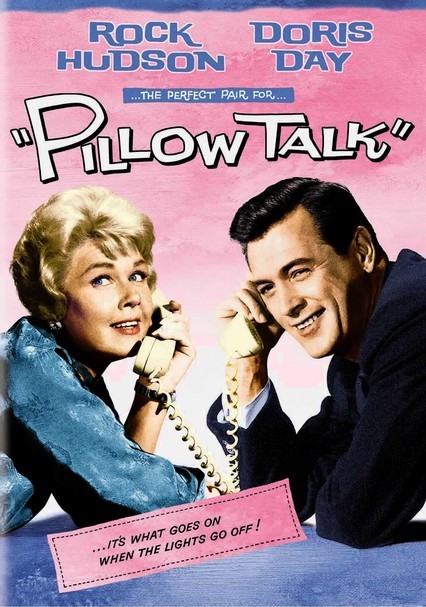
Pillow Talk-1959

Pillow Talk-1959

Director Michael Gordon

Starring Rock Hudson, Doris Day

Scott’s Review #907

Reviewed June 6, 2019

Grade: B+

Pillow Talk (1959) is the ultimate in romantic comedies from the age of innocence in cinema.

In 1959, pictures were still wholesome and safe, providing happy stories and charming characters. The film is a lovely and enchanting experience with intelligent characters and fantastic chemistry among its leads.

Combined with a good romance and comic elements, it makes for a fun watch that still feels fresh and bright decades later.

Doris Day and Rock Hudson smolder as singles living in Manhattan, New York City. Day plays Jan Morrow, a perky, independent interior decorator who dates frequently but has not yet found love. Hudson plays Brad Allen, a talented, creative Broadway composer and playboy who lives in a nearby apartment building.

Jan is frustrated by a party line that allows her to hear Brad’s endless phone conversations with the women in his life. He is annoyed by her prim and proper, holier-than-thou attitude. They bicker on the phone but have not met.

Through their mutual, yet unknown to them, acquaintance Jonathan Forbes (Tony Randall), Brad realizes who Jan is, which leads to hilarity as he fakes a Texan accent and invents a new persona: Rex Stetson, a wealthy Texas rancher.

He succeeds in wooing Jan, who falls madly in love with him while unaware of his identity. Events culminate in the inevitable big reveal when the couple vacations at Jonathan’s cabin in nearby Connecticut.

Rock Hudson oozes masculinity and charisma, and nearly every woman he meets falls madly in love with him. Hudson’s sexual preferences are hidden from the public but well-known within the film industry, so one wonders if a few comical situations were added as an inside joke.

One can speculate if these additions were made with or without the star’s knowledge; rumors abound that Hudson reportedly carried on an affair with actor Nick Adams (Tony) during filming.

A recurring theme involves Brad mistakenly walking into an obstetrician’s office (twice!) and the doctor and nurse assuming he may be the first man to become pregnant as they attempt to locate Brad when he continues to disappear.

Later, Brad attempts to trick Jan into believing Rex might be a homosexual because of his love for effeminate things.

The supporting players bring wit to Pillow Talk and are key to the film’s enjoyment. Randall, as Jonathan, is not quite the nice guy but not entirely the foil. As he has designs for Jan, he warns Brad to keep away.

His intention, which fails, is to woo her with money, but Jan seeks true love.

Thelma Ritter’s performance as Alma, Jan’s boozy housekeeper, is delicious. She adds necessary comic timing and sardonic humor. We crackle with delight when she ultimately finds love with the elevator operator.

The lavish set design is flawless. It brightens the film while adding the luxurious style and sophistication that only New York City apartment living can bring. The combined sets of Brad’s and Jan’s apartments are gorgeous.

With bright colors and 1950s-style furniture, one can easily imagine how beautiful it would be to live in an apartment of this brilliance—I know this viewer did!

A Doris Day film would not be complete without several songs that the singer/actress performs. “Pillow Talk” during the opening credits, “Roly Poly” in the piano bar with Blackwell and Hudson, and “Possess Me” on the drive up to Jonathan’s cabin.

Pillow Talk (1959) is an example of a rich romantic comedy with significant elements. It is a bit fantasy and silly but contains style, sophistication, and humor.

The film was an enormous success and was deemed “the feel-good film of the year” in many circles. Following the film, Hudson’s career was relaunched after a snag years earlier.

Oscar Nominations: 1 win-Best Actress-Doris Day, Best Supporting Actress-Thelma Ritter, Best Story and Screenplay Written Directly for the Screen (won), Best Scoring of a Dramatic or Comedy Picture, Best Art Direction, Color

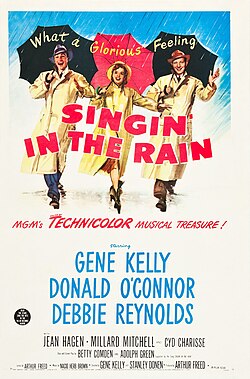
Singin’ in the Rain-1952

Singin’ in the Rain-1952

Director Stanley Donen, Gene Kelly

Starring Gene Kelly, Debbie Reynolds

Scott’s Review #874

Reviewed March 4, 2019

Grade: A-

Singin’ in the Rain (1952) is most closely associated with the entertainment industry in the oversaturated field of musicals released during the mid-twentieth century.

The battle between the transition of silent pictures to “talkies” is the basis of the story, giving the film an important, along with fun, subject matter.

Likable stars and sing-along tunes make the film memorable and decidedly All-American, though perhaps not the greatest in the crowded musical field.

During the late 1920s, Don Lockwood (Gene Kelly) was a famous and well-regarded silent film star. His co-star and studio-created romantic attachment is Lina Lamont (Jean Hagen), an annoying and shallow leading lady with a harsh singing voice.

As more successful “talkies” (films with sound) are produced, Don finds himself smitten with musical chorus girl Kathy Selden (Debbie Reynolds). The plot to dub Lina’s voice with Kathy’s leads to comical chaos and an idea to create a new musical amid a blossoming romance between Don and Kathy.

The fun and frolicking Singin’ in the Rain is lightweight but never silly nor superfluous, thanks to the overriding message of the change in Hollywood priorities.

Critically acclaimed from the get-go, this is unsurprising since Hollywood loves stories about Hollywood, especially since the film was made only slightly more than two decades since sound-laden films overtook the world.

Furthermore, in 1952, television was making its debut to legions of fans, and the accessibility presented a serious threat to the cinema, making the subject matter even more relevant.

Kelly and Reynolds make a nice enough pair, but I never thought they completely knocked it out of the park from a chemistry perspective.

One slight flaw is the lack of hurdles preventing the couple from an inevitable union. Lina is the transparent foil and ultimately played for laughs, so she is not a serious threat.

The plot-driven conflict involving Kathy’s initial dislike of Don because she values stage over film is cute, but ultimately revealed to be a sham since she has been a fan of his all along.

The musical is a comedy, but better hurdles might have made for a more interesting story.

Nonetheless, Singin’ in the Rain is a pleasure and a largely non-threatening experience. The hi-jinks involved as the characters strive and struggle to put on their production are comical, and Lina’s New York accent and shrill singing voice threaten to steal the show from the more grounded central characters.

The musical numbers are a dream, and I especially like favorites like “Make ‘Em Laugh,” “Good Morning,” and the epic title song.

Through no fault of the film’s title number, “Singin’ in the Rain” will forever not be associated with this film for me but rather with the dark and cerebral A Clockwork Orange (1971). As the villain beats and rapes his victim by cheerily singing this tune, the song will forever hold a much darker association for me.

The dramatic final act is the highlight as a lavish premiere of The Dancing Cavalier is unveiled to a live theater audience hungry for something good.

When the crowd chomps at the bit for Lina to perform live, the big reveal of Kathy being the truly talented singer is displayed as the wizard in The Wizard of Oz style as Don and Kathy kiss and ride off into the sunset together in a grand show biz fashion.

In the crowded genre of the 1950s and 1960s musical productions that ravaged American cinema at the time, I mainly chose to watch West Side Story (1961), Gypsy (1962), The Sound of Music (1965), and Oklahoma! (1955) for pleasure, but Singin’ in the Rain (1952), an earlier gem, is worthy of value, especially for the memorable musical soundtrack it offers.

The story is light but also relevant and, most importantly, highly entertaining.

Oscar Nominations: Best Supporting Actress-Jean Hagen, Best Scoring of a Musical Picture

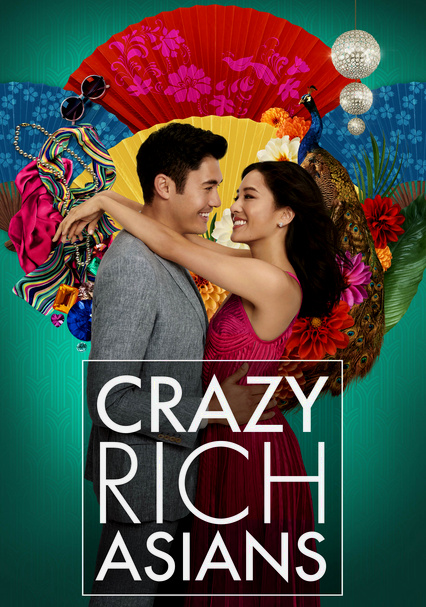
Crazy Rich Asians-2018

Crazy Rich Asians-2018

Director Jon M. Hu

Starring Constance Wu, Henry Golding

Scott’s Review #860

Reviewed January 26, 2019

Grade: B+

Crazy Rich Asians (2018), the romantic comedy smash of 2018, is a fun romp that is memorable because it centers on the Asian population, which is shamefully underrepresented in mainstream American cinema.

For this point alone, the film is recommended and worthy of praise, but otherwise, it is a standard genre film with gimmicks, stock characters galore, and a predictable conclusion.

The numerous cultural tidbits included must be mentioned, which raise the film above mediocrity.

Rachel Chu (Constance Wu) and Nick Young (Henry Golding) are a happily dating New York City couple; she is a New York University college professor, and he is an entrepreneur.

They fly to Singapore to attend Nick’s best friend’s wedding, which results in antics and anguish. Rachel realizes that Nick comes from an extremely wealthy family and is Chinese royalty, owning a multitude of lavish hotels and real estate.

Most of Nick’s family, especially his traditional mother Eleanor (Michelle Yeoh), disapproves of the pairing, viewing Rachel as a typical American who prioritizes passion over family.

Nick is a sought-after commodity among the single women of Singapore, and Rachel is forced to endure harassment and mockery at every turn. Her allies are Nick’s kind sister Astrid (Gemma Chan), Rachel’s outrageous college pal Peik Lin (Awkwafina), and her equally garish family.

The plot thickens when Nick’s scheming mother does a background check on Rachel and discovers a family secret.

Crazy Rich Asians is a formulaic romantic comedy with the standard situations and characters expected of a genre film. The rivalry between the good girl and her boyfriend’s domineering mother, the comic relief of the gay sidekicks as Peik Lin and another friend of Rachel’s, provides.

The caricatures of Peik Lin’s wild family, her unattractive brother fond of taking secret photos of Rachel, and Eleanor’s snooty, judgmental circle of female friends are all well cast yet one-dimensional.

It is perplexing why the filmmakers decided to make Nick only half Chinese rather than authentically Asian. Sadly, this may have been a reassurance that the film would be more marketable to mass audiences.

The film is presented as an Asian film, but it is an American film.

The storyline justification is that Nick’s father (surprisingly never seen) is British and that he and Eleanor met in college, only she being Chinese. Nick and Astrid’s English accents gnawed at me throughout the film.

Despite the myriad of cliches and manipulations, Crazy Rich Asians has a nice flow and offers a fun two hours. The film is flavorful with bright colors and visual spectacles of stylish and sophisticated Singapore and its modern and sleek nuances.

I adored the locales featuring the skyline and a rich overview of the robust and relevant city/country.

Fantastic is how the filmmakers add spices of traditional Chinese culture throughout the film’s telling, quickly becoming more of an ode to the good history. Nick’s grandmother, Su-Yi (Lisa Lu), takes pride in her excellent and artistic flowers, and Rachel is introduced to the art of dumpling making.

Crazy Rich Asians introduces a history lesson for those unfamiliar with ancient Chinese customs.

Flavorful inclusions of Mandarin Chinese language versions of American pop hits are also lovely additions, so the film has some tidbits to revel in other than the story.

Most songs reference money, such as “Money Honey” by Lady Gaga and “Rich Girl” by Hall & Oates.

The pacing of the film is nice. There is never a dull or dragging moment, and a nice balance of comedy and drama. Humorous is when Peik Lin provides Rachel with a costume makeover, ensuring she looks dynamic for the grand wedding, as she convinces her to fight Eleanor with fire.

Drama ensues when someone casts a dead fish on Rachel’s bed, and Eleanor spits that Rachel will never be enough for her son.

The film’s conclusion is predictable, resulting in a marriage proposal aboard a jet heading from Singapore to New York City. With a movie like Crazy Rich Asians, it is guaranteed that the couple lives happily ever after, riding off into the sunset in great defiance of Nick’s roots.

Due to the film’s success, a sequel is a solid bet, though I am also not betting the follow-up will be any good. Are romantic comedy sequels ever decent?

Filled with cliches, but satisfying most mainstream film-goers, Crazy Rich Asians (2018) creates a film with enough shards of Asian culture to at least get the Asian population on the map with a Hollywood production.

Although the film has a polished look and some stereotypes, it breaks no new ground other than good inclusion, and that is a start.

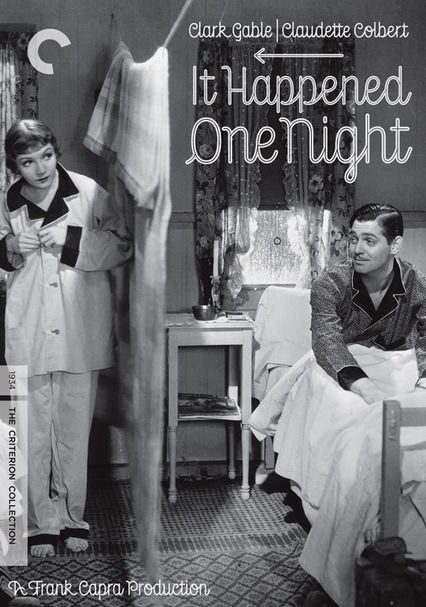
It Happened One Night-1934

It Happened One Night-1934

Director Frank Capra

Starring Clark Gable, Claudette Colbert

Scott’s Review #824

Reviewed October 25, 2018

Grade: A-

Perhaps the film that best defines the early cinematic romantic comedy and certainly the one most modern genre films can learn from, It Happened One Night (1934) is a lively, fun romp.

The film carted away the Best Picture, Best Director, Best Actor, and Best Actress Academy Awards, a rare feat, and defined what romantic tension and thoughtful dialogue should be in a quality picture. All the elements sparkle into an excellent classic film watch.

Ellie Andrews (Colbert) is a pampered socialite who recently disobeyed her overbearing and wealthy father by eloping with a blue-collar pilot who is feared to be after her money.

Determined, Ellie escapes her father’s clutches and hops on a Greyhound bus headed from Florida to New York, where her husband is. When she crosses paths with an out-of-work journalist, Peter Warne (Gable), they each find an opportunity to use the other to their advantage.

The pair’s adventures along the East Coast lead to antics and schemes as they fall madly in love with one another.

It Happened One Night successfully mixes a good romance with some screwball comedy without ever becoming silly or trite.

The film also serves as a good old-fashioned adventure story as Peter and Ellie face one hurdle after another on their trek north.

Pleasing is how the duo slowly finds romance but first begins as irritants towards each other. The chemistry between the actors is superb and never seems forced or contrived.

Frank Capra, a famous director with successes throughout the 1930s, culminating with the holiday favorite It’s a Wonderful Life (1946), had several Oscar-winning films during the decade.

It Happened One Night seems to have inspired most of them, and the acting, absurd situations, dialogue, and direction all successfully come together.

Shot in black and white and the Motion Picture Production Code, which heavily restricted details deemed too violent or sexual, It Happened One Night pushed the envelope quite a bit.

This is to the film’s credit- who can forget the adorable yet provocative scene in which Ellie shows her shapely legs to enable the duo to catch a ride? The lovable scene, non-risque in today’s modern world, was anything but in 1934.

An interesting, at that time unique, point is that supporting characters are more layered than is typical in romantic comedies. Danker, whom Peter and Ellie hitch a ride with, is seemingly a decent man but ultimately attempts to steal their luggage.

Later, Ellie’s preposterous father turns out to be a decent man, so the film also contains a few character surprises.

While not quite a pure masterpiece, It Happened One Night (1934) is nonetheless an inspired legendary film that can be viewed and enjoyed for the period in which it was made.

The film stands out among the similarly themed romantic comedies of the 1930s and 1940s and is a teachable moment for all filmmakers who explore the same genre territory.

Oscar Nominations: 5 wins– Outstanding Production (won), Best Director (won), Best Actor-Clark Gable (won), Best Actress-Claudette Colbert (won), Best Adaptation (won)

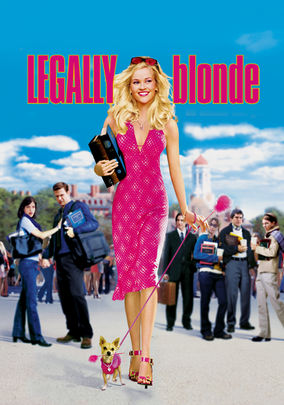
Legally Blonde-2001

Legally Blonde-2001

Director Robert Luketic

Starring Reese Witherspoon, Luke Wilson

Scott’s Review #807

Reviewed August 30, 2018

Grade: B+

Legally Blonde (2001) is a film that by all accounts should have been a hot mess, but for some reason is a great ball of fun. High art it ain’t by any means, and the plot is implausible beyond belief, and suspension of disbelief must be securely tucked away.

Despite portraying more serious roles both before and after this film, Reese Witherspoon is largely responsible for the success and is closely associated with this role.

Quite simply, all the elements manage to align with perfection in this film.

Elle Woods (Witherspoon) is president of her sorority at a Los Angeles college. Clad in fluffy pink attire and carrying her cute dog everywhere she goes, she epitomizes the stereotypical “dumb blonde”.

However, she does carry a 4.0 grade point average in fashion.

Expecting a marriage proposal from her upper-class, snooty boyfriend, Warner, Elle instead finds herself dumped due to not being serious enough.

Determined to prove herself worthy, she manages acceptance into Harvard Law School, along with Warner, and embarks on hi-jinks and adventures.

Warner’s fiancee and a potential new love interest cause turmoil for the boisterous Elle.

Legally Blonde never takes itself too seriously and is simply a fun, silly-minded, comic adventure. Audiences will likely chuckle and smile along with Elle’s adventures as she gets into one pickle after another, always determined to prove her intelligence.

To be clear, the film itself is very formulaic and could easily have been trivial and uninspired resulting in a bomb. But Witherspoon shines in the lead role adding a likable, charming quality to the character.

The actress possesses great wit and comic timing so that her character becomes more of a champion and we root for her to overcome obstacles and succeed.

By miles, she is the standout in the film.

Suspension of disbelief is at an all-time high. In “real life” there is no way Elle would ever make her way into the elitist Ivy League school brandishing a pink resume or other silly tricks to be cute and appealing.

Nor would she ever likely be so instrumental in winning a murder case so quickly. To nobody’s surprise, Elle eventually graduates with flying colors and is honored with giving a graduation speech inspiring those around her.

But as implausible as these situations are, they are also Legally Blondes’ appeal.

The supporting characters are pure caricatures, especially the main foils (Warner and Vivian- who take Elle’s place as fiancee). Both are the villains, Vivian going so far as to embarrass Elle by inviting her to a stuffy party under the guise of it being a costume party.

In the end, one of the characters “turns good”, another common element of predictable films of this nature. But again, the film is just pure and simple fun, so these stereotypes are okay.

In more modern times (not that 2001 was so long ago), the film would have not been directed by a man, but rather by a woman.

Screenwriters Kirsten Smith and Karen McCullah Lutz prepared a female-driven film that was based on a novel by Amanda Brown.

Why a man was chosen to direct is beyond me, but, alas, this is the way things were at the time.

Interestingly, another recent film that I reviewed, My Big Fat Greek Wedding (2002) would work perfectly as a now retro romantic comedy double feature along with Legally Blonde (2001).

Both are fun and light but also celebrate strong female characters.

Legally Blonde borrows much from the 1995 brilliant similar genre Clueless but is not as great as that film. Still, the film is an inspired effort due largely to the charms of its lead star.

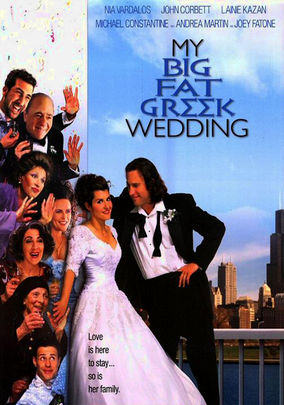
My Big Fat Greek Wedding-2002

My Big Fat Greek Wedding-2002

Director Joel Zwick

Starring Nia Vardalos, John Corbett

Scott’s Review #806

Reviewed August 28, 2018

Grade: B+

My Big Fat Greek Wedding is a romantic comedy from 2002 that became a surprising sleeper hit at the time of release. A novel story idea, the film was even recognized with a Best Original Screenplay Oscar nomination.

The film achieved success the old-fashioned way by garnering word-of-mouth buzz despite little promotion.

Good-natured, earnest, and tender, the film was nonetheless marred by an abysmal sequel and short-lived television series- a lesson learned in leaving well enough alone.

Comedian Nia Vardalos reportedly wrote the story as a one-woman play and word of mouth among Hollywood A-list celebrities led to a film version starring Vardalos herself. This casting choice adds enormous authenticity as the writer’s vision shines through on-screen.

The film has a fresh and modern feel to it. Otherwise, the supporting cast is brilliant and perfectly selected. From handsome love interest John Corbett to veterans like Lainie Kazan and Andrea Martin, everyone plays their part to the hilt and seems to be having a ball with the comic elements.

Dowdy Toula Portokalos is a lonely thirty-year-old Greek woman, considered the black sheep of her family. Of traditional roots, she is expected to marry and bear children as quickly as possible.

Toula still lives at home and works in the family restaurant in bustling Chicago, yearning for something more out of life.

When she sees dashing school teacher Ian Miller (Corbett) in the restaurant one day, she makes an embarrassing attempt to catch his attention. Through a computer class, Toula blossoms and finally lands her man, but the drama is just beginning as the couples and their individual families’ differing cultures collide.

My Big Fat Greek Wedding is written very well and, again, the authenticity is what shines through in each scene. Admittedly, it often feels like a television sitcom and many scenes play for obvious laughs, but the laughs work. The funniest of these scenes is when Toula and Ian (now engaged) decide to invite his parents to dinner at her parent’s house.

Predictably, events go awry as his parents-conservative and reserved, do not mesh well with hers-festive and bombastic.

Vardalos and Corbett may not have the greatest chemistry in film history, but the build-up and the romance are so charming that we can overlook the lack of lustful vigor or the sexual tension between the pair.

The film feels more like a PG-rated Cinderella story than anything heavier. Predictably, the couple shares a happily-ever-after ending.

As much of a jewel as My Big Fat Greek Wedding was in 2002, the risk with a film of this nature is to hold up well over time. Specifically, in the romantic comedy genre, films of this ilk have a short relevant shelf-life (if deemed relevant at all).

The humorous Windex references may be lost on audiences over time or just become stale over the years.

Some can deem My Big Fat Greek Wedding (2002) as fluff- mainly based on the romantic comedy genre it exists in. But it’s of better worth than that, mainly because of the fresh and genuine use of culture and differing backgrounds.

The film has a quality that most of the standard “rom coms” do not possess, that of authenticity. Yes, it contains Greek stereotypes, but the overall vibe of the film is that of a sunny, fun, happy experience.

An uplifting film can sometimes be just what the doctor ordered.

Oscar Nominations: Best Original Screenplay

Independent Spirit Award Nominations: 1 win-Best Debut Performance- Nia Vardalos (won)

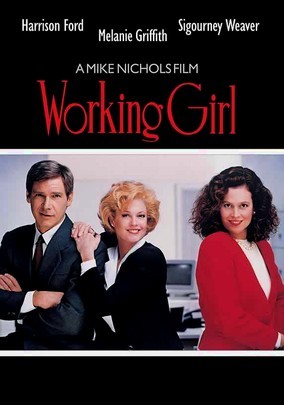
Working Girl-1988

Working Girl-1988

Director Mike Nichols

Starring Melanie Griffith, Harrison Ford, Sigourney Weaver

Scott’s Review #748

Reviewed April 26, 2018

Grade: B+

Released during a decade known for excess, fun, and light comedy films, especially during the latter half, 1988’s Working Girl was a blockbuster hit at the time, and in modern times is perfectly nestled as an identifier of the decade itself.

This can be both good and bad with both a dated feel and also a whimsical, basic good girl versus a bad approach that is appealing.

The film is romantic comedy fluff but is entertaining and features lovely views of New York City- one of my very favorite locales.

The film is directed by Mike Nichols, known more for the heavier subject matter (1966’s Who’s Afraid of Virginia Woolf and 1967’s The Graduate). His leading of the picture, as well as all-star casting, surely made this film better than it ought to have been.

Tess McGill (Melanie Griffith) commutes via the Staten Island Ferry each morning into vast Manhattan where she holds a secretarial job at a Wall Street investment bank.  When she has a bad experience with one of the brokers, she is reassigned to a female boss, the assertive Katharine Parker (Sigourney Weaver).

After Katharine steals Tess’s business idea and passes it off as her own to get in good with handsome Jack Trainer (Harrison Ford), Tess is determined to reveal the truth as a triangle develops between the three individuals.

In tow are Tess’s best friend Cynthia (Joan Cusack) and her cheating boyfriend, Mick (Alec Baldwin) in supporting roles.

Working Girl feels overwhelmingly like a “1980s film” and while relevant at the time and kindly nostalgic, the film does not hold up well in modern times, rather seeming to be suited for a time capsule, unlocked from time to time for kicks.

The most garish example is the hideous hairdos that Nichols has Tess and Cynthia don- frizzed out and caked with aqua net hairspray is over-the-top even for the 1980s.

Then there are the inevitable tacky outfits complete with bright colors and shoulder pads as the girls hustle to their dull jobs. With these costume tidbits in addition to the filming style the tone just screams the 1980’s.

The casting of the three leads is very good- Griffith, Ford, and Weaver all share nice chemistry and the clear rooting value is for Tess and Jack to live happily ever after- with Katharine as the obvious foil.

The conclusion of the film is of little surprise, but as a romantic comedy, this is standard fare. The point is that the relationships are dynamic and the ride is fun. Griffith is quite breathy and seductive in her role- a clear homage to the talents of Marilyn Monroe in her 1950s-era films.

Never known for great acting, Tess is the role of a lifetime for Griffith. Weaver sinks her teeth into an against-type villainous role and Ford is dashing and charismatic as the leading man.

My favorite parts of Working Girl, and the strongest aspects of the film, leaving an indelible impression even after all of these years, are the sweeping camera sequences of New York City featured throughout the film.

Lots of scenes were shot in neighboring Staten Island, but the best shots of all are the luminous skylines of Manhattan that encompass the opening sequence and later, viewpoints from the corporate offices.

There we see Tess on the Ferry heading across the Hudson River all with the wonderful soundtrack song by Carly Simon, Let the River Run, playing in the background. The soothing tune and the approaching mammoth city set a nice tone.

The story itself is a sort of rags to riches, Cinderella-style experience from the point of view of Tess. Taking night classes to better herself and clearly, a blue-collar type battling the giants of the corporate world and the more sophisticated Katherine (she speaks fluent French!) is an enormous draw of the film to sustain mainstream audiences.

Corporate greed versus the little guy is an adept comparison here. Almost borderline fairy tale, the fact that Tess gets the dashing Jack (in real life he would undoubtedly be with Katharine) makes the film good, escapist fare.

The working-class Staten Island versus the sophisticated Manhattan is another theme worth mentioning.

Thirty years beyond its original release. 1988’s Working Girl now seems dated, dusty, and of its time like many similar style films, but does still contain some of the enjoyment undoubtedly beholden to it at the time of release.

A film that is fine to take out of the vault, dust off, and enjoy for some good escapist cinema and a predictable story of good overcoming bad.

Oscar Nominations: 1 win-Best Picture, Best Director-Mike Nichols, Best Actress-Melanie Griffith, Best Supporting Actress-Joan Cusack, Sigourney Weaver, Best Original Song-“Let the River Run” (won)

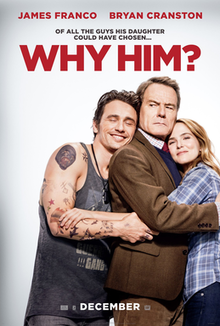
Why Him?-2016

Why Him? -2016

Director John Hamburg

Starring John Franco, Bryan Cranston

Scott’s Review #704

Reviewed December 6, 2017

Grade: D

Why Him? (2016) is epic film drivel starring quite capable actors in a mish-mash of dull, predictable stories, obnoxious characters, and a need to attempt to go raunchier and raunchier for a cheap laugh.

Why there is a market for films like this is beyond me as no thinking is required (maybe the film will please those fans!), but the film scores slightly higher than a solid “F” based solely on a few chuckles uttered thanks to the only dim bright spots in this mess, Bryan Cranston and Megan Mullally.

A story told dozens of times before in “slapstick comedy” fare, the premise is tired beyond belief. A good girl meets a bad boy, they fall head over heels in love and must deal with the aftermath of her parent’s meeting, and hating the bad boy.

The main gimmick is the rivalry between boyfriend and girlfriend’s father, like an unfunny Meet the Parents (2000).  A silly and uninteresting plot point about each character’s business success or lack thereof is mixed in as if anyone cares.

As with all films of this ilk, the story is wrapped up in a neat, tidy little bow by the time the credits roll, and all characters live happily ever after in perfect harmony.

In one of his most disappointing roles, James Franco plays Laird Mayhew, the wealthy, eccentric, thirty-something CEO of an upstart video game company.

He is foul-mouthed and comically speaks his mind or absentmindedly shows his ass on a Skype chat with his girlfriend Stephanie (Zoey Deutch) while her parents are linked to the chat at a birthday party.

Stephanie, a college student and girlfriend of Laird, invites her parents, Ned and Barb (Cranston and Mullally), along with their fifteen-year-old Scotty, for the Christmas holidays.

Predictably, Stephanie’s parents are appalled by Laird and want her to have nothing to do with him. When Stephanie arranges for Ned, Barb, and Scotty to stay at Laird’s spacious home, the antics take off as feuds and misunderstandings erupt.

The main problem with Why Him? is that director John Hamburg (famous for mainstream comedies such as Along Came Polly, 2004, and I Love You, Man, 2009) seems determined to push the raunchy comedy elements further with this idiotic film.

He makes Laird as obnoxious and crass as possible yet tries to make the character more “likable” by giving him a clueless quality; therefore, he is not mean-spirited and should be beloved by the audience.

The character does not work. Franco has played terrific roles- specifically in 127 Hours (2010) and  Howl (2010). As a fan of the talented actor, I expected more from him, but alas, some performances are only as good as the written material.

If there is a bright spot worth mentioning, it is with the casting of Cranston and Mullally.

Two actors are undeniably good at physical comedy. They do as much as they can with poorly written, stock-type roles. Cranston’s Ned, a middle-class small business owner from Grand Rapids, Michigan, is both envious and resentful of Laird, perhaps admiring the young man’s business savvy and regretting not being as successful.

Barb is a one-note, ditzy yet lovable wife, a role made slightly better by Mullally’s goofy portrayal. In one of the best scenes, Barb smokes pot and becomes a mess in her bedroom.

The following day, Ned is trapped on the toilet and has an embarrassing experience with Laird’s best friend, Gustav. While these scenes are juvenile, they are made better by the funny actors.

Suffering greatly from a tired and overused storyline that falls flat, unlikable, and dull characters, the film offers nothing of substance or worth.

Why Him? (2016) is entirely plot-driven with no character development or well-written characters.

The film is a complete waste of time. It results from a studio hoping to achieve box office success by churning out a poor comedy with wasted talent that will please only those audiences not expecting much from their films.

Roman Holiday-1953

Roman Holiday-1953

Director William Wyler

Starring Gregory Peck, Audrey Hepburn

Scott’s Review #694

Reviewed October 26, 2017

Grade: B+

Roman Holiday, released in 1953, was a box office hit, pleasing legions of fans at the time, and a critical darling.

The film reaped Academy Award nominations, including the coveted Best Actress statuette for a young Audrey Hepburn.

A happy, uplifting story, the film is not diminished by Cinderella in the reverse storyline but rather is a charming, romantic experience immersing itself in pleasing locales of the cultural city of Rome.

Admittedly, Roman Holiday is an example of a film in which I preferred the latter half to the former, but it set the bar high in the romantic comedy genre.

Our heroine, Princess Ann (Hepburn), has it all glamorous life, gorgeous clothes, and assistants tending to her every need and want. However, she is unhappy and trapped in a rigid life that lacks freedoms or decisions, to say nothing of the fun. She catches glimpses of party-goers reveling in each night from her expansive palace window.

Simply put, she is lonely and unfulfilled.

When she sees an opportunity to escape her life for a night, she snatches it and stumbles upon an American reporter, Joe Bradley (Peck). Despite their differing backgrounds, they fall madly in love.

At first, I found something missing in the film, and the chemistry between Peck and Hepburn did not immediately embrace me. As the duo meets Ann, who is drunk from sleeping pills, and Joe is the ultimate nice guy who allows her to sleep in his apartment, the story seems lagging and lacks a good punch.

The pair drives around Rome on a scooter and acts childish and silly. Ann acts girlish because fun is an entirely new concept to her. At this point, the film is reasonable but little more than a farce.

As Roman Holiday progresses, primarily through the final act, the film sheds some of its light skin and becomes much more poignant and meaningful.

Ann and Joe, while in love, realize they will not and cannot embark on a fairy tale ending, which truthfully, would have made Roman Holiday little more than a standard romantic comedy we have all seen before- you know the type- boy meets girl, roadblocks persist, boy whisks girl away and rides off into the sunset together.

While not a dark film, it goes deeper than a transparent, predictable ending.

Related to this point is that Roman Holiday contains a realness that sets it apart from many films undoubtedly drawn from it. Still, unlike this film, it leans into contrived or predictable situations.

As Joe and Ann fall in love, the audience falls in love with them. The main plot hurdle—Joe’s temptation to profit from Ann once he realizes her true identity after a sought-after interview—is earnestly handled without pretension.

Other similar films ought to take note of this.

Indeed, the historic and culturally relevant locales of Rome are a significant selling point of the film, and if these scenes had been shot on a movie set, a lack of authenticity would undoubtedly have emerged.

Instead, we are treated to such fabulous location sequences as the Colosseum, the Tiber River, the Trevi Fountain, and Piazza Venezia. Such a delight is the long sequence of Roman escapades as Joe and Ann traverse the city in giddy bliss.

It is enjoyable to see how Roman Holiday contains no real villain.

There are no physical hurdles to the duo’s relationship—no outside forces plotting to keep Joe and Ann apart, other than their lifestyles. Ann lives in a world of royalty and pampering, but Joe is an everyman, so the chances of living happily ever after are slim.

Film lovers intent on discovering one of the early romantic comedies—one could argue that It Happened One Night (1934) was the first—should watch a feel-good Hollywood classic from 1953. It is rich in honesty, good humor, and raw emotion without being too heavy a melodrama.

After a mediocre start, the film finishes with gusto.

Oscar Nominations: 3 wins-Best Motion Picture, Best Director-William Wyler, Best Actress-Audrey Hepburn (won), Best Supporting Actor-Eddie Albert, Best Screenplay, Best Story (won), Best Art Direction, Black and White, Best Cinematography, Black and White, Best Costume Design, Black-and-White (won), Best Film Editing

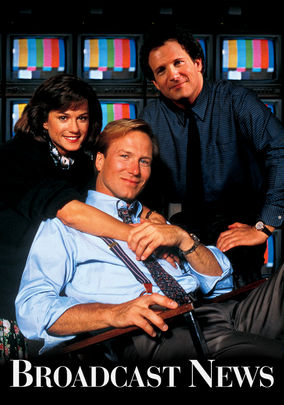
Broadcast News-1987

Broadcast News-1987

Director James L. Brooks

Starring William Hurt, Holly Hunter

Scott’s Review #602

Reviewed January 11, 2017

Grade: B

Broadcast News is a 1987 feature film that admittedly is an intelligently written romantic comedy. It was rewarded with several Academy Awards nominations, in what has been known to be a bleak year for the film industry.

That being said, I found the overall result of the film to be a decent experience, but certainly nothing fantastic. I was left with the feeling that it was “okay”.

I do not think it was good enough to warrant Oscar nominations, but it was enjoyable all the same.

The principal characters are interesting enough, albeit safe.

The film centers around three television news people- a neurotic news producer (Holly Hunter), a reporter (Albert Brooks), and his rival (William Hurt).

All of them are ambitious and determined to climb the ladder of success in their Washington D.C. base.

The film explores the relationships between the characters.

As stated, there is nothing wrong with the film. I would have expected a bit more- perhaps a deeper or darker story- instead, despite some witty dialogue, the film is largely a safe, predictable journey.

Oscar Nominations: Best Picture, Best Actor-William Hurt, Best Actress-Holly Hunter, Best Supporting Actor-Albert Brooks, Best Screenplay Written Directly for the Screen, Best Cinematography, Best Film Editing

Show Me Love-1998

Show Me Love-1998

Director Lukas Moodysson

Starring Alexandra Dahlstrom, Rebecca Liljeberg

Scott’s Review #496

60000454

Reviewed October 22, 2016

Grade: B

Throughout the latter part of the 1990s, films with more of an LGBT perspective (then simply referred to as the gay and lesbian genre) were being released more readily, though it was not until the 2000s when mainstream offerings on the subject (Monster-2003, Brokeback Mountain-2006) hit the big screen to wide acclaim.

Show Me Love (1998) is a Swedish coming-of-age story about two high school girls, opposites in social acceptance, who find love.

Interestingly, the film was directed by a male- Lukas Moodysson.

Show Me Love originally had a different title, a crude reference to the town the film is set in, in western Sweden, but when the film was considered for Academy Award contention (it did not cut), filmmakers were advised to modify the title for the film to have any shot.

The film contains a grainy look- using handheld cameras in parts and, of course, is in the Swedish language.

Agnes is sullen, introverted, and brooding. Known throughout the high school hallways as the angry, weird lesbian, she has few friends, and the ones who are kind to her, she shuns away.

Elin, by contrast, is popular, lively, and charming- everybody loves her. However, Elin is restless in the tiny Swedish town where she lives and yearns for excitement. When Agnes develops a crush on Elin, she confesses all to her computer, but nobody else.

The film is nicely put together and given the time of 1998, is quite brave. Today, many years have passed and progress within the LGBT community made, a film like Show Me Love is a more common occurrence.

Director, Moodysson, does not go for anything gratuitous or steamy but rather spins a sweet coming-of-age tale, not only of teen love and hormones but of outcasts and feelings of loneliness.

It’s a film that most can relate to in some way.

The actresses portraying the leads (Dahlstrom and Liljeberg) are fantastic in their roles and play the parts with conviction and believability. Despite being opposites, we buy their attraction and chemistry. Nothing is forced or dishonest.

My favorite scenes are the awkward 16th birthday party for Agnes, thrown by her well-meaning yet clueless parents. When nobody except a handicapped girl shows up, Agnes viciously insults her, causing her to leave.

The family sits in the living room eating the food that was planned for anticipated guests. It’s a poignant moment and rather sweet. Despite Agnes’s unpopularity at school, she has a very strong, loyal family unit- that is nice to see.

Later, Elin and her sister attend the party, but more as an excuse to avoid another one. Finally, Elin and Agnes share a kiss, but is it a mean dare or is it authentic?

A clever aspect of the film is how Moodysson distinguishes both Elin and Agnes’s sexuality. Agnes is gay, open, and out. Elin is very different and has boys interested in her.

The girls could not be more different and this adds a layer of complexity as each is in a different place in self-discovery. This feature also makes Show Me Love very honest in its storytelling.

The film is not a masterpiece and could have dared to venture into more controversial territory. Could they be harmed for being lesbians given the town they live in? Why is Agnes so sullen?

This is a stereotype (the brooding lesbian) that needs to be changed- though, given the time of the film, I will give it a slight pass. Why not make Agnes a happy, cheerful girl who is gay? How will Elin’s sister deal with Elin’s sexuality or is it merely a phase for her?

All sorts of darker issues might have been explored, but Show Me Love (1998) is tender, sweet, and lighter fare, but still an adventurous offering.

Date Night-2010

Date Night-2010

Director Shawn Levy

Starring Steve Carell, Tina Fey, Mark Wahlberg

Scott’s Review #481

70121501

Reviewed September 17, 2016

Grade: D+

Date Night is a perfect example of mediocrity in modern filmmaking.

We have two current comedic actors here- Steve Carrell and Tina Fey- circa 2010- at the top of their game.

The filmmaker’s idea is to pair these two and make an appealing romantic comedy appealing to the masses.

The main issue with this film is that the result is generic and quite an average offering.

And the entire film is incredibly plot-driven with no character development to speak of. If I am being too harsh, admittedly there is rather nice chemistry between the two leads, but it is wasted because of sloppy writing.

A couple from the New Jersey burbs, Carrell and Fey portray husband and wife, Phil and Claire Foster. Saddled with two kids and their romance reaching dullsville, Phil decides to take Claire to a ritzy Manhattan restaurant.

When they arrive, they cannot get a table but pretend to be another couple (the Tripplehorns) to obtain their table after the other couple’s no-shows. This leads to a tale of mistaken identity as the Tripplehorns possess a flash drive that a mobster (Ray Liotta) wants.

This then leads to a chase throughout Manhattan to outrun and outwit their pursuers. Wahlberg plays a hunky client of Claire’s, always shirtless, who is meant to threaten Phil and Claire’s marriage.

Several others of the current Hollywood elite- Kristen Wiig, James Franco, Mila Kunis, and Mark Ruffalo, make small and somewhat pointless appearances. Specifically, Franco and Kunis as a stoner-type bickering couple are silly and unnecessary to the story.

Carrell and Fey are quite funny as individuals and as a duo- Date Night, though, does not capitalize on nor showcase their respective talents. The film tries too hard to come up with scenario after scenario of the two on the run and encountering one problematic situation after another.

As the plot of Date Night wears on, I find myself noticing that each situation that occurs is a measure of convenience.

Conveniently, Claire has a client in town (Wahlberg), who is a security expert. They go to him for help and, predictably, his hunkiness bothers Phil and piques Claire’s interest- though of course, we know full well Phil and Claire will end up together- that is how these mainstream films go.

In another scene. Phil and Claire can break into an office building unnoticed, trigger the alarms, conveniently find a needed file, and escape, miraculously all before the police arrive minutes later.

Very plot-driven.

The lead actors in Date Night are appealing and even charming together, but the silly, inane plot makes it unappealing to watch and the slew of stars that somebody decided would be a great addition to a lukewarm film is odd.

The roles written have little bearing on the central plot so it was apparent why they were added.

Date Night (2010) is a film we have seen time and time again with other actors in similar roles.

Easy A-2010

Easy A-2010

Director Will Gluck

Starring Emma Stone

Scott’s Review #478

70123920

Reviewed September 10, 2016

Grade: B-

Easy A (2010) is an example of a film where some parts are good, and other parts are dumb. However, at the end of the day it is forgettable and who will remember a film like this in ten years?

The film is a teen comedy about a girl who makes up a rumor about herself to gain attention from her peers.

Emma Stone is great in this movie and shows the enormous potential of her budding film career. She reminds me a bit of Lindsay Lohan. She is likable and great at comedy and presents a fun persona.

Also deserving of credit is Lisa Kudrow who appears in the movie.

At times, the dialogue is intelligent and witty, other times it turns into a typical dumb comedy and that is sad because based on the star power involved, Easy A (2010) might have been a better film than it was.

This Is 40-2012

This Is 40-2012

Director Judd Apatow

Starring Paul Rudd, Leslie Mann

Scott’s Review #473

70244168

Reviewed September 6, 2016

Grade: B

I must admit, I was not looking forward to seeing this movie, and my initial thought was “typical dumb comedy” that has been seen a million times before.

While This is 40 (2012) does contain those elements and is marketed toward a certain target audience, this movie is, surprisingly, smartly written and intelligent…overall.

I have not viewed Knocked Up (2007), but I understand it’s a somewhat follow-up to that film, as the two central characters are now married and traversing through a different time in their lives-adulthood.

I enjoyed Paul Rudd’s, Melissa McCarthy’s, and whoever played the oldest daughter’s, performances the most, though Rudd has become the latest actor to play the same role over and over again.

I enjoyed the rock n roll elements and the confrontation scenes as these were very cleverly written and nicely acted.

Sadly, at times the film relies on the standard bathroom humor done thousands of times before- a clear attempt at a laugh, and Jason Segal’s and Megan Fox’s characters are unnecessary to the main plot.

This Is 40 (2012) is a film that, at its heart, shows the trials and tribulations of generations of families, humorously, and done rather well.

Results-2015

Results-2015

Director Andrew Bujalski

Starring Guy Pearce, Kevin Corrigan

Scott’s Review #471

80038442

Reviewed August 29, 2016

Grade: C-

Other than one fantastic supporting performance by Kevin Corrigan, who should have been the star of this film, Results (2015) is an independent romantic comedy that lacks any real identity.

The film has trouble deciding which couple the audience is meant to root for leaving me to root for none of them, and frankly, a bit bored with the overall script.

Still, Corrigan and to some degree, Guy Pearce make it a tolerable watch.

Corrigan plays Danny, a newly wealthy average Joe type, who joins a gym presumably to achieve a supportive network of friends, as he is new in town- Austin, Texas.

He meets Trevor (Pearce), who owns a local gym and is trained by the moody Kat (Cobie Smulders).

The three individuals’ lives intersect as a triangle of sorts develops.

Kevin Corrigan, who has appeared in numerous independent films over his decades-long career, and blockbusters such as Goodfellas (1990), completely steals the show and is the main reason to tune in.

His acting is effortless as he plays a lonely, rich man looking for human connections. He is troubled but has a comic wit that shines and gives him needed vulnerability. We want him to find happiness despite being unlikable.

Speaking of unlikeable, Smulders as Kat is a frigid iceberg with attitude for miles. Why anyone, let alone two men, would be interested in her is beyond me.

Pearce is appealing as the good-natured, aspiring-to-be successful businessman named Trevor, who is buff beyond belief- to enormous credit since Pearce is no spring chicken. Otherwise, we know little about his character.

He is not in love with Kat, but suddenly seems to be.

Kat warms to Danny but then is in love with Trevor. The entire romantic entanglement is silly and no chemistry exists among them.

The casting of Giovanni Ribisi as a stoner lawyer and Anthony Michael Hall (The Breakfast Club from the 1980s) as a fitness guru are pointless.

The fitness/gym angle is cool if one, as I am, is a fan of physical fitness. It is a nice little lesson as Kat teaches Danny basic core exercises. But after too many scenes of Kat drinking kale shakes and jogging incessantly, or Trevor eating egg white omelets and body strengthening, the message is overkill.

They are fitness buffs- we get it.

The biggest fail is how the film focuses on Danny and Kat as a potential romantic couple, then suddenly shifts gears, making Kat and Trevor the main couple, with Danny on the outside looking in.

It really makes little sense, and by that point, I was rather bored anyway and the film just petered out for me.

Results (2015) has shreds of potential with better-structured story-telling, but misses good potential in many areas- underdeveloped characters and a meandering plot are a couple of major problem points.

Independent Spirit Award Nominations: Best Supporting Male-Kevin Corrigan

Trainwreck-2015

Trainwreck-2015

Director Judd Apatow

Starring Amy Schumer, Bill Hader

Scott’s Review #463

80036402

Reviewed August 13, 2016

Grade: B

Trainwreck is a raunchy 2015 comedy/romantic comedy that lends its success largely to its star.

Amy Schumer makes this film as good as it can be (after all, she wrote it) and despite the raunchy girl power themes that are currently the popular trend in films of this genre, Trainwreck has some laughs and good times thrown in, thanks to Schumer.

Judd Apatow directs, who has successfully made a gazillion of these types of films in modern times.

The film does teeter off into predictability toward the conclusion. It has its moments of fun and is not boring.

Unapologetic, sexually promiscuous, and boozy, Schumer plays a successful magazine writer (Amy) given an assignment she despises- interview a sports medicine doctor, named  Aaron (played by SNL alum, Bill Hader).

Amy hates sports and knows nothing about them, she also goes from man to man, nothing serious, and is currently dating a sexy bodybuilder named Steven (John Cena), who she thinks may be gay.

Predictably, Amy and Aaron fall in love.

In typical fashion, Trainwreck contains stereotypical characters or characters who are merely there to bounce off the main action.

SNL alum Vanessa Bayer, and Tilda Swinton are the most obvious examples, as the loyal best friend and rigid, type-A boss, respectively.

Brie Larson and Colin Quinn co-star as Amy’s family members. Both give one-note performances that are fine, but unspectacular, and one surmises that Brie Larson agreed to this role before her Oscar-winning turn in Room (2015).

Despite the comedy clichés, I had some good fun with Trainwreck.

Schumer is likable as an ordinary girl, think of her as the new Melissa McCarthy, to whom many people can relate. I am not sure Schumer and Hader had the best chemistry, but the point was that she found love with a “regular” guy, a tad dull, to counter-balance her big, loud personality.

And they do make a charming pair.

Some scenes work. When Amy encourages a naked Steven to “talk dirty to her” in the bedroom and he attributes everything to bodybuilding, the scene is funny.

When Amy and Steven banter with an angry couple at the movie theater, fall flat.

Certainly not high art, for the raunchy comedy genre, Trainwreck is a treat and entertaining to watch, in large part due to the comedic talents of Amy Schumer.

More often than not, when the masses rave about a current comedy as being “great”, I am usually disappointed. While Trainwreck (2015) is not great, it is good, with some laughs.

Otherwise, it is a rather by-the-numbers film.

Café Society-2016

Café Society-2016

Director Woody Allen

Starring Jesse Eisenberg, Steve Carell

Scott’s Review #462

80106775

Reviewed August 11, 2016

Grade: B+

Having received sub-par reviews but wanting to see this film for myself, as it is a Woody Allen film, and I have yet to see an Allen film I did not like, I traversed to my local theater to see this flick.

I was not disappointed, though others did not share my opinion.

To love Woody Allen films is to love quirky characters who are either neurotic, damaged, or, more often than not, both.

Also notable to Café Society (2016) is the stellar cast of who’s who, many in minor cameo roles, another trademark of Woody Allen films.

Marisa Tomei, Daniel Radcliffe, and television stars Anna Camp (True Blood) have tiny roles, as do stars such as Sheryl Lee (Twin Peaks) and Tony Sirico (The Sopranos).

Additionally, Woody Allen himself narrates the film- a highlight.

The main stars of Café Society are Jesse Eisenberg and Kristen Stewart, both ideally cast.

The setting (which I adored) is 1930s Hollywood, and the action traverses between California and New York City, another common bond in Allen’s films.

Eisenberg plays Bobby Dorfman, a Jewish son of a working-class jeweler who has many siblings. Tired of New York, he flies to Los Angeles to obtain work with his hotshot Uncle Phil, played by Steve Carrell, who knows every celebrity.

There, he meets Vonnie (Stewart), and they fall in love, Bobby unaware of her on-and-off love affair with Phil.

The set and costume designs are to die for, and as a fan of this glamorous period in history, I find it an extraordinary visual treat.

Café Society is a prime example of a film that feels authentic to its time rather than appearing staged with actors merely dressed up in appropriate attire. This is tougher to achieve than one might imagine.

Despite contrary opinions, I enjoyed how most characters were wishy-washy and unsure of their motivations or feelings toward others.

Vonnie loves Phil, and then she warms to Bobby, who has been in love with her since their first meeting. She innocently shows him around Hollywood’s palatial mansions.

She is honest with Bobby but then makes a decision and becomes everything she once despised about Hollywood: a shallow, trophy wife.

Ironically, Bobby becomes involved with a stunning new woman named the same as his ex back in New York. This coincidence is crucial to the film’s point. He transfers his feelings to another woman, but is he pleased?

It did not bother me, though perhaps it should have, that several characters were introduced for a scene or two and then mysteriously dropped.

For instance, the novice hooker, Candy, having tried to make it as an actress and failed, has a heart of gold. However, after her awkward attempt at a tryst with Bobby, the character is never seen again.

Another characteristic of the film that I enjoyed is the natural, overlapping dialogue between the characters. It makes them more genuine and evokes my fondness for Robert Altman films, which used a similar technique with their actors.

The point of Café Society is that nobody ever gets what they want, and the film makes a point that nobody knows what they want.

Containing elements common to other Woody Allen films, Café Society (2016) is intended for fans of his lengthy work.

Your Sister’s Sister-2011

Your Sister’s Sister-2011

Director Lynn Shelton

Starring Emily Blunt, Rosemarie DeWitt

Scott’s Review #448

70211043

Reviewed July 9, 2016

Grade: C+

Your Sister’s Sister is a small, 2011 independent film, with a central cast of only three characters- the two sisters mentioned in the title and a young man (Mark Duplass), who is a rival for their affections.

The story tells of a love triangle, of sorts, between two sisters and one man. I admire the improvisational method that is used in the dialogue, ala Robert Altman style, where the characters merely have conversations and discuss issues rather than a structured dialogue.

This works well in the film.

The standout is Rosemarie DeWitt (“Mad Men”). I also enjoy the remote, cabin setting, which makes for a claustrophobic experience.

Emily Blunt’s performance, though, seems bland to me and I did not find her character rather relatable.

The ending of the film leaves everything up in the air and no clear conclusions are drawn, something I could see coming from miles away.

I admired the style of Your Sister’s Sister (2011) but was unsatisfied with the outcome.

Independent Spirit Award Nominations: Best Supporting Female-Rosemarie DeWitt

Ruby Sparks-2012

Ruby Sparks-2012

Director Jonathan Dayton, Valerie Faris

Starring Paul Dano, Zoe Kazan

Scott’s Review #442

70213510

Reviewed July 4, 2016

Grade: B

Ruby Sparks is a smart, creative, indie film released in 2012.

The film’s theme is fantasy versus reality as the main character is a troubled writer who envisions a character he has created is real.

Is she real or isn’t she?

The film centers around a writer (Paul Dano) with writer’s block who creates an imaginary dream girl (Zoe Kazan), who magically comes to life, one day.

This is an interesting premise and the film has some big-named actors (Annette Bening, Eliot Gould, Antonio Banderas) in small roles which is a delight to see.

The chemistry is lacking between the two leads and the film delves too much into a typical romantic comedy.

Additionally, the film never explains if it is going for seriousness or purely the writer’s imagination, but I admire its creativity and thoughtful premise.

Independent Spirit Award Nominations: Best Screenplay

Gayby-2012

Gayby-2012

Director Jonathan Lisecki

Starring Jenn Harris, Mathew Wilkas

Scott’s Review #441

70234883

Reviewed July 3, 2016

Grade: C+

Gayby (2012) is a sketch-type comedy about two best friends (a gay man and a straight woman) who decide to have a child together.

Both have reached a certain age and are unhappy to have not found the perfect mate. The story is not novel and feels more like a Saturday Night Live sketch than a film.

The film is also playing on the success of television comedies like NBC’s Will and Grace, the obvious dynamic of the central characters.

The two leads are quite appealing in a comic way, have wit (Jenn Harris is deliciously neurotic), and have great timing.

The subject matter is interesting, though as years go by and more LGBTQ+ topics are covered,  it is becoming rather dated and not novel anymore.

The negative is the frenetic, quick pacing of the film, ultimately making it rather off-putting and annoying, to say nothing of the irritating stereotypical, supporting characters.

They are written so over-the-top that it is tough to take the film as seriously as it should be taken.

Independent Spirit Award Nominations: Best First Screenplay