Tag Archives: Children

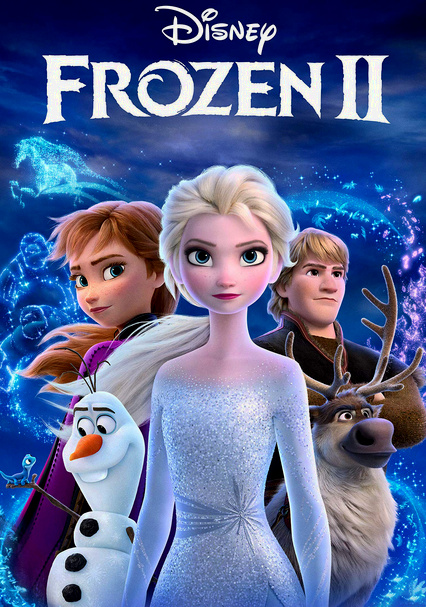
Frozen II-2019

Frozen II-2019

Director Chris Buck, Jennifer Lee

Starring Kristen Bell, Idina Menzel

Scott’s Review #1,043
Reviewed July 22, 2020

Grade: B

Six years after the enormous success of Frozen (2013) comes the follow-up, Frozen II (2019).

Surprisingly, the long gap of time between creations is a long gap of time between creations, but the beauty of animation is that these characters do not age unless creators want them to.

The adventure story is fun, incorporating a bit of history, which always creates depth, but also charts familiar territory as the first installment.

The film showcases lovely visuals and songs, which usurp the other elements. Breeding so much familiarity, there seems little need for a third chapter, though I’d bet my bottom dollar another will emerge.

We are reintroduced to Anna (Bell) and Elsa (Menzel) as little girls when they are tucked into bed by their father, King Agnarr of Arendelle, one night.

He relays a story about his father (their grandfather), a treaty made with a neighboring tribe, a dam, and a magical Enchanted Forest.

As a youngster, Agnarr barely escapes alive after a fight erupts with the other tribe, causing his father’s death, and enraging the spiritual elements of the forest. There is also a key mention about Anna and Elsa’s parents’ lost ship, which is apparently how they died.

Fast-forward to the present day, Elsa and Anna are adults, three years after the events of the first film. Elsa, the one with ice powers, runs her happy kingdom with Anna serving as Princess.

They live in peace and harmony with familiar characters, Olaf, the snowman created by Elsa, Kristoff, Anna’s boyfriend, and Sven, his reindeer.

When Elsa begins hearing mysterious voices calling to her from the mountains, she pursues them only to reawaken the spirits and threaten her kingdom and her people. The group must come to the rescue to retain harmony, learning the reason for Elsa’s powers in the process.

Frozen II has a “nice” feel, which is positive and negative. A family-friendly film with a feminist, female perspective is beneficial, crafting a positive and inspiring message for youngsters, especially females, who watch it.

Anna and Elsa control their destiny, are empowered to go after what they want, and achieve results.

They also support each other, share sisterly love rather than being rivals, and treat people fairly.

The adventure that the girls and their friends face will end happily, that much we know. Slight peril emerges when Anna goads and then flees from gigantic earth spirits, Olaf melts and is assumed dead, and Elsa is also thought dead in the forest.

Still, these are aspects added for dramatic effect, and the safe feel of the film ensures that all major characters will remain in happily ever after harmony.

When Kristoff awkwardly attempts to propose to Anna throughout the film, we are sure he will eventually do the deed, which he does.

I criticized Frozen for limiting diversity in its production, which is corrected in Frozen II. Mattias, leader of a group of Arendelle soldiers, is a strong and protective character and is black.

As an LGBTQ presence, one is only hinted at.

When Kristoff befriends Ryder over their love of reindeer, Ryder admits he knows nothing about girls. Mention must be made of Elsa’s barbie doll-like appearance with her bright blue eyes and long blonde hair.

Does she have to look that stunning? Might impressionable girls get the idea that looks are most important?

Let’s hope not.

The best parts of the film are the musical numbers, which feel more enhanced than those in the first Frozen. Using the same song composers, the tunes feel slightly less poppy. The most emotional number is “Into the Unknown”, which possesses a mysterious quality and powerful, compelling lyrics.

Its message is to go for it, which can be interpreted as conquering fears or trying something new. The sound is anthem-like and superior to “Let it Go”.

Frozen II (2019) is a predictable yet fun affair, infused with Scandinavian elements, featuring mountains, fjords, and a gorgeous landscape that provides the necessary cold-weather ambiance and magical quality.

The visuals are lavish, bright, and sophisticated.

Part II is a slightly more mature affair but on par with Frozen and wisely targets the right audience. Tastes change, so if Part III is made, filmmakers might want to consider a deeper plot or additional details to maintain interest.

Oscar Nominations: Best Original Song-“Into the Unknown”
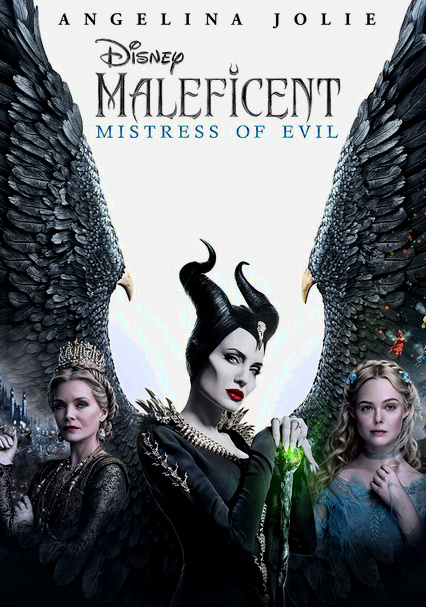
Maleficent: Mistress of Evil-2019

Maleficent: Mistress of Evil- 2019

Director Joachim Ronning

Starring Elle Fanning, Angelina Jolie

Scott’s Review #1,039

Reviewed July 14, 2020

Grade: B+

Maleficent: Mistress of Evil (2019) is the follow-up to the 2014 film, titled Maleficent, and while not a necessary sequel, it surpasses the original.

The intent was to create a significant studio effort that would generate substantial revenue, and the experiment appears to have been successful.

The production is not as frightening as the title might lead one to believe, and children over the age of ten would be a suitable target audience.

While the screenplay features traditional plot elements and a predictable ending, the real winner is the visual and cinematic treatment, which will leave viewers gasping.

The lush landscapes, odd little worlds, castles, and forests blossom with vibrant colors and exquisite shapes and objects.

It may primarily be CGI, but marvelous all the same.

To recap, the character of Maleficent debuted in the 1959 classic animated Disney film Sleeping Beauty. Maleficent is an evil fairy and the self-proclaimed “Mistress of All Evil” who, after not being invited to a christening, curses the infant Princess Aurora to “prick her finger on the spindle of a spinning wheel and die” before the sun sets on Aurora’s sixteenth birthday.

The character has since “evolved”, now portrayed as a sympathetic character, who is misunderstood in trying to protect herself and her domain from humans.

For five years, Aurora (Elle Fanning) has reigned peacefully as Queen of the Moors with Maleficent (Angelina Jolie) serving as teacher and protector. They have a rapturous relationship and flock and carry on with fairies and animals alike.

Handsome Prince Phillip (Harris Dickinson) proposes to Aurora, thereby uniting her kingdom with his, which is met with caution by his parents, specifically his mother, Queen Ingrid (Michelle Pfeiffer).

When the players gather for a celebratory dinner, Maleficent is mocked, causing her to fly into a rage, setting off a war between humans and fairies.

A key positive, and a notable shift in the story, is that Maleficent, a legendary film villain, is written sympathetically, and the plot device is effective. Rather than have her sparring with daughter Aurora, the duo team up to thwart the devious efforts of the evil Queen Ingrid, who is the real villain.

Jolie and Pfeiffer must have had fun playing the roles, and both perform their respective parts adequately. Favorable to me is Jolie, adding just enough vulnerability to balance her fierce nature and blood-red lips. Pfeiffer plays the role straight, as a caricature, with no redeeming value.

Both roles are fun.

Keeping in mind the target audience, the characters of Maleficent and Aurora are inspiring, especially to young females everywhere. The film adds more than a hint of progressive feminism as both characters are strong and no-nonsense.

This does not detract from their sensitivity or sense of fairness. Both could equally be role models of tough yet compassionate female characters.

In most Disney films, there are heroes and villains, and we all know and expect that. The standard storyline of good revolting against evil is on display, and an epic climactic battle scene gives a customary ending to the film.

Likewise, the fairy tale romance between Prince and Princess is prominently featured, and for my money, Dickinson and Fanning are tremendous in the roles.

The chemistry between the actors is apparent, and there is a nice balance between a believable romance and strong, independent characters.

Queen Ingrid, barely a mention in the original animated film, is turned into an evil shrew, all completely plot-driven. The story is what I expected it to be, but not the film’s high point.

More impressive is how the viewer can easily escape into a world of make-believe and long to stay there forever. Especially for the younger viewers, the Moors are a bevy of magical creatures and fluttering fairies rich with goodness.

The comical Knotgrass, Thistlewit, and Flittle, the red fairy, green fairy, and blue fairy, respectively, make a return appearance, though in a limited capacity. It would have been nice to give them a stronger presence, providing more wisdom, more advice, and more humor, but they serve their comic relief purpose well.

Will there be a third incarnation of Maleficent?

The filmmakers provide a strong likelihood. After Aurora and Philip wed, Maleficent returns to the Moors with the other Dark Fey, teaching the young fairies to fly. She promises to return for Aurora and Philip’s future child’s christening.

This vow seems like an easy setup to build on the original storyline, unlocking the next chapter in this engaging saga.

Oscar Nominations: Best Makeup and Hairstyling

A Cat in Paris-2010

A Cat in Paris-2010

Director Jean-Loup Felicioli, Alain Gagnol

Starring (ENGLISH) Marcia Gay Harden, Steve Blum 

Scott’s Review #1,006

Reviewed April 1, 2020

Grade: A-

For any lover of all things cats or all things Paris, A Cat in Paris (2010) is a double-punch winner in themes alone and a pure treat.

The French-made film was nominated for the Academy Award for Best Animated Feature along with Chico and Rita (2010), another foreign language animated feature, both considered surprise entries.

This was monumental as it aided subsequent non-American features to be allowed into the mix.

The former is a moody and mysterious caper story involving a cat and a young Parisian girl and the adventures they share. The traditional ink colors and hand drawings are lovely and creative, adding to the inventive mood.

The feline-centered story and feminist empowerment angle provide a unique and worthy experience to be well remembered. The French language version contains native language voices while the English version has English speakers.

The main protagonist of the film is Dino, a pet cat who leads a double life. By day he lives with his friend Zoe (Lauren Weintraub), a little mute girl whose mother, Jeanne (Marcia Gay Harden), is a detective in the Parisian police force.

He sneaks out of the window each night to work with Nico (Steve Blum), a slinky cat burglar with a heart of gold, who regularly evades captors as he glides and swishes from rooftop to rooftop with the picturesque Paris skyline serving as a backdrop.

Dino’s two worlds collide when one night Zoe decides to follow Dino on his nocturnal adventures and falls into the dangerous hands of Victor Costa (JB Blanc), an intimidating gangster who is planning the theft of a rare statue.

Now the cat and cat burglar must team up to save Zoe from the bumbling thieves, leading to a thrilling acrobatic finale on top of Notre Dame.

In an acute tongue-in-cheek final moment, Nico gives Jeanne a snow globe with the Cathedral of Notre Dame in it as a Christmas present.

Despite the film being an animated one, this fact does not take away from the cultural and sophisticated Parisian experience.

Delicious views of the distinguished Eifel Tower and the luminous, glowing skylines of the City of Lights assuredly will captivate each viewer fortunate enough to have ever visited the magical city in person, or those who have daydreamed an afternoon away imagining experiencing the grand city.

Alfred Hitchcock’s work is mirrored throughout A Cat in Paris, specifically his film To Catch a Thief (1955). That film is set along the French Riviera instead of in Paris but features a cat burglar, a thrilling rooftop climax, and enough cat and mouse-thrills to last a lifetime.

The director’s work is easy to spot, and the filmmakers are wise to adapt to his style, carefully weaving elements into an animated film with the hopes of exposing children to intelligent filmmaking.

Adults will equally love the film.

At a mere one hour and five minutes, nearly teetering classification of a short film instead of a full-length feature, A Cat in Paris (2010) more than accomplishes what it sets out to in the limited time.

Utilizing fantastic silhouettes and lit shapes and angles, the visual treats alone make this one exceptional. Adding tidbits of the greatest film director of all time’s work without outright stealing it is a wise choice.

May more intelligent international animated films like this one receive their deserved exposure to mass audiences.

Oscar Nominations: Best Animated Feature Film

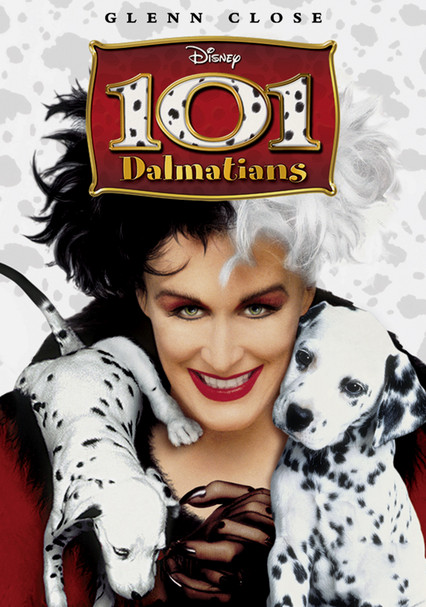
101 Dalmatians-1996

101 Dalmatians-1996

Director Stephen Herek

Starring Glenn Close, Jeff Daniels, Joely Richardson

Scott’s Review #989

Reviewed February 13, 2020

Grade: C+

The classic animated Disney film 101 Dalmatians (1961) is brought to life in a live-action format thirty-five years later to create a fresh spin on the revered original film.

Unfortunately, the result is nothing special save for Glenn Close’s brilliant performance as the dastardly Cruella De Vil. Otherwise, the reworking is too amateurish and largely unnecessary, especially as compared to the brilliance and charm of the original.

Thankfully not modifying the London setting, American video game designer Roger Dearly (Jeff Daniels) lives with his pet dalmatian, Pong.

Lonely, Roger trudges along through life without a love interest. During a walk, Pongo sets his eyes on a beautiful female dalmatian named Perdy. After a chase through the streets of London that ends in St. James’s Park, Roger discovers that Pongo likes Perdy.

Her owner, Anita Campbell-Green (Joely Richardson) immediately falls in love with Roger and the duo are inseparable.

They get married along with Perdy and Pongo. Anita works as a fashion designer at the House of de Vil. Her boss, the pampered and glamorous Cruella de Vil (Close), has a passion for fur.

Anita, inspired by her Dalmatian, designs a coat made with spotted fur, and Cruella is intrigued by the idea of wearing Anita’s dog. She hatches a plot to steal and kill the puppies for her lavish gain.

The scenes between the dogs are cute and work better than the intended romance relationship between the humans. A darling pursuit in the animated feature that does not shine through with real actors.

Either the chemistry between Daniels and Richardson does not exist or the scene is too forced, or perhaps both. I did not buy the love, at first sight, stars aligning moments.

I bet most audiences didn’t either. The result is a banal and stale connection between Roger and Anita, meant to be the core of the story.

Enough cannot be said for what Close brings to the role. The actress gives a tremendous performance and sinks her teeth into the most prominent and interesting part of the film.

With a sinister sneer, a flowing red and white coat, and a token cigarette holder, she infuses Cruella with dazzling menace.

Careful not to overact and result in a juvenile character, she relishes the role, providing just enough comedy without being too scary. The performance is perfect.

A negative is that, unlike the animated version, none of the animals have speaking voices. This detracts from the earnest quality of expressive, talking animals.

What pet owner does not imagine what their cat or dog would sound like if they talked?

Instead, the puppies sniff and look cute, making themselves distracted and unclear about what feelings they have. One wonders why the decision was made in this way, but it does little to provide texture.

101 Dalmatians are too cute for their good, limiting any sophistication. The original had British intelligence and a cultural voice, with small, yet important details, like falling rain, that live-action cannot mimic.

The 1996 version is kid-friendly, but brings little to the table, lacking interesting flair. Why not teach a lesson about the dalmatian dog breed rather than settle for simply an adorable slant?

Rumors abound that parents adopted dalmatians for their children after seeing the film and were forced to return them, rather than invest time in study, realizing that raising a dalmatian is hard work.

The idea to remake an adorable and cozy Walt Disney classic from the 1960s with a fresh approach is admirable. The live-action detail could add a new twist or an inventive spin that could appeal to a new generation of youngsters.

Unfortunately, 101 Dalmatians (1996) works unwell, barely rising above mediocrity, with an aura of fluff and gimmicks that feel forced and trite. The saving grace is Glenn Close, a tremendous talent who gives it her all despite sub-par material.

Stick to the original 1961 version.

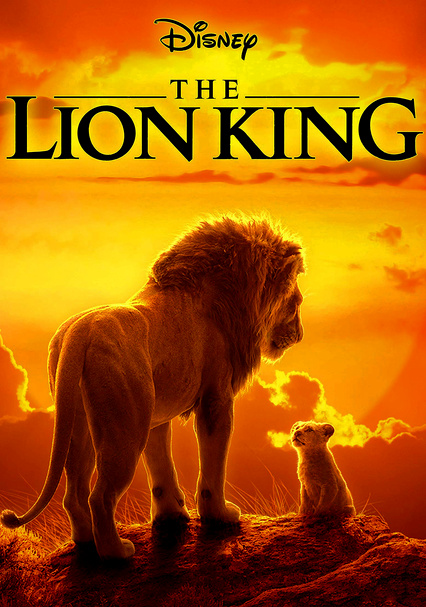
The Lion King-2019

The Lion King-2019

Director Jon Favreau

Voices: Donald Glover, Alfre Woodard, Seth Rogen

Scott’s Review #981

Reviewed January 17, 2020

Grade: B

An impossible feat would have been to eclipse the magic of the stage version or the loveliness of the animated version. Still, The Lion King (2019) offers a different approach as well.

Arguably, this version is both animated and not, infused with computer-generated animation (CGA) and marvelous visual effects, showcasing creativity.

Partial to the two-former offering, this telling is lovely and perfect for the entire family.

The realism of the animals and scenery is remarkable.

To recap, new viewers, the story centers on a den of lions living among the creatures in the “Pride Lands of Africa”. They hunt, prance, love, and guard their territory, mainly from the hungry hyenas, who are kept at bay during peaceful times.

King Mufasa (James Earl Jones) and Queen Sarabi (Alfre Woodard) are fair rulers and anticipate their son, Simba (Donald Glover), taking over the throne one day, much to the chagrin of Mufasa’s evil brother, Scar (Chiwetel Ejiofor), who was passed over for the crown.

Envious of Simba, Scar tricks him and his friend Nala (Beyoncé) into wandering into the land of the hyenas, hoping to cause their deaths. When a heroic Mufasa foils his plot, Scar ups the ante and hatches a scheme to kill his brother.

He not only succeeds but also makes Simba believe he caused his father’s death. Ashamed, the youngster runs away to begin a new life, unaware that he will one day return to save the day.

Props must be given to the filmmakers for their inclusion and cultural authenticity, as many of the characters, especially those at the forefront, are voiced by African-American talent.

This is a notable achievement, considering the film is set in Africa, and it’s unusual for the voices to be Caucasian.

Heavyweights like Jones and Woodard sound polished, especially Jones with his deep and dominant, yet fatherly voice, perfectly cast as the King. Woodard provides gentle warmth and confident complexity.

The musical numbers are terrific.

The film begins with an energetic and tribal rendition of “Circle of Life,” where a legion of wild animals dances together in a warm display of diversity.

The song appears later in the film. The powerful and romantic “Can You Feel the Love Tonight” is performed against a lovely moonlit sky with decadent stars.

The new song “Spirit” performed by Beyoncé is adequate but does not figure into the story as much as it should, seeming more like an afterthought.

The best parts of The Lion King, however, are the astounding visuals.

The contrasting sequences of bright, sprawling African terrain and a magical oasis of colorful flowers and running water, set against the dark and foreboding landscape of the dangerous hyenas, offer the viewer a multitude of delights to savor.

The orange and red colors during the climactic finale are unrivaled in the dazzling bombast of adventure.

As realistic as the elements are in the film, they are also negative. Watching the animals talk and prowl amid the lush landscape felt wonderful, until I realized that all of it is fake.

Real animals were never used; instead, it is a virtual reality tool that creates the illusion of reality.

This aspect slightly saddens me as the genuine quality left me feeling robbed. The possibility of another alternative would have meant a reboot of the animated classic, and I am not sure that would have been wise.

Favreau, once an actor and now a director, known for creating films such as Iron Man (2008) and Iron Man 2 (2010), certainly knows his way around an adventure film.

The story, while containing some menacing moments, also feels a bit safe and lacks the freshness or edginess that the 1994 version possessed. Something seems watered down, and the excitement and heart of the original feel missed.

I will always go back to the animated 1994 treasure for a cinematic feast, but while The Lion King (2019) could have been a disaster, it isn’t. With modernized songs and enough CGA to last a lifetime, I could easily see some people hating the film, but I embraced it for what it is.

Spectacular visual treats await any fan of cinema, as one will ponder how the project all came together.

Oscar Nominations: Best Visual Effects

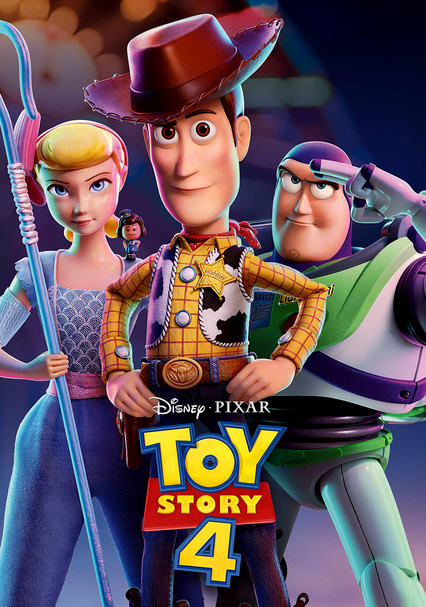
Toy Story 4-2019

Toy Story 4-2019

Director Josh Cooley

Voices: Tom Hanks, Tim Allen, Annie Potts

Scott’s Review #966

Reviewed December 10, 2019

Grade: B

Toy Story 4 (2019) is the fourth installment in the Pixar/Disney-produced Toy Story series, now nearly twenty-five years old!

The glitter is beginning to fade on a once-endearing franchise, and hopefully, this is the last one- additional segments are not needed unless desperation develops.

After a slow start and too many retread moments, the film shows bombast and familiar heart and tenderness in the finale, presumably wrapping up the long story with a neat bow.

The animation is vivid and colorful, almost astounding, and makes up for an otherwise unnecessary story.

In a flashback sequence, nine years after Toy Story 2, Bo Peep (Annie Potts) is donated to a new owner, and Woody (Tom Hanks) begrudgingly decides to maintain his loyalty to the owner, Andy.

Years later, and now a teenager, Andy donates a forgotten Woody to a young child named Bonnie, who lacks the affection for the toy that Andy had. When Bonnie makes and bonds with Forky, a toy made of plastic, Woody struggles to convince Forky that each is more than garbage.

When Bonnie and her parents embark on a summer road trip to an amusement park, Woody and other familiar faces are along for the ride.

The group meets other forgotten toys, some benevolent and some sinister, at the park and a nearby antique store. Woody’s dear friend and comic relief, Buzz (voiced by Tim Allen), is in the mix and helps all the toys realize that they are not forgotten and that they can still bring joy to children.

The film provides an unwieldy list of celebrities in major and minor roles. The incorporation of characters like Chairol Burnett, Bitey White, and Carl Reineroceros (voiced naturally by Carol Burnett, Betty White, and Carl Reiner) may not be necessary.

Still, it’s fun to watch the credits roll and see who’s who from the cast.

The minor characters are little more than window dressing, but the creativity is admirable.

The main story of abandonment, loyalty, and discarding of one’s toys is ample and pleasant, but has occurred in every segment thus far in the series.

Do we need to see this again? Yes, it is an essential message for both children and adults, but why not simply watch the first three installments of Toy Story, each brilliant in their own right?

Toy Story 4 plays by the numbers with little surprises.

One glaring notice is how almost every single adult is either incompetent or played for laughs.

I understand that the main draw is the toys and outsmarting the adults is half the fun, but when Bonnie’s father assumes his navigation system is on the fritz, rather than catching on to the fact that one of the toys is voicing the system, one must shake one’s head.

Suspension of disbelief is increasingly required in these types of films.

Toy Story 4 picks up steam in the final twenty minutes with a thrilling adventure through the amusement park and a cute romance between Woody and Bo Peep.

When the long-forgotten toy Gabby Gabby (Christina Hendricks) emotionally rescues a lost child, she is rejuvenated and breathes new life into both the child’s life and her own.

In a darling moment, Forky meets another creation named Knifey. Knifey suffers from the same existential crisis as Forky once did, and Forky immediately becomes smitten with her, both realizing that even though they are odd-looking, they still matter.

The nice lesson learned is that even toys from the 1960s and 1970s can provide warmth and comfort to a young child and are more than “of their time”.

This is a clear and bold message that resonates with human beings and acknowledges that advanced age does not come with an expiration date.

Everyone matters and brings importance. The underlying theme is heartwarming and central to the film, bringing it above mediocrity.

What should certainly be the final chapter in a tired franchise that continues to trudge along, the bright message and strong animations remain, but the film feels like a retread.

Given that Toy Story 3 was released in 2010, Toy Story 4 (2019) needs to bring the series to a conclusion before installments 5, 6, 7, or 8 result in a dead-on-arrival sequel.

Oscar Nominations: 1 win-Best Animated Feature Film (won), Best Original Song-“I Can’t Let You Throw Yourself Away”

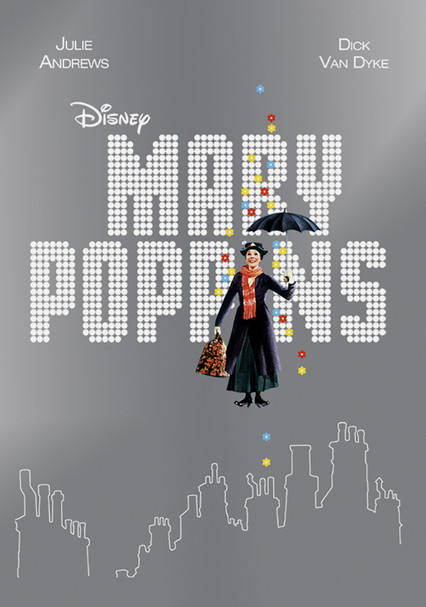
Mary Poppins-1964

Mary Poppins-1964

Director Robert Stevenson

Starring Julie Andrews, Dick Van Dyke

Scott’s Review #965

Reviewed December 9, 2019

Grade: A-

Mary Poppins (1964) is a lovely Walt Disney production that shines with zest and an ample supply of good, cheery tunes. A family affair, it will hardly disappoint, with sing-alongs and enchanting stories for miles.

It’s tough to knock a film that has it all, but it sometimes borders on sickeningly sweet wholesomeness with too much schmaltz mixed in.

This can easily be forgiven because of the robust music, dazzling visual effects, and perfect casting, which make the film enjoyable entertainment for all.

The Banks family resides in London, England. The foursome consists of George and Winifred Banks, along with children Jane and Michael. They live a comfortable and happy upper-middle-class existence.

When their nanny quits after the children run away to chase a kite, the panicked George requests a stern, no-nonsense nanny, while the children (now returned home) desire a kind, sweet one. Through magic, a young nanny (Julie Andrews) descends from the sky using her umbrella.

Mary Poppins teaches the children to enjoy chores through tunes with the help of a kindly chimney sweep, Bert (Dick Van Dyke).

Mary Poppins cheerily takes the children on several adventures, teaching them valuable lessons. The drama involves light situations such as the irritable George threatening to fire the nanny because she is too cheerful or a mini-scandal at the bank where George works.

These side stories are trivial and non-threatening since the film is really about the antics of the magically odd nanny and her relationship with the children.

The film is unique because it combines live-action with animation and is magical and inventive. This is most evident during sequences that feature animals, especially the superb scene where Mary Poppins transports Bert, Jane, and Michael into a picture where they ride a carousel and stroll the day away.

The appearance of horses and a fox makes the scene beautifully crafted and filled with joy.

The casting could be no different and is flawless across the board. Standouts are Andrews and Van Dyke, the former appearing in her very first film role.

Not to be usurped by her most iconic role as Maria in the following year’s brilliant The Sound of Music (1965), Andrews possesses a benevolent and delightful spirit that works perfectly in the role, to say nothing of her powerful voice.

Van Dyke, as the romantic interest, is equally well-cast, and together the chemistry is easy and apparent.

Mary Poppins was met with critical acclaim when it was released when Disney ruled the roost and musicals were a dime a dozen.

It received thirteen Academy Award nominations, including Best Picture—a record for any film released by Walt Disney Studios—and won five: Best Actress for Andrews, Best Film Editing, Best Original Music Score, Best Visual Effects, and Best Original Song for “Chim Chim Cher-ee.”

This was quite a feat as the film was up against My Fair Lady (1964), which won the biggest prize.

Rated G and box-office success, Mary Poppins (1964) is a legendary Walt Disney film that uses creative techniques and musical numbers to develop a finely finished product.

The song standouts are “A Spoonful of Sugar”, “Chim Chim Cher-ee”, and “Supercalifragilisticexpialidocious”, as each offers candy for the ears and immeasurable fun.

The classic songs and the cohesive sentimentality make this one easy to enjoy with repeated viewings.

Oscar Nominations: 5 wins-Best Picture, Best Director-Robert Stevenson, Best Actress-Julie Andrews (won), Best Screenplay Based on Material from Another Medium, Best Song-“Chim Chim Cher-ee” (won), Best Music Score-Substantially Original (won), Best Scoring of Music-Adaptation or Treatment, Best Sound, Best Art Direction, Color, Best Cinematography, Color, Best Costume Design, Color, Best Film Editing (won), Best Special Visual Effects (won)

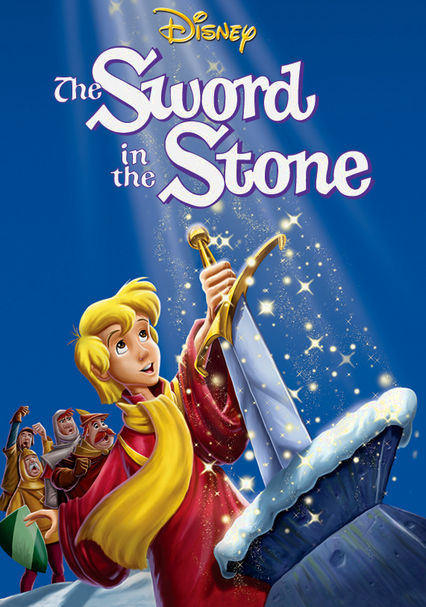
The Sword in the Stone-1963

The Sword in the Stone-1963

Director Wolfgang Reitherman

Voices Sebastian Cabot, Rickie Sorensen, Karl Swenson

Scott’s Review #896

Reviewed May 10, 2019

Grade: B

The 1960s, while not known as the best of decades for Walt Disney productions, offers a small gem of a film in The Sword in the Stone (1963).

Flying marginally under the radar, the film is not typically well-remembered but is a solid offering. It mixes elements of magic and royalty within a cute story.

The production has the dubious honor of being the final Disney animated film released before Walt Disney’s death.

While the film is not great, neither is it bad.

Engaging and innocent, it does not offer the ravaging tragedy of Bambi (1942), the emotion of Dumbo (1941), or the beauty of Snow White and the Seven Dwarfs (1937).

The Sword in the Stone offers an adventure with an appealing lead character, mildly entertaining supporting characters, and a host of fun antics surrounding education.

Set in ancient times, the King of England has died, leaving no heir to the throne. This situation elicits peril and worries, as the country is doomed to war with no successor.

One day, a miracle occurs, and an odd “Sword in the Stone” appears inside a sturdy anvil in London. The anvil’s inscription proclaims that whoever removes it will be the new king.

Despite many attempts, no strong citizens succeeded, and England was reduced to the Dark Ages, leaving the sword and the stone forgotten.

One day, a twelve-year-old boy named Arthur appears. He teams up with his tutor, Merlin the wizard, and the adventures commence.

Inevitably, Arthur can remove the sword from the stone and lead the Knights of the Round Table, accomplishing many amazing feats and becoming one of the most famous figures in history- King Arthur.

The Sword in the Stone entertains and pleases the eyes in many regards, with vibrant colors and an array of bells and whistles creatively interspersed throughout many scenes.

The main villain, Madam Mim, is Merlin’s main nemesis. Haggard and dripping with black magic powers, she can turn from a pink elephant into a queen with the flick of her wrist as she giggles and prances about.

Despite being dastardly, she is also fun and zany and delights in her brief screen time.

The whimsical antics of Merlin are the best aspects of The Sword in the Stone as the senior gentleman bursts and bumbles from one oddity to another in earnest attempts to aid Arthur.

Thanks to clever writing, an educational angle is robustly incorporated into the story. Merlin can see into the future, such as knowing that the world is round, not flat.

What a great learning tool the film provides for young kids to discover.

The story risks playing juvenile in some parts where I can see children under age twelve enthralled but adults finding the film too childish to take seriously.

Despite my efforts to stay tuned, I noticed tidbits of the film that seemed too cute.

When Merlin and Arthur are turned into squirrels and strike the fancy of adorable but clueless female squirrels, the scene seems best catered to very young audiences.

What would give the film some excitement would be a good, solid theme song or a powerful love story. Both aspects, which can solidify a hit for Disney, are glaringly missing.

Snow White and the Seven Dwarfs contain the lovely “Someday My Prince Will Come,” while Snow White and the Prince offer a rich love story.

While sound, The Sword in the Stone can only reach the second tier of Disney classics, missing the upper echelon with its only so-so musical offerings.

A slight miss is how Arthur’s voice changes back and forth between a child and a teenager going through puberty. This is drastically noticeable.

When analyzed, the reason is somewhat perplexing because three different actors were used to play Arthur, resulting in some consistency issues.

Why not just use one actor or age the character slowly and gradually deepen his voice? The back and forth feels sloppy.

The criticisms targeted at The Sword in the Stone (1963) are minor and forgivable as the film plays above average graded on its terms.

The film has a lovely message for children about the importance of education and is a delight best enjoyed by the whole family.

Oscar Nominations: Best Scoring of Music-Adaptation or Treatment

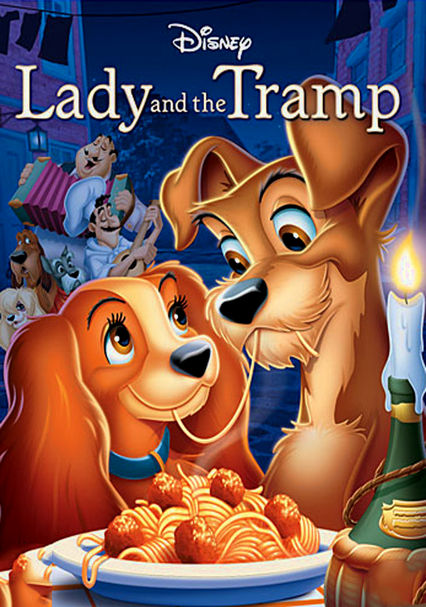
Lady and the Tramp-1955

Lady and the Tramp-1955

Director Clyde Geronimi

Voices Peggy Lee, Barbara Luddy, Larry Roberts

Scott’s Review #894

Reviewed May 5, 2019

Grade: A-

Released midway through a decade of prosperity, Lady and the Tramp (1955) is a lovely production that represents an innocent time and still holds up well decades later.

The Walt Disney film’s story, animations, and characters are charming, with a wholesome yet sophisticated vibrancy. A year in the life of its main character (Lady) has never been more richly created, providing adventure, romance, and fun for the entire family.

At the turn of the twentieth century, John Dear, presumed to be somewhere in the midwestern part of the United States, gives his wife Darling a Cocker Spaniel puppy that she names Lady.

The couple is immediately smitten with Lady, who provides her with all the comforts of warm and lavish country living.

After months, the Dears become pregnant, causing Lady to feel left out. When the baby arrives and the Dear’s go on a trip, their dog-hating and incompetent Aunt Sarah arrives, leaving poor Lady at risk for her life.

Meanwhile, a stray mixed-breed named Tramp prowls the streets, protecting his friends and avoiding the dog catcher. He dines on Italian leftovers at Tony’s and lives his idyllic life, proud not to be owned and able to live on his terms.

He befriends Lady through mutual acquaintances Jock and Trusty, who reside nearby.

When Lady faces peril, the duo embarks on an exciting escapade that leads them to a dog shelter and a farm. They fall in love, resulting in a candlelit dinner for two at Tony’s, which is the highlight.

All the animals are treasures and voiced appropriately, giving Lady and the Tramp life and zest. Tramp is gruff yet lovable, with a “footloose and collar-free” outlook. He is charming and bold in his determination.

Lady’s voice is the polar opposite—demure, feminine, and proper. It is cultured without being too snobbish.

In supporting roles, Tramp’s fellow strays Peg (a Pekingese) and Bull (a bulldog) possess a New York street-savvy, perfect for their characters.

Besides Aunt Sarah, the dog catcher, and a hungry rat, Lady and the Tramp contain no villains, and each character is somewhat justified in their motivations. The rat wants to eat, the dog catcher is doing his job, and Aunt Sarah, a cat lover with two Siamese pets, is foolhardier and more clueless.

She can be forgiven for wanting Lady to have a muzzle because she misunderstands Lady’s intentions toward the newborn baby. These characters are more comical than deadly, and Si and Am add mischievous shenanigans to further the plot.

The heart belongs to the sweet romance between Lady and Tramp. The two dogs immediately appeal to the audience with instant chemistry.

The “Footloose and Collar-Free / A Night at the Restaurant / Bella Notte” medley is the best arrangement of the songs, as the duo shares a delicious plate of spaghetti and meatballs.

In the film’s most iconic and recognizable scene, the pair lovingly munches on the same spaghetti noodle—if that is not love, what is?

Lady and the Tramp (1955) is a charmer containing innocence, vivid colors, and a rich, welcoming story.

Beginning on Christmas and ending precisely a year later, Lady and Tramp’s incredible journey is topsy-turvy but culminates in the birth of a litter of puppies cheerily celebrating life.

The happy ending is a perfect bow on a Disney film that is enchanting, harmless, and inspiring.

The quintessential American love story between the pampered heiress and the spontaneous, fun-loving pup from the wrong side of the tracks — has rarely been more elegantly and entertainingly told.

Song of the South-1946

Song of the South-1946

Director Harve Foster, Wilfred Jackson

Starring James Baskett, Billy Driscoll

Scott’s Review #893

Reviewed May 4, 2019

Grade: B+

Song of the South (1946) is a Walt Disney film buried in the chambers of cinema history, reportedly an embarrassment never too soon forgotten by the legendary producer and his company.

The reason for the ruckus is the numerous overtones of racism that emerge throughout an otherwise darling film.

Admittedly, the film contains a racial cheeriness that cannot be interpreted as anything other than condescension to black folk, and numerous stereotypes abound.

The mysterious appeal of the film during modern times is undoubted because of the surrounding controversies that hopefully can be put aside in favor of a resoundingly positive message and glimmering childlike innocence that resonates throughout the film.

The hybrid choice of live-action and animation is superlative, eliciting a new progressive experience. Given the surrounding controversies, it would be shameful to spoil it.

The film takes place during the Reformation Era in Georgia, the United States of America, a period of American history shortly after the end of the Civil War and the abolition of slavery. It has a pretty Southern flavor and feel.

Seven-year-old Johnny (Bobby Driscoll) is excited to visit his grandmother’s (Lucile Watson) lavish plantation outside of Atlanta along with his mother, Sally (Ruth Warrick), and father (Erik Rolf). He is soon devastated to learn that his father will return to Atlanta for business, leaving Johnny behind.

Johnny plots to run away from the plantation and return to Atlanta but develops a special friendship with kindly Uncle Remus (James Baskett). Uncle Remus enchants the young boy with sentimental lesson stories about Br’er Rabbit and his foils, Br’er Fox and Br’er Bear.

Drama ensues when Johnny feuds with two poor neighbor boys and develops friendships with their sister, Ginny. He also bonds with Toby, a young black boy who lives on the plantation.

Thunderous applause must go to the creative minds who thought of mixing the animations with the live-action drama, resulting in positive and compelling effects.

As Uncle Remus repeatedly embarks on a new story for Johnny to listen to, the audience knows they will be transported into a magical land of make-believe as a precise lesson results from these stories.

Uncle Remus is an inspiring character- it is rare to find a black character written this way in 1946. Often, black characters were reduced to maids, butlers, farmhands, or other servant roles.

While the film does not stray from the course by casting many of these roles, including Uncle Remus himself, his character is different because he is beloved by little Johnny, respected by the grandmother, and treated as part of the family. His opinion counts for something and is not merely dismissed as rubbish.

The musical soundtrack to Song of the South is particularly cheery and easy to hum along to. The most recognizable song is “Zip-a-Dee-Doo-Dah,” which recurs several times throughout the feature. The best rendition is at the end, when the mix of live-action and animation culminates with the sing-along.

My favorite appearance is when the “bluebird” referenced in the lyric comes into play, resting on one character’s shoulder, true to the lyrical content.

The accusations of racism are justified as keen viewers will understand the condescension towards blacks in several scenes.

More than once, a parade of black people is seen traipsing through the plantation, singing songs, not precisely cheerfully but not despondent.

The scenes have eerie slavery overtones- despite the black character’s all presumably being free to come and go, the reality is they all work for white folk. The black plight and struggle are completely sugar-coated and dismissed.

The animated characters are voiced by strong ethnic voices and are presumed to be ridiculous. The usage of a Tar-Baby character, ultimately enshrined in black tar, seems offensive, almost teetering on the implication of promoting a blackface minstrel show moment as the character, once white, is then turned black because of the tar.

Song of the South is not the only film of its time to face racist accusations- the enormous Gone with the Wind (1939) and Jezebel (1938) faced similar heat.

Song of the South (1946) is recommended for those who recognize the existing racism and appreciate the film’s artistic merits. Wise and resounding friendships between white and black characters are evident, and it is a lovely story about determination, fairness, and respect.

The film should be treasured for its lovely moments and scolded for racist overtones.

Oscar Nominations: 1 win-Best Original Song-“Zip-a-Dee-Doo-Dah” (won)

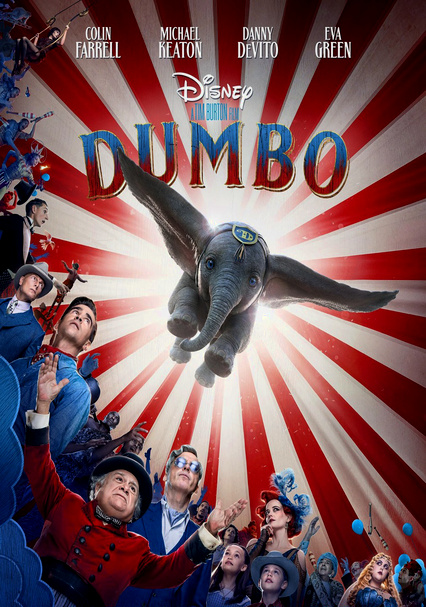
Dumbo-2019

Dumbo-2019

Director Tim Burton

Starring Colin Farrell, Danny DeVito, Eva Green

Scott’s Review #889

Reviewed April 24, 2019

Grade: C+

Dumbo (2019), the live-action remake of the charming and emotionally charged animated original from 1941, contains some positives but ultimately underwhelms, coming up with less than a stacked deck.

The problematic and gnawing element that persisted throughout the Disney film was its overly cute or child-leaning quality, which was not to my taste.

Nevertheless, for an afternoon at the theater with young children under the age of twelve, the film is a recommended and utterly appropriate activity for fun.

My expectation, knowing that Tim Burton was at the director’s helm, was for a darker, perhaps murkier interpretation, given some of his films in the catalog.

After all, Beetlejuice (1988) and Dark Shadows (2012), though flawed, contain some wicked charm and naughty humor. Dumbo is considerably softer as the director chooses a safe, more accessible path.

Creating magic from nearly eighty years ago is a challenging task for anyone to achieve.

World War I veteran and amputee, Holt Farrier (Colin Farrell) returns from the war to rejoin the financially problematic traveling circus owned by Max  Medici (Danny DeVito).

A widower, reunited with his two children, Holt is assigned to oversee the pregnant elephant, Mrs. Jumbo, as she gives birth to an unusual-looking elephant with giant ears who comes to be known as Dumbo.

The children discover that Dumbo can fly when aided by a feather, as the evil V.A. Vandevere (Michael Keaton) attempts to profit from Dumbo’s talents at any cost, adding to his fabulous creation, Dreamland.

The art direction and the look of the film are where Burton succeeds.

With dark, visually striking creations and intricate, spider-like sets, especially in Dreamland, the film bears the director’s unmistakable signature.  The costumes and styles are well-suited to the year 1919, and the wardrobe and hairstyles are in line with the times.

The circus stars and characters, from the fat lady to the exotic jugglers, are well-cast, adding good texture and multicultural flavor to the production.

The standout musical number is the poignant and sentimental “Baby Mine,” wisely featured twice during the film. Since the song is so lovely, this proves a bold move and my favorite part of what is otherwise a mediocre experience.

Sharon Rooney sings the version featured during a touching and painful scene between separated elephants Dumbo and Mrs. Jumbo, and the rock band Arcade Fire performs a different rendition over the end credits.

Anyone needing a good cry would be advised to check out the emotionally charged song.

While the acting among Farrell, DeVito, and Eva Green as Colette, the French trapeze artist who falls for the sexy Holt, is all admirable, two performances left me with critical fire. Keaton, typically a standout performer, goes full-throttle with an over-the-top and one-note performance as the villainous Vandevere.

Cartoon-like with herky-jerky head snaps and tic-like movements, the actor appears silly and ineffectual at creating any sort of robust character. Young actress, Nico Parker as Milly, Holt’s daughter, gives a dreadfully wooden performance in what could have been the film’s most likable character.

Besides one or two tender scenes the film largely goes for a cutesy vibe, not feeling fresh nor especially genuine. A Disney production, the film feels quite mainstream, lacking edginess, like the producers had dollar signs and major success on their minds over artistic merit or staying true to the original.

Other than a quick shot of the number “41” on the front of a train, a clear tribute to the animated original’s year of release, the remake strays very far from the first Dumbo with a few new characters and sadly no gossipy female elephants anywhere.

A disappointing offering, the live-action Dumbo (2019), the year’s first in a series of five expected Disney releases (Aladdin, The Lion King, Maleficent: Mistress of Evil, and Lady and the Tramp being the others) lacks much more than a couple of sweet scenes, an adorable elephant, and admirable sets, feeling utterly ordinary in flavor.

This is a misfire compared to the legendary, teary 1941 version of Dumbo.

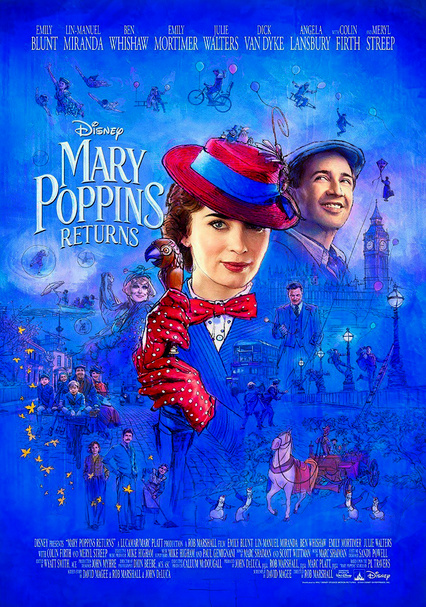
Mary Poppins Returns-2018

Mary Poppins Returns-2018

Director Rob Marshall

Starring Emily Blunt, Lin-Manuel Miranda

Scott’s Review #848

Reviewed December 29, 2018

Grade: A-

Mary Poppins Returns is a charming mixture of reboots and sequels to the immeasurably glorious original, Mary Poppins (1964).

Although it is impossible to live up to the magic of that film, the 2018 version comes quite close with a delightful turn by Emily Blunt, numerous Hollywood stalwarts in small roles, and gleeful musical numbers sure to leave audiences humming upon their exit from theaters.

Events begin to percolate twenty-five years after the original story, and the setting is 1935 London amid the Great Depression. His recently deceased wife, Michael Banks (Ben Wishaw), lives in the house he grew up in with his three children and housekeeper (Julie Walters) in tow.

His sister Jane lives and works nearby as a labor organizer.

Faced with the dreary reality that the historic Banks house may be foreclosed, Mary Poppins (Blunt) arrives elegantly on her umbrella to restore order and save the day.

Though her character does not overtake the film, Emily Blunt is dynamic in the title role. Her prim and proper good British charm and sensibilities crackle with wit and poise. It is tough to imagine anyone but Blunt in the role, as she puts her stamp on it so well.

With a smirk and a quick, matter-of-fact tone, the character is no-nonsense and utterly kind. The casting of Blunt is spot-on as she becomes Mary Poppins.

The London setting is adorable and fraught with good culture and sophisticated manners. Including the storied Big Ben is meaningful to the tale in a significant way and a teachable moment for children unfamiliar with London.

Furthermore, including a negative period in history—the Great Depression—is immeasurably positive.

The supporting characters are rapturous and a treat for elders familiar with the original Mary Poppins film. Meryl Streep plays Topsy, Mary Poppins’s eccentric eastern European cousin to the hilt, but never teeters over the top.

Colin Firth adds snarky charm as the villainous bank president, and Angela Lansbury gives grandmotherly zest as The Balloon Lady, an ode to the original novel.

Finally, Dick Van Dyke is a delight as the heroic Mr. Dawes Jr. who comes to the rescue at the last hour.

The real winners, though, are the enchanting musical numbers. With the lovely London landscape in full view, Mary Poppins Returns gets off to a spectacular groove with “(Underneath The) Lovely London Sky”.

Performed by the charming Lin-Manuel Miranda in the role of Jack the Lamplighter, Mary Poppins’ sidekick, the star has what it takes to keep up with Blunt. This is evident as the duo mesmerizes and entertains with a colorful number, “A Cover is Not the Book”, alongside an animated music hall.

Finally, fans will revel in the naughty and clever “Turning Turtle”, performed by Streep.

The costumes and lighting are both big hits. As Jack lights and defuses the street lights, we see the luminous dawn and sunsets, which give the film a nice touch.

During the film’s conclusion and subsequent race against the stroke of midnight, moonlight is featured, giving the film a warm glow.

The period piece costumes are lush, but not garish, adding flavor and capturing the period perfectly.

Although it lacks the oomph of the original Mary Poppins (but really, who expected that?), Mary Poppins Returns (2018) is nonetheless enchanting and inspiring in every way that a remake or sequel should be.

Given the mixing of humans and animations, the film is polite, polished, and filled with authentic zest: a fine creation and splendid entertainment.

Oscar Nominations: Best Original Score, Best Original Song-“The Place Where Lost Things Go”, Best Production Design, Best Costume Design

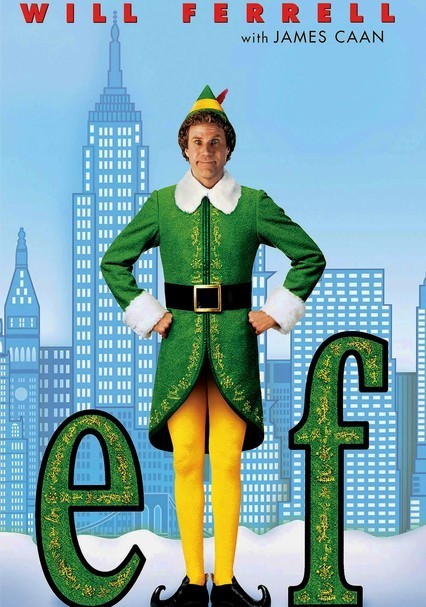
Elf-2003

Elf-2003

Director Jon Favreau

Starring Will Ferrell, James Caan

Scott’s Review #846

Reviewed December 20, 2018

Grade: B-

Elf (2003) is one of the few lasting Christmas hits of recent memory or at least one that many fans make a regular viewing experience each holiday season.

The film is light and unarguably a safe, feel-good experience mixing a hopeful Christmas message with comic gags and romance. The key to its success is Will Ferrell who possesses wonderful comic timing.

More wholesome than my tastes and lacking plausibility the film does succeed as a family-friendly, ready-made, fun experience.

The story revolves around one of Santa’s elves (Ferrell) named Buddy who learns he is human and was orphaned as an infant. Revealed that his biological father Walter (James Caan) resides in New York City, Buddy embarks on a trip to find the man and spread Christmas cheer in a world filled with grizzled and cynical human beings.

In predictable comic form, Buddy has trouble adjusting to the human world and the fast-paced lifestyle with misunderstandings arising repeatedly. Buddy eventually wins over his father and family finding love with downtrodden Jovie (Zooey Deschanel).

Hot on the heels of his Saturday Night Live stint ending in 2002, Ferrell was primed to embark on a successful film career. Elf is a great role for him as it capitalizes on his comic timing and energy and the setup works.

At 6’3″ who better to play an elf for laughs than a hulking middle-aged man?

Due to his talents, Ferrell makes the role of Buddy fun, appealing, and the highlight of the film. With a lesser talent, the character would have been too annoying (as it is there are too many hug jokes) and the overall film would have suffered.

Other than Ferrell the supporting roles are nothing memorable other than Caan’s part. The once dashing star of films such as The Godfather (1972) Caan still has the charm and charisma to appeal, though the balding and dyed head of hair does nothing for him.

A small role by television star Bob Newhart as Papa Elf is fine, but Deschanel’s role and Mary Steenburgen’s role as Emily, Walter’s wife, could have been played by many actresses and nothing is distinguishable about either part.

Lesser roles like Walter’s secretary, Walter’s boss, and Gimble’s store manager are stock parts with no character development.

A major high-point is the New York City setting and the exterior scenes are aplenty. Filmed in 2002 and released in 2003, the location shots were completed not long after 9/11, and showcasing a city with such recent decimation adds to the film’s appeal.

Scenes in Rockefeller Center, Central Park, and the Empire State Building are prominently featured making the film festive and merry.

What greater city is there at Christmastime than New York?

Elf remains an entertaining experience with enough shiny ornaments and fun moments in the department store and Walter’s office to hold interest. The luster wears thin at the conclusion as all the traditional elements come together.

Jovie leads a chorus of strangers in “Santa Claus Is Coming to Town”, Walter quits his job without concern for paying bills, and everyone happily rides off into a sparkling winter wonderland.

This may satisfy some, but I wanted more conflict than a troupe of Central Park Rangers chasing Santa through the park.

A film that might be paired nicely with holiday favorites of similar ilk such as National Lampoon’s Christmas Vacation (1989) or Christmas with the Kranks (2004), Elf is an energetic affair with a charismatic lead actor.

Containing silly moments, but a spirited and worthwhile message nestled nicely within, the film is worth a watch if in the mood for slapstick.

More thought-provoking holiday films with deeper merriment and stronger flair exist, but for a chuckle or two Elf (2003) works well.

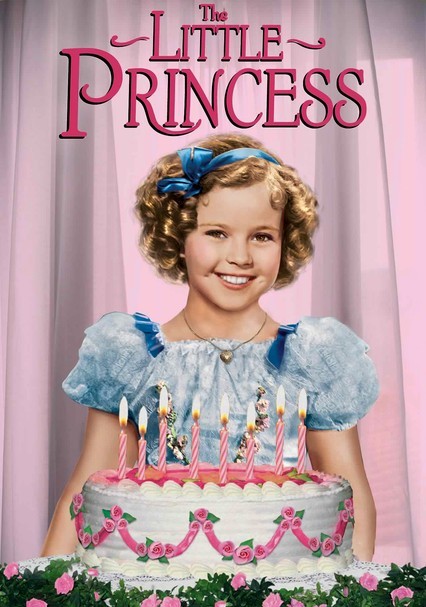
The Little Princess-1939

The Little Princess-1939

Director Walter Lang

Starring Shirley Temple, Ian Hunter

Scott’s Review #827

Reviewed November 6, 2018

Grade: B+

The Little Princess (1939) is a latter-day Shirley Temple film released when the child star’s popularity declined.

The film is also Temple’s first production filmed in Technicolor and the last of her major successes. It is perfect, though not the first I would choose as a starting point in her collection. The film is saccharin, wholesome, and predictable, which are also adjectives audiences adore about the star’s cinematic projected film, looselyosely based on A Little Princess by Frances Hodgson Burnfilm, was criticized at the time release for deviatingaying too far from the original novel.

The time is the turn of the century in England, and the backdrop is the Boer War. The film’s setting is a highlight for American audiences amidst the First World War and on the cusp of World War II, allowing for a timely and relevant film quality.

In the story, Temple plays Sara, the wealthy daughter of a military Captain (Ian Hunter) who is left to reside in a well-to-do girl’s school when her father is called away to serve in the war. When he unexpectedly dies in battle, Sara is left penniless and forced to work as a servant in the school she once attended.

At first, the staff treats Sara like royalty, but her treatment gradually harbors resentment among the principals, especially the dastardly headmistress (Mary Nash). Sara keeps her chin up, insisting that her father is not dead, and she becomes determined to find him in a local hospital.

In 2018, Shirley Temple’s films mainly served as a source of nostalgia rather than critical acclaim or cinematic dissection—what was the point?

Her films are a wholesome trip back memory lane to a simpler time for many. Ironic that the film is the first color picture in the collection, this detracts from the enjoyment and adds too much of a modern element foreign to Temple fans.

My preference is for the black-and-white productions of the early and mid-1930s.

The supporting characters spice up The Little Princess quite a bit.

Most notable is Cesar Romero as neighbor Ram Dass, who fills the void Sara needs after losing her father. The chemistry between Romero and Temple is terrific, and in a tender scene, the kindly Dass leaves warm blankets for Sara.

As the main villainous, common in Temple films, Mary Nash, as Miss Minchin, does her job flawlessly. As the main foil, Nash perfectly blends rigid mannerisms and the brunt of Sara’s tension.

The overall tone of The Little Princess (1939), hence the title, contains a riches to rags, Cinderella in reverse, type of story. The film is above average but not the best in the bunch.

Venturing to say that the film is a forgotten work save for the Shirley Temple series fans, it does what it sets out to do and entertains.

With drama, musical numbers, and a happy ending, the result is a similar experience to her many other films.

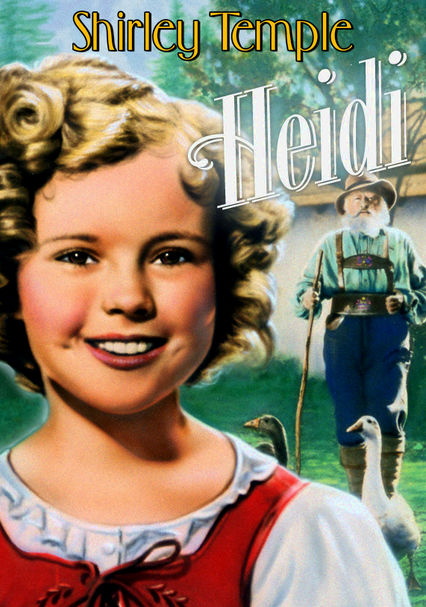
Heidi-1937

Heidi-1937

Director Allan Dwan

Starring Shirley Temple, Jean Hersholt

Scott’s Review #826

Reviewed November 2, 2018

Grade: A-

During the 1930s and 1940s, Shirley Temple was the most prominent and profitable child star around, starring in dozens of films deemed “wholesome” and “cute.”

Heidi (1937) is one of her most popular and best-regarded treasures of earnest and sentimental riches.

The film is forever known in pop culture as the ruination of the 1968 Super Bowl when the Oakland Raiders and New York Jets game was interrupted at a crucial moment due to the film’s scheduled airing.

An interesting side note is that, amazingly, Temple relinquished her Hollywood title with dignity and without scars. She left the scene entirely and became a successful world diplomat.

In an era in American cinema when child stars were treated as property and sometimes like cattle, her relatively healthy exit was a remarkable feat.

The story of Heidi is based on the 1880 Swiss story of the same name. In the title role, Temple plays an orphan living in the cold mountains with her grizzled grandfather, Adolf (Jean Hersholt). At first bitter for being saddled with raising a child, Adolf finally accepts the girl, and he and Heidi become fast friends, exhibiting a warm and tender bond.

Heidi’s self-absorbed aunt ruins the dynamic and whisks the child away to live with a wealthy family. The little girl will be a companion for their disabled daughter, Klara, as Heidi and Adolf are determined to find each other.

Adding drama to the story is Klara’s evil housekeeper and her jealousy of Heidi, leading to attempts to sell Heidi off to gypsies for profit.

By 1937, Temple was beginning to be deemed “too old” for cute roles, but Heidi is one of her best-remembered films, and the actress is in top form.

As one might expect from any Shirley Temple film, musical numbers are included- a dream sequence in Holland culminates with Temple belting out the charming “In My Little Wooden Shoes.”

There are millions of Shirley Temple fans worldwide, but there are also her detractors. Some feel her films are completely dated and that the young star was not as talented as they thought she was.

Admittedly, watching her films approaching the one-hundred-year mark can be peculiar. On the surface, they seem a bit hammy and overly sentimental, but my personal experience elicits a return to childhood days.

Despite being decades before my existence, Shirley Temple films were commonplace in my childhood household.

Heidi is not a groundbreaking cinematic experience or all that deep. What the film does provide, though, is comfort. The audience assuredly must know a film like Heidi has a happy ending, as the child provides warmth and spirit to every person she meets, making their lives better.

Even during peril, the girl has an “awe-shucks” manner of being and makes the best of her lousy situation.

The strongest appeal of Heidi comes from her friendship with Klara, a disabled woman. Klara is kind and naive, unaware of her servant’s jealousy and rage. Helpless, she comes to depend on Heidi, and we root for Heidi to rescue Klara and bring her to a better life.

The film has sappily written all over it but somehow works simultaneously.

Films such as Heidi, the best of all the Temple films, can be watched and enjoyed as an ode to days gone by or a tribute to someone’s grandmother’s favorite film.

Despite being irrelevant and too sappy in today’s modern world, they undoubtedly provide comfort and support to some, which cannot be such a bad thing.

Heidi (1937) can easily be enjoyed because of the film’s popularity and its warm message.

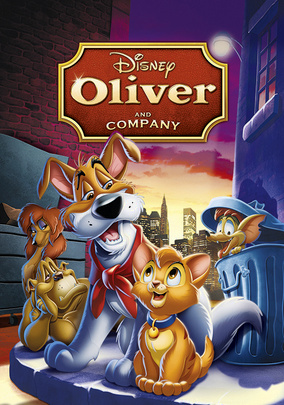
Oliver & Company-1988

Oliver & Company-1988

Director George Scribner

Voices Joey Lawrence, Billy Joel, Cheech Marin

Scott’s Review #818

Reviewed October 8, 2018

Grade: B

Oliver & Company (1988) is a darling animated film released by Walt Disney Pictures, the twenty-seventh Disney feature film to be produced.

The film is based on the Charles Dickens novel Oliver Twist, but Oliver is now a homeless kitten who joins a gang of dogs, and the setting moves from London to the dangerous streets of New York City- present times.

We meet Oliver (Joey Lawrence) as he huddles with other homeless kittens in a cardboard box, chilly from a driving New York rain. As all of the other kittens are snatched up by adoring animal lovers, Oliver is inexplicably left on his own.

He eventually meets up with Dodger (Billy Joel), a mongrel with street smarts, and the duo steals hot dogs from an abrasive food vendor.

When Dodger swindles Oliver out of his share, the kitten follows the dog to a barge, which turns out to be the hideout of Fagin (Dom DeLuise), a human pickpocket. Fagin houses a gang of assorted dogs as he is bullied by loan shark Sykes.

As Oliver bonds with the miscreants, his life suddenly takes a positive turn when he is rescued from the streets by a kindly, wealthy little girl named Jenny and her bumbling butler, Winston.

Jenny’s parents are on holiday in Europe, leaving her and Winston running the house. Along for the ride is Jenny’s sophisticated and spoiled pet poodle, Georgette (Bette Midler), who takes a dislike to Oliver.

By the 1980s Disney films were hardly the hot commodity they once were, and the small budget is evidence of that. Oliver & Company is not on par with classic, lovely offerings such as Pinocchio (1940), Fantasia (1940), or Dumbo (1941).

The film has a severe and decidedly “1980s quality”, mostly due to the upbeat soundtrack, which decades later makes the film feel rather dated.

Speaking of the soundtrack, the highlight is a treat entitled “Why Should I Worry?”, a tune sung by the ensemble cast and impossible not to hum along to.

The film features an array of famous voices that are perfectly cast. The filmmakers wisely cast plenty of native New Yorkers, which results in a huge measure of authenticity. Brazen voices like Midler’s, Joel’s, and Cheech Marin’s as feisty chihuahua Tito, give credibility to their characters.

The odd romantic pairing of Georgette and Tito, on the surface completely mismatched, gives a good dose of comic relief to the story.

The story written for Oliver & Company is the best part of the entire production.  Anyone familiar with the famous Dickens novel or Oliver! (1968), the most famous of the film incarnations knows how the story will end.

This did not hinder my enjoyment of the animated film though, a compelling and charming experience. Sykes makes a great villain, drawn with a long face and enormous chin, interesting, but not too scary to frighten young children.

One conspicuous omission is the elimination of the important character of Nancy. As fans know, Nancy played a vital role in the original story. Perplexing is the decision not to include her, but perhaps her ultimate death would have made the story too dark, so this can be overlooked.

Surely not the best in the Disney bunch, Oliver & Company (1988) is nonetheless a decent offering sadly overlooked by fans and critics alike.

The film is nearly forgotten and suffers from a dated quality if not for the widespread knowledge of the classic novel. The film is not one of the storied Disney treasures, nor should it be dismissed altogether.

The result is a darling, innocent experience meant for pure enjoyment.

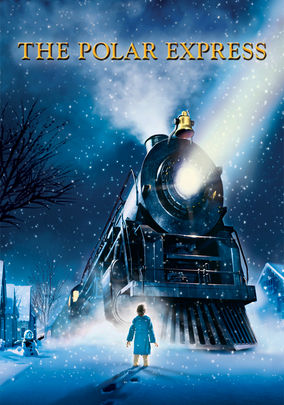
The Polar Express-2004

The Polar Express-2004

Director Robert Zemeckis

Starring Tom Hanks

Scott’s Review #800

Reviewed August 8, 2018

Grade: B+

The Polar Express (2004) is a modern entry into the annals of holiday film history. Along with treasures like Rudolph, Frosty, the Grinch, and all the other standards, this film has become a popular one to watch throughout the season.

The film is not exactly like the others, since it is the first of its kind to incorporate live human characters animated using live-action motion capture animation.

The mood of the film is mysterious, edgy, and with a dark tint, so jolly it isn’t, but compelling it is, and visually is a marvel.

The story is as follows- on a snowy (naturally!) Christmas Eve, a young boy living in Grand Rapids, Michigan, is doubtful of the existence of Santa Claus. When a steam locomotive suddenly appears outside of his house, he curiously boards the train to find a mysterious conductor (Tom Hanks) manning the train.

As the train rolls away the boy meets two other children on board and stops for another one, also reluctant to get on. They begin a dazzling, frozen adventure to the North Pole with the promise of receiving the first gift of Christmas from Santa Claus himself.

The main reason to recommend The Polar Express is simply for the gorgeous visual treats offered. In 2004 the film was a unique experience and I fondly recall sitting in a dark movie theater observing the film for the first time.

There was a magical element to the surroundings, combining intrigue and fantasy that still holds up well.

For adults, I do not think the film is at all scary, but I have heard some reviewers complain that the moody ingredients are a bit frightening for children so there is that concern. 

A major component is the mixture of human beings and animated tools. The familiar actor who everybody knows is Tom Hanks as the conductor. Therefore, to sit back and observe the character is a wonderful thing- is it Tom Hanks or is it an animation?

It is ultimately both, but the fun is in the observation and wondering how the filmmakers created this experience.

And listen for Hanks in other voice performances throughout the film. 

The story (or fable) itself is warm and fairly predictable. But, of course, being largely made with kids in mind, this is to be expected. There is never a doubt that the boy (interestingly never given a name) will ultimately believe in Santa after all and live happily ever after.

The magic is in the details, though- the boy’s journey to this realization is peppered with fun and creative richness- the little girl’s floating ticket and an ornament falling off a Christmas tree are good particulars. 

Director, Robert Zemeckis, and Hanks worked closely together in Forrest Gump (1994) so the pair are familiar with each other, creatively speaking. Hanks undoubtedly had much input into the decision making and it shows. 

I do not personally rank The Polar Express (2004) among the best of the best holiday film offerings, but I support an occasional dusting off of this work for viewing pleasure.

Perhaps over time the animations may become dated or seem less dazzling, but the film is still to be appreciated for its creative elements. The story is nothing spectacular (in a way Scrooge for kids) but makes for a pleasant family viewing experience. 

Oscar Nominations: Best Song-“Believe”, Best Sound Editing, Best Sound Mixing

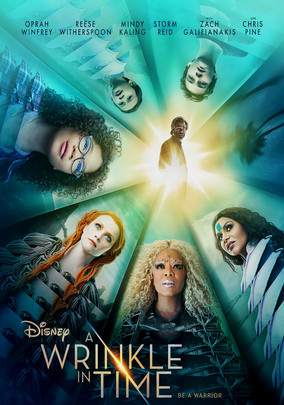
A Wrinkle in Time-2018

A Wrinkle in Time- 2018

Director Ava DuVernay

Starring Storm Reid, Oprah Winfrey, Reese Witherspoon

Scott’s Review #788

Reviewed July 16, 2018

Grade: C

A Wrinkle in Time (2018) is a film I had high hopes for, given the enormous marketing push, first-rate cast, and especially the acclaimed female director involved with the project, Ava DuVernay (Selma, 13th).

Additionally, having admired the 1962 novel, I expected a rich, earthy, and mysterious experience. Sadly, whether it be a “too many cooks in the kitchen” situation given the star power involved, or some other factors leading to a disconnect, this film disappointed me.

It’s not terrible, but it suffers from miscasting, too much CGI, and a story that is not very compelling.

Thirteen-year-old Meg (Storm Reid) is having a tough time in school. Smack dab in the “awkward phase,” she is picked on by schoolmates because her father (Chris Pine) has disappeared, presumably having ditched the family.

In reality, he is a scientist transported to another world after solving the question of humanity’s existence.

After Meg and her family are visited by a strange woman named Mrs. Whatsit (Reese Witherspoon), Meg, her little brother Charles Wallace, and Meg’s crush, Calvin, time-travel to find a way to save her father.

Fans who have read the fantastic novel written by Madeleine L’Engle will most certainly be disappointed since many details of the film are vastly different from the written page.

DuVernay attempts to take the film out of the 1960s and into 2018 (I have no issue with that), but the film feels so slick and modern with the visual elements and heavy use of CGI that the story suffers enormously.

The film is gorgeous, especially in the sweeping outdoor scenes, but in this case, too many bells and whistles spoil A Wrinkle in Time.

The three strange women characters, Mrs. Whatsit, Mrs. Who (Mindy Kaling), and Mrs. Which (Oprah Winfrey), are completely butchered. In the novel, each is portrayed as peculiar, mysterious, and similar to witches: frumpy, awkward, yet lovable.

In the film, however, they are colorful, glamorous, and empowered, but lack uniqueness or intrigue.

I am all for female empowerment, but the characters just felt wrong.

Kaling is fine in the most minor role, but in the case of Witherspoon and Winfrey, it appears to be a case of “we have big stars, let’s find roles for them.” A tough sell with Mrs. Which is to think of Oprah as anyone other than….well, Oprah!

Witherspoon’s attempts to be goofy and the comic relief of the film do not work.

The casting of newcomer Storm Reid is lackluster. I have no issue with the character of Meg being changed to bi-racial, I feel that’s a plus in the modern age. However, the actress is not the greatest, appearing both sullen and wooden in various scenes.

Nor does she have any chemistry with her love interest, Calvin.

This is a shame since the theme of young love would have been a nice addition to the film and was a coming-of-age element in the novel.

At the risk of being overly critical, A Wrinkle in Time is not a total disaster either. The progressive and heroic message of the overall film is quite inspiring if kids watch the film (and since it is Disney-produced and heavily advertised, I can see no reason why they wouldn’t), they will be exposed to a nice message of good conquering evil.

On a side note, the villain is safe and hardly conjures up much fright, so parents need not worry about the film being too scary.

With heaps of buzz and anticipation regarding A Wrinkle in Time (2018), the film seemed poised to become a blockbuster hit and a great spring flick. Instead, critics and audiences alike have largely derided it.

With creative genius, star power, and a considerable budget, something ran amok as the final product is fair to middling.

Let’s hope director Ava DuVernay gets her groove back with her next project- I expected more.

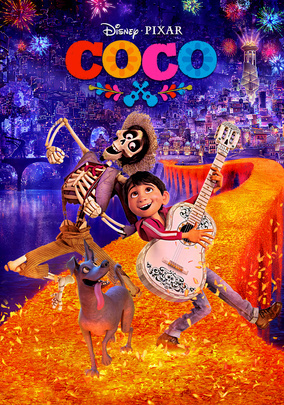
Coco-2017

Coco-2017

Director Lee Unkrich

Voices Anthony Gonzalez, Benjamin Bratt

Scott’s Review #737

Reviewed April 4, 2018

Grade: B+

Winner of the 2017 Best Animated Feature Academy Award, Coco is an exuberant and colorful affair filled with marvelous lights and a Mexican cultural infusion that serves the film well, making it feel robust with diversity and inclusion.

The overall theme of family, traditions, and musical celebration is apparent, making for good razzle-dazzle with lots of upbeat songs and dance.

Mixed in is a lovely inter-generational theme, where older folks are respected, something lacking in today’s real world.

Miguel Rivera is a twelve-year-old boy living in Mexico with his extended family, including his elderly great-grandmother, Coco, who is sadly suffering from intermittent dementia.

Through flashbacks, we learn that Coco’s father (Miguel’s great-great-grandfather) was an aspiring musician who abandoned the family for greener pastures.

Subsequently, the Rivera clan banned all music in favor of a modest shoe-making business.

As Miguel realizes his passion for music, he conflicts with his family, who have other aspirations for the young man. Miguel embarks on a fantastic journey to the magical and somewhat frightening land of his deceased ancestors, coinciding with the festive Day of the Dead celebration, a tradition of Mexican culture.

There he realizes the true nature of his great-great-grandfather’s sudden departure.

Coco is a film that can be enjoyed by all family members and is structured in just that way. The blatant use of multiple generations greatly appeals to the idea of blending the family unit.

Pixar successfully sets all the correct elements in place for a successful film, and the well-written story only adds layers. The film is quite mainstream, yet appealing to the masses.

Perhaps very young viewers may become frightened by some of the skeleton-laced faces of Miguel’s ancestors in the other world where he visits. Still, these images are somewhat tame and mixed with vibrant colors and extraordinary production numbers.

These images are undoubtedly meant to entertain rather than be scary and the creatures possess a friendly vibe.

Having viewed the film on an airplane traveling cross-country (admittedly not the best way to watch a film), the lovely and touching musical number “Remember Me (Lullaby)” entranced me, so much so that I was moved to tears right on the plane.

How’s that for effectiveness?

The emotional level reached via this song impressed me immensely about Coco, even when the story occasionally is secondary to the visual or musical elements.

In fact, the story began to lag slightly until the aforementioned big musical number came into play. The song really kicked the action into high gear emotionally, and I became more enamored with the characters and their connections to one another.

Miguel and his relatives’ love became more apparent, and the conclusion is pleasing and satisfactory.

A slight miss in the film, corrected midway through, is Miguel’s bratty and entitled nature. He heaves sighs when he does not get his way, which seems more apparent early on and was quite the turn-off—at first, I did not care for the character, yet I knew I was supposed to.

Thankfully, the character becomes the hero of the film and ultimately a sweet, likable character. I pondered, “Is that what kids like these days?”

Pixar does it again, creating a family-friendly experience with a positive yet non-cliched message of belonging, forgiveness, and the importance of family connections that feels fresh.

In current times of divisiveness, especially with immigration and other cultures being attacked, how appropriate is it to experience Coco (2017), a feel-good yet not contrived project?

Oscar Nominations: 2 wins-Best Original Song-“Remember Me” (won), Best Animated Feature Film (won)

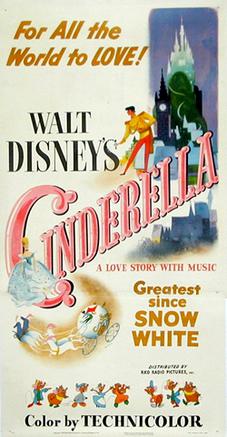
Cinderella-1950

Cinderella-1950

Director Clyde Geronimi, Hamilton Luske, Wilfred Jackson

Voices Ilene Woods, Eleanor Audley

Scott’s Review #731

Reviewed March 7, 2018

Grade: A-

Cinderella is a lovely 1950 Walt Disney production that rejuvenated the animated film genre after a sluggish 1940s.

The film glistens with goodness and bright colors, offering a charming fairy tale-based story based on hope and “happily ever after.”

Cinderella is enchanting on all levels.

The story is told mainly in narration, especially to explain its history. We learn that Cinderella’s parents have both died, leaving her an orphan who lives with her wicked stepmother, Lady Tremaine.

Her stepsisters, Drizella and Anastasia, are jealous of Cinderella’s natural beauty. She is regularly abused and berated, and forced to work as a servant in a rundown chateau, tending to the trio’s needs and demands.

Despite her unhappy life, Cinderella makes the most of it and befriends mice, birds, and many other animals she meets, singing and dancing merrily.

Life chugs along for our heroine until one day, the King of the royal palace decides to throw a lavish Ball for his son, the Prince, to find his soulmate and marry her finally. The King requests that all eligible unmarried women attend.

As Cinderella excitedly requests to go, Lady Tremaine cruelly grants her request, provided all of her work is done. She has no intention of making things easy on her.

In proper fairy tale form, the Prince falls madly in love with Cinderella while facing many hurdles on the pair’s way to happiness.

Given the time when Cinderella was made (1950), the timing was excellent for a lavish production, to say nothing of the fantasy that many young girls undoubtedly experienced a handsome prince rescuing them, whisking them away from a life of doldrums to undying love.

Female empowerment had not yet taken hold during the 1950s, so the male-rescuing female message was palpable and appealing to many. Dated not the least bit, a story of true love overcoming hardship can always find an audience.

The production’s colors and animations are lush and powerful, oozing perfection and dripping with fantastic elements of romance and spectacular wealth.

An example of this is the lavish ball at the palace. As Cinderella’s Fairy Godmother transforms the young girl and her transportation into a magical fantasy of horses, gowns, and carriages, the ball is pretty extravagant in its beauty.

Engaging, with a bit of humor mixed in, are the supporting characters of the three evil ladies and the bumbling Grand Duke- interestingly voiced by the same person as the King. As Drizella and Anastasia attempt to impress Prince Charming, their awkward and haphazard mannerisms and scowls perfectly counterbalance the charm and grace of Cinderella in a sometimes comical fashion.

Comparisons must be made to 1937’s masterpiece, Snow White and the Seven Dwarfs. Both could easily be companion films, watched sequentially to better study and marvel at their similarities.

Snow White and Cinderella are purely “good” characters, singing lovely tunes, embracing animal friends and various forms of wildlife- they are both more or less “saved” by men.

In the present day, instead of being offensive or “old-fashioned,” it remains enchanting and a celebration of true love.

Cinderella is a treasure to be enjoyed after all these years. It never ages or becomes dated or irrelevant, which is a true testament to the power of film. Carving a story of values, honesty, hard work, and good payoff, generations of fans can appreciate this everlasting treasure.

Oscar Nominations: Best Scoring of a Musical Picture, Best Original Song-“Bibbidi-Bobbidi-Boo,” Best Sound Recording

Pinocchio-1940

Pinocchio-1940

Director Ben Sharpsteen, Hamilton Luske

Voices Cliff Edwards, Dickie Jones

Scott’s Review #723

Reviewed February 1, 2018

Grade: B+

As a follow-up to the marvelous 1937 Walt Disney production of Snow White and the Seven Dwarfs, 1940’s Pinocchio is a darling tale of a wooden puppet longing to become a real boy.

The film vastly differs from its predecessor in that the protagonist is male, and the thematic elements are Italian (based on an Italian children’s novel). Still, similarly, Pinocchio is a touching experience and is magical and whimsical, telling a humanistic story about wishes and dreams coming true.

As narrated by a fantastic, cheerful little insect named Jiminy Cricket, an elderly woodcarver named Geppetto creates a wooden puppet named Pinocchio and wishes upon a star for the puppet to become a little boy.

A mysterious yet lovely Blue Fairy arrives one night and tells Pinocchio that he must be brave and truthful for the desired effect to occur- Jiminy serves as his conscience. Throughout the remainder of the film, Pinocchio’s morals are tested by unsavory characters who attempt to steer him down a dark path.

Certainly, Pinocchio is intended to be a message film for little boys and girls everywhere about the importance of honesty and truthfulness. However, some comic elements are mixed to avoid making the experience too dark or scary.

This is evidenced by the legendary way Pinocchio’s nose grows longer with each fib he tells. The film preaches a valuable lesson, which is why the adorable story holds up so well in the present.

Some values never go out of flavor.

In superb Disney form, Pinocchio features an emotional tearjerker of a scene towards the end of the film as Geppetto mourns the loss of his son.

The scene is sweet and touching and will fill even the hardest of hearts with feelings- regardless of age. In this way, Pinocchio becomes even more of a timeless treasure and is a film that the entire family, generations upon generations, can enjoy together.

Films of this nature are so important as a bonding form.

Enough praise cannot be given to Pinocchio’s incredibly effective theme song, “When You Wish Upon A Star,” belted out by Jiminy Cricket. The resounding tune is as emotional as it is timeless and bold. It is belted out at just the ideal time during the film and is still associated with the legendary film.

In fact, over the years, the song has become synonymous with the Walt Disney Company itself.

One slight oddity of the film is that Geppetto—clearly at the grandfather’s age—is the father of a young boy. This might have been perceived as sweet in 1940, but in 2018, it may have been perceived as a bit creepy or at least unusual.

Still, this is a minor flaw that can be easily overlooked. I have come to assume Geppetto is the grandfather in the story.

For those in the mood for a charming, classic animated Disney picture, 1940s Pinocchio is a mesmerizing and creative experience. At its core, it is a timeless benevolent lesson in goodness and purity.

Pinocchio is artistically filmed and told, and it can be enjoyed by anyone, regardless of age or gender.

Oscar Nominations: 2 wins Best Original Score (won), Best Original Song-“When You Wish Upon a Star” (won)

Sleeping Beauty-1959

Sleeping Beauty-1959

Director Clyde Geronimi, Les Clark, Wolfgang Reitherman, Eric Larson

Voices Mary Costa, Bill Shirley

Scott’s Review #721

Reviewed January 30, 2018

Grade: B+

Sleeping Beauty is a 1959 musical fantasy film and Walt Disney’s sixteenth animated production. By this point, Disney was a master at crafting wonderful and magical productions, and Sleeping Beauty was a solid work.

However, due to mixed reviews and poor box office performance, Disney films were retired for many years. The effort achieves a lighter tone than heavies like Dumbo and Bambi but is enjoyable nonetheless.

In a magical land of royalty, fairies, and both good and evil, King Stefan and Queen Leah, the benevolent leaders of the land, finally conceive their first child, Princess Aurora.

After proclaiming a memorable holiday and celebration, a festive scene turns dark when an evil and powerful fairy, Maleficent, jealous with rage, puts a curse on the innocent baby.

Thanks to a kindly fairy, the curse of death on Aurora’s sixteenth birthday is slightly blocked in favor of Aurora falling into a deep sleep- only to be awakened by true love’s kiss.

The characters in Sleeping Beauty are pretty lovely and, overall, sweet and kind. My favorite characters are the three fairies: Flora, Fauna, and Merryweather. Each has her personality but wields special magical powers—all good-natured.

While Flora and Fauna possess song and beauty, which they bestow on Aurora, Merryweather arguably saves the young girl’s life. The three women are also instrumental in being the unsung heroes of the film, while the handsome Prince Phillip gets star billing.

Compared to many other Disney films, Sleeping Beauty is quite the show. It is lush with colors as bright as stars, and the sparkles that drizzle from the fairies’ wands ooze magic that will make children giggle with delight and adults marvel with adoration.

In this regard, Sleeping Beauty is extravagant and the most expensive Disney production to date.

Maleficent is a fantastic villain, and when she finally turns into a lethal, fire-breathing dragon, this is sure to scare youngsters watching the film for the first time. Sure to mention, Maleficent’s web of thorns that she uses to surround Aurora’s castle is a spectacle in and of itself.

Upon watching the film, I continue to draw comparisons to another of Walt Disney’s famous films, 1937’s Beautiful Snow White and the Seven Dwarfs, as both films resemble each other in a sheer mass of ways.

The beautiful and innocent main female characters, both in peril from devious, older women, clearly jealous of Snow White’s and Aurora’s goodness, are apparent.

Besides, both contain dashing princes who come to the rescue in just the nick of time and kindly little things who assist in the drama.

Perhaps Sleeping Beauty’s similarities to Snow White and the Seven Dwarfs—in fact, the pair would be perfect to watch together on a rainy Saturday afternoon—led me to conclude that Snow White is the more charming and grabbing of the two films.

Also, Sleeping Beauty does not triumph in the important humanistic lessons that the Dumbo and Bambi (my favorites of all the Disney films) have.

Sleeping Beauty contains elements of an empathetic, feel-good animated experience. A King, a Queen, a Prince, a vicious villain, giddy fairies, and a beautiful heroine are all represented in this delicate and satisfying Disney venture- not the greatest in the pack, but assuredly a good time.

Oscar Nominations: Best Scoring of a Musical Picture

The Boss Baby-2017

The Boss Baby-2017

Director Tom McGrath

Voices Alec Baldwin, Tobey Maguire

Scott’s Review #713

Reviewed January 12, 2018

Grade: C

True confession- I was not expecting much from the 2017 offering of the animated film entitled The Boss Baby (a brooding, sarcastic newborn offered no appeal).

However, since the film was nominated for a Golden Globe award, I decided to throw caution to the wind and settle down for a viewing.

Predictably, the film fulfilled my hunch and resulted in a fair to middling experience—the attempt at a nice message was offset by cliched and silly characters and an overproduced film rather than a directed one, but it still held interesting and sometimes even beautiful visuals.

Seven-year-old Tim Templeton (voiced by Tobey Maguire), as an adult, narrates a story of his childhood days, living with his parents Ted and Janice, both busy marketing professionals, who work at Puppy Co.

One day, his parents return home with a bundle of joy in tow, Theodore Lindsey Templeton (voiced by Alec Baldwin), who immediately monopolizes their time and attention.

Isolated, Tim is envious and begins a rivalry with his baby brother, who is secretly a spy named “The Boss Baby” and has the mind of an adult in a baby’s body.

It is revealed that he is working undercover as a spy to investigate why puppies are now receiving more love than babies.

The duo eventually teams up and forges a bond to prevent corporate America from ruining all of the love in the world. The Boss Baby presents a positive, good message of love and acceptance, which is nice to see, but this message can only carry a film so far, and there is little else of substance.

As with many animated films, the story here has a “good versus evil” slant, which renders the film rather one-dimensional. We are instructed who to root for and who not to root for.

While challenging corporate greed is certainly a cause worth championing, too often I found The Boss Baby causing my mind to wander elsewhere instead of keeping me engaged in the story, which is not a good sign.

The target audience is relatively young because many sappy or juvenile scenes remain.

Closeups of Theodore and whimsical shots of his bulging eyes give the film cute, too wholesome quality, and predictably, there are the standard doody and poop jokes, which comedies do all too often to account for sloppy writing.

Comedy stalwart Alec Baldwin voices the character of Theodore, which makes the baby a bit more interesting.

Baldwin, fusing assertion and a touch of sarcasm into Theodore, makes him witty and energetic, but again, this can only go so far. By the time the film has concluded in happily ever after fashion, the once tough character has disintegrated into a hammy kid.

Older brother Timothy is excellent, and having Maguire narrate him as an adult is nice.

The central theme of sibling rivalry between brothers, especially the difficulty of some kids adjusting to a newborn debuting into the family, may encourage parents to make it a family outing and see The Boss Baby.

Sadly, the creative and unique sets of animations may be wasted on viewers seeking a good story. What a pity that The Boss Baby does not possess both qualities. The film is little more than adequate and will undoubtedly be forgotten.

Oscar Nominations: Best Animated Feature Film

Beauty and the Beast-2017

Beauty and the Beast-2017

Director Bill Condon

Starring Emma Watson, Dan Stevens

Scott’s Review #634

Reviewed April 18, 2017

Grade: A-

When I went to see the live-action version of the Disney animated classic Beauty and the Beast, which was released in the spring of 2017, I was unsure what to expect.

Would it be a cheesy or amateurish retread of the 1991 animated smash only with human beings? Why the lackluster March release date? Indeed, this is telling; otherwise, why not release the film in the coveted fourth quarter with potential Oscar buzz?

I do not have the answers to all these questions, but this version of Beauty and the Beast is enchanting, romantic, and lovely- a spring treat for the entire family to enjoy.

Our protagonist, Belle (producers wisely casting Harry Potter legend Emma Watson), is a kindly farm girl living with her father, Maurice (Kevin Kline),  in a quaint village outside of Paris.

Considered a bit odd by her village mates because she loves to read, she rebuffs the advances of the dashing soldier, Gaston (Luke Evans), because he is arrogant- the other village ladies (as well as Gaston’s gay companion, LeFou) flaunt over Gaston’s good looks.

When Maurice ventures into unknown parts and stumbles upon a dilapidated castle, he is locked up by a vicious beast. Having once been a handsome prince, he has since been cursed by a beggar woman.

The only way the beast can return to his former self is to find true love before a wilted rose loses all of its petals—enter Belle to the rescue. Belle convinces the Beast to let her stay in prison and release her father.

Will Beast and Belle fall madly in love?

Of course they will. The fated romance is part of what makes the film heartwarming and lovely.

The now-legendary classic fairy tale feels fresh and energized with the Disney-produced project. Director Bill Condon carefully and successfully crafts an honest effort, making sure that while providing a fairy tale happy ending, not to make the film seem contrived, overblown, or overdramatized.

I fell for the film hook, line, and sinker. It is an uplifting experience. The song and dance numbers abound with gusto and good costumes—my personal favorites are the rousing “Be Our Guest” and the sentimental “Beauty and the Beast.”

The crucial romance between Watson’s Belle and the Beast, earnestly played by Dan Stevens (of Downton Abbey fame), works in spades. Their chemistry feels authentic and passionate. As Belle is at first held captive by the misunderstood bad boy instead of Maurice, the pair at first loathe each other, but this is done with innocence and no malice.

Condon wonderfully exudes the right amount of slow build to make the pair beloved by audiences with the correct pacing.

The CGI in Beauty and the Beast is heavy, as expected. However, the Beast’s distraction is a bit confusing. Was the Beast a complete CGI creation save for the close-ups, or was Watson dancing with Stevens when filming commenced in certain scenes?

I am unsure.

The controversial “gay storyline”, which helped the film be banned in the southern United States and Russia, as well as other countries, is pure and utter rubbish.

The subject is explored extremely superficially and not worthy of all the fuss.

Worthier of mention is the tremendous diversity that is featured in the film, most notably in the opening sequence. Interracial couples appear in the form of Madame de Garderobe (Audra McDonald), the opera singer turned wardrobe, and Maestro Cadenza (Stanley Tucci), turned harpsichord.

On the gay issue, it is sweet that the implied gay character of LeFlou finds love with another man at the end of the film.

A minor complaint is the scattered authentic French accents of many of the household staff and village people, but Belle and Maurice speak in the British tongue. Being a fairy tale, liberties must be taken, and suspending disbelief is necessary, but this was noticed.

Beauty and the Beast (2017) is a lovely experience that combines fantastic musical numbers with romance, with a side of diversity thrown in for good measure.

Since the film will undoubtedly be seen by many youngsters and teens, this is a wonderful aspect of the film and, hopefully, a shining, positive example in filmmaking.

Oscar Nominations: Best Production Design, Best Costume Design

WALL-E-2008

WALL-E-2008

Director Andrew Stanton

Starring Various voices

Scott’s Review #594

Reviewed January 8, 2017

Grade: B+

After hearing so much buzz about WALL-E (2008), I decided to see for myself what all the fuss was about.

Disney-Pixar has created another fantastic film. Visually, it is a creative and intelligent experience that warrants the praise it has received. They also do a lot with intricate graphics and animations.

In a futuristic world where humans have destroyed their environment, and thereby abandoned planet Earth, robot, WALL-E, is left to clean up the mess.

He then meets a fellow female robot named EVE, and the two develop an innocent, sweet relationship that is charming and authentic.

The humans in the film are portrayed as fat, lazy, incapable of intelligent thought, and most unable to move very much since technology has trained them to be as such.

Sad.

The story itself is very sweet, and touching, and sends a very important message about society and taking care of our environment.

Very enjoyable.

Oscar Nominations: 1 win-Best Original Screenplay, Best Animated Feature Film (won), Best Original Score, Best Original Song-“Down to Earth”, Best Sound Editing, Best Sound Mixing