Tag Archives: 2021 Films

West Side Story-2021

West Side Story-2021

Director Steven Spielberg

Starring Ansel Elgort, Rachel Zegler, Ariana DeBose

Scott’s Review #1,207

Reviewed December 12, 2021

Grade: A

I salivated when the news broke that a reboot of the brilliant 1961 film West Side Story, itself based on a Broadway musical, was being planned.

I was cautiously optimistic when I heard Steven Spielberg would direct the production. Nothing personal against Mr. Spielberg, but there have been some misses with musical adaptations over the years.

Does anyone remember Cats (2019)? I know, we are all trying to forget it.

Nonetheless, my anticipation was temporarily sidelined due to the dreaded COVID-19 pandemic. Still, art always perseveres, and the release of the new West Side Story was pushed back from December 2020 to December 2021.

Finally, the moment had arrived, and I was even fortunate enough to score members-only sneak preview tickets to an early screening at my local art theater.

Hooray!

West Side Story (2021) is a brilliant adaptation that does not disappoint in the least, offering entertainment and authenticity in abundance. It’s bombastic and enthralling, mixing romance with some quite brutal fight scenes.

The delightful songs “Maria”, “America”, “Tonight”, “I Feel Pretty”, and my personal favorite “Somewhere” are all included and are like new gifts for fans to unwrap greedily.

This may be Spielberg’s best effort yet (I never thought he’d top 1993’s Schindler’s List), as he recreates a musical spectacle that will surely entice viewers back to the cinema.

The reboot has life, artistry, and expressionism, breathing fresh energy into the production. In some ways, it surpasses the 1961 version.

Despite being created in the late 1950s, a remains timely. Racism sadly still exists in America, and we have much work to do to unite as one if we ever do. This may feel hopeless, but the film’s message is one of love and unity, offering hints of hopefulness.

How timely and how much we need this film.

The film has a more profound sentiment in light of the recent death of Stephen Sondheim, the masterful composer and lyricist who revolutionized the American musical. He worked in tandem with Leonard Bernstein on most of these songs.

For those unfamiliar, let me briefly summarize the film’s plot.

Love, at first sight, strikes when young Tony (Ansel Elgort) spots Maria (Rachel Zegler) at a high school dance in 1957 New York City. Forbidden from having anything to do with each other except to hate each other, their immediate romance helps fuel the fire between the warring Jets and Sharks —two rival gangs vying for control of the streets.

Things go from tense to terrible when street fights between the gangs lead to mayhem, misunderstandings, and death.

The film is crafted exceptionally well from a visual and cinematic perspective. From the opening sequence, when the gangs stumble amongst the ruins of a decrepit west side lot, there are intriguing shadows and shapes, and high camera shots.

These moments continue throughout the film, as the flawless choreography of the dance scene takes center stage.

Speilberg corrects missteps that the 1961 version made, which brought a broad smile to my face. The Puerto Rican characters, which make up half the cast, are played by Hispanic actors. The big mistake the original film made was casting Caucasian actors who passed for Puerto Rican.

The chemistry between Richard Baymer (original Tony) and Natalie Wood (original Maria) was lacking, but it explodes off the screen from the first moment that Elgort and Zegler appear together.

Rita Morena, familiar to West Side Story fans with her portrayal of Anita in the 1961 version, returns in the role of Valentina, who runs Doc’s general store and is assumed to be the widow of Doc.

It is explained that Valentina, a Puerto Rican, married a white man. Morena’s role is much bigger than I thought, and she performs a magnificent, tear-jerking version of “Somewhere”.

The casting is flawless. Standouts are Elgort (Tony), Ziegler (Maria), Ariana DeBose (Anita), David Alvarez (Bernardo), and Mike Faist (Riff), but the entire company performs flawlessly and effortlessly.

The character of Anybodys, a tomboy in the original, is cast with a transgender actor, Iris Menas, which provides rich diversity and inclusion.

West Side Story (2021) is an instant classic that I eagerly anticipate seeing again and again. I’ll never waver in my love and devotion to the original version.

Still, the new version is an exceptional achievement in authenticity, style, and pizazz that will assuredly remind viewers why they love the cinema so much.

It certainly reminded me.

Oscar Nominations: 1 win-Best Picture, Best Director-Steven Spielberg, Best Supporting Actress-Ariana DeBose (won), Best Cinematography, Best Production Design, Best Costume Design, Best Sound

Belfast-2021

Belfast-2021

Director Kenneth Branagh

Starring Jamie Dornan, Caitríona Balfe, Jude Hill

Scott’s Review #1,202

Reviewed November 28, 2021

Grade: A-

Belfast (2021) is a film I wanted to see based solely on the year-end awards buzz it is receiving as of this writing. The trailer would lead you to believe that the film is a sentimental and heartwarming journey through the lives of a group of people living in Belfast, Ireland.

This is nothing but strategic marketing.

The film is significantly better than the trailer suggests, offering a dark and raw exploration of a family torn between their current lives in Belfast and the opportunity to leave the troubled city for new prospects in England.

However, it’s not all doom and gloom, and in fact, Belfast offers enough humor, entertainment, and drama to please a broad audience. There also exists a lesson in kindness, decency, and respect that is so needed in the world today.

Belfast is a movie rich in real-life experiences from director Kenneth Branagh’s own life, which successfully lends realism and honesty to the picture.

The film is told through the eyes of a nine-year-old boy named Buddy, wonderfully played by Jude Hill. He struggles to forge a path from childhood to manhood in a world that has been turned upside down.

It is 1969, and battles over religion have overtaken his neighborhood with radical Protestants wanting the Catholics out.

Buddy experiences the joys and sorrows of young love, loss, joy, laughter, music, and the magic of the cinema.

His family surrounds him- Ma (Caitríona Balfe), Pa (Jamie Dornan), Granny (Judi Dench), Pop (Ciarán Hinds), and a brother. They each fill Buddy’s life with kindness and fun.

The film starts slowly for me, despite an immediate, wonderfully compelling slow-motion sequence in which Buddy is surrounded by violence and terror as he walks home from school on a pleasant afternoon.

As I ponder Belfast, I realize that much of the film is slow, yet rich in texture and goodness. Every so often, an emotional scene erupts, but then a great deal of it is Buddy’s everyday experiences.

The black and white cinematography is crucial in portraying the bleakness of Belfast and how its residents strive to add some life. Most are born and die where they live.

Branagh adds an occasional glimpse of color, which is effective to show a burst of delight in the characters’ lives. This is most powerful when the family goes to the cinema and enjoys an afternoon watching Chitty Chitty Bang Bang.

The lighting and extreme close-ups of some characters’ faces reveal their emotions, while the landscape shots are appropriately smoky and bright. This fits the mood perfectly.

The film features music by Belfast native Van Morrison, including eight classic songs and a new song Morrison wrote for the film.

The acting is superb by all the principal cast, and Dornan and Balfe provide the emotional core. Both actors are beautiful, and their performance of ‘Everlasting Love’ is simply delightful.

Providing proper role models for their children, Dornan’s Pa nearly had me in tears when he told Buddy that a person’s religious beliefs are unimportant, but their kindness is what truly matters.

He is a progressive man trapped in a traditional world.

In the end, the family chooses to reach for the stars, and the moment is fulfilling for both the characters and the viewers.

Belfast (2021) did not completely win me over until it ended, when I realized that I had witnessed a superior film. Branagh fuses heart and decency into a tale of a family’s struggles and trials.

It’s a message film that doesn’t scream or preach that message, but instead gives a quiet lesson in humanity.

Oscar Nominations: 1 win-Best Picture, Best Director-Kenneth Branagh, Best Supporting Actor-Ciarán Hinds, Best Supporting Actress-Judi Dench, Best Original Screenplay (won), Best Original Score-“Down to Joy”, Best Sound

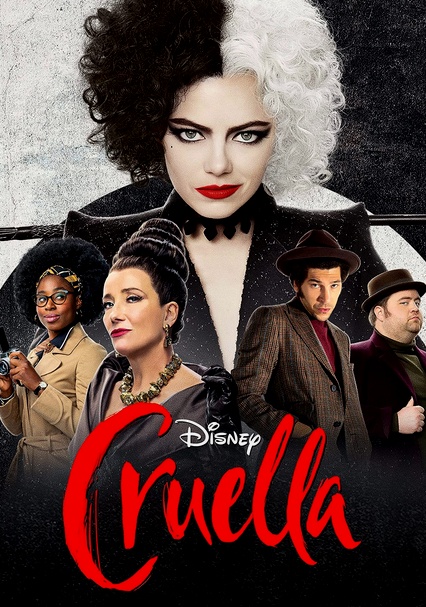
Cruella-2021

Cruella-2021

Director Craig Gillespie

Starring Emma Stone, Emma Thompson

Scott’s Review #1,197

Reviewed November 19, 2021

Grade: A-

One of the first red carpet premieres to emerge amid the deadly Covid-19 pandemic, Cruella (2021) is a wickedly funny delight and celebrates the return of cinema to the theaters.

What a fabulous choice.

The makeup, hairstyling, costumes, musical score, and the title character herself make this film loud, proud, and lots of fun.

It’s not too dark for the entire family to enjoy, but far from fluff, either. Suspension of disbelief is mandatory since it’s pure fantasy and not to be dissected for its numerous plot holes and ridiculous antics.

Dogs, people, and costumes fly around in frantic motion to fulfill their every motivation.

The film is way better than anticipated, which is always a treat. It’s not that I wasn’t expecting quality, but I didn’t expect to be entertained and enthralled quite as much as I was.

The experience carried me away.

The live-action force sheds light on the backstory of Cruella de Vil, made famous, of course, as the dastardly villain in the animated Disney feature 101 Dalmatians from 1961.

Her life and intentions are explored in a story similar to Oliver Twist, with a 1970s style. Orphaned young, she must survive the mean streets of London during the punk rock era. She becomes an expert pickpocket and ingenious thief while doubling as the humble fashion upstart Estella.

Estella befriends a pair of young thieves who adore her appetite for mischief, and together they construct a cozy life for themselves and their furry friends. While working as a cleaning lady, Estella is discovered by the ruthless and unkind Baroness von Hellman (Emma Thompson), a fashion legend.

Their complex relationship sets in motion revelations that harken back to Estella’s deceased mother, causing her to embrace her wicked side and become the fashionable, revenge-bent Cruella.

Emma Stone basks in the spotlight as Cruella with ravaging fury and a twinkle in her eye. An incredible actress who has played roles in Birdman (2014), La La Land (2016), and The Favourite (2018), Stone goes full-throttle in her dual role, making them as opposite as possible.

She’s terrific and carries the bombastic film with seeming ease.

Thompson is just as good as the Baroness, a woman with a heart of stone and most similar to Miranda in The Devil Wears Prada (2006). With a snap of her fingers or a glance, she expects to be served and pleased, happy to take credit for other people’s work. It’s a toss-up which character I hate more.

Stone and Thompson are delicious together and chew up the scenery, especially when they spar and attack each other. These scenes are wickedly delightful, and a key to their past may link them forever.

The Baroness is difficult to like, as she attempts to kill Estella/Cruella twice.

The actresses make magic together.

Besides the clear parallels to Oliver Twist, Cruella also mirrors Spider-Man with the alter-ego premise. I saw her as a superhero. Traditionally, Cruella is portrayed as evil and fiendish, but here she is the rooting favorite. This may turn some off, but I loved this facet and the complexity of the character.

To go deeper, the Baroness is more like the animated Disney character Cruella than Cruella is!

I joyously anticipated which 1970s rock song would come next, as nearly every sequence incorporated this genre of music. Bands like Blondie, Queen, and Black Sabbath appear, along with fascinating, modern takes on some of the best hits of the period. This adds a wealth of depth and relevance.

What about the costumes? Oh, how gorgeous they are! Numerous dresses, gowns, and other accessories are featured. The sheer number of outfits and designs in the film is astounding.

My favorite appears as Cruella unfolds a flowing dress from a limousine that stretches for miles and miles, much like a domino effect. It’s flashy and beautiful.

Rumors abound that Stone has signed on for a sequel to Cruella (2021). As long as a more thought-out story continues to be developed, the character can remain as complex as she is entertaining. The style, locale, and time make the film a fantastical retelling of a fantasy.

Oscar Nominations: 1 win-Best Costume Design (won), Best Makeup and Hairstyling

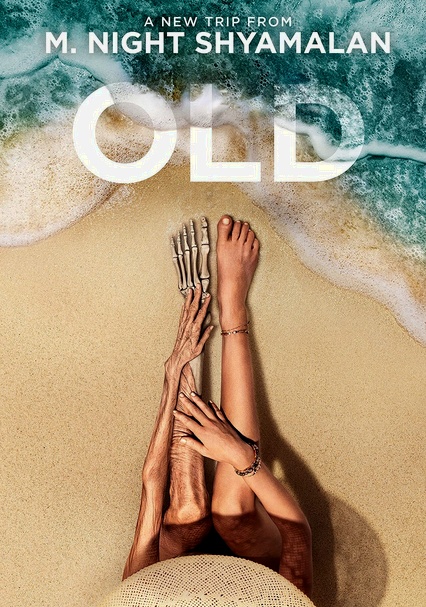
Old-2021

Old-2021

Director M. Night Shyamalan

Starring Gael García Bernal, Vicky Krieps

Scott’s Review #1,195

Reviewed November 13, 2021

Grade: B

I am always rather intrigued by any M. Night Shyamalan projects that come down the pike, whether it be a television or film offering. He has a knack for creating twist endings with a supernatural component.

Sometimes, like with The Sixth Sense (1999) and The Village (2004), he knocks it out of the park. Others are more average.

Old (2021) contains a novel and tantalizing premise that sometimes delivers and sometimes lags. It’s a worthy effort that picks up speed in the final fifteen minutes or so with a predictable conclusion I guessed about midway through, but it’s still really cool to see.

The film might have been better as a short film or a shorter episode – think The Twilight Zone.

Nothing in Old is too shocking or scary, and nothing that will make the hair on your neck stand up, but it’s entertaining and provides a message worthy of dissection.

The visionary filmmaker unveils a chilling, mysterious premise that oozes with possibility.

A seemingly happy suburban family decides to treat themselves to a tropical holiday in paradise. Prisca (Vicky Krieps), the wife, stumbles upon the exciting vacation offer online and decides to go for it. This alone should have been a red flag. Her husband, Guy (Gael García Bernal), agrees, and their children, Trent and Maddox, are overjoyed.

What the children don’t realize is that Guy and Prisca plan to divorce after the vacation ends.

The family is lavished with hospitality, food, and drinks and whisked away to a secluded beach where they relax for a few hours with other members of the resort, including a surgeon and his wife, an epileptic psychologist and her husband, and various others.

They realize that something is causing them to age rapidly, reducing their entire lives to a single day.

They panic and try to leave the island, sometimes turning on each other in the process.

M. Night Shyamalan himself has a small role as a resort employee who drives the group to the beach and monitors them.

Filmed primarily on the beaches of the Dominican Republic, the cinematography is outstanding and quite scenic. The film doesn’t specify where the action is supposed to take place, so I guessed it was Hawaii.

The lavish mountains, roaring waves, and exquisite underwater coral sequences give the film a beautiful and calming vibe, despite the drama unfolding.

I also drew comparisons to the popular television series Lost, which ran on ABC from 2004 to 2010. A group of stranded individuals faces complex and startling situations as they desperately try to flee an island.

When one character drowns and another falls to their death from a cliff while trying to leave, I was reminded that maybe the island is a force in itself.

As the title suggests, the characters begin to age rapidly. The makeup effects aren’t as significant as one might hope, and some characters inexplicably age more than others, making the whole idea feel a bit silly.

Some of the characters are written better than others, and there are some stereotypes to overlook, like the schizophrenic doctor who goes mad. His trophy wife is blonde, toned, and obsessed with remaining young. As a positive, the wife of another couple is a doctor and the husband a nurse. Many would expect the opposite.

To that end, I never felt very connected to any of the characters, and most are written as a means to an end. Their backstories are explored, but lack any depth.

The twist at the end, totally expected in a Shyamalan film, lends itself to a discussion that can be had after the movie ends. A question of medicine and playing god is the primary focus, and one character with a small role at the beginning of the film is pivotal in the final events.

Not one of his best but certainly worthy of a watch, M. Night Shyamalan continues to tickle my fancy for crafting good, twisty thrillers.

Old (2021) doesn’t come close to rivaling his classics but provides good entertainment and perhaps a bit more.

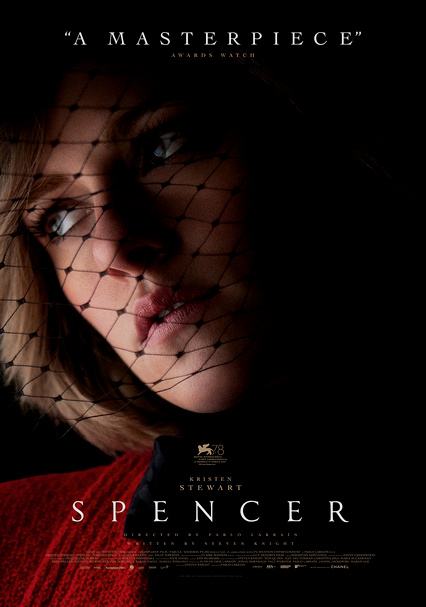
Spencer-2021

Spencer-2021

Director Pablo Larraín

Starring Kristen Stewart, Timothy Spall

Scott’s Review #1,193

Reviewed November 7, 2021

Grade: A

In the 2020s, there has been a sudden flurry of depictions of and attention given to Princess Diana, a tragic figure in British royalty who came to an untimely death in 1997.  The Netflix series The Crown and a documentary immediately come to mind.

While they offer tremendous offerings, they often stay on the mainstream or historic course.

But Director Pablo Larraín presents a daring and rather unpleasant portrayal of a miserable Christmas weekend the Princess spent with the royal family in 1991, a time when her marriage to Prince Charles had reached the point of no return.

Spencer (2021) is a brilliant art film focused on the troubled young woman’s dealings with her children, her eating disorder, her loneliness and despair, and, of course, relationships with the royal family.

Kristen Stewart delivers a career-defining performance as Diana and bravely puts on full naked display the shocking reality of the real-life figure’s innermost thoughts and demons.

Larraín prefaces the film with the sentence ‘a fable about a real-life tragedy’ or something to that effect.

The crumbling marriage of Princess Diana (Spencer) and Prince Charles (Jack Farthing) has sparked rumors of infidelity and an impending divorce. Still, peace is demanded during the Christmas festivities at the Queen’s Sandringham Estate.

The lavish spread of magnificent food, pheasant hunting, and family photos would be the dream of many. Still, Diana is counting down the minutes until she can escape the dreary experience.

Restless, Diana imagines her life without the royal family and yearns to escape her trapped life. She fantasizes, binges, and purges while spending time with her children, clinging to her friend and Royal Dresser, Maggie (Sally Hawkins), and befriending the kindly Equerry, Major Alistair Gregory (Timothy Spall).

He leaves a book about Anne Boleyn, the tragic wife of Henry VIII, which Diana becomes obsessed with.

My two biggest takeaways are Stewart’s performance and the musical score.

Stewart has long attempted to separate herself from her household name-making performances as Bella Swan in the Twilight Saga film series (2008-2012). Several supporting roles in independent features, such as Still Alice (2014) and Cafe Society (2016), followed, but with Spencer, she hits the jackpot.

Her vulnerability and insecurity infuse themselves into Diana with ferocity and power, to the extent that I became immersed in her mannerisms as much as in the words she spoke.

A long and painful dinner scene (my favorite scene) with no dialogue features a close-up of Stewart as she angrily glares at several members of the dinner party. Her disgust at both them and the life she now leads is apparent.

Stewart displays how much Diana desired to escape from her cage, where she felt as trapped as an animal would.

Jonny Greenwood crafts a haunting and powerful musical score. He is the lead guitarist of the alternative rock band Radiohead and has scored numerous film scores.

In the sequence listed above, he employs bombastic and eerie stringed instruments, accompanied by a powerful drum beat. Later, as Diana wanders the grand halls, he expresses her frustration with his music.

It’s an essential part of the film.

To lighten the mood, the 1986 hit song “All I Need Is A Miracle” by Mike and the Mechanics is played while Diana and her boys drive in their car on a sunny day, singing along.

Spall and Hawkins play vital supporting roles as Diana’s only true allies. Spall is quiet and reserved, but reveals a great deal through his facial expressions, as his sympathy for Diana is apparent. In a surprise twist, Hawkins’s Maggie admits both her sexuality and her love for Diana as the two grow even closer.

Diana was a powerful ally to the LGBTQ+ community during a time when few were, and the film serves as a poignant reminder of her open-mindedness and heart.

Spencer (2021) is not the crowdpleaser some, including myself, would have expected, and may even turn off some viewers with its depressing and embroiled cinematic fury.

However, it’s far superior to a popcorn feature, offering a more profound emotional experience and an exceptional psychological appeal that transports us into an imaginative state.

Oscar Nominations: Best Actress-Kristen Spencer

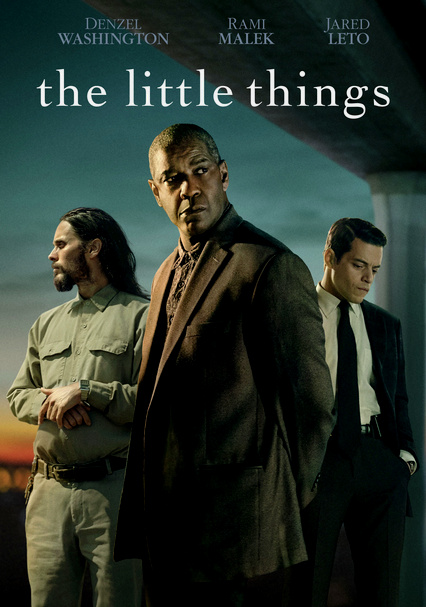
The Little Things-2021

The Little Things-2021

Director John Lee Hancock

Starring Denzel Washington, Rami Malek, Jared Leto

Scott’s Review #1,191

Reviewed November 5, 2021

Grade: B

The serial killer genre in film always fascinates me. Gems like Dirty Harry (1971), The Silence of the Lambs (1991), Seven (1995), and Zodiac (2007) immediately spring to mind as top-of-the-heap works.

John Lee Hancock, who directs The Little Things (2021), thinks so too, as he borrows from those pictures throughout his film.

The film features superior acting and a fantastic mood, complemented by practical musical score elements and absorbing cinematography of Los Angeles and its surrounding areas.

The script must have been compelling enough to attract heavyweights like Washington, Malek, and Jeto to join on board.

Despite these wins, The Little Things is lackluster and ultimately disappoints. I was ready to award it a solid B+ if not for the confusing and unsatisfying conclusion, which reminds me of a weak copy of those mentioned above, Seven.

Deputy Sheriff Joe “Deke” Deacon (Washington) joins forces with Sgt. Jim Baxter (Malek) to search for a serial killer who’s terrorizing Los Angeles. The blueprint is similar to a case that Deacon worked on and ended with a deadly mistake and his resulting heart attack.

As the pair track the suspected culprit, a loner named Albert Sparma (Leto), Baxter becomes aware of Deke’s inner demons and risks going down the same emotionally wrecked path.

A cat-and-mouse game ensues with Sparma continually toying with both Deke and Baxter.

The story is familiar territory and sets the stage for the rest of the film. How many times in film have we seen a detective tortured over a case? Despite Sparma being the only real suspect and presumed serial killer, we never do learn whether or not he did the deeds.

One girl who escaped the killers’ clutches may recognize Sparmas’ boots, but is dismissed after concluding that, since he is in police custody, he must be the killer.

The opening sequence is excellent despite using a direct rip-off of the scene in The Silence of the Lambs where the girl is cruising down an empty desert road at high speed, singing a rock song without a care in the world.

Thankfully, they had her crooning a different song, but the scene mirrors the other. She is pursued by a killer in another car. The scene is a terrific way to start.

The ensemble does good work with the characters they play. Leto gets the showiest role while Washington plays yet another police detective, a role he now can probably play in his sleep, but always does well.

Malek was cast based on the success of his Oscar-winning portrayal of Freddie Mercury in Bohemian Rhapsody (2018).

Leto received enough acclaim to earn a Screen Actors Guild Award nomination and a Golden Globe nomination. This prompted me, and undoubtedly others, to see The Little Things, which suffered at the box office due to the COVID-19 pandemic.

I didn’t buy the period of 1990-1991 for a second, regardless of how many shiny Chevy Impalas were used in the production. None of the characters looked like the time that it was supposed to be, though I admired the now old-fashioned diners and storefronts they used.

I don’t know much about Hancock, who both directs and writes The Little Things, but looking at his filmography, he has produced such works as The Blind Side (2009) and Saving Mr. Banks (2013).

Since both of these films are safer works, it’s unsurprising that much of the film resembles watching an episode of CSI.

Hancock could do with a dose of rawness over sleekness in his next film.

The Little Things (2021) pales in comparison to other, better-known genre films and will not be remembered well, despite making a valiant effort to play with the big boys.

Unfortunately, it’s a minor league experience that borrows too heavily from other films and therefore lacks a distinct identity.

I shudder to think of the result if not for the big stars who appear.

Halloween Kills-2021

Halloween Kills-2021

Director David Gordon Green

Starring Jamie Lee Curtis, Judy Greer, Anthony Michael Hall

Scott’s Review #1,190

Reviewed October 31, 2021

Grade: B+

The second installment in a planned trilogy of the iconic Halloween franchise, which began in 1978, Halloween Kills (2021) is a frightfully effective “middle sibling”.

Bridging the gap between Halloween (2018) and the highly anticipated Halloween Ends (2022), the film has enough gory kills and bloodletting to satisfy any horror fan.

The plot is furthered, and the groundwork is laid for the next installment.

The nods to history, with several actors reprise their characters from the original film, are an enormous treat for fans and a true pleasure to see. The writing regarding history is excellent, and it effectively weaves these characters into the story with newer ones. Jamie Lee Curtis, of course, stars as the terrorized Laurie Strode.

Picking up where Halloween-2018 left off on Halloween night (naturally), a wounded Laurie (Curtis) is whisked away to Haddonfield Hospital to recover while confident that she has finally killed her nemesis, Michael Meyers, by burning him to death.

She is joined by her daughter Karen (Judy Greer) and granddaughter Allyson (Andi Matichak) since the trio left the masked maniac caged and burning in Laurie’s basement. Or so they thought.

Spoiler alert- Michael is far from dead.

Continuing his ritual bloodbath held on Halloween night, Michael roams the quiet streets of Haddonfield. At the same time, the fed-up townspeople rise against their unstoppable monster and form a vigilante mob led by Tommy Doyle (Hall).

They continue to chant “Evil dies tonight” in anticipation of Michael’s demise.

Kyle Richards (Lindsey Wallace), Nancy Stephens (Nurse Marion Chambers), and Charles Cyphers (Sheriff Brackett) return to the action with prominent supporting roles.

Their additions are a significant win for me, and presumably, for any fan of the franchise. It’s on par with welcoming old friends back into one’s life with open arms after a long absence.

The fact that they provide a historical background is the icing on the cake. Brackett’s daughter, Annie, one of the first of Michael’s victims, is celebrated and shown via flashbacks.

Marion’s close friendship with Michael’s doctor, Sam Loomis (Donald Pleasence), is also mentioned. He is seen via computer-animated imagery when the events go back to 1978.

The decision by director/writer David Gordon Green, along with co-writers Scott Teems and Danny McBride, to frequently revisit the events of 1978 is uncompromising and relevant, reminding old fans of the story’s history and teaching novice fans how the dots connect.

It’s a brilliant decision.

The diversity offered in Halloween Kills is a breath of fresh air and progressive. An interracial couple, a same-sex couple, and a black couple are added with respect, dignity, and without stereotypes. They are everyone’s neighbors and an accurate representation of the community.

As residents of the cursed Meyers house, Big John and Little John are portrayed as tough and intelligent, avoiding the comic relief that often shadows gay characters.

A few death scenes are extended to show the victim’s pain and suffering instead of the usual quick and easy slice ’em and dice ’em style. This will make the squeamish a bit nervous, but that’s half the fun of horror films, right?

The typical throat-slashings and eye gouging are included, but many of the minor characters are likable, witty, and clever, and not written as complete morons.

In contrast to the original Halloween, the residents of Haddonfield now seem more blue-collar and red necks than upper-middle-class.  I chuckled when Laurie yelled “sheep” to the venomous residents who were chasing a man assumed to be Meyers (he wasn’t).

I surmised that maybe the filmmakers were sticking it to the dolts who blindly follow political leaders in a cultish way, devoid of thought.

Before anyone thinks that Halloween Kills (2021) is a work of art, it isn’t. There exists enough silly dialogue to make anyone snicker, but that’s what slasher films are all about. They are meant to be fun, and this Halloween installment doesn’t disappoint.

The film is sheer entertainment done well and makes me anticipate the next and “final” Halloween chapter. But, as long as the movie remains a hit at the box office, the killings will go on and on and on and on.

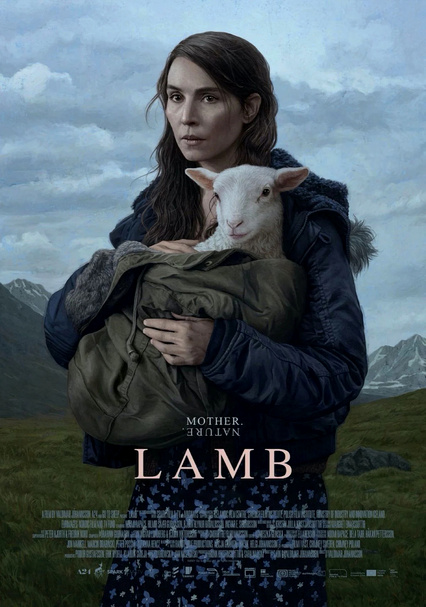
Lamb-2021

Lamb-2021

Director Valdimar Johannsson

Starring Noomi Rapace, Hilmir Snaer Guonason

Scott’s Review #1,187

Reviewed October 17, 2021

Grade: A-

Director Valdimar Jóhannsson’s feature-length film directorial debut is a mixed recipe of eeriness and gorgeous cinematography sprinkled with horror and dread.

The film is shot entirely in remote Iceland, giving it a texture that is ominous and haunting.

The creation, as described by Lamb (2021), is highly effective in evoking mood and dread, as the feeling that something awful will happen at any moment is unrelenting throughout most of the film.

During numerous sequences, I expected something to leap out from behind a door or suddenly peer through a window, but the film contains no gimmicks.

It doesn’t need them. The low-key musical score is terrific.

After an extremely slow build, the shit finally hits the fan, making the payoff well worth the wait.

On their remote farm, María (Rapace) and Ingvar (Guonason) share a peaceful and idyllic life raising sheep. They are deeply in love but miss having a child. After one of their sheep gives birth to a human/sheep hybrid, they are filled with love and decide to raise it as their own, naming her Ada.

The arrival of Ingvar’s troubled brother Pétur (Bjorn Hlynur Haraldsson) upends their calm family dynamic.

Providing an additional hurdle is the arrival of their “daughters'” sheep mother, who remains outside their house, crying for her newborn. She is determined not to let María and Ingvar steal her baby. Does María go too far in a fit of rage?

Jóhannsson, who also co-wrote the screenplay, fills the film with mystery. The first scene depicts a herd of horses terrified by an approaching force that arrives at María and Ingvar’s barn. Later, featured animals, such as a sheep, a cat, and a dog, seem spooked and alert.

What is this force, and what’s in store for the characters?

On the surface, a sheep/human hybrid runs the risk of feeling ridiculous, especially as Ada ages and is clad in bright sweaters and jackets. She cannot speak, but she can comprehend and is capable of feeling and experiencing emotions. She is quite human-like and filled with love.

As an audience member, I took to her and therefore rooted for her happiness.

I adore the characters of María and Ingvar. Preparing meals together, sipping wine, and playing cards, they take turns with the farmwork and make a superb romantic ideal. It’s never known if they once had a child who died or whether Ada is the first sheep/human hybrid they’ve ever seen.

They don’t seem completely surprised at the birth.

When they visit a grave marked with the name Ada, we wonder who the deceased is.

I shuddered upon the arrival of Pétur. A heap of trouble he mooches off of our happy couple and despises Ada, almost shooting her with a shotgun. Thankfully, he has enough sense not to hurt her, but the ever-present shotgun inevitably comes into play later on.

Rapace, Guonason, and Haroldsson provide exceptional acting, which goes a long way to ground a story that could easily be deemed as silly or superfluous.

Cinematographer Eli Arenson deserves major props for capturing gorgeous location shots in Iceland. Having visited this lush geographical paradise, I immediately appreciated what I was being offered and was taken aback by the sprawling farmlands and statuesque mountains.

Those who are squeamish about seeing an animal give birth may want to close their eyes during one scene, which undoubtedly is a real birth of a lamb. I found it beautiful.

The final fifteen minutes of Lamb are violent and daring. Mixed with an obvious nightmare is a sweetness and sincerity that dripped from the screen. The folktale presentation creates a fairytale comparison, and the fate of one character is shrouded in uncertainty.

For those wondering who or what Ada’s father is, Daddy does finally make an appearance.

Lots of questions abound after the credits roll, so might there be a sequel offered by Jóhannsson? Let’s hope so.

Lamb (2021) seamlessly blends the everyday reality of farm work and the daily life of an attractive couple with a horrific folklore story. I might have preferred a slightly faster pace, but by no means did I ever feel robbed of a proper payoff.

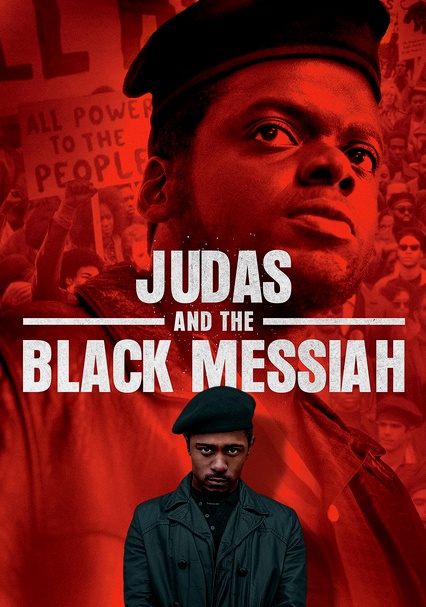
Judas and the Black Messiah-2021

Judas and the Black Messiah-2021

Director Shaka King

Starring Daniel Kaluuya, Lakeith Stanfield, Jesse Plemons

Scott’s Review #1,176

Reviewed September 9, 2021

Grade: B+

I wanted to love Judas and the Black Messiah (2021).

I still champion the importance of the story, however, and the timeliness of its release. The film has some moments of glory where a bombastic scene occurs that immediately reins the viewer back into the fold.

However, other parts drag and feel fragmented or otherwise confusing, to the point where the film sometimes bored me, and I hate admitting that.

I teetered back and forth between a B+ grade and a B grade, and, perhaps channeling my political side, I finally settled on a very generous B+ determination. Before I watched the film, I would have bet on an A or an A-. Alas, it was not to be.

That the film was made and exposed a mass audience to the trials and tribulations of the late 1960s Chicago racial tensions that helped create the Black Panthers organization is, of course, a huge win.

But I wanted more. Much more.

A major gripe is that the song from the film, winner of the Best Original Song Oscar, only appears over the end credits and has nothing to do with the film. Having a tacked-on feel, the song, performed by H.E.R. and others, is not particularly memorable either.

The title is “Fight for You”, possessing images of battle and courage, which fit the theme of the film, but the song itself is pretty lackluster.

The plotline is a challenge to follow, but goes something like this. The FBI recruits small-time Chicago thief Bill O’Neal (LaKeith Stanfield) to infiltrate the Illinois Black Panther Party and is tasked with keeping tabs on their charismatic leader, Chairman Fred Hampton (Daniel Kaluuya).

At first, O’Neal enjoys the danger of manipulating both his comrades and his FBI primary contact, Special Agent Roy Mitchell (Plemons). Hampton’s political power grows as he falls in love with fellow revolutionary Deborah Johnson (Dominique Fishback).

To complicate matters, she becomes pregnant.

Meanwhile, O’Neal becomes conflicted. Does he align with The Panthers and where his heart lies, or thwart Hampton’s efforts by any means necessary, as FBI Director J. Edgar Hoover (Martin Sheen) commands?

The acting is fantastic, and along with the message, it is the film’s best part. Justified controversy ensued over the placement of Kaluuya and Stanfield in the Supporting Actor category at the Oscars; both received nominations, and Kaluuya was the victor.

It’s evident to me that Stanfield is the lead character, so it’s a shame he wasn’t nominated for a Best Actor award.

With Chadwick Boseman positioned to be the clear winner for Ma Rainey’s Black Bottom (2020) and shockingly losing to Anthony Hopkins for The Father (2020), was the thought that another black actor in the category might ruin Boseman’s chances?

We’ll probably never know.

Kaluuya and Stanfield are both mesmerizing, and I look forward to their subsequent projects, especially Kaluuya, whom I fell in love with after his turn in Get Out (2017).

A heavily made-up Martin Sheen is a treat to see in a woefully too-small role as J. Edgar Hoover.

The rest of the film is pretty good. The climax is thrilling and almost bumped the movie up a grade for me. Without giving too much away, it involves a bloody shoot-out, a real-life interview, and highlight footage. I love the reality the latter provides.

But then I remembered the snail’s pace it took to get to this point and how the other good scenes paled in comparison with a plodding pace.

I adored the characters and fell in love with the sweet, though doomed, romance between Hampton and Deborah. I yearned for them to live happily ever after, even after my hunch told me this was not in the cards for them.

My hunch was correct.

The intent was to evoke outrage in the audience at the unfairness that people of color endured in the late 1960s.  I was angrier still at the realization that they are still being maltreated in the time of George Floyd and others.

Judas and the Black Messiah (2021) receives hands-down significant praise for its intent and acting, but disappoints in terms of delivery and final product. It is not equal to the sum of all its parts.

Oscar Nominations: 2 wins-Best Picture, Best Supporting Actor-Daniel Kaluuya (won), Lakeith Stanfield, Best Original Screenplay, Best Cinematography, Best Original Song-“Fight for You” (won)

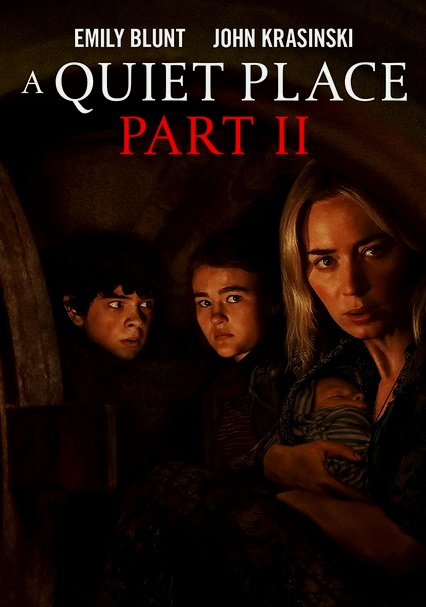
A Quiet Place Part II-2021

A Quiet Place Part II-2021

Director John Krasinski

Starring Emily Blunt, John Krasinski

Scott’s Review #1,170

Reviewed August 12, 2021

Grade: B+

A Quiet Place Part II (2021) makes excellent use of sound, almost a character in itself, by featuring a deaf character and aliens who are blind and rely solely on their acute sense of hearing to stalk and annihilate their prey.

The big sounds and the deafening silences keep the film fresh, capitalizing on its novel approach.

The film is both a sequel and a prequel, presumably allowing director, writer, and actor John Krasinski the chance to reprise his ill-fated character, offering a neat timeline to the events of the first film, A Quiet Place (2018).

Since that film was an enormous success, a sequel was green-lit by the studio almost immediately. It offered Krasinski a great deal of freedom, which he runs within this offering.

I can’t say the plot exactly comes together as tidily as I had hoped, and there is no explanation for the alien’s actions or motivations – what is it they want, and where do they come from?

The lack of explanation gnawed at me. After all, they must have been created from somewhere. The lack of motivation of a horror character like Michael Meyers is understandable, but aliens?

The film is raised quite a bit above average thanks to a thrilling and fascinating opening sequence. This lengthy scene was astonishing with differing character points of view, meticulous filmmaking, and frights galore.

Plus, the appearance of Lee (Krasinski, who was killed in the first film) immediately piques our intrigue.

I wish the rest of the film had remained as breathtaking, but it’s not bad either. As a northeasterner, I was treated to some of the action taking place on a dilapidated Metro-North railway train. Any commuter will appreciate this nod.

And who doesn’t enjoy numerous shots of Emily Blunt playing bad-ass with a loaded shotgun? The talented actress, wife of Krasinski, adds credibility to the horror genre.

I know someone who saw A Quiet Place Part II without having seen A Quiet Place and still enjoyed it, but I think it’s helpful to see the material to appreciate the first scene.

We begin on Day one, and the Abbott family-husband, wife, and three children-enjoys a little league game on a summer afternoon. When suddenly a cloud-like object plummets to Earth, all hell breaks loose, and the town is in a terrified flight as aliens destroy all in their path.

This plot point is interesting since viewers will know that two of the family members will not survive very long.

A year later, the Abbott family-Evelyn (Blunt), Regan (Millicent Simmonds), Marcus (Noah Jupe), and a newborn must leave their farm with a calculated plan to reach safety. They realize through a never-ending song played on the radio that there is a sanctuary on a nearby island.

Clever Regan, who is deaf, can combine a microphone with her cochlear implant to kill the aliens.

Young actress Simmonds is quite a find, and alongside Jupe, emerges as the star of the film. The teenagers spent a great deal of time on the run and battling the aliens. Setting events up for another sequel, Kransinki and Blunt may want less to do with follow-ups.

Deaf in real life, she is a standout and supports a female empowerment slant, especially given her own disability. She is a unique character because she is unconventional-looking and authentic, lacking the typical characteristics that attempt to get moviegoers into theaters. She is my favorite character.

Geography is an issue here. Presumed to be located in upstate New York and shot in western New York, possibly in the Utica area, the sanctuary is situated in Long Island Sound off the coast of Stamford, Connecticut.

This would require the Abbots to travel hundreds of miles, but the film makes it seem that both areas are neighboring. This mistake may not be noticed by most, but since I live in the area, it’s apparent.

A Quiet Place Part II feels reminiscent of the television series The Walking Dead. The additions of the family traversing the countryside, a sanctuary, and ravaging humans all support this comparison.

There are some predictable plot points to endure that prevent it from straying too far from the fray, but A Quiet Place Part II (2021) also offers a film about the senses that still feels unique.

By part III, this may become redundant, but John Krasinski proves he can make a compelling sequence with enough suspense to keep his viewers engaged.