Tag Archives: Dark Comedy

Bugonia-2025

Bugonia-2025

Director Yorgos Lanthimos

Starring Emma Stone, Jesse Plemons

Scott’s Review #1,499

Reviewed November 8, 2025

Grade: A

Going into the movie theater to see Bugonia (2025), I had the apt knowledge that off-center iconoclast Yorgos Lanthimos directed the film once again using his muse, superstar Emma Stone, in his latest project.

Responsible for the weird efforts like The Favourite (2018), Poor Things (2023), and a bizarre early effort, Dogtooth (2009), I knew I was in store for something off-kilter if not altogether unhinged.

My mouth salivated for something deranged, and I was not disappointed.

I hoped that nobody in the theater was expecting something similar to La La Land (2016), also starring Stone. No disrespect intended, since I adore that film, but a story about a chirpy aspiring actress conquering Hollywood is hardly a Lanthimos storyline.

The creative Greek director hits a home run with Bugonia while subsequently convincing Stone to shave her head and take on a bald role.

Like several other recently released films, Lanthimos critiques modern society and the decisions made by this generation of human beings. He challenges the audience to ask if people have simply fucked up the Earth.

Should we start over from the dinosaur era and try to get things right?

By the time the credits rolled and a few nervous chuckles had enveloped the audience, I knew that not everyone had grasped this Lanthimos film.

Sigh.

Without spoiling the film, a late-inning surprise catapulted Bugonia from very good to exceptional, leaving me pondering the conclusion and its ramifications for days.

The idea is based on the 2003 South Korean film ‘Save the Green Planet!’ by Jang Joon-hwan. Bugonia follows two young men, led by a spectacular performance by Jesse Plemons, who kidnap a powerful CEO (Stone), suspecting that she is secretly an alien intent on destroying Earth.

Ludicrous as it sounds, the plot begins to unravel as Plemons and Stone play kidnapper and kidnappee against the backdrop of a dilapidated suburban house, each trying to outsmart the other using reasoning and conspiracy theories to argue their case.

It becomes a game of chess.

Stone’s Michelle Fuller, the CEO of a major pharmaceutical company, who has a secret connection to Plemons’s Teddy Gatz, now a beekeeper, initially assumes Teddy is dimwitted and an easy target to outmaneuver.

Along with Teddy’s cousin, Don (Aidan Delbis), an intellectually disabled young man, they accost and keep Michelle bound and tied in their basement, encouraging her to confess to being an alien and taking them back to her planet at the upcoming lunar eclipse.

The audience goes along for the ride, wondering if the characters are who they seem to be and exactly how the wacky plot will play out.

Will Michelle ultimately escape? Will the more sympathetic Don come to Michelle’s rescue?

The plot thickens when flashbacks reveal a connection between Teddy’s mother, Sandy (Alicia Silverstone), and Michelle.

Is Teddy seeking revenge, or does he believe Michelle is an alien? Or both?

Stone can’t do enough with her large green eyes, only enhanced by her bald head, which Teddy and Don shave. Her shock at both being shaved bald and accused of being an alien elicits comical moments from the actor.

Her timing is perfect as she emits corporate jargon meant to placate and manipulate Teddy. She assumes she can talk her way out of her crisis by putting on her CEO hat, which is intended to intimidate him.

The fun part is that we don’t know whether to root for Michelle or root for Teddy.

Stone and Plemons play off each other so well, keeping the dialogue juicy and crisp, and entirely engaging the audience.

Bugonia (2025) offers up twisted twists and turns set against delicious cinematography and a couple of blood-spurting dark comedy moments.

A cringy torture scene and a suggested childhood molestation only add to the bizarre puzzle that Lanthimos creates.

Fans of the director will celebrate and champion the film for its uniqueness and dizzying thrill rides. Hopefully, he will continue to inspire young filmmakers to create unconventional and thought-provoking offerings.

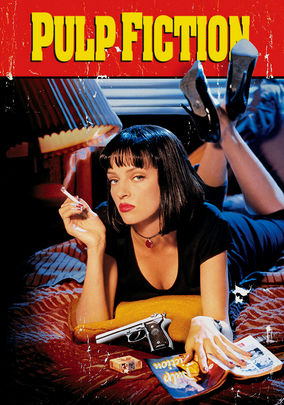
Pulp Fiction-1994

Pulp Fiction-1994

Director Quentin Tarantino

Starring John Travolta, Samuel L. Jackson, Uma Thurman

Top 250 Films #23

Scott’s Review #242

880640

Reviewed May 12, 2015

Grade: A

Pulp Fiction (1994) is one of the most influential films of the 1990s and single-handedly kicked the film industry in the ass. It led an entire generation of filmmakers, who were starved and determined to make more creative work after the largely dull decade of the 1980s.

The success of the film, both creatively and critically, helped ensure that edgier and more meaningful artistic expression would continue to occur.

The leader of the charge, of course, was director Quentin Tarantino.

With Pulp Fiction, a black comedy crime film, Tarantino mixes violence, witty dialogue, and a 1970’s cartoonish feel to achieve a filmmaking masterpiece.

The plot is non-linear, and the story contains three main focuses that intersect —a new style of filmmaking that has become commonplace in modern cinema, but at the time was a novel adventure.

Set in Los Angeles, Samuel L. Jackson and John Travolta portray hitmen named Jules and Vincent, who work for a powerful gangster, Marsellus Wallace, played by Ving Rhames. We get to know them as they interrogate four college-aged youths who double-crossed Marsellus, all the while discussing fast-food hamburgers and adventures in Europe.

On another front, Butch (Bruce Willis) is hired by Marsellus to lose a fight to another boxer. Later, Marcellus instructs Vincent to take his wife Mia (Uma Thurmon), a former unsuccessful television actress, out for dinner and a night on the town.

Finally, we meet Pumpkin and Honey Bunny (Tim Roth and Amanda Plumber), two small-town robbers plotting a heist at a local diner. As the film develops these plots relate to each other in unique ways.

The film is quite stylistic, resembling a 1970s film production in the way it looks, and the use of 1970s style sets- the diner, in particular, looks very of that time, and an automobile where a death occurs, is a 1970s, Chevy Nova.

The film, however, is set in present times.

The dialogue throughout Pulp Fiction is immensely impressive to me. Long dialogues occur between characters, usually sitting over a meal, discussing the meaning of life, religion, fast-food burgers, and other wonderfully real conversations.

I love the many food references- from Butch’s girlfriend salivating over an impending meal of blueberry pancakes to the French version of the Big Mac being discussed, to the price of a shake, these make the conversations between the characters rich and unique and oh so creative.

My favorite sequence is the one between Vincent and Mia, mostly taking place at a trendy 1950s-themed diner named Jack Rabbit Slim’s, where the staff dresses up in costume impersonating their favorite stars of the day, such as Marilyn Monroe.

After winning a dance contest (and a possible homage to Saturday Night Fever) the two go back to Mia’s place where she accidentally overdoses on heroin thought to be cocaine.

The song “Girl, You’ll Be a Woman Soon” by Neil Diamond, is both integral and haunting to the scene.

An intense and shocking scene of male gay rape is extremely violent and the hillbillies involved could be straight out of Deliverance from 1972 despite being in Los Angeles.

This scene is disturbing yet mesmerizing at the same time, and might I say even comedic in a dark way?

Pulp Fiction is not a mainstream affair and has its share of detractors and plain old non-fans, but for film-goers seeking a fun, entertaining, cleverly delicious work of art, influential to Hollywood and Independent filmmakers alike, Pulp Fiction (1994) is a film to watch over and over again and admire its style and creativity.

Oscar Nominations: 1 win-Best Picture, Best Director-Quentin Tarantino, Best Actor-John Travolta, Best Supporting Actor-Samuel L. Jackson, Best Supporting Actress-Uma Thurman, Best Screenplay Written Directly for the Screen (won), Best Film Editing

Independent Spirit Award Nominations: 4 wins-Best Feature (won), Best Director-Quentin Tarantino (won), Best Male Lead-Samuel L. Jackson (won), Best Supporting Male-Eric Stoltz, Best Screenplay (won)

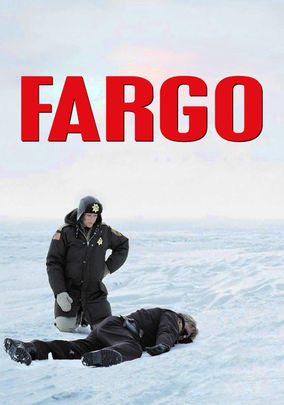
Fargo-1996

Fargo-1996

Director Joel Coen and Ethan Coen

Starring Frances McDormand, William H. Macy

Top 250 Films #66

Scott’s Review #366

493387

Reviewed January 9, 2016

Grade: A

Fargo (1996) is a treasure as far as I’m concerned, and the role that deservedly propelled Frances McDormand to the forefront of the film audience’s minds, not to mention a gold statue for Best Actress.

The film epitomizes dark humor and zany freshness during a time in cinema when originality was emerging and independent films were growing in popularity.

Fargo led the pack.

The film suffers from some derision by locals in and around the upper Midwest U.S.A. for its depiction of accents —perhaps overdone, but hysterical all the same.

Set against the snowy and icy locales, the film effectively conveys a harsh and small-town atmosphere.

The introduction of a crime, initially done innocently, escalates out of control.

Fargo is a part caper, part thriller, and part adventure, and is a layered, cool film.

The fact that the time is 1987 is excellent. The cars, the Oldsmobile dealership, all work particularly.

McDormand plays a local Police Chief- Marge Gunderson, very pregnant, who stumbles upon the crime and slowly unravels the mystery.

All the while, the character keeps her cool, cracks jokes, and emits witty one-liner after another, presenting a slightly dim-witted image, but brilliantly deducing the aspects of the crime.

William H. Macy, in 1996 largely unknown, is perfectly cast as a car salesman, Jerry Lundegaard. Nervous, and shaky, yet with down-home respectability, he hatches a plot to have his wife kidnapped, the ransom to be paid by her wealthy father, enabling Jerry to pay off an enormous embezzling debt, and splitting the money with the kidnappers.

Predictably, things go awry and spiral out of control.

I love how the film crosses genres and is tough to label- is it a crime drama, a thriller, or a comedy? A bit of each which is the brilliance of it.

Fargo (1996) is an odd, little piece of art, and is remembered as one of the best films of the 1990s, making a star out of Frances McDormand.

Oscar Nominations: 2 wins-Best Picture, Best Director-Joel Coen, Best Actress-Frances McDormand (won), Best Supporting Actor-William H. Macy, Best Screenplay Written Directly for the Screen (won), Best Cinematography, Best Film Editing

Independent Spirit Award Nominations: 6 wins-Best Feature (won), Best Director-Joel Coen (won), Best Male Lead-William H. Macy (won), Best Female Lead-Frances McDormand (won), Best Screenplay (won), Best Cinematography (won)

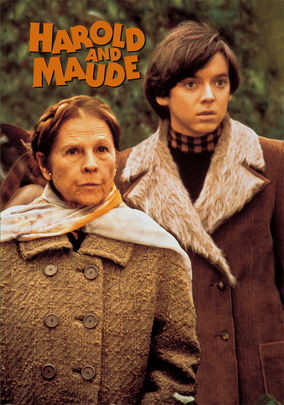
Harold and Maude-1971

Harold and Maude-1971

Director Hal Ashby

Starring Bud Cort, Ruth Gordon

Top 250 Films #70

Scott’s Review #208

60000591

Reviewed December 30, 2014

Grade: A

Harold and Maude (1971) is the bravest and most left-of-center film that I have ever had the pleasure of viewing. A subject matter so taboo that it had never before been explored in cinema and, to my knowledge, has not since.

The film challenges so many mainstream views of aging, sex, and relationships.

Ruth Gordon and Bud Cort give performances of a lifetime.

The film tells the story of an unhappy, wealthy teenager named Harold (Cort) whose mother- hilariously played by Vivian Pickles- is a cold socialite attempting to reform Harold of his rebellious adolescent behavior.

Harold frequently plays suicide pranks on her and the numerous females she tries to set him up with, reducing them to tearful exits from the family mansion in frightened hysterics.

Obsessed with attending funerals for fun, one day Harold meets Maude (Gordon), an elderly woman, at a funeral, and it turns out that both share the same fascination, but for vastly different reasons as the story shows.

They embark on a tender romance despite their age difference of over sixty years.

In many ways, Maude is the real adolescent of the film, which I love. It is a role reversal of sorts. On the cusp of age eighty, she has a pure zest for life, living each minute as if it was her last, unconcerned with the consequences of her actions- she is a true free spirit.

She gleefully steals cars that happen to be parked on the street and her erratic driving is comically brilliant.

Harold becomes the more responsible one despite being the tender age of only nineteen. He cares for Maude and her shocking revelation towards the end of the film floors Harold.

It will also shock the audience.

Harold and Maude deal with death but the film is not a downer. It is hilarious at times, brilliantly written, and Maude, a Nazi prison camp survivor, does not fear death- she has seen her share of it and almost embraces it.

Harold is just beginning his life and the contrast of the characters and their growing bond is what works best in this film.

The aforementioned Vivian Pickles knocks it out of the park with her portrayal of Harold’s mother- her comic wit and timing are excellent- she callously hosts a dinner party and boasts of her travels to France to the guests while Harold sits ignored, bored, and depressed, staring at his mother in disbelief.

He wants nothing to do with her or her trivial lifestyle. She makes an unimportant phone call while Harold dangles from the ceiling in a faux suicide attempt- clearly a cry for attention from his mother.

This is a total black comedy.

The implied intimacy between Harold and Maude was too much for many viewers in 1971. I find it sweet and quite tastefully done. They simply fall in love and it feels wonderful for both of them.

I would be remiss for not mentioning the wonderful, lively soundtrack by Cat Stevens.

Edgy, laugh out loud, unusual, and witty are words to describe Harold and Maude (1971)- one of the most intelligent comedies in film history.

Diary of a Mad Housewife-1970

Diary of a Mad Housewife-1970

Director Frank Perry

Starring Carrie Snodgress, Frank Langella

Top 250 Films #86

Scott’s Review #189

MPW-36461

Reviewed November 5, 2014

Grade: A

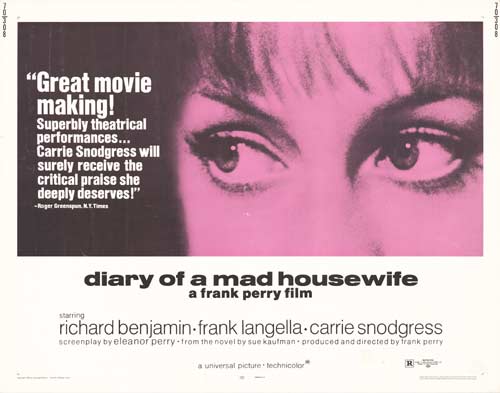
The film version of Diary of a Mad Housewife (1970), based on the best-selling novel by Sue Kaufman, is a tremendous, unique story of one woman’s frustration with her irritating life.

A superb Carrie Snodgrass stars as a haggard, insecure, yet affluent housewife named Tina Balser, living in New York City with an unpleasant family.

The family is led by Tina’s verbally abusive and neurotic husband, Jonathan- a successful attorney, played flawlessly and instead comedically by Richard Benjamin, and her two brattish daughters, Sylvie and Liz.

Bored, Tina decides to embark on an affair with crude artist George Prager, wonderfully played by Frank Langella. She teeters on the edge of an emotional breakdown throughout the film and trudges through life depressed and disappointed with all aspects of her life except for her affair with George.

George, however, is a womanizer and openly has other conquests besides Tina.

The film’s brilliant idea is to tell the story strictly from Tina’s point of view. All of the action centers on her character, which makes the film so enjoyable.

On the surface, one might argue she has everything- she is intelligent, well-educated, and affluent. A stay-at-home mother, she is treated like a servant by her husband, Jonathan, as he constantly berates her appearance and criticizes her activities- she is always doing something incorrectly.

The film, though, is not a downer. It is a dry, satirical comedy that reminds me very much of a Woody Allen film. Tina is depressed, yes, but she goes through life with a realistic, almost chin-up, outlook. Her marriage to Jonathan is loveless, yet why doesn’t she leave him?

Her affair with George is sexually satisfying, but she has no intention of pursuing anything further with him, nor does he want to. Tina dotes on her husband- planning dinner parties, sending Christmas cards, and various other wife duties.

I’m not sure that the film’s true intent is to show Tina as either a strictly sympathetic character or as completely downtrodden- the film is not a moral tale nor is it a schmaltzy, woman victimized and will rise against the world’s generic drama- it is witty and filled with black humor.

Despite her unkind husband, I found myself, in a way, envying Tina’s life, and I think the film expects that of the viewer. I never got the impression that Tina was suicidal in any way.

It’s not that type of film.

Instead, she has wealth, and she goes to fancy restaurants, but she also has a very needy husband- he does not abuse her in a physical sense, nor is she reduced to tears by his outbursts.

She gets annoyed, merely accepts that this is the way life is, and gets by with an occasional swig of alcohol while doing dishes or preparing dinner, or when the dog has “an accident” on the living room rug and Tina’s kids cannot wait to tattle on her.

She is a sophisticated woman, trapped in an unhappy yet financially secure relationship.

Diary of a Mad Housewife is an interesting character study for all women to view and perhaps even slyly wink at.  Many women would champion Tina. She is a likable, sarcastic, fabulous chick. Audiences will find themselves drawn to her and even falling in love with her before long- I know I did.

Without the talents of Carrie Snodgrass, who completely carries this film, it would not be the wonder that it is. An excellent satire, the film is not as wry or satirical as the novel, but how many films are?

The novel delves deeper into the role of the Balsers’ maid, who is barely mentioned in the film, yet she plays a larger role in the Kaufman novel.

I loved the portrayal of Jonathan by Richard Benjamin, who must receive some honor for the most annoying character ever in the film when he repeatedly screams for his wife by bellowing “teeeenaaaaa!”, or initiating sex by asking “Would you like a little roll in dee hay?”, one wants to choke him.

The way Tina’s daughters whine “mudder” instead of “mother” is comically brilliant. And her simmering hatred of all of them is dark hysteria.

Diary of a Mad Housewife is a genius and should not be forgotten.

Oscar Nominations: Best Actress-Carrie Snodgress

Clue-1985

Clue-1985

Director Jonathan Lynn

Starring Christopher Lloyd, Eileen Brennan, Madeline Kahn

Top 250 Films #133

Scott’s Review #341

60001070

Reviewed January 9, 2016

Grade: A

Clue is a harmless, 1985 comic yarn that is not a cinematic masterpiece, nor anything more than fluff.

But since I adored the classic board game growing up and reveled in the excitement of the different characters, rooms, and murder weapons, the film version holds a very special place in my heart and memory bank, having watched it time and time again as a youngster.

The plot is immediately filled with intrigue- a successful element and the best part of the film.

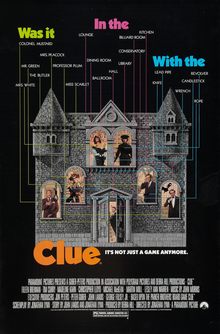
Six interesting characters- with provocative aliases such as Ms. Scarlet, Colonel Mustard, and Mrs. Peacock, are all summoned to a New England mansion named Hill House.

Naturally, it is a dark, stormy night and each receives a mysterious note written by a stranger.

Among the colorful characters working at the mansion are the plump cook, the scantily dressed maid, Yvette, and the butler, Wadsworth, who is running the show and greets the confused guests.

Slowly, it is revealed that all of the guests are being blackmailed and all of them either live or have ties to Washington D.C.

After each guest is given a weapon as a gift, the lights go out and a murder occurs, launching a fun whodunit. Each guest, and the staff, strive to figure out who has committed the murder, as subsequent murders begin to occur.

The comic hi-jinks are reminiscent of funny films like High Anxiety (1977)  and even Young Frankenstein (1974).

The atmospheric qualities featured in Clue are what I love most about the film- the vast mansion, the many gorgeously decorated rooms, the secret passageways, and the driving rain all make for a great ambiance.

Clue is clever in that it features three different endings!  Upon initial theatrical release, this was a unique premise- one could see the film multiple times and not know how it was to end or who the killer might be revealed to be.

Unfortunately, the film was not a commercial success so this ploy did not work.

The famed cast delivers their parts with comic gusto, and with lesser talents, the film would simply be dumb. It seems obvious that the cast had a good old time with this romp- Eileen Brennan, Christopher Lloyd, Lesley Ann Warren, and Madeline Khan, have a comic ball with their perfect delivery of the lines.

Clue is not a message movie, it does not inspire cinematic art, but what it does, it does incredibly well- it entertains.

The writing and the political and sexual innuendos are witty. One can become lost in the interesting characters and try to guess, or even make up, the whodunit and why they did it.

I can be entertained by Clue (1985) time and time again.

American Beauty-1999

American Beauty-1999

Director Sam Mendes

Starring Kevin Spacey, Annette Bening

Top 250 Films #136

Scott’s Review #70

60000407

Reviewed June 25, 2014

Grade: A

American Beauty is a film that holds up magnificently well and packs the same punch as it did when I originally saw it premiered in 1999.

The film won the Best Picture Oscar in 1999, surprisingly so, as it is not a mainstream film and is edgy, artistic, and poetic.

The film is a thought-provoking story of the American Dream gone wrong and how most people live ordinary, humdrum, on the surface, happy lives, but ultimately are unhappy, damaged, or otherwise unfulfilled.

It is a truthful film and reminds me quite a bit of The Ice Storm, a film from 1997.

American Beauty is not a downer but rather is witty, dark-humored, and filled with dry sarcasm.

Kevin Spacey is tremendous as the central character going through a mid-life crisis and Annette Bening is frighteningly good as his neurotic, controlling wife.

Their daughter, played by Thora Birch, has her teenage angst and falls in love with a neighborhood misfit. Every character, even small and supporting, is troubled in some way.

American Beauty (1999) is a film that was loved or hated at the time of its release; some did not get it or did not want to invest in the thought it requires, but, to me, it’s a work of art, which has achieved a timeless quality.

Oscar Nominations: 5 wins-Best Picture (won), Best Director-Sam Mendes (won), Best Actor-Kevin Spacey (won), Best Actress-Annette Bening, Best Screenplay Written Directly for the Screen (won), Best Original Score, Best Cinematography (won), Best Film Editing

All About Eve-1950

All About Eve-1950

Director Joe Mankiewicz

Starring Bette Davis, Anne Baxter

Top 250 Films #155

Scott’s Review #73

242142

Reviewed June 27, 2014

Grade: A

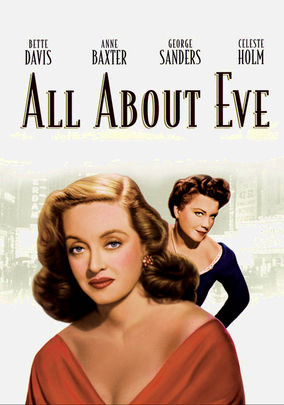
All About Eve is a cynical masterpiece from 1950 set in the competitive world of the New York theater.

Insecure Margo Channing, played to perfection by Bette Davis, is an aging actress whose career is declining. She meets naïve Eve Harrington, played by Anne Baxter, who insinuates herself into Margo’s life and career.

One interesting aspect of this film is the opening scene of Eve’s acceptance speech. The look of anger and disdain on the front table indicates what is to come.

The film backtracks from the first time the two women meet, and the story begins.

It is undoubtedly a dark film, and jealousy and back-stabbing are common themes throughout, as had never been done before, set in the world of theater.

One by one, each of Margo’s friends catches on to Eve’s plot, but at what cost?

This is Bette Davis’s comeback performance as a talented Broadway star, and she makes the most of the opportunity as she deliciously utters her famous revenge-minded line, “Fasten your seat belts. It’s going to be a bumpy night”.

Marilyn Monroe has a cameo role as a debutante in her first film role.

The film deservedly won the 1950 Best Picture Oscar.

Oscar Nominations: 7 wins-Best Motion Picture (won), Best Director-Joseph L. Mankiewicz (won), Best Actress-Anne Baxter, Bette Davis, Best Supporting Actor-George Sanders (won), Best Supporting Actress-Celeste Holm, Thelma Ritter, Best Screenplay (won), Best Scoring of a Dramatic or Comedy Picture, Best Sound Recording (won), Best Art Direction-Set Decoration, Black-and-White (won), Best Cinematography, Black-and-White, Best Costume Design, Black-and-White (won), Best Film Editing

Parasite-2019

Parasite-2019

Director Joon-ho Bong

Starring Song Kang-ho, Jang Hye-jin

Top 250 Films #157

Scott’s Review #963

Reviewed November 28, 2019

Grade: A

Parasite (2019) is a South Korean language film that has it all. The writing is powerful and thought-provoking, the direction is unique and intriguing, the acting is stellar, and the story is perfectly paced with dizzying twists and turns.

The film is uncomfortable and unsettling (in a good way), shifting from dark humor to horror by the time the shocking finale unfolds—an experience that will both dazzle and ravage the viewer with the emotions it instills.

The story centers on two families. The affluent Park residents live in the lap of luxury, enjoying the finer things in life, such as a lavish residence, a personal driver, and a live-in housekeeper.

Park Dong-ik is the CEO of an IT company; his beautiful wife, Park Yeong-gyo, stays at home with their two children, Park Da-hye and Park Da-Song. They are rich and, on the surface, somewhat spoiled and superficial.

The struggling Kims reside in a semi-basement that constantly floods, accept menial jobs to pay the bills, and are grifters.

Patriarch Kim Ki-taek and his wife, Kim Chung-sook, have two teenage children, Kim Ki-woo and Kim Ki-jeong. They are cagey and resourceful, devising schemes to generate money. Each is good-looking but struggles to find much success in life.

Kim Ki-woo’s friend tutors the Park family’s daughter and will soon travel abroad for further studies. He convinces Kim Ki-woo to interview for the position, who easily gets the job by charming the gullible Park Yeong-gyo.

He and the rest of the Kims devise an elaborate scheme to infiltrate the Park family by deceiving Mr. and Mrs. Park into dismissing their driver and housekeeper. The Parks are unaware that their new staff are related!

The underlying theme of Parasite is one of class distinction and social inequality. The tension builds more and more with each scene, and the monetary differences between the haves and have-nots are always on the surface.

Once the Kims get a taste of the good life, they have no intention of being satisfied merely as hired help- they want it all for themselves.

The fact that the Kims are clever and manipulative is no accident on the part of the director, Joon-ho Bong.

Conversely, the Parks are gullible and easily outsmarted by the Kims. Why are they rich, and the Kims poor? The audience wonders. Are we to root for the Kims to overtake the Parks? The Kims are no saints, as they resort to firing other people to get what they want.

Allegiances to characters will shift along the way.

As the Kims get comfy one night in the Park house, when the family goes on a weekend camping trip, the film takes off. Drunk and sparring with each other, the doorbell rings, and the haggard former housekeeper begs to be let in.

When she claims to have left something behind in the basement, this leads to a shocking secret and dramatic turn of events. I did not see the revelation coming, and events only catapult the film into something else.

The pacing and tension during this scene are outstanding.

It’s tough to rival this scene, but the film does just that with the gruesome and bloody birthday party sequence. The proverbial “sh## hits the fan” as the tensions among the characters come to life.

The scene results in several deaths, and the rage of a prominent character reaches a crescendo.

The scene is set on a gorgeous sunny day, perfect for birthday cake, balloons, and shiny wrapped presents. After a lovely start, the party becomes laden with blood, screams, and intensity.

Bong portrays the Kim patriarch as the most sympathetic character, and a montage at the end of the film reinforces this. The other characters are less benevolent and more complicated.

When Mrs. Kim shoves the family dog, she is unlikeable, but then she is kind to the former housekeeper.

Mrs. Park appears innocent at first, but then she becomes a shrew when she plans her son’s birthday party, expecting everyone to cater to her every whim. Finally, Mr. and Mrs. Park mock Mr. Kim behind his back and insinuate that poor people “smell funny”.

Do the Parks deserve their fates?

Parasite (2019) is a dark film characterized by clever writing and effective character development, taking audiences on a rollercoaster ride.

The subtitles do little to detract from the fantastic experience this film offers as Bong spins a spider web of deceit, desperation, and tragedy.

Viewers will undoubtedly be discussing this one for days to come.

Oscar Nominations: 4 wins-Best Picture (won), Best Director-Bong Joon-ho (won), Best Original Screenplay (won), Best International Feature Film (won), Best Production Design, Best Film Editing

Independent Spirit Award Nominations: 1 win-Best International Film (won)

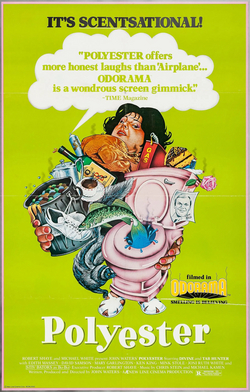
Pink Flamingos-1972

Pink Flamingos-1972

Director John Waters

Starring Divine, Edith Massey

Top 250 Films #165

Scott’s Review #359

70032618

Reviewed January 9, 2016

Grade: A

One of the true, and best, late-night gross-out films of all time, Pink Flamingos (1972) breaks down barriers I never thought possible to do in film and contains one of the most vomit-inducing scenes to ever grace the movies.

The film is certainly one of a kind and will only be appreciated by a certain type of film-goer. Pink Flamingos is raw, entertaining, and must be seen to be believed.

Outrageous in every way and shot documentary style, the film has weird close-ups and amateurish camera angles, only adding to the fun.

I love the film.

In what director John Waters famously dubbed the “Trash Trilogy”, along with similar films Desperate Living and Female Trouble, Pink Flamingos has the dubious honor of being the best of the three.

Waters stalwart, Divine, plays Babs Johnson, an underground criminal who lives a meager existence in a trailer along with her mentally challenged son Crackers, and her bizarre, egg-obsessed mother, Edie (Massey). They are joined by Babs’s companion, Cotton.

In an attempt to win the “Filthiest Person Alive” contest and usurp Babs from achieving this distinction. the Marbles (Mink Stole and David Lochary) set out to destroy her career.

Pink Flamingos is complete and utter over-the-top fare, but I have fallen in love with the film over the years.

Let’s just say it is a type of film that is an acquired taste, and one will eventually revel in the madness or be disgusted with its bad taste.

Waters, a truly creative,  breaks new ground in filthy behavior. On a budget of no more than $10,000, it is more than impressive how he pulled this off successfully.

The antics that Babs and the Marbles engage in are downright crude, but the extreme nature of the fun is exactly what is to love about the film. Hysterical is the character of Babs’s mother Edie.

Confined to a crib and constantly inquiring about the Egg Man, she is obsessed with eggs and wants to eat nothing else. She eventually marries the Egg Man. The character is entertaining beyond belief.

The Marbles run a clinic in which they sell stolen babies to lesbian couples for cash.  When they send Babs a box of human excrement and a card that says “fatso”, the war between the two sides is on.

The highlight of the film is the main sequence in which Babs holds a birthday party. A male contortionist flexes his anus in rhythm to the song “Surfin’ Bird”, which may be the only film featuring an anus.

How Waters got away with some of this stuff is mind-blowing.

The most disturbing scene occurs at the very end when Babs watches a dog do “its business” on the street and proceeds to pick up the excrement and eat it, revealing to the audience a toothy (and brown) smile.

Reportedly Divine did this act. As the film ends, Babs truly is “The Filthiest Person Alive”.

Thanks to the genius of John Waters and Divine and the superlative supporting cast, Pink Flamingos (1972) is a reminder that creativity and unique humor do not have to conform to a specific style or follow a road map.

Waters takes any film criteria and throws it right out the window, instead of creating a masterpiece in warped fun and disgust.

Female Trouble-1974

Female Trouble-1974

Director John Waters

Starring Divine

Top 250 Films #168

Scott’s Review #146

70032612

Reviewed August 4, 2014

Grade: A

Female Trouble (1974) is a deliciously naughty treat by famous Independent film legend, John Waters.

Not exactly family-friendly, it is a gem for those desiring more left-of-center fare with depravity and gross-out fun mixed in for good measure.

Water’s theme of the film is “crime is beauty” and the film is dedicated to Manson family member, Charles “Tex” Watson.

Meant for adult, late-night viewing, the film tells the story of female delinquent Dawn Davenport, who angrily leaves home one Christmas morning after not receiving her desired cha-cha heels as a Christmas present.

Her parents, religious freaks, disown her and she is left to fend for herself on the streets of Baltimore.

The film then tells of her life story of giving birth and subsequently falling into a life of crime in the 1960s.  Her friends Chicklet and Concetta are in tow as they work various jobs and embark on a career of theft.

Female Trouble stars Waters regulars Divine, Mink Stole, Edith Massey, Cookie Mueller, and others.

Interestingly, Divine plays a dual role- Dawn Davenport (in drag, of course) and also the father of her bratty child- Earl Peterson. Dawn and Earl have a less-than-romantic interlude on a dirty mattress on the side of the road when he picks her up hitchhiking, which results in the birth of Taffy.

Also featured is the hilarious feud between Dawn and her love interest’s (Gator) Aunt Ida, as the women engage in tactics such as acid throwing and chopping off of limbs as they constantly exact revenge on each other.

Favorite scenes include Dawn’s maniacal nightclub act in which she does her rendition of acrobatics and then begins firing a gun into the crowd. Another is of Dawn’s dinner party with Donald and Donna Dasher- serving a meal consisting of spaghetti and chips, Taffy’s tirade hilariously ruins the evening.

This film is not for the prudish, squeamish, or uptight crowd, but a ball for all open-minded, dirty fun-seekers. The film contains one over-the-top, hilarious scene after another.

The line “just cuz you got them big udders don’t make you somethin’ special” is a Waters classic.

Female Trouble is one of a series of outrageous, cult-classics featuring the legendary camp star, Divine.

Not meant to be overanalyzed or some might say, analyzed at all, Female Trouble (1974) is unabashedly trashy and makes no apologies for its outrageousness.

Reform School Girls-1986

Reform School Girls-1986

Director Tom DeSimone

Starring Linda Carol, Wendy O. Williams, Pat Ast

Top 250 Films #175

Scott’s Review #348

60037139

Reviewed January 9, 2016

Grade: A

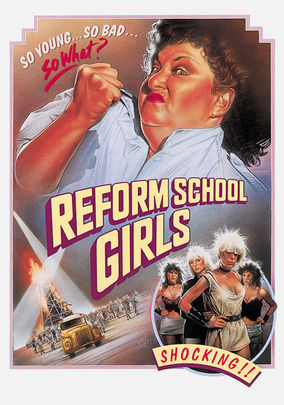
Let’s be honest here- Reform School Girls (1986) is neither a work of cinema art nor a particularly well-acted film.

From a critic’s perspective, it is riddled with stereotypes and objectifies women.

Still, it’s one of my favorite guilty pleasures and has an offbeat charm that makes me want to watch the film over and over again. I never tire of it. I also don’t think it should be reviled, but rather, revered.

There is a perverse magnificence to the film and some similarities to another cult gem- Russ Myers’s Faster Pussycat, Kill!… Kill! (1965)

Critics be damned- not every film needs to be high art!

One of my absolute favorite cult actresses, Pat Ast, famous for another cult gem, 1972’s Heat, stars in Reform School Girls as a vicious prison guard.

Alongside punk rocker turned actress, Wendy O. Williams, they make the film a guilty masterpiece as both women bring their share of odd energy and humor to the flick.

Sybil Danning co-stars as the corrupt Warden Sutter.

The plot of the film is pretty straightforward and it screams late-night fun.

A virginal teenage girl named Jenny is sent to a reform school run by the sinister warden and her sadistic and abusive henchwoman, Edna (Ast). While there, Jenny is intimidated by Charlie (Williams), who rules the roost via bullying and threats. Jenny is accompanied by several other terrified girls, who are stripped and degraded by Edna.

This leads to an attempted escape and protest scene by the girls and others as they try to remove themselves from their tormentors.

Reform School Girls is simply great fun.

The poor acting is actually a strength of the film as one scantily clad female after another prance around the reform school.

Wendy O. Williams regularly wears skimpy panties, bra, and heels, and is laughable playing a teenager since the actress was pushing forty years old.

The culmination of the film is fantastic as a chase ends up by an enormous tower on the grounds of the prison, resulting in the deaths of Charlie and Edna in a dramatic fashion.

Edna’s charred remains are met by an uproar of cheers by the inmates- I half expected them to burst into a chorus of “Ding Dong the Witch Is Dead”.

Reform School Girls (1986) is a perfect cult classic to enjoy on a late Saturday night.

The Player-1992

The Player-1992

Director Robert Altman

Starring Tim Robbins, Peter Gallagher

Top 250 Films #181

Scott’s Review #601

Reviewed January 11, 2017

Grade: A

The Player (1992) ranks up there with other Robert Altman classics such as Gosford Park (2001), Nashville (1975), and Short Cuts (1993).

The film is an excellent piece of Hollywood satire and centers around a jaded movie executive, played by Tim Robbins, who does an incredible job with his role.

Robbins plays Griffin Mill, a man with no scruples. Feeling usurped by a younger executive, played by Peter Gallagher, as well as receiving death threats, he goes on the hunt for the person he feels responsible for, which leads to murder.

The audience is unsure whether to love or hate Mill, thanks to Robbin’s performance. He is snarky, but also vulnerable and a tad sympathetic.

The film contains a slew of real Hollywood celebrities (Cher, Malcolm McDowell, Bruce Willis) playing themselves and is largely improvised (as many of Altman’s films are).

Whoopi Goldberg and Lyle Lovett star as odd police detectives.

The plot is nothing that hasn’t been done before, but it’s the realness and the direction that make this movie a must-see, especially for Robert Altman fans.

The Player (1992) is a hidden gem.

Oscar Nominations: Best Director-Robert Altman, Best Screenplay Based on Material Previously Produced or Published, Best Film Editing

Independent Spirit Award Nominations: 1 win-Best Feature (won)

Desperate Living-1977

Desperate Living-1977

Director John Waters

Starring Mink Stole, Liz Renay

Top 250 Films #225

Scott’s Review #534

60027260

Reviewed December 4, 2016

Grade: B

Desperate Living (1977) will not be everyone’s cup of tea. It is a raunchy, late-night comedy, similar to other John Waters-directed cult classics.

This one, however, suffers from the absence of Waters staple, Divine, who did not appear due to scheduling conflicts.

For this glaring omission, Desperate Living is not the greatest of the Waters films, but it is a fun experience all the same.

The film has choruses of political satire, specifically fascism, and overthrowing the government.

Mink Stole (Peggy Gravel) takes on the lead role as a crazed, mentally unhinged, neurotic woman on the lam with her maid, Grizelda, after they accidentally cause the death of Peggy’s husband.

Peggy has been in and out of mental hospitals and is clearly off her rocker as she yells at neighbors about communism.

After an encounter with a lewd police officer, the duo is banished to Mortville, a town filled with outcasts and social deviants. They align with others in the town to overthrow the tyrannical Queen Carlotta, played by Waters fixture Edith Massey.

Carlotta plots to spread rabies throughout the community and is at war with her daughter, Princess Coo Coo.

The issue with Desperate Living is the absence of Divine, originally set to play Mole McHenry, a self-loathing female wrestler, determined to receive a sex change operation.

One imagines the Divine in this important role, which was played by Susan Lowe, a capable star, but no Divine. With Divine in the part, the hilarious possibilities are endless.

Mink Stole carries the movie well, but traditionally being a supporting player in Waters’s films, is not quite the star the film needs to be a true success.

This is not to say that the film is a dud- it is entertaining and will please most Waters fans. It contains gross-out moments and vulgarity from the very first scene- as the opening credits roll, we see a roasted rat, daintily displayed on good china, on an eloquent dinner table, presumably to be served.

Later, Carlotta meets her fate by being roasted, pig style, on a spit with an apple in her mouth. Another character is executed by being shot in the anus. The offensive moments never end!

There also exists a quite controversial scene that I am surprised made the final cut. Peggy, already in a frazzled state due to a neighbor boy accidentally shooting out her bedroom window, is shocked to find another boy playing “doctor” with a little girl in her downstairs basement.

Both children are completely naked, leaving not much to the imagination. This scene is tough to watch as one wonders what the child actors thought of all of this.

I have never viewed another scene quite like this in film.

Otherwise, Desperate Living is filled with cartoon-like characters, lots of sexually deviant leather men, grizzled men with facial hair, and other odd-looking characters, making up the community of Mortville.

Water’s set creations for the exterior scenes of the town are great using mainly cardboard and rubbish he found throughout Baltimore where the film was shot, the sets show a bleak yet colorful underworld.

Desperate Living (1977) is a raunchy good time with over-the-top acting, trash-filled moments, and laugh-out-loud fun.

The lack of any Divine makes it not the first offering to watch from the Waters collection. Pink Flamingos (1972) and Female Trouble (1974) would take that honor.

Network-1976

Network-1976

Director Sidney Lumet

Starring Faye Dunaway, Peter Finch, William Holden

Top 250 Films #228

Scott’s Review #1,481

Reviewed May 13, 2025

Grade: A

A conceptual film laden with intelligence and satire, Network (1976) is innovative, not easily digestible, but satisfying nonetheless. It pairs well with films like All the President’s Men (1976) or Spotlight (2015), with a focus on media frenzy, ratings, and the frustrating search for the truth amid chaos.

Or, does the truth even matter? It’s a sobering question the film explores.

The film received nine Oscar nominations and won three of the four acting awards. Decades later, it holds up tremendously well and is a stark reminder of the power of television and public perception, for better or worse.

Brilliant acting, rich writing, and impressive editing make Network a timeless treasure for many generations, not to mention Lumet’s creative and sometimes shocking direction.

Over narration, we meet veteran news anchorman Howard Beale (Peter Finch). He learns from his friend and news division president, Max Schumacher (William Holden), that he has just two more weeks on the air with the UBS network because of declining ratings.

After threatening to shoot himself on live television, instead, he launches into an angry televised rant, which turns out to be a huge ratings boost for the network, and he is kept on for entertainment purposes.

But what happens when the public grows tired of his antics and craves even more outrageous programming?

Ambitious producer Diana Christensen (Faye Dunaway), obsessed with her career and ratings, takes actions to dangerous new levels.

The poignancy that immediately caught my attention was how little the bottom line has changed in almost fifty years of television since Network was released. One could argue that things have gotten worse where ratings will make or break a television broadcast.

Depressing still is the knowledge in 2025 politics where liars, cheats, and felons callously hold the highest offices and wield the most power, newscasts are currently created based on the truths their target audiences believe, regardless of the truth.

Lumet, well-known for creating the groundbreaking Dog Day Afternoon (1975) just a year earlier, uses split screens to show four perspectives and adds frightening gun-toting rebels who are angry and looking to make political statements.

But Diana needs them for a significant ratings share.

Lumet’s sequences teeter between long soliloquies in which characters reveal their deepest motivations and emotions and rapid-fire editing involving shootings and bank robberies.

I loved seeing the 1970s-style corporate offices with retro telephones, notepads, pens, pencils, stylish carpets, and colorful elevators. The glamorous and polished interiors perfectly reflect the gorgeous Manhattan skyline seen in numerous sequences.

The lavish restaurants and strong cocktails provide a luminous texture to the time.

The screenplay, written by Paddy Chayefsky, was based on the idea of a live death as his film’s terminating focal point, to say later in an interview, “Television will do anything for a rating… anything!”

The statement hit home in frigid reality.

Dunaway and Finch are clear favorites and provide the deepest character structures. Dunaway’s Diana is frigid and opportunistic, providing no vulnerability or sympathy from the audience. In a way, she is not a human being, lacking emotional depth.

I half expected her to tear her face off and reveal herself as a fembot.

Finch steals the show as the tired and depressed veteran who feels dismissed and forgotten. Even when he reveals his intent to commit suicide on live TV, the news crew tunes out his monotone voice as they do nightly.

Finally, Beatrice Straight brilliantly delivers an acting 101 tutorial as the aging housewife being cheated on by her philandering husband.

One miss is Robert DuVall in a one-note performance we’ve already seen him deliver.

Network (1976) is a top-notch film from my favorite decade in cinema. The 1970s produced many meaningful and introspective gems, and Network is one of them.

Oscar Nominations: 4 wins-Best Picture, Best Director- Sidney Lumet, Best Actor- Peter Finch (won), William Holden, Best Actress- Faye Dunaway (won), Best Supporting Actor- Ned Beatty, Best Supporting Actress- Beatrice Straight (won), Best Original Screenplay (won), Best Cinematography, Best Film Editing

Dr. Strangelove-1964

Dr. Strangelove-1964

Director Stanley Kubrick

Starring Peter Sellers, George C. Scott

Top 250 Films #242

Scott’s Review #958

Reviewed November 13, 2019

Grade: A

Dr. Strangelove, or How I Learned to Stop Worrying and Love the Bomb, more commonly known simply as Dr. Strangelove, is a 1964 political satire black comedy film that satirizes the Cold War and fears of a nuclear conflict between the Soviet Union and the United States.

The film, timely in the 1960s, is as relevant decades later amid the chaos during the 2016 United States Presidential election and the following tumultuous years.

The film is powerful, brave, and essential.

The story centers around an unhinged United States Air Force general (Sterling Hayden) who orders a first-strike nuclear attack on the Soviet Union.

The plot follows the President of the United States (Peter Sellers), the Joint Chiefs of Staff, and a Royal Air Force (RAF) officer as they try to recall the bombers to prevent a nuclear apocalypse.

The film also follows the crew of one B-52 bomber as they try to deliver their payload.

The Cuban Missile Crisis was fresh in viewers’ minds when this film was released, and President John F. Kennedy was recently assassinated. The United States and the Soviet Union were hardly best buddies.

The film was a robust offering because its political satire was fresh. The ironic controversy between the two leaders, nearly sixty years after the film was released, is unintentionally clever.

The acting is excellent. Peter Sellers plays three prominent roles. Each is quite different from the others. Group Captain Lionel Mandrake, a British RAF exchange officer, President Merkin Muffley (what a name!), the President of the United States, and Dr. Strangelove, the wheelchair-using nuclear war expert and former Nazi.

Each glistens with goodness as the actor chomps at the bit, making them precise and unique, careful never to stray too far overboard into ridiculousness.

Director Stanley Kubrick wisely chooses black-and-white cinematography with stellar results and prominent filmmaking techniques.

As creative and progressive as many 1960s films started to become as the decade blossomed, it feels like it could have been made in the 1940s.

Kubrick, well known for masterpieces such as The Shining (1980) and 2001: A Space Odyssey (1968), delivers perhaps the oddest film in his catalog with Dr. Strangelove.

The story does not feel dated, and the dialogue remains crisp and razor-sharp in its delivery and meaning. With fast dialogue delivery and a monotone vocal style, the film is entertaining and humorous. It does not take itself too seriously yet brings a poignant and vital idea to life.

The film keeps gnawing at the viewers that as far-fetched as events seem, the possibility they could become real is more than a bit scary.

Who can forget the final sequence of the looming nightmare of the mushroom clouds, set to Vera Lynn’s hopeful We’ll Meet Again?

Since the film has a 1940s cinema style, the rude awakening that the 1960s produced in nuclear weapons and insecurity hits home in this sequence.

Dr. Strangelove (1964) is pure satire but frightening in its realism and uncertainty about how one crazy leader could lead an entire nation to detrimental results.

The film highly influenced later satires and unique filmmaking styles—Wes Anderson’s creations immediately spring to mind.

One can wonder about the different possibilities offered—in a way, the situation’s absurdity and the unthinkable way it could quickly become a reality.

Oscar Nominations: Best Picture, Best Director-Stanley Kubrick, Best Actor-Peter Sellers, Best Screenplay Based on Material from Another Medium

Poor Things-2023

Poor Things-2023

Director Yorgos Lanthimos

Starring Emma Stone, Mark Ruffalo, Willem Dafoe

Top 250 Films #244

Scott’s Review #1,413

Reviewed December 27, 2023

Grade: A

Yorgos Lanthimos is a peculiar director and the suggestion is for potential viewers to be familiar with his work before seeing his latest film release, Poor Things (2023).

I’ve said recently that other directors like Alexander Payne, Todd Haynes, Quentin Tarantino, and Martin Scorcese can easily be added to this list with a style not for everyone but that Cinemaphiles will salivate for style and texture alone.

Anyone who has seen Lanthimos’s Dogtooth (2009) or The Lobster (2016) will know exactly what I mean.

With Poor Things, he hits a grand slam home run that might garner him some Academy Awards in what can be arguably classified as his most progressive film.

Mentions like the art direction, cinematography, set design, and fantastic performance by Emma Stone must be immediately celebrated and called out as highlights.

The film is hardly mainstream or conventional and way out there channeling a parallel to Frankenstein with frightening and gothic sets and sequences galore.

All with a twisted and refreshing feminist quality.

Ultimately, I was satisfied with the knowledge that I had witnessed a cinematic marvel that encourages repeated viewings.

During the nineteenth century in London, England, Bella Baxter (Stone), is a young woman brought back to life by the brilliant and unorthodox scientist Dr. Godwin Baxter (Willem Dafoe) who is referred to as ‘god’.

He inserts the tender brain of the baby she was carrying when she leaped from a bridge to her death suicide style.

Under Baxter’s protection and supervision, Bella is eager to learn but acts like a toddler with limited speech and motor skills. She teeters around smashing plates with gleeful joy as she discovers her surroundings.

With superior intelligence and a hunger for the worldliness she is lacking, Bella runs off with Duncan Wedderburn (Mark Ruffalo), a slick and horny lawyer, on a whirlwind adventure across the continents from Lisbon, Portugal to Paris, France, and back to London.

Free from the knowledge and the prejudices women of her time were forced to endure, Bella grows steadfast in her purpose to stand for equality and liberation. She challenges societal norms with her vision and determination.

I can’t think of anyone else to play the role of Bella other than Stone. With wide eyes filled with wonder, she infuses her character with comedy and wit as she asks questions many women have but never dare to utter aloud.

Especially in Victorian London.

Ruffalo is outrageous and Dafoe is hideously stoic. Both actors bring star quality and wacky performances in different ways.

The look of the film is to die for as Lanthimos offers a looming fairy tale set design led by cinematographer Robbie Ryan.

The European cities of Lisbon, Paris, and London are given their chapters in the film and their focus. The waterfront in Lisbon in particular resembles the real city in a gothic and foreboding way.

The hotel in Paris where Bella becomes a prostitute is regal and polished. Bella wonders aloud why the male customers get to decide which woman they want to spend time with instead of the reverse.

It’s a fair question.

Her friend and fellow prostitute introduces her to socialism while Madame Swiney (Kathryn Hunter) explains capitalism.

Finally, the musical score by Jerskin Fendrix offers shrieking classical strings mixed with haunting pizazz and perfectly timed arrangements. They promote tension and drama at just the right moments.

2023 was a fabulous year for women in cinematic terms but not so much by the United States Supreme Court but that’s another story. The bombast and box office enormity of Greta Gerwig’s Barbie is followed by Lanthimos’s celebration of the thought-provoking Poor Things.

Both elicit insightfully quirkiness that successfully bulldozes over traditional gender norms with messages that women can do whatever they set out to do which is a vital quality for young minds to be exposed to.

Oscar Nominations: 4 wins-Best Picture, Best Director-Yorgos Lanthimos, Best Actress-Emma Stone (won), Best Supporting Actor-Mark Ruffalo, Best Adapted Screenplay, Best Film Editing, Best Cinematography, Best Costume Design (won), Best Production Design (won), Best Original Score, Best Makeup and Hairstyling (won)

Butt Boy-2020

Butt Boy-2020

Director Tyler Cornack

Starring Tyler Cornack, Tyler Rice

Scott’s Review #1,483

Reviewed June 28, 2025

Grade: B+

Despite the title, Butt Boy (2020) is not a film intended for adult entertainment during a seedy escapade to a cheap motel.

It’s better than that.

It’s a wacky, darkly humorous comedy played straight, without relying on easy gags.

With an experimental feel and co-written, directed by, and starring newcomer Tyler Cornack, it conveys a sense of creative freedom and an expressive nature.

To its resounding credit, Butt Boy is an independent film and hardly a studio production, where it undoubtedly would have been made more mainstream if not for the titillating title.

The film is a spinoff from a Tiny Cinema comedy sketch.

I am surprised I am awarding it a ‘B+’ rating because early on I wasn’t as enamored with it as I was when the credits rolled and I was able to ‘digest it’, pun intended.

The story doesn’t make complete sense, and has a fantasy edge where it’s not always clear what is happening or why.

Chip Gutchell (Cornack) is an IT specialist and married father trapped in a loveless marriage with his wife, Anne (Shelby Dash), who may be cheating on him.

He develops a compulsive behavior after a routine rectal exam, where anything he inserts into his anus provides intense pleasure and then mysteriously disappears. This fetish consists of objects, animals, and people.

Detective Fox (Tyler Rice) loves work and alcohol. After going to AA, his sponsor, Chip, becomes the main suspect in his investigation of a missing kid.

Fox also starts to believe that people are disappearing up Chip’s butt.

The audience immediately relates to Chip. He works in a sterile office with colleagues who engage in enthusiastic work chants to celebrate successes. He counts the minutes until the work day ends.

His home life is no better with a distant wife who chats on the phone and goes out with the girls. It’s revealed that Chip got her pregnant, causing them to forge a life of doldrums.

The story goes off course after Chip discovers the pleasures of anal stimulation. He kidnaps a baby, a young kid, and his dog to shove them up his butt where they are trapped inside his intestines.

Why he needs the stimulation to be a living being instead of an object is never revealed.

Bizarre sequences of Chip farting and inevitably having an explosion of diarrhea thus making his victims escape his anus covered in fecal material make no sense.

Nonetheless, I slowly became absorbed by Butt Boy mostly because it’s an idea in cinema that has never been done before. The film’s tone is awe-inspiring in its serious nature, opting not to rely on cheap laughs or easy comic points.

Deeper subjects like compulsion, addiction, and career emptiness are easy to correlate to the central premise.

I found myself intrigued by the character of Detective Russell Fox as well. Rice seems like a good actor and a poor man’s Christian Bale, with his slicked-back hair.

A revelation later in the film about Fox connects the dots better regarding his story and character motivations.

Butt Boy was recommended by John Waters, a left-of-center film director most known for gross-out indies like Pink Flamingos (1972) and Female Trouble (1974). I trust his warped appreciation for film implicitly.

The mood is comparable to that of other film gems, such as Under the Skin (2013) and Nightbitch (2024). The finale is reminiscent of The Substance (2024) in its absurdity even though Butt Boy was made several years prior.

I’m curious about Cornack and whether Butt Boy (2020) is a one-off novelty idea or if there’s more to come from his distinguished creative mind.

Time will tell.

Nightbitch-2024

Nightbitch-2024

Director Marielle Heller

Starring Amy Adams, Scoot McNairy

Scott’s Review #1,479

Reviewed May 5, 2025

Grade: B+

A bizarre premise becomes a quality message as Amy Adams plays depressed and frumpy in Nitchbitch (2024), immersing the audience in her life and conflicting emotions about career and motherhood.

In 2024, the film jumped out of the gate with Oscar buzz but quickly and peculiarly fell by year’s end. It needed to be content with mere Golden Globe and Independent Spirit Award nominations.

Billed as a dark comedy/horror based on Rachel Yoder’s 2021 novel, it was undoubtedly too weird for many.

I didn’t recognize it as quite a horror film, but I appreciated the satirical and corny nature of the underlying message.

The standout is Adams, with Heller’s intelligent and witty script in second place.

Mother (Adams) is a woman who pauses her successful art career to be a stay-at-home mom seeking a new chapter in her life and encounters just that when her maternal routine takes a surreal turn.

Continually frustrated with stay-at-home life and the redundant story hour, she fantasizes about letting loose and speaking her mind. One day, she grows fur and a tail and experiences increased hearing. She also connects with wild dogs and other wildlife, causing her to believe she is turning into a dog.

When she begins to bark in public and eat without silverware, she begins to worry. But, is it all in her mind?

Adams, a legendary and terrific actor, goes full throttle in Nightbitch, appearing sans makeup, haggard, and plump. This is necessary for the role and, helped by close-ups, successfully makes the audience feel how exhausted and angry she is.

She never takes it out on her child, but her husband (Scoot McNairy) must tolerate her outbursts of frustration despite being well-intentioned. She tolerates three female acquaintances (also mothers) but desires something more stimulating.

Marielle Heller, who directs and writes the screenplay, challenges the norms of women expecting to have children and smiles while surviving two hours of sleep per night.

Sometimes, women with newborns or toddlers hate their lives and the world, and Heller/Adams proves this is okay.

When Mother finally gets a night out with her art colleagues she is aghast at their calousness having suddenly never realized what assholes they are.

She gleefully snarls and goes all rabid dog before realizing she has manners to follow. Still, the most fun is her fantasies.

Scoot McNairy is perfect as a husband, lovingly playing second fiddle to Adams. His character, blatantly named ‘husband’, tries to help but is usurped by his career and subconscious expectations that the mother does most of the childcare.

Sadly, most of the world still seems to agree.

Mother’s friends are comical but slightly one-note. They teeter between shock at Mother’s honesty and opening their eyes to what awaits them.

Conventionally, Nightbitch (2024) is an excellent watch for a mother/daughter outing for the progressive, thought-provoking crowd, though it’s not a mainstream film.

For others, it reflects societal norms, fantasies, and a metaphor of sacrificing one’s happiness for another.

While some may find it silly, the film dares to tell a unique story rarely told before. I didn’t take the plot literally and think Mother was turning into a dog.

I loved the satire, the one-two punch of Mother telling it like it is, and Adams looking deliciously homely.

Independent Spirit Award Nominations: Best Lead Performance, Amy Adams, Best Editing

The Monkey-2025

The Monkey-2025

Director Oz Perkins

Starring Theo James, Christian Convery

Scott’s Review #1,471

Reviewed March 14, 2025

Grade: B

The Monkey (2025) is a macabre horror/comedy film based on a 1980 Stephen King short story.

The film is directed by Oz Perkins, son of legendary actor Anthony Perkins, forever famous for portraying Norman Bates in Alfred Hitchcock’s Psycho (1960).

He also wrote the screenplay proving that horror runs in his Hollywood royalty tinged blood.

Partnering with James Wan, who co-created the lethal Saw (2004-present) franchise, which The Monkey mostly resembles, adds experience and credibility to the project.

Deadly set pieces and dangling machinery just waiting to slice and dice willing victims to bits make the film a fun experience.

When twin brothers (Christian Convery/Theo James) find a mysterious wind-up monkey, a series of outrageous deaths tear their family apart, leaving them to live with their kooky aunt and uncle and ultimately estranged.

Twenty-five years later, after lying dormant, the devious monkey begins a new killing spree, forcing the siblings to reunite and confront the cursed toy.

For horror fans, the best part of The Monkey is the gruesome death scenes. Wan, well versed in eye gouging, decapitations, and torn limbs, must have inspired Perkins during the final cut.

Wonderfully wicked kills include a gorgeous bikini-clad female pool goer blown to bits, a busload of cheery cheerleaders decapitated, a shop owner disemboweled with a harpoon gun, a bowling ball decapitating another victim, and an unlikable victim being killed by a swarm of wasps.

The uproarious deaths are applaud-worthy because most of the victims are annoying or unsympathetic in some way. The audience delights in witnessing their endings in such gory fashion.

As the adult Hal/Bill Shelburn, Theo James carries the film as the charismatic, bookworm, Hal and the egotistical Bill. James, ridiculously handsome, looks even more adorable in glasses and shy awkwardness.

Hal attempts to reconnect with his son, Petey (Colin O’Brien), with whom he only spends one week per year. Rather than being an absent father, he strives to protect him from the terrible monkey.

Many supporting characters are played over the top and wacky, making the film a goofy horror/comedy. Elijah Wood appears as Ted Hammerman, Hal’s ex-wife’s new husband, while Adam Scott plays Hal’s and Bill’s absent father, with whom the monkey originated after a trip abroad.

As gory delicious as the blood and guts are, the story isn’t much of a highlight. The brother Bill is written as so much of an asshole that one wonders why Hal is so tolerant towards him.

The ending is predictable, and there is not much closure with the monkey. A half-assed explanation of whomever turns the key in the monkey’s back is immune from being killed or some such explanation didn’t wow me.

The film could be a Twilight Zone or horror series episode over a full-length production, running out of gas towards the end.

Oz Perkins is a rising director who creates a cruelly delightful film that feels like an independent production. Choosing to propel viewers into a gore fest over a scary film, The Monkey (2025) is a modest success.

Gremlins-1984

Gremlins-1984

Director Joe Dante

Starring Zach Galligan, Phoebe Cates

Scott’s Review #1,443

Reviewed September 28, 2024

Grade: B+

A mishmash of film genres like black comedy, horror, and Christmas, Gremlins (1984) is one of the films responsible for the new Motion Picture Association of America (MPAA) rating of PG-13 introduced in the mid-1980s.

Too soft for an adult R rating but too scary for a PG rating many films fit better in the PG-13 category.

The film features a cute E.T. the Extra-terrestrial (1982) reminiscent creature named Gizmo. Since Steven Spielberg’s executive produced Gremlins, there are comparisons to the successful mega box office film.

But Gremlins is darker than E.T. especially when the spawn of Gizmo emerges in a fierce, aggressive manner and one dons a mohawk-style haircut. Many of the gremlins die and a few humans are killed by the gremlins giving it a scarier vibe.

This is thanks to director, Joe Dante, who gives the film a 1950s B movie style that offers a dark campy style.

A gadget salesman, Randall Peltzer (Hoyt Axton) is looking for a special Christmas gift for his son Billy (Zach Galligan) and finds one at a store in Chinatown. The shopkeeper is reluctant to sell him the “mogwai” but does and warns him never to expose him to bright light, or water, or feed him after midnight.

Naturally, when Randall returns to his home in the United States all of this happens and the result is a gang of gremlins that decide to tear up the town on Christmas Eve.

There are a couple of ways to view this film. The ‘message’ is a statement of the consumer culture running rampant in the 1980s. Wanting everything but not appreciating things is stated during the final scene.

The Chinese shopkeeper repossesses the “mogwai”, scolds the family for their negligence, and criticizes Western society for its carelessness with nature.

In a touching scene, Gizmo, having bonded with Billy, bids him goodbye. The touched shopkeeper concedes that Billy may be ready one day and, until then, Gizmo will be waiting.

Anyone with a pet will get a teary eye or two.

One can also view Gremlins as an entertaining popcorn flick with superior special effects and a fun story. The visual effects and the art direction are worth a pause for. Impressive are the sequences in the town where the stores and homes are perfectly dressed for the holidays.

The Christmas lights, trees, snow, and other trimmings provide feelings of warmth and spirit.

Galligan and Phoebe Cates who plays his love interest, Kate, have wonderful chemistry as a teen romance blossoms. This makes the audience more invested in their peril as they try to save the townspeople from doom.

Axton and Frances Mee McCain who plays Billy’s mother, Lynn, also are rootable. They are believable as a lovely suburban couple who have a wacky side.

Corey Feldman and Judge Reinhold appear in small roles as a friend and Billy’s obnoxious boss, respectively. Neither role is developed or necessary but familiar faces are always nice to see in cinema.

Polly Holliday nearly steals the show as the dog-hating Ruby Deagle. In a clear nod to Mrs. Gulch in The Wizard of Oz (1939) she sneers and snickers in an ill-fated attempt to have Billy’s dog destroyed.

Delightfully, she gets a death scene where the gremlins terrorize her to death when her stair chair goes wonky and throws her out a window. Holliday is a hoot and must have had a ball playing the villain.

Other stock characters like the disbelieving police force are cliched and only serve to hinder the actions of the main characters.

Gremlins (1984) is a darling film that holds up well. It’s mischievous without going full horror and can be enjoyed by the entire family on Christmas Eve. The quirky comedy elements and cool visuals make the film fun and impressive.

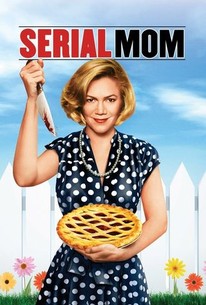
Serial Mom-1994

Serial Mom-1994

Director John Waters

Starring Kathleen Turner, Sam Waterston, Ricki Lake

Scott’s Review #1,432

Reviewed July 8, 2024

Grade: A-

Serial Mom (1994) is led by an uproarious performance by Kathleen Turner, in the 1990s still in her cinematic heyday, the latter-day John Waters comedy fires on all cylinders. She wickedly goes full steam ahead in a pulsating performance deliciously deserving of an Oscar nomination.

The film is directed by Waters, known for perverse and gross-out fare like Pink Flamingos (1972) and Female Trouble (1975) so any chance for an Academy Award is laughable.

Though, Serial Mom is much safer than those films choosing slick 1990s mainstream camerawork over raw shots of dogshit on the sidewalk.

Still, Turner hits it out of the park playing a ‘June Cleaver’ character with a murderous dark side.

Beverly Sutphin (Turner) appears to be an unassuming upper-middle-class housewife living with her dentist husband Eugene (Sam Waterston) and their teenage children, Misty (Ricki Lake) and Chip (Matthew Lillard), in suburban Maryland.

She is secretly a serial killer who kills people over trivial slights or offenses like insulting her son or blowing off her daughter. The dastardly mom uses creative weapons like her station wagon and a fire poker to kill her prey.

Serial Mom is strictly for ravenous fans of Waters and I’m not sure it will win any new fans over. But I’ll stress how much of a mainstream affair it is compared to his more dangerous 1970s films.

It pairs well in look and feel with Hairspray from 1988 and both films star Ricki Lake.

Some have referred to it as a slasher film but that would steer it in the horror vein or knife-wielding maniac territory. Beverly isn’t Freddie, Jason, or Michael Meyers. She is fun and does as much damage with a sneer or a smirk as with a weapon.

Beverly is also the type of woman you’d like to be friends with but are terrified of crossing. After all, she kills in the defense of her kids so she’s a good mother with a wicked sense of humor.

When she delights in crank-calling her neighbor Dottie Hinkle (deliciously played by Waters’s regular Mink Stole) to get a rise out of her, we cheer her on.

Later, when charged and sent to trial for her dirty deeds, she fires her attorney and takes over her case amid rabid fan response. Beverly becomes a local hero.

She’s a cinema villain to remember.

Waters is great because he finds the perfect balance of camp and wit to make a smart film not merely a slapstick one. Many cinema comedies don’t work because the laughs feel canned instead of fresh.

The writing and the cast make Serial Mom a winner.

The ridiculous antics and situations Beverly gets involved in make the audience want to know what she does next. Who doesn’t love a well-to-do character who turns sinister? It’s fun to watch a rich suburban town turn into a shit show of high entertainment.

Besides Stole, my favorite supporting actors are Mary Jo Catlett and Matthew Lillard. Catlett has brilliant comic timing as a neighbor, Rosemary, while Lillard was on the cusp of becoming a horror/comedy star with 1996’s Scream.

Regarding cameos, I could have done without the Suzanne Somers cameo playing herself which didn’t land all that funny but Patty Hearst as juror #8 is a winner.

The ‘white shoes after Labor Day’ sequence is hysterical.

Serial Mom (1994) is a cult classic for the ages and on par with most of John Waters earlier, classic raunchy comedies.

American Fiction-2023

American Fiction-2023

Director Cord Jefferson

Starring Jeffrey Wright, Issa Rae, Sterling K. Brown

Scott’s Review #1,421

Reviewed February 11, 2024

Grade: A

American Fiction (2023) is an intelligently written expose of black culture and a poignant family drama mixed as one. Cord Jefferson makes his feature directorial debut with the satirical comedy-drama which he also wrote.

The film explores how perceptions of black people, mostly by white people but even amongst themselves, are categorized into neat little boxes.

Usually, the negative stereotypes are assumptions of bad grammar, poverty, and hardships in ghetto situations.

While some may be sympathetic these beliefs are either conscious or subconscious and they are propelled by the media. In the case of the film, through literary works.

Are white people intimidated by intelligent black people, the film questions. How do the intelligent black people feel about themselves?

American Fiction is a witty, smart, funny, and poignant film that will make you laugh as often as it makes you think about the perspectives offered.

Jefferson brilliantly offers up both an education and powerfully drawn black characters. In the middle is a sentimental family storyline that had me enraptured by almost all the characters.

The writer/director bases his film on the 2001 novel Erasure by Percival Everett. Thelonious “Monk” Ellison (Jeffrey Wright) is a highly intelligent African-American upper-class writer and professor living in Los Angeles.

He is a frustrated novelist-professor who doesn’t make much money or sales from his serious works.

Needing money after moving back to Massachusets on a leave of absence, he decides to write an outlandish satire of stereotypical “black” books, only for it to succeed by mistakenly thought of as serious literature and published to both high sales and critical praise.

He struggles with keeping his alter ego a secret while questioning the lack of intelligence with people assumed to be the liberal elite and the general public.

Wright is great and leads the charge of a dynamic cast. He makes his characters believable and their motivations clear while still showing Monk’s conflict. Monk has lived a privileged life with education, social status, and success.

His experience as a black man is different than other black men and he is smart enough to know this while still wrestling with his feelings.

Wright is dynamic at showing many emotions.

To make the film even better, the supporting characters are delightful with their own stories, making me fall in love with them. Special call-outs are for Sterling K. Brown and Erika Alexander who plays Monk’s brother and girlfriend, respectively.

Brown as Cliff is a successful surgeon but lives a conflicted life as a newly ‘out’ middle-aged gay man. He dabbles in drugs and promiscuous behavior but all he wants is approval by his family.

Alexander is a successful public defender and neighbor of the Ellison’s going through a divorce. She relates to Monk while challenging him on his bullshit and is a richly carved character.

Also, Leslie Uggams Monk’s mother suffering from Alzheimer’s disease, Ellison’s housekeeper Lorraine (Myra Lucretia Taylor), and Issa Rae as Sintara Golden are weaved into the canvas seamlessly and with purpose.

The film’s ending left me scratching my head and caught me off guard. While clever, it made me wonder if what I had just seen was reality or fantasy. Providing three different endings as adapted film options it’s tough to know which if any actually happened but maybe that’s the point.

I left the movie theater having laughed out loud, thought, and been entertained.

American Fiction (2023) made me feel like I had seen something relevant that would help me understand people better and give me insight into what other people feel.

Oscar Nominations: 1 win-Best Picture, Best Actor-Jeffrey Wright, Best Supporting Actor-Sterling K. Brown, Best Adapted Screenplay (won), Best Original Score

Independent Spirit Awards Nominations: 2 wins-Best Film, Best Lead Performance-Jeffrey Wright (won), Best Supporting Performance-Erika Alexander Sterling K. Brown, Best Screenplay (won)

Saltburn-2023

Saltburn-2023

Director Emerald Fennell

Starring Barry Keoghan, Jacob Elordi, Rosamund Pike

Scott’s Review #1,417

Reviewed January 19, 2024

Grade: A

Emerald Fennell, as a director (she also acts) is someone to keep a close eye on.  With only her second film, Saltburn (2023), she has quickly drawn comparisons to Darren Aronofsky and Yorgos Lanthimos by creating wickedly daring comedies rife with sharp dialogue and peculiar tastes.

Okay, I’m drawing those comparisons on my own.

The point is that she creates films that are not necessarily for mainstream audiences but will satisfy the peculiar cravings of those seeking left-of-center and hard-to-predict films.

She also wrote the screenplay.

Those wary of hard-to-digest scenes involving blood, sex, nudity, and other depravities, be forewarned.

Her first film was the revenge-themed and Academy Award-winning Promising Young Woman (2020) starring Carey Mulligan who makes a return appearance in Saltburn.

This time out Fennell offers us a beautifully daring story centering around privilege, jealousy, and desire. The film offers unlikable characters with enough twists and turns to keep the audience off guard and confused as to who to root for or against.

Will the characters we hate stay hated? If this sounds vague it’s because the film is filled with mystery.

Oliver Quick (Barry Keoghan) is an awkward young man struggling to find his place at Oxford University the recipient of a scholarship for those with financial hardships. His mother is a recovering drug addict and his father is dead.

Unpopular, he finds himself drawn to the charming and handsome Felix Catton (Jacob Elordi), who also happens to be filthy rich. Felix is the envy of almost everyone as they strive to be his friend or bedfellow.

After Oliver does Felix a favor, they become buddies, and Felix unexpectedly invites him to Saltburn, his eccentric family’s sprawling estate, for a summer vacation.

The lavish Oxford University is grandiose and scholarly with lots of preppy and wealthy intellectuals. As the snobs partake in parties and wild games Oliver is looked down on by everyone but Felix. The spoiled students are not meant for the audience to like.

I love how Fennell incorporates legions of insecurities suffered by the have-nots struggling to fit in which is a common theme of hers. The only kid willing to give Oliver the time of day is a creepy Jeffrey Dahmer type.

Anyone familiar with cliques on college campuses will be firmly in Oliver’s corner. He’s a good kid after all, who has been dealt a struggling hand at life, what with his parent’s issues and all.

The shit hits the fan when Oliver arrives at Saltburn which makes Oxford seem minimal in comparison. Manicured and sprawling lawns complete with a center maze are overwhelming to Oliver to say nothing of the group of oddballs that make up the family and staff.

Suddenly though, everything becomes weird, and the tone of the film shifts.

The final forty-five minutes are riveting with unexpected events transpiring after a wild party to celebrate Oliver’s birthday. Felix, his sister, and their parents are involved in shenanigans that make the viewers question everything they’ve seen thus far.

Mulligan doesn’t have much to do in Saltburn. Her role amounts to little more than a cameo which would be more irritating if the other characters weren’t so richly written.

Rosamund Pike and Richard E. Grant sizzle as aristocratic types oblivious to everyone else and their wealthy surroundings. It’s almost as if they assume everyone lives this well.

The sexual scenes of desire are breathtaking and startlingly explicit. In one scene, two characters make out with bloody mouths and in another, one character masturbates in a bathtub while another character spies on him and lustfully licks the faucet a few minutes later.

The best acting performance belongs to Keoghan who delivers a complex and spirited character who we’re not sure what will do next or sometimes why. He possesses an innocent yet creepy veneer which is tough to figure out.

His naked dance sequence is one of the wildest in cinema history.

Fennell hits another grand slam with the eerie yet fascinating Saltburn (2023), a delicious examination of the class system. The mixture of the groveling poor with the callous rich makes for a brilliant story.

I can’t wait to see what she does next.

Triangle of Sadness-2022

Triangle of Sadness-2022

Director Ruben Östlund

Starring Harris Dickinson, Charlbi Dean, Woody Harrelson

Scott’s Review #1,374

Reviewed July 2, 2023

Grade: A

When I realized the director of Triangle of Sadness (2022) had directed Force Majeure (2014) and The Square (2017), I became very interested in seeing it.

I’m not sure I ultimately ‘got’ The Square, but Force Majeure was a thought-provoking slice of cinematic brilliance that I still think about from time to time.

Sure, Triangle of Sadness was rewarded with three Academy Award nominations, which it deserved. Still, Ruben Östlund has a knack for challenging his audience to think outside the box, both cinematically and otherwise, with a robust examination of social classes.

He crafts a subject matter about class systems and the haves and have-nots that has been explored in film many times before. But, in Triangle of Sadness, it feels fresh and fraught with many different possible directions.

The wicked dark comedy explores political talking points such as capitalism, communism, and socialism, and challenges conventional ways of thinking.

It’s on par with the popular HBO series The White Lotus, but on steroids.

I cannot recommend the film more highly, primarily geared toward those seeking expressive and deeply textured films with some meaning.

Despite the dreary title, it’s far from a dour experience. There are quite a few laugh-out-loud moments, especially in scenes featuring severe vomiting amid seasickness.

The rich and famous embark on a luxury cruise with fine dining and servants galore. But after a devastating storm leaves several passengers and staff stranded together on a deserted island, the power exchange begins to shift, and the social hierarchy is turned upside down.

Events mainly surround a celebrity model couple, Carl (Harris Dickinson) and Yaya (Charlbi Dean), who are invited on the luxury cruise for promotional purposes. Yaya is a social media influencer.

They are joined by a Russian oligarch, Dimitry, and his wife, Vera, as well as an elderly couple, Clementine and Winston, who have made their fortune manufacturing grenades and other weapons. Therese, a wheelchair user only capable of speaking a single phrase in German following a stroke, and Jarmo, a lonely tech millionaire who flirts with Yaya.

Besides possibly Therese, there is no a sympathetic rich character to be found.

The yacht staff are more sympathetic, although we don’t get to know all the characters very well.

Highlights include the head of staff, Paula, who demands that the staff obey the guests without question, Abigail, a cleaning woman, and the yacht’s captain, Thomas Smith (Woody Harrelson), who spends his time drunk in his cabin and despises the absurdity of the guests’ wealth.

The main events on the ship take a while to get to, and the film is divided into chapters. Part 1: Carl and Yaya, Part 2: The Yacht, and Part 3: The Island.

I realized after the fact that the point of the slow build is to show the dynamic between Carl and Yaya, the main characters. Both models and living life based on their looks, they are wildly insecure, bickering over money and gender roles.

While not likable nor complete assholes either, enjoyable is a chance to get a fleshed-out perspective on where they are coming from.

My adoration for the film largely stems from not knowing what is going to happen but knowing that at some point the shit is going to hit the fan.

The setup is perfect, especially the put-upon staff. While they are not abused, the relationship is clear. The passengers are in a position of power; the staff is not.

This will soon change.

Late in the game, I unexpectedly found myself rooting for a minor character who takes center stage in the last chapter, turning events upside down.

Comparisons can also be found in the recent Best Picture winner Parasite (2019) and classic international films such as Swept Away (1974) and L’Avventura (1960).

These are all brilliant films, and my hunch is that Triangle of Sadness (2022) will hold up well, perhaps achieving even greater acclaim as the years go by.

Oscar Nominations: Best Picture, Best Director-Ruben Östlund, Best Original Screenplay