Tag Archives: International

Pain and Glory-2019

Pain and Glory-2019

Director Pedro Almodovar

Starring Antonio Banderas, Penélope Cruz

Scott’s Review #1,042

Reviewed July 20, 2020

Grade: A-

Thought to be director Pedro Almodóvar’s most personal effort to date, Pain and Glory (2019) showcases the talents of actor Antonio Banderas, who has been appearing in Almodóvar’s films since 1982.

A character study, the film poetically reflects on the life of an aging filmmaker (Banderas) who yearns to rediscover his lost creative spirit while reminiscing about his first love.

The triumphant film could have been faster-paced, but above all, it celebrates life, regret, and pain, and is thus inspiring.

Salvador Mallo (Banderas) is a once well-known filmmaker who is now personally and professionally on the decline. He suffers from health maladies, leaving him in chronic pain, and has lost his knack for crafting good projects.

When he runs into an old friend and actress, Zulema (Cecilia Roth), who barely acts anymore and is reduced to accepting any roles offered to her, he decides to visit the lead actor from his best-known film, Sabor.

Salvador hasn’t spoken to Alberto (Asier Etxeandia) in thirty years, and both ruminate over the film as it is to be remastered and celebrated.

Once a subject of contention, Salvador and Alberto begin to smoke heroin, prompting Salvador to revisit his childhood memories, rediscovering life. His most prominent memory is when he, his father, and his mother, Jacinta (played by Penélope Cruz), move to a whitewashed cave to live.

There he meets and befriends an older laborer, whom he teaches to read. Salvador discovers his sexuality through this young man after seeing him naked.

Years later, during the 1980s, Salvador falls madly in love with Federico (Leonardo Sbaraglia), and the pair share a passionate love affair that deteriorates at the end of the decade.

In the present day, Federico reemerges and tracks down Salvador. They reconnect, sharing drinks and memories, nearly reigniting their passion. Federico is now married to a woman and raising kids in Argentina, but the powerful memories resurface, and the men flirt and gaze at one another longingly.

The film utterly belongs to Banderas. The actor has charisma in many other roles, but Salvador might be his crowning achievement.

It’s such a personal role and was written specifically for the actor by Almodóvar. He possesses the ability to grasp the viewer in his clutches and never let go.

From the agonizing pain he experiences daily, causing him to choke for no reason, to his inability to fulfill his now elderly mother’s dying wish to die in her village after accusing him of never loving her, we empathize with him every step of the way.

His sexuality was discovered and revealed at a young age. Salvador’s longing and unfulfilled passion are the most intricate and nuanced aspects of the film.

As the laborer draws a picture of Salvador, which he later rediscovered, an unspoken passion develops between the youngsters.

In later years, his assistant nudges him to look the laborer up via Google, to see where he is, perhaps reconnecting. Salvador refuses, sinking into regret of what might have been.

To build on this, his fling with Federico as a young man, shown via flashbacks, is powerful. The scene, in which a teary Federico, in present times, sits in a theater weeping while watching Salvador’s play, is a testament to his love for the man.

The unknown is why the relationship failed, and Federico gave up on men and succumbed to a traditional relationship. However, we can only guess that Salvador might not have been able to commit.

When the men spend an evening together, capped off with a passionate kiss but nothing more, we realize how they could have built a wonderful life together.

Props to Sbaraglia for a tremendous performance in a small role.

Assuredly, Pain and Glory were patterned after 8 1/2, a 1963 masterpiece penned and directed by Federico Fellini.

The themes of regret, writer’s block, and memories come into play throughout both films. Almodóvar even names Salvador’s lover Federico, an obvious tribute to the famous director, known for infusing stylistic touches and non-linear stories.

Like most of Almodóvar’s other projects, Pain and Glory explores themes of vibrant colors, sexuality, and passion. Set in Madrid, the film boasts a zesty, cultured Spanish flair, characterized by blues, greens, and oranges.

Even though the overarching theme is loss, pain, and missed opportunities, the film remains rich in energy and pizzazz. For those with a fondness for acting, cinema, or creativity, there is enough to satisfy.

After decades in the spotlight, crafting film after film with resounding results, Pain and Glory (2019) may be the cream of the crop for the Spanish director.

Thanks in large part to the tremendous efforts of a legendary actor, the experience will please fans of the directors and anyone with a taste for a film about zest for life, unfulfilled pleasures, and new experiences.

Oscar Nominations: Best Actor-Antonio Banderas, Best International Feature Film

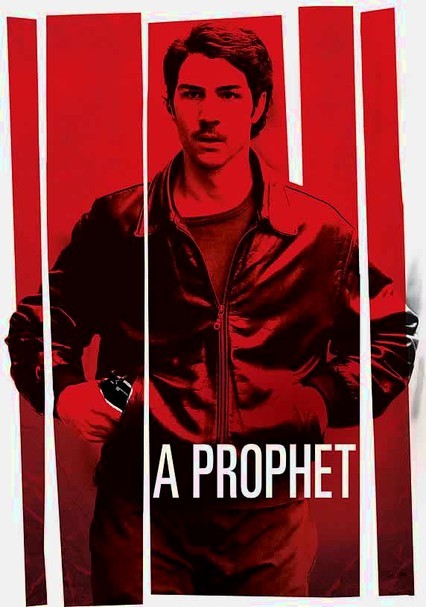
A Prophet-2009

A Prophet-2009

Director Jacques Audiard

Starring Tahar Rahim

Scott’s Review #1,034

Reviewed June 18, 2020

Grade: A-

A Prophet (2009), known as Un prophète in the French language, is a prison drama/crime thriller made exceptionally well and told from a character perspective rather than a plot angle.

Skirting any traditional genre prison characteristics, the film instead crafts a character study with the conflicting emotions of its main character taking center stage.

The result is a layered, complex experience led by a brilliant acting turn by actor Tahar Rahim.

Malik (Rahim) is a nineteen-year-old French youth of Algerian descent imprisoned for six years for attacking police officers. Friendless and unable to read, he is vulnerable and coaxed into murdering a witness involved in a crucial trial.

He becomes embroiled in tensions between the Corsicans and Muslims who populate much of the prison.

Malik cannot forget his participation in a murder, tortures himself, and has frequent nightmares of the incident. He slowly rises to the ranks of power within the prison community becoming involved in dangerous events and pivoting from meek to fear.

Largely avoided are overused prison elements common in many films of similar ilk. In other films, humor or standard dramatic situations occur that make a watered-down experience. A Prophet breathes fresh life into the prison film, albeit grisly and violent life.

The film is not for everyone and is extremely dark, even brutal at times.

During murder scenes, blood and guts are spilled at an alarming rate, and there ceases to exist many characters to sympathize with.

Malik is the main character but is an opportunist, readily doing what he must to gain power and control. Can we blame him? No.

Malik is a complex and nuanced character who is a joy to watch and dissect. He starts his prison tenure as a naive and timid boy, illiterate and easily manipulated. Over time, he grows into a seasoned gangster becoming involved in intricate plots and messy situations.

Actor Tahar Rahim successfully makes the character both likable and detestable, fleshing him out so the audience will love and hate him. This is the mark of a wonderful actor who can give complicated dynamics to the character.

Prison life is portrayed exceptionally well by director Jacques Audiard, who relays an authentic representation. It was good enough to make me never want to be imprisoned anyway. He wisely hired former convicts as both extras and advisors to flesh out the experience.

Life in prison, Audiard style, is not a rosy picture, but one filled with pain, fright, and violence. The Arab population, woefully underrepresented in cinema, is given a voice.

Another subject matter, homosexuality, a popular addition in prison films is not explored. Mostly played either for laughs or providing a conveniently situational plot device, A Prophet does not need the inclusion, too much else is going on.

Although a titillating prospect for many, the subject may have added a sexual or romantic angle taking away from the main point of the film, which is one man’s journey within the prison system.

Told from one man’s viewpoint, A Prophet (2009) is a triumphant French film that deservedly received accolades for its courage and realistic feel.

Starring a young actor with great potential and a brave director unafraid to develop logical storytelling and avoid typical traits, one wonders what their next project will be.

Violent gangs, corrupt guards, and impressionable prisoners would be a good way to continue.

Oscar Nominations: Best Foreign Language Film

Independent Spirit Award Nominations: Best Foreign Film

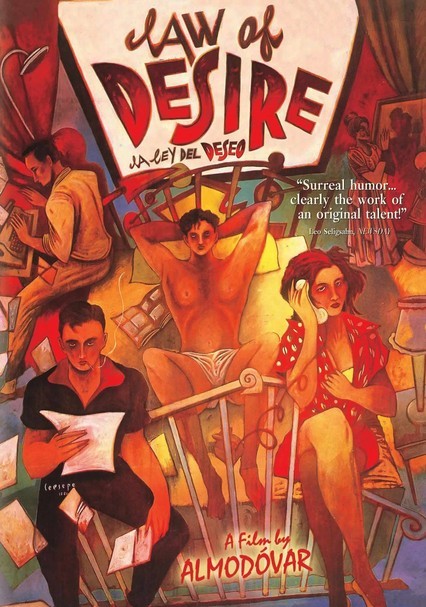
Law of Desire-1987

Law of Desire-1987

Director Pedro Almodovar

Starring Antonio Banderas, Eusebio Poncela, Carmen Maura

Scott’s Review #1,021

Reviewed May 8, 2020

Grade: B+

Law of Desire or La ley del Deseo (as translated in original Spanish) is a 1987 film written and directed by Pedro Almodóvar.

Quite groundbreaking for its time and penned by a respected director, the film was rich in offering what was rarely presented in films during the 1980s- a complex love triangle between two men and a trans woman.

The fact that the trans woman is the sister of one of the men is a bonus to the buttery soap opera premise.

In 2020, when LGBTQ+ films are more plentiful in cinema (at least at the indie level), Law of Desire suffers slightly from a dated feel and parts drag along. It’s tough to heavily criticize a piece so brazen as this one was when it was released to art-house theaters and musty metropolitan theaters.

As groundbreaking as the film must be given credit for, the story now feels sillier than it should, and more outlandish than it probably intended to be over thirty years ago.

The fabulous setting of Madrid, Spain is the backdrop for the luscious tale of love, obsession, jealousy, and revenge, think the prime-time television series Dynasty on steroids.

Cocky Pablo (Eusebio Poncela), a successful gay film director with his pick from a bevy of young, good-looking gay males, is madly in love with Juan (Miguel Molina), though he has a roving eye.

Suave Antonio (Antonio Banderas), who comes from a conservative family, is new to the gay scene and falls madly in love with Pablo when Juan goes to find himself. Tina (Carmen Maura), who likes men and women, has just been dumped and is vulnerable.

Besides the obvious daring gender-bending, this story could be a simple one told many times across many genres. Almodóvar spins things into a frenzy as the plot unfolds adding manipulations, sub-plots, and bizarre characters into the mix.

For example, Ada is Tina’s surrogate daughter and is a precocious ten-year-old girl in love with Pablo. Ada refuses to go back with her mother (Bibi Andersen) when she comes back to whisk her off to Milan to meet a man she just met.

The gay subtext is what is center stage here. Back in the 1980s, the term LGBTQ+ was on nobody’s radar, and having any representation at all in cinema was still territory barely scratching the surface.

This point kept returning to me throughout the film and I imagined how fresh the experience would have been to any gay man or gay woman fortunate enough to have seen it. I am not sure any of the characters would serve as great role models, but the representation is nice.

Almodóvar adds in a good deal of naked flesh for an added treat.

Several comic scenes arise with gusto. Antonio, who lives at home with a religious zealot of a mother, convinces Pablo to sign his letters from “Laura P”, a character from his latest play, to trick Antonio’s nosy mama.

Tina, not much of an actress, is cast in Pablo’s one-woman theatrical productions. She thinks her performance is great, but Pablo thinks she stinks. The comical moments are the ones that work best, giving the plentiful offbeat characters a chance to let loose and shine.

Towards the conclusion, Law of Desire takes a tragic and Shakespearean turn. A drunken Juan is thrown off a cliff to his death prompting an investigation with Antonio and Pablo both prime suspects.

Finally, a kidnapping and police stand-off ensues with a murder/suicide providing the film’s final moments.

I am not a fan of the title that Almodóvar chooses. Preferably would be a title that is a bit more titillating. Even Lust of Desire or Object of My Desire would have been better choices. Law of Desire screams of a tepid episode of television’s Law & Order.

For a director with such an outlandish approach and such bizarre characters, the title is bland, banal, and tough to remember.

Those seeking a kinky and provocative late-night affair will find Law of Desire (1987) a good old time. It lacks much of a clear message instead providing a sexy romp and dreary ending.

Running the gamut of adding musical score pieces as unique as the 1970s The Conformist, a film also shrouded in same-sex desire, to cheesy 1980s synth-laden beats, adds some confusion.

Nonetheless, diversity and inclusiveness are good recipes to chow down on and celebrate.

Bread and Chocolate-1974

Bread and Chocolate-1974

Director Franco Brusati

Starring Nino Manfredi

Scott’s Review #996

Reviewed March 6, 2020

Grade: B

Bread and Chocolate (1974), known as Pane e cioccolata in Italian is a mixed dramatic and comedic offering by the director, Franco Brusati, a well-known Italian screenwriter and director.

The film is charming and tells of one man’s trials and tribulations trying to make it as a migrant worker in a foreign country- in this case neighboring Switzerland. He is conflicted by the opportunities presented and the catastrophic way his life is screwed up at every turn.

The film is meaningful and poignant but sometimes has no clear path. A commonality is the representation of differing cultures.

Nino (Nino Manfredi) is a hard-working Sicilian man who heads for Switzerland in search of a better life- the time is the 1960s or the 1970s when this was a common occurrence. Despite his best efforts to fit in with his neighbors, he never quite seems to make it, haplessly going from one situation to the next.

He befriends and is supported for a time by a Greek woman named Elena, who is a refugee and harbors secrets. He forages a career as a waiter and befriends a busboy. As his luck dwindles, he is reduced to finding shelter with a group of Neapolitans living in a chicken coop, with the same chickens they tend to to survive.

With bizarre gusto they frequently emulate the chickens, strangely parading around their quarters like animals.

The main character of Nino reminds me of the character that Roberto Benigni played in the 1997 gem, Life is Beautiful. In that film, Guido tries to shelter his son from the horrors of war. In Bread and Chocolate, Nino has a zest for life using humor to survive and get through daily situations, slowly realizing his dire straits.

Both characters are scrappy and daring; Nino humorously urinating on a tree or awkwardly finding a dead body in the woods.

The theme of the film is loaded with conflict over staying in Switzerland to find a better life or returning in shame to his homeland of Italy, assumed a failure. Nino constantly wrestles with this quandary and discusses this point with his family photos in his bedroom.

In two instances he nearly gets on a train headed back to Italy but changes his mind. The film does not do a great job explaining or showing what is so awful back in Italy.

Bread and Chocolate is difficult to categorize because it is neither a straight-ahead comedy nor pure drama. As the film progresses it loses some situational comedy moments in favor of exhibiting melancholia and sadness.

I am not sure this is a great decision as we wonder many times if we should laugh with Nino or feel bad for him. Perhaps both?

The film scores big when it focuses on comedy as evidenced by several laugh-out-loud restaurant scenes. Nino, clearly not knowing what he is doing, struggles to properly peel an orange to serve a guest. He emulates another waiter with hilarious results.

Later he offends a snobbish, sophisticated woman after she blames him for causing her to fall to the floor.

The strangest scene occurs when the chicken people spy on four gorgeous Swiss siblings bathing in a nearby river. Gorgeous and tranquil, they are the definition of stunning and lush.

Charmed by the idyllic vision of the group, Nino decides to dye his hair and pass himself off as a local. The images of the cackling and dirty Italian people, with their snickering and drooling set against the peaceful family, are both beautiful and odd.

The scene could almost be featured in an Ingmar Bergman art film.

Bread and Chocolate (1974) is a film about a man’s journey that can be classified as an adventure, drama, art film, or comedy, and sometimes crosses genres too much. The comedic antics draw rave reviews, but the film slips a bit when it goes into the dramatic territory and becomes middling and too preachy.

Actor Nino Manfredi breathes all the life he can into a film that is appealing, but not quite marvelous.

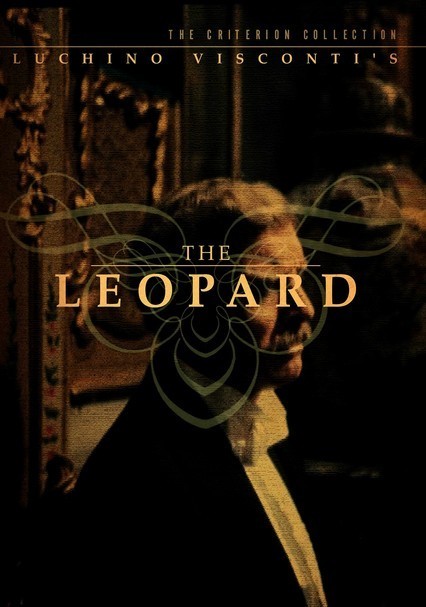
The Leopard-1963

The Leopard-1963

Director Luchino Visconti

Starring Burt Lancaster, Claudia Cardinale

Scott’s Review #991

Reviewed February 18, 2020

Grade: A

One of the great works in cinematic history, I preface this review by stating that I viewed the English dubbed version of the brilliant The Leopard (1963) starring Burt Lancaster and Claudia Cardinale.

This version is considerably shorter, at two hours and forty-one minutes, than the Italian version, which is three hours and five minutes.

As grand as the former is, my hunch is that something is lost in translation with the latter. The English version has no subtitles and is available only on DVD, so the film is difficult to follow but is rich in texture.

An interesting tidbit is that the film surgery was performed without director Luchino Visconti’s input – the director was unhappy with the editing and the dubbing. This point is valid since some voices are Italian and French, sounding too American and unauthentic.

Admittedly inferior, the English version is nonetheless extravagant and lovely on its own merits, though I would die to see the original version if it were available.

The time is during the 1860s, when the tumultuous era affected Italy and, more specifically, Sicily. Prince Don Fabrizio Salina (Lancaster) is at a crossroads between holding onto the glory he once knew and accepting the changing times, welcoming a more modern unity within the country.

A new mayor surrounds him, Don Calogero Sedara (Paolo Stoppa), who has a gorgeous daughter, Angelica (Cardinale).

He intends to marry Fabrizio’s French nephew, Tancredi Falconeri (Alain Delon).

The film dissects the changing times in Italy.

The visual treats for the viewer are astounding and by far the best part. The lovely, palatial estates are gorgeous, with decorative sets, bright and zesty colors, and meals displayed during parties that captivate audience members.

The costumes are state-of-the-art, and each frame can easily be a painting on a canvas. A tip is to pause the film, study it, and immerse yourself in its style.

Many film comparisons, both past and yet to come, can easily be made when thought about. An Italian Gone with the Wind (1939), if you will, with Angelica as Scarlett and Tancredi as Rhett (okay, the chemistry is not quite the same, but similarities do exist), and Concetta as the long-suffering Melanie, the characters can be compared.

The grand ball, the costumes, and the ravaged country are more prominent comparisons.

Nine years after The Leopard, a little film entitled The Godfather (1972) would change the cinematic landscape forever.

Director Frances Ford Coppola must have studied this film, as there are plentiful scenes of the Italian landscape and the culture in which both are immersed. Even snippets of the musical score mirror each other.

What a grand film to borrow and cultivate from!

Despite all the beautiful trimmings that make The Leopard a masterpiece, the film belongs to Lancaster in the best role of his career. The hunk in 1953’s From Here to Eternity, as the Prince, he is aged to perfection, distinguished-looking with graying sideburns.

The film is an epic extravaganza, and the actor leads the charge, carrying the film. He is a stoic man, but not without fault and emotion, wearing his heart on his sleeve, realizing that he must adapt to the changing times. We feel his quandary and embrace the character as a human being.

Attention-paying fans must be forewarned that the plot is basic and complex because of the absence of subtitles; however, the story is not highly complex.

The story is about how the Prince maneuvers his family through troubled (and changing) times to a more secure position. This is the overlying theme of the film.

Suffering from dubbing and quality control issues can do nothing to ruin a spectacular offering that is a cinematic gem and testament to the power of The Leopard’s (1963) staying power.

I eagerly await the day when the traditional Italian version can be found and discovered. It will be a treat to eat.

Until then, the film is a historical epic that can be appreciated for the dynamics and importance it so richly deserves.

Oscar Nominations: Best Costume Design, Color

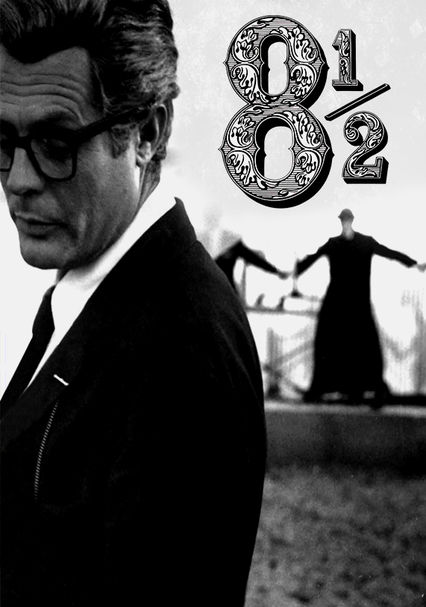
8 1/2-1963

8 1/2-1963

Director Federico Fellini

Starring Marcelo Mastroianni, Claudia Cardinale

Scott’s Review #973

Reviewed December 27, 2019

Grade: A-

For fans of acclaimed and experimental Italian film director Federico Fellini, a straightforward plot is rarely the recipe of the day with his projects.

With 8 1/2 (1963), he creates a personal and autobiographical story about a movie director who is pressured into another project but lacks the creative ideas and inspiration to fulfill the task.

We can all relate to this in one way or another.

The film is confusing, beautiful, elegant, and dreamlike, precisely what one would expect of a Fellini production. His film also hints at a more profound message and complexities.

The recommendation is to experience the film rather than analyze or over-analyze it. Let it marinate over time and relish in its offerings.

Guido Anselmi (Marcello Mastroianni) is a famous Italian film director who suffers from director’s block after he is tasked with directing an epic science fiction film and attempts to do so.

Experiencing marital difficulties, he decides to spend time at a luxurious spa where he has strange reoccurring visions of a beautiful woman (Claudia Cardinale), is visited by his mistress Carla (Sandra Milo), and is criticized by a temperamental film critic.

When Guido’s film crew arrives at his hotel to start production, he becomes overwhelmed by the mounting pressures and escapes into a world of memories. He visits his grandmother, dances with a prostitute, and relives his time at a strict Catholic school.

The film critic dismisses Guido’s attempts to incorporate these memories into his new film. The rest of the film is a mishmash of odd occurrences as Guido attempts to make his film.

Fans of Fellini’s other works will undoubtedly fall in love with 8 1/2, and since the film is about film, this scores points in my book.

His other famous works, Roma (1972) and Amarcord (1973) are similarly semi-autobiographical but differ in that they are more straightforward stories- as much as can be said about a Fellini film.

Usually lacking much plot, 8 1/2 resembles Juliet and the Spirits (1965) more than the others for comparison’s sake. Fantasy and reality are interspersed, making the film challenging to follow.

It appears to be about a man on the brink of a nervous breakdown and is a complex and personal study. As Guido spirals out of control and teetering towards insanity, he also muses about his situation. These highs and lows, told comically, make 8 1/2 even more challenging to figure out and react to.

My previous suggestion to experience 8 1/2 becomes credible as the film rolls along. Viewers may be unsure of what is happening, if not downright perplexed, but energy pulls one into its clutches with masterful sequences and potent embraces of life, love, and culture.

This must be attributed to the look and style of the film.

8 1/2 won the Academy Awards for Best Foreign Language Film and Best Costume Design (black-and-white) and is considered a highly respected and influential work of art by most film critics.

Appreciated mostly for its beautiful cinematography, it also delves into the meaning of life with a live-and-let-live approach.

Lovers of avant-garde works of interpretation and expressionism will be giddy while experiencing ruminating thoughts following 8 1/2 (1963).

Having only seen the film once and embraced it wholly as a work of art but frustrated by the lack of tangible meaning, I advise seeing it a second, a third, or even a fourth time for a deeper appreciation and understanding.

I plan to heed my suggestion.

Oscar Nominations: 2 wins-Best Director-Federico Fellini, Best Story and Screenplay Written Directly for the Screen, Best Foreign Language Film (won), Best Art Direction, Black-and-White, Best Costume Design, Black-and-White (won)

Shoplifters-2018

Shoplifters-2018

Director Hirokazu Kore-eda

Starring Lily Franky, Sakura Ando

Scott’s Review #962

Reviewed November 26, 2019

Grade: A-

Shoplifters (2018) is a fabulous Japanese offering directed, written, and edited by Hirokazu Kore-Eda. The film is slow-moving and understated, but it provides a moving and poignant message about family, by blood or not, and the robust ties that bind individuals compassionately and emotionally.

The film is character-driven and humanistic, offering sentiment and emotion without ever feeling overwrought or manipulative. It is not to be missed.

A dysfunctional group of outsiders lives together in a dingy basement establishment in Tokyo, Japan. They escape their poverty by shoplifting and embarking on mild adventures to pass the time. They share a deep bond and look out for each other.

The audience assumes they are family, which they are, but not in the biological sense. The family rescues an abused young girl and takes her into their home, showering her with love and affection.

Eventually, trouble comes when one of them is caught shoplifting, which leads to a domino effect of terrible events.

The group consists of Osamu (Lily Franky), a day laborer forced to leave his job after twisting his ankle; his “wife” Nobuyo (Sakura Ando), who works for industrial laundry service; Aki (Mayu Matsuoka), who works at a hostess club; Shota (Kairi Jo), a young boy; and Hatsue (Kirin Kiki), an elderly woman who owns the home and supports the group with her deceased husband’s pension.

The film showcases most of the characters equally as they work, drink, and hang out together. The abused girl, named Yuri, is given a haircut and renamed Lin and is central to the plot. Nobuyo and Shota take a shine to her. She teaches Lin that parents who love their children hug them and do not hit them, while Shota teaches her the ins and outs of stealing groceries.

Though the watch is slow, the audience inevitably falls in love with the characters, and the connection becomes powerful before the viewer knows it. We know Osamu and Nobuyo should leave Yuri where she is when they see her unattended and shivering on a cold balcony, but they cannot help themselves.

Their actions immediately make the audience realize that they are good, kind people who have been handed bad life circumstances to deal with.

The film is a strict watch and will never be defined as edge-of-your-seat. Many scenes involve characters walking around the streets, almost aimlessly, commenting that the weather is cold or other trivial conversational bits.

The scenes could be described as dull or bleak, but eventually, something magical happens, the characters become favorites, and the viewer is immersed in their world unflinchingly.

The character of Yuri is a tough one to observe. With bruises on her arms and a burn from a hot iron, tearful is the imagining of the terror the little girl has already been through at the hands of blood relatives, especially since her parents assume she has run off and are thrilled she is out of their lives.

The conclusion of the film is cold and harsh, hitting home that the justice system is flawed and cruel, as Yuri ultimately is returned to her parents, sure to face more abuse and eventual death. Doesn’t child abuse usually turn out like this?

Director Kore-eda could have spun a feel-good story with the family parading onto the beach in the sunshine, but he chooses not to. We wonder how Yuri’s life might have turned out under better circumstances and had the courts not gotten involved.

Kore-eda instead paints a stark picture of reality, not the fictional happily-ever-after films too often rush to craft.

Shoplifters (2018) offers a look at humanity at its best and its worst with a story about joy and pain. The film is quiet and careful and ultimately keeps one in its grips. It sticks with the viewer and makes one question what a family is and what it is defined as in the court of law.

Who decides who is family and who is not? The film will make one ponder many things, which is a treasured quality of good cinema.

Oscar Nominations: Best Foreign Language Film

Independent Spirit Award Nominations: Best International Film

Angels of Sex-2012

Angels of Sex-2012

Director Xavier Villaverde

Starring Astrid Berges-Frisbey, Alvaro Cervantes, Llorenc Gonzalez

Scott’s Review #934

Reviewed August 23, 2019

Grade: C

Angels of Sex (2012) is a Spanish LGBT drama that attempts to create an intriguing romantic relationship between its characters but slowly teeters into a plot-driven soap opera mess, leaving the viewer unsatisfied.

Casting good-looking actors and showing plenty of skin only goes so far before one’s attention span begins to wane and one starts yearning for more depth, which never comes in this film.

The filmmakers do get some props for crafting a diverse film, but the story ultimately sucks.

The urban setting of Barcelona, Spain is the backdrop of the film as a student, Bruno (Llorenc Gonzalez), is saved by karate instructor, Rai (Alvaro Cervantes), and begins to question his sexuality as the men grow attracted to one another.

Throwing a hurtle into their blissful affair is Bruno’s girlfriend, Carla (Astrid Berges-Frisbey), who is drawn to both men while shunning their romantic attraction to one another.

The three characters interact and carry on affairs with each other leading to a series of emotions that influence their decisions.

The premise is intriguing, at the beginning of the story anyway, as a “straight man meets gay man” moment immediately occurs, and sparks fly between the men.

When Bruno accepts his attraction to Rai while also continuing his attraction to Carla a unique bisexual premise is offered. Why can’t Bruno spend equal time with Rai and Carla? Which one will he decide to choose or will choose him? Will each of the three be okay with the arrangement?

These are the sorts of interesting questions offered by the film until it slips about halfway through.

Each character begins to crumble and become banal and wishy-washy, especially Carla. She accepts the “time-sharing” relationship but then gets mad when she sees Rai and Bruno kiss, finally falling for Rai and having an affair with him. Huh?

This is character assassination 101. Bruno’s motivations become unclear as he hedges on nearly every decision, while Rai becomes more brooding and indecisive.

It’s as if the writers did not know which direction to take the characters in or thought their good looks would carry the film.

Other gripes include the title of the film having nothing meaningful to do with the story and rather seems like a weak effort at gaining some attention (and viewers) by incorporating such a title.

Another irritant was the constant inclusion of unknown characters break-dancing to the song. Was this necessary? Rai has an interest in the genre, we get that, but the needless scenes seem like attempts to fill time.

Better use of time might have been additional scenes of Carla and her mother. A passing scene or two and a situation involving Carla’s father cheating on the mother is limiting and could have been an interesting sub-plot, perhaps even figuring into the main story.

Carla’s group of friends add little to the film especially her slutty friend bedding two others in the group. The situation seems more like an add-on or a time filler than rich writing.

Props go to any film with the desire to showcase an LGBT-themed story as, despite the film being made in 2012, most LGBT films are still indie projects.

I hoped for and expected more from the film especially the culturally interesting location of a European hotbed of sexuality and parties.

Angels of Sex (2012) starts well until disintegrating into a bad LGBT episode of “As the World Turns” or “Days of our Lives” with poor character writing, unnecessary supporting characters and a feeble attempt at a twist ending that merely turns into a red herring and thereby a disappointment.

Eyes Without a Face-1960

Eyes Without a Face-1960

Director Georges Franju

Starring Pierre Brasseur, Alida Valli

Scott’s Review #922

Reviewed July 23, 2019

Grade: A

Eyes Without a Face (1960) is a macabre and twisted French-Italian horror film co-written and directed by Georges Franju. It is based on Jean Redon’s novel, which is the same name.

The film cover art (see above) is flawless and terrifying. It induces the creeps by only giving a glimpse, causing the recipient to be curious and attempt to analyze the meaning.

The film is nestled into a short one-hour and thirty-minute package that is time to scare the audience to death with many fantastic and gruesome elements, severely limiting the gore, which only adds to the horrific nature.

Because of its subject matter, the film was highly controversial in 1960 and was subsequently either loved or reviled by its audiences.

Eyes Without a Face is riveting because the audience empathizes with the characters and takes action to correct their wrongs despite the main character’s undeniable crazyness.

The complex emotions of guilt and obsession are commonalities, making it a layered and complex horror film that appears on many Top Ten genre lists.

The film is not for the faint of heart.

Doctor Genessier (Pierre Brassier) is a brilliant and successful physician who specializes in plastic surgery. After a vicious car accident that he is to blame for, he attempts to repair the ruined face of his daughter, Christiane (Edith Scob), a victim of the wreck.

But his plan to give his daughter her looks back involves kidnapping young girls and removing their faces. He is aided in his machinations by his assistant, Louise (Alida Valli), who kidnaps the young woman and helps him in the laboratory, acting as a surrogate mother to Christiane.

Louise aids Génessier partly because he helps restore her damaged face in events before the film begins.

Scob is the stand-out character, containing an innocent and quietly melancholy existence as she is the apparent victim of the story. Her defeated posture, while resiliently hopeful and demure, is complex for an actress to carry, and she defines grace and poise.

Brasseur and Valli each deliver the goods in different ways. Valli, haunting in her best horror effort Suspiria (1977), is mesmerized by her doctor and savior so that the relationship is almost cult-like.

Brasseur is strangely heroic, as he steals lives to save lives, so his character is extraordinarily complex.

The surgery scenes are chilling, featuring white, starchy uniforms worn by a doctor, assistant, and victim. The scenes could almost be mechanical tutorials offered to first-rate medical students with scholarly intentions. If this were not a horror film, the look would be documentary-style.

Genessier calmly cuts an entire circular length of his victim as a hint of blood slowly oozes down the sides of her face in an almost tender fashion.

The film, made in 1960, is not the 1980s slasher film image that encompasses non-horror film-goers’ preconceptions. It has a gorgeous texture.

The best scene occurs when one of Genessier’s victims, lying on a gurney, comes to and gazes at a figure leaning close to her. The camera turns to the figure, revealing a blurry but recognizable image of Christiane sans the face-like mask she usually wears throughout the film.

As the victim shrieks in horror, Christiane slowly backs away from her amid a feeling of pain and heartbreak, remembering how much of a freak she must appear to others. The scene is sad and grotesque at the same time.

Horror films often get bad raps, but poetic and stylized horror films are a diamond in the rough.

Eyes Without a Face (1960) achieves its place in the cinematic archives with brilliant black and white cinematography entrenched in a Gothic, chilling story with characters whose motivations can be dissected and studied long after the film ends.

This keeps the viewer thinking and deserves repeated viewings to capture all the gems it offers.

The Umbrellas of Cherbourg-1964

The Umbrellas of Cherbourg-1964

Director Jacques Demy

Starring Catherine Deneuve, Nino Castelnuovo

Scott’s Review #911

Reviewed June 17, 2019

Grade: A

The Umbrellas of Cherbourg (1964), translated in French as Les Parapluies de Cherbourg, is a daring film. It is unique in that all dialogue is sung recitatively, like an opera or a stage musical.

But wait, there’s more.

The film has colorful and dazzling set designs that enrich the entire experience amid the lovely French culture and atmosphere. Interspersing a melody, the result is a stoic treasure.

The film received an Oscar nomination for Best Foreign Language Film and several other nominations.

The film is divided into three parts and progresses chronologically over six years. Part One is The Departure; Part Two is The Absence and Part Three is The Return, each representing a meaningful part of the story.

Madame Emery (Anne Vernon) and her sixteen-year-old daughter Genevieve (Deneuve) own a struggling umbrella boutique in Cherbourg, France. Genevieve falls in love with Guy (Castelnuovo), a local mechanic, and they have sex the night before he is drafted to war, resulting in an unexpected pregnancy.

Madame Emery and Genevieve must decide what options are best when she is courted by wealthy jeweler Roland (Marc Michel), unaware of her pregnancy. Genevieve and Guy continue to write letters to each other as she softens towards Roland and makes a decision.

An injured Guy returns from the war, and events kick into high gear as the love birds face an uncertain future amid surrounding barriers to their happiness.

To embrace the flavor and pacing of the film takes a few minutes of patience- like some viewers becoming accustomed to sub-titles in general, which the film also possesses, the singing is initially quite jarring but before long is to be embraced and appreciated for its unique nature.

To stress the point, the film is not a standard musical. Songs are mixed in with conventional dialogue, and each line is sung.

With this role, Deneuve gained wider recognition beyond a French audience already familiar with her work. She shines brightly in the lead role and never looks lovelier. The young lady, hardly appearing to be just sixteen (in truth, she was twenty-one), carries the film with a chic and sophisticated style, ideally in tune with the 1960s.

Her magnificent grace and elegance make her the primary reason to tune in. She sings her lines flawlessly and with unforced precision.

The story is unequivocally a basic one of a girl meets a boy, the boy is drafted into the army, the girl becomes pregnant, the girl meets another suitor, and the boy returns home as conflict arises.

The magic is what director Jacques Demy does with the piece.

Everyday life is presented in situational scenes, adding substance and commonalities. Genevieve and Guy are in love and face external and internal obstacles. At the same time, Madeleine (Ellen Farner), a quiet young woman who looks after Guy’s aunt, is secretly in love with Guy, as she adds a secret weapon to the film.

The audience cares for the characters, especially Genevieve and Guy, but the supporting characters add a robust quality worthy of mention.

Anne Vernon is pivotal as Madame Emery. She is stylish and lavish, concerned for her daughter’s well-being, and slyly sees opportunities to save her boutique. Guy’s sickly Aunt Elise provides security and love to those who heed her advice.

Actress Mireille Perrey plays her.

The vivid colors and sets make The Umbrellas of Cherbourg challenging to forget. Stark and florescent painted pinks, greens, and blues, mainly on the walls, provide zest and flavor, a grand style all its own.

The bright, crisp designs evoke a lavish Hollywood musical with a cultured French twist. The result is perfect, and one can easily immerse themselves in the singing and the artistry.

The recurring main song “I Will Wait for You” (the central theme, also known as “Devant le garage”) is delicious and emotional as it appears in many poignant scenes.

Those seeking a charismatic and distinctive experience with nuances and a hint of experimentation will undoubtedly enjoy this fruity and tasty treat.

With a French atmosphere for miles, the film encompasses all that is good and cultured about French cinema.

The Umbrellas of Cherbourg (1964) will entertain and unabashedly knock your socks off with something grand and sizzling flavor.

Oscar Nominations: Best Foreign Language Film, Best Story and Screenplay Written Directly for the Screen, Best Song-“I Will Wait for You,” Best Music Score-Substantially Original, Best Scoring of Music-Adaptation or Treatment

BPM (Beats Per Minute)- 2017

BPM (Beats Per Minute)- 2017

Director Robin Campillo

Starring Nahuel Perez Biscayart, Arnaud Valois

Scott’s Review #884

Reviewed April 11, 2019

Grade: A-

BPM (Beats Per Minute) (2017) is an exhilarating and heartbreaking film. It elicits emotional reactions such as empathy and empowerment and channels a potential life-saving cause.

Of French language and shot documentary style, the film is not an easy watch as the viewer is transplanted back to the early 1990s when the AIDS epidemic was ravaging the world in general and the gay community specifically.

A mixture of a community-oriented movement and a love story makes this project worthwhile viewing.

The immediate focal point of the story is an impassioned and aggressive Paris-based chapter of ACT UP (AIDS Coalition to Unleash Power), a unified gay and lesbian organization intent on speeding up the French government’s response to the unwieldy AIDS epidemic.

The group resorts to extreme public protests consisting of fake bloodthrowing and invading prominent pharmaceutical company meetings. They intend to get them to release trial results immediately instead of waiting until the following year.

The various debates and infighting in the chapter are heavily featured.

As the film progresses, BPM (Beats Per Minute) slowly shifts its focus from the protests to the personal lives of the ACT UP members as a romance brews between nineteen-year-old HIV-positive Sean (Perez Biscayart), who already exhibits visible infections from the disease, and HIV negative Nathan (Valois), a newcomer to the group.

The pair quickly become inseparable as Sean’s body becomes ravaged by the disease, resulting in a poignant and dire conclusion sure to elicit tears.

Director Campillo and co-screenwriter Philippe Mangeot drew on their personal experiences with ACT UP in developing the story, enriching the authenticity of the experience.

Despite being shot in the present day, the film feels genuine, with a 1990s feel and flavor. Though gorgeous and picturesque, the gray Parisian locales also portray a hint of sadness and bleakness.

As Sean gazes outside, we sense his fear and anguish. Through this character, Campillo and Mangeot provide personal stories that represent the plight of many at that time.

A particularly racy scene erupts approximately halfway through the film as Sean and Nathan’s love story takes center stage.

Foreign-language films are not known for shying away from nudity or sexuality as many American films do. As the impassioned pair make love for the first time, little is left to the imagination.

Despite the gratuitous nudity and the overt sexual tones, the duo’s relationship is not solely physical, and the audience will undoubtedly come to care for both men the way that I did.

The two-fold story is a wise choice, and the overall message that BPM (Beats Per Minute) presents is inspiring and a good telling of the LGBT community’s struggles at notice and inclusion during the 1980s and 1990s.

This point is both positive and negative. The story beckons back to a day in the community’s history, dripping with pain and loneliness, which is evident in the film.

The film is hardly a happy experience and quite somewhat a downer.

The film’s main drawback is its length. The story and principle points become redundant at nearly two and a half hours, causing the overall message to lose some of its thunder.

The constant bickering and debate among the ACT UP group become tedious to watch as fight and clash after fight and clash resurface repeatedly.

Though painful to experience and not very uplifting, BPM (Beats Per Minute) (2017) is an important film to view, given how far the treatments of HIV have progressed over several decades.

Not taking things for granted, a trip down memory lane for those alive during the epidemic is recommended.

For those fortunate enough to have missed the 1980s and the 1990s, the film is a necessary reminder of how life once was for the unfortunate victim of a devastating epidemic.

Independent Spirit Award Nominations: Best International Film

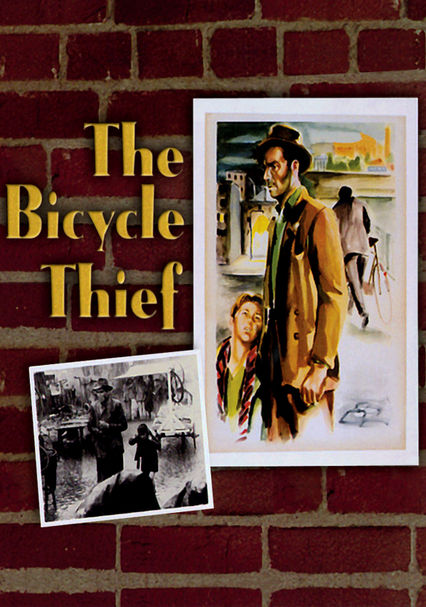
The Bicycle Thief-1948

The Bicycle Thief-1948

Director Vittorio De Sica

Starring Lamberto Maggiorani, Enzo Staiola

Scott’s Review #867

Reviewed February 16, 2019

Grade: A

The Bicycle Thief (1948), modified to the English title from the original Italian Bicycle Thieves (Ladri di biciclette), is an essential and cherished film containing a powerful message enshrined in a compelling story.

The emotional film focuses on a robust relationship between a father and his son and their determination to retrieve what is rightfully theirs. Made after World War II, it has a socialist theme and a hallmark neorealist style centered around working-class people.

The film is an example of cinema being art and not merely entertainment.

The film deservedly was awarded a special Academy Award for “Most Outstanding Foreign Language Film” before the historic Best Foreign Language Film award existed.

This is a testament to the power and humanism the film envelopes as the sad and occasionally incredible story unfolds. Professional actors and non-actors make the film a strong and authentic watch in a quick one-hour and twenty-nine-minute running time.

In the late 1940s, Rome Antonio Ricci (Lamberto Maggiorani) struggles to find decent work to support himself and his family. When an opportunity presents itself but requires a bicycle, Antonio’s wife Maria (Lianella Carell) selflessly sells family heirlooms to acquire his pawned bicycle.

Things look great for the family as Antonio begins his new job. On his first day, a thief steals his bicycle. Antonio sits atop a ladder, helplessly witnessing the theft. Determined to track the thief down and retrieve his stolen bike, he and his son Bruno (Enzo Staiola) traverse the city in desperation.

The Bicycle Thief is a simple story that enraptures readers with many different emotions: anger at the thief, empathy for Antonio and Bruno, inspiration from the humanity of some characters, and rage at the actions of others.

Antonio strives to be a good role model for his son and a provider for Maria. By the end, he has become a more complicated character, resorting to dire means to solve his problems. Antonio is desperate, guilt-ridden, and ashamed, but he is also a highly inspirational character.

Fans of the gorgeous and historic European city of Rome are in for a treat. The Bicycle Thief is peppered with enchanting shots of the famous town and focuses on the events of everyday people as they go to work and spend their days on a mission.

Director Vittorio de Sica’s bright and sunny lighting portrays Rome as a hot and bustling epicenter. The atmosphere is foreboding, as we know something dire will soon occur amid the warm and cheery metropolis.

The acting is central to The Bicycle Thief’s success, with inspired performances by Maggiorani and Staiola as father and son.

Staiola is masterful as a young boy who needs a father figure and hangs on his father’s every move. In many scenes, his soulful and expressive eyes contain sadness and hope as he yearns and prays for his father to be happy again and for himself to feel safe.

In comparison, Maggiorani possesses an ability to portray strength and angst interchangeably. His finest scene is pivotal as he realizes he has become no better than the thief he despises early in the film and is buried in shame.

The Bicycle Thief (1948) is a film powerful and memorable because of its simplicity and humanistic sensibilities. The plot is basic and explores one man’s quest for justice and the right to live his life and care for his family.

His journey is complex and fraught with tense moments, making the film palpable and heart racing as his adventure unfolds before us.

Thanks to gorgeous cinematography and a dose of pathos, those who watch this film will be in store for a treasure of powerful cinematic storytelling.

Oscar Nominations: Best Screenplay

Roma-2018

Roma-2018

Director Alfonso Cuarón

Starring Yalitza Aparicio, Marina de Tavira

Scott’s Review #862

Reviewed February 2, 2019

Grade: A

Roma (2018) is a film to be experienced rather than merely viewed.

A cinematic, black and white feast for the eyes, and direction to be amazed by is utterly impressive and a triumph in masterful filmmaking.

On par with geographically picturesque epics such as Lawrence of Arabia (1962), the piece is not easy to watch at first. Still, the audience will become enraptured and rewarded with each passing moment as the characters emerge to flawless perfection, reaching a crescendo of magnificent art.

Set during a politically tumultuous time in Mexico City during 1970 and 1971, the film follows a young maid working for a middle-class Mexican family and her perspective on her surroundings.

She serves as housekeeper, going about her numerous duties of mopping, cooking, and even cleaning up the family dog excrement that runs rampant, and she provides emotional support for the family members.

Cleo (Yalitza Aparicio) and her best friend, fellow maid Adela (Nancy Garcia), tend to four children of varying ages and their troubled parents. He is a doctor, and she is the family matriarch.

Antonio and Sofia (Marina de Tavira) have a troubled marriage as he supposedly goes to Quebec for business, and tensions mount among the family.

Through it all, Teresa, Antonio’s mother, resides with the family as Cleo learns she is pregnant, and her boyfriend Fermin flees after hearing the news.

Director Alfonso Cuarón, responsible for the writing, direction, cinematography, editing, and nearly every picture aspect, draws from his personal experience growing up in Mexico City.

Cuarón reportedly created the film as an artful love letter to his beloved family housekeeper, whom he adored. This approach creates a rich personality, intimacy, and a definite family angle.

The film centers mainly around Cleo’s trials and tribulations, but the entire family appears in numerous scenes, making it feel like an ensemble feature.

Cleo is a quiet and modest girl, happily going about her chores and serving the needs of everyone around her. She is treated well by the family and adored by the children, only occasionally enduring the wrath of Sofia’s temper and troubles, but she is loved and appreciated.

In love with Fermin and her only sexual experience, she winds up pregnant, which scares the aggressive and battle-minded young man.

The storyline takes place over a year, so we see Cleo’s entire pregnancy progress and experience her devastation as she gives birth to a stillborn girl.

My favorite aspects of Roma are the simplicity and the monumental touches that Cuarón includes.

The film begins with a lengthy shot of water being thrown on a cement garage and the puddles and circulation of the water. Seen from above is a slow-moving airplane, and numerous background shots of a slowly landing airplane subsequently appear throughout the film.

Is this to represent the slowness of life? Life, death, and near-death experiences are featured in Roma. Cleo’s pregnancy, the death of a baby, and the near-drowning of one of the children rescued by Cleo, despite the girl not being able to swim.

Gorgeous scenes of Cleo traversing through the streets of downtown Mexico City exude beauty. The scenes undoubtedly represent her journey through life and the pain and rewards that she experiences, but they also feature dozens of interesting characters if one pays close attention.

A man lighting a cigarette, a woman gazing, and other ordinary people doing things that look illuminating and like glimpses of the past are featured. The automobiles are representative of the 1970s, as a Ford Galaxy, the family car, is extensively featured.

The film’s cover art (pictured above) perfectly captures the theme of Roma and is highly symbolic. Huddled on the sand at the beach, the family encircles Cleo with expressions of panic, fear, and gratitude.

The black-and-white adds depth, as it could easily be a piece immersed in an art museum. The group of people appears unified and clings to Cleo for dear life, also in a show of support and appreciation.

The photo is endearing and beautiful to look at.

Roma (2018) received an impressive ten Academy Award nominations and numerous year-end accolades, an impressive achievement for a foreign language film.

Those who are patient enough to let the film and its components marinate will be rewarded with a fine appreciation for cinematic artistry.

The dreamlike quality with meticulous attention to detail makes this personal work a fascinating masterpiece.

Oscar Nominations: 3 wins- Best Picture, Best Director- Alfonso Cuarón (won), Best Actress- Yalitza Aparicio, Best Supporting Actress- Marina de Tavira, Best Original Screenplay, Best Foreign Language Film (won), Best Sound Editing, Best Sound Mixing, Best Production Design, Best Cinematography (won)

Independent Spirit Award Nominations: 1 win- Best International Film (won)

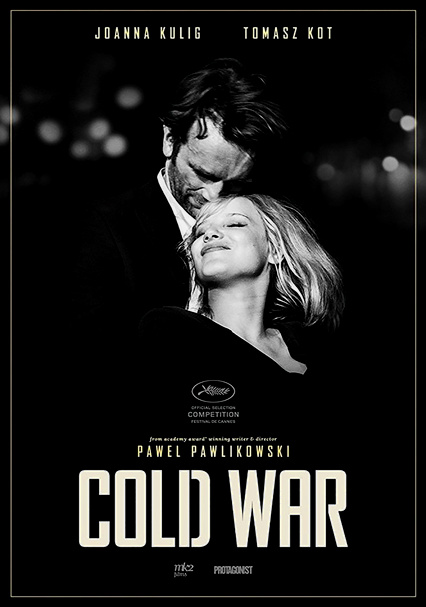
Cold War-2018

Cold War-2018

Director Pawel Pawlikowski

Starring Joanna Kulig, Tomasz Kot

Scott’s Review #861

Reviewed January 29, 2019

Grade: A

Every once in a long while, a modern film set in a different time embodies that era with such authenticity and grace that we forget that it was not shot when the story is told.

Cold War (2018) is one such film that dares to whisk the viewer to another world with genuine timelessness emboldened by the torturous romantic entanglements of its main characters.

Reminiscent of an Ingmar Bergman film shot in black and white, the film is lovely, tragic, and fraught with historical references. One can dissect the character nuances and atmospheric qualities encompassing the entire experience.

The film is a sum of its parts, with a painful layer of veneer immersed in all the various tidbits. Cold War contains almost no humor but rather doom and gloom.

Amid the ruins of post-World War II Poland, repressed and self-destructive musicians Wiktor (Tomasz Kot) and Zula (Joanna Kulig) forge an obsessive love affair and cannot stay away from each other despite the European cities and countries that stand in their way.

Spanning over a decade, they battle alcohol abuse, rage, and imprisonment as they traverse Poland, France, Berlin, and Yugoslavia.

Zula does obtain some success with her musicianship, but at a steep cost. She is forced to marry a hated man she does not love, many miles away from Wiktor. Still, their romance perseveres over time until the duo makes a fateful decision that leads to a profound climax.

The conclusion of the film is powerful, macabre, and emotional.

To state that Cold War is a tragedy is almost an understatement, though viewers will probably not realize this before watching the film.

When Zula auditions at a Polish house for the musically gifted and Wiktor accompanies her on the piano, sparks fly between them as they meet for the first time.

Zula appears to be a simple farm girl and sings a mountain song in duet with another girl. Spirited, Zula flirts with men but is forever drawn to Wiktor, and their chemistry runs rampant.

The direction, art direction, and cinematography are superb, offering a magnificent look to the film. The use of black-and-white filming gives the piece an immeasurably timeless quality, especially as streets and avenues in Paris emerge from time to time.

They could easily be 1950s France. The lovely halls where the pair performs add ambiance and effect, and musical treasures such as the melancholy main song, performed in multiple languages and tones, sparkle with culture.

With a runtime of only eighty-nine brief minutes, Cold War never feels rushed and compartmentalizes all that it needs to tell in this time period.

The story runs from 1949 until the early 1960s, and the film’s title is no mere accident. The historical reference is plain and obvious. The film also has a bleak and frigid quality in both its surroundings and its characters.

One worth mentioning is a rigid government man who complains that one girl in the chorus is “too dark”; the connotation is one of nationalism.

Multiple comparisons can be drawn to Pawlikowski’s masterpiece Ida (2014), one of which is that Kulig stars in both films.

In addition to the black and white shooting, both films feature a central female character that is tortured, a Nazi occupation of Poland or the after-effects of such an occupation, and the effects of repression or otherwise obsessive behavior featured in both films.

Pawlikowski is superb at crafting these damaged and conflicted characters in his films.

Director Pawlikowski successfully achieves a second Polish film offering that challenges his audiences with remarkable storytelling, a dark mood, and a reminder of the terrible effects of the aftermath of World War II and those left in its wake.

Psychological scars can wound as much as physical scars, as Pawlikowski proves in the characters he draws from and their doomed lives.

Cold War (2018) is an achievement in many ways and makes for a thoughtful conversation after the credits roll.

Oscar Nominations: Best Director- Pawel Pawlikowski, Best Foreign Language Film, Best Cinematography

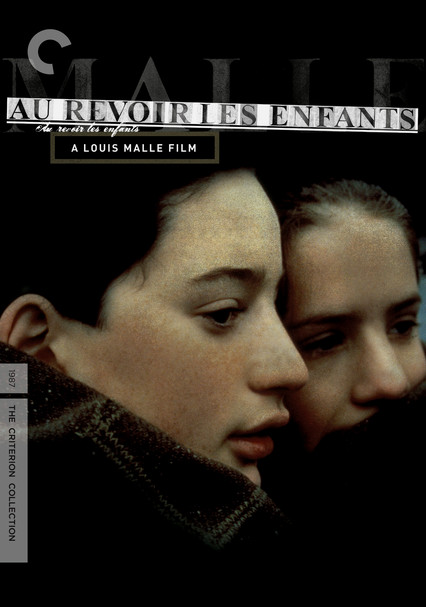
Au Revoir Les Enfants-1987

Au Revoir Les Enfants-1987

Director Louis Malle

Starring Gaspard Manesse, Raphael Fejto

Scott’s Review #859

Reviewed January 21, 2019

Grade: A

Au Revoir Les Enfants (1987), the English translation Goodbye, Children is a powerful story of youth and friendship amid a French boarding school during the Nazi occupation of France.

As World War II rages on Director Louis Malle crafts a tragic and poignant film that resonates on many levels featuring both good and evil and the forever loss of childhood innocence.

The film is based on actual events that Malle experienced as a child when he attended a Roman Catholic boarding school. At age eleven he witnessed a Gestapo raid in which three Jewish children and a Jewish teacher were savagely rounded up and taken to Auschwitz concentration camps and presumably to their deaths.

What a powerful and tragic event he faced, and he brilliantly transplants this into his film.

We meet young Julien Quentin (Gaspard Manesse) as he bids his mother farewell and takes a train to his boarding school after a lengthy vacation. The headmaster introduces three new students one of which is Julien’s age. Jean Bonnet (Raphael Fejto) is socially awkward but excels at mathematics and piano.

The boys initially dislike one another but slowly forge a powerful bond when they are immersed in playing a game of treasure hunt together. Julien soon discovers that Bonnet is Jewish, and the school is protecting him from capture.

The film is divided into two main stories, the troubled relationship and subsequent friendship between Julien and Bonnet, the revelation that Bonnet is Jewish, and the benevolence of the school officials to the plight of Jews.

The latter gives Au Revoir Les Enfantes a socially relevant angle as the audience begins to care deeply about Bonnet and the other Jewish boys yearning for education and freedom.

Their innocence and confusion over being hated are effective and painful to watch.

The tyranny of the Gestapo is matched by the kindness and courage of the teachers who defy the anti-Semitic policies and admit Jewish students into the school under assumed names.

The teachers are the heroes of the story and largely unsung as they yearn to give children of any religion a good education and a chance at happiness and fulfillment.

I would love to see schools feature Au Revoir Les Enfantes to their students as a lesson in bravery.

Any viewer who has visited France will assimilate nicely with the good culture and sophistication of the country envelopes. Most scenes occur at the boarding school with lessons being learned and the growth of many of the students, but a favorite scene takes place at a gourmet restaurant.

As Julien and his mother lunch with Bonnet and others the meals, staff, and ambiance exude French style and goodness, but among these luxuries also lies the constant threat of the Nazis as they bombard the restaurant and attempt to kick a Jewish man out of the establishment.

Malle wisely affixes the camera closely on the faces of Manesse and Fejto with a glowing quality that is both beautiful and haunting. This results in many scenes featuring the expressions of the boys including wonderment, shock, intensity, and fear.

The young actors rise to the occasion and perform their roles flawlessly with a natural quality.

The boys learn a myriad of valuable lessons most notably that the world is unjust and filled with unfairness. Malle gives the finale more than enough power and angst to leave the viewer pondering the fates of the Jewish characters.

Their fates are undoubtedly sealed by the Nazis the hows and the whys are left ambiguous eliciting powerful emotions.

Au Revoir Les Enfantes (1987) is a superb and relevant offering depicting the pain and fear experienced by Jewish people in a tragic period of history. Told through the eyes of children the film hits home as innocence is discovered and then lost.

The film was nominated for the Best Foreign Language Film Oscar but was defeated by Babette’s Feast.

Oscar Nominations: Best Screenplay Written Directly for the Screen, Best Foreign Language Film

Independent Spirit Award Nominations: Best International Film

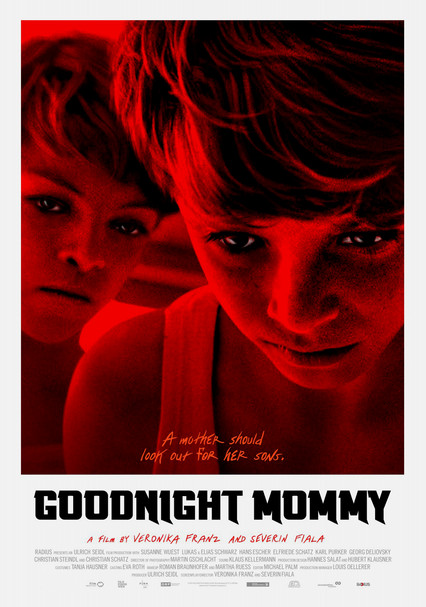
Goodnight Mommy-2015

Goodnight Mommy-2015

Director Severin Fiala, Veronika Franz

Starring Susanne Wuest, Lukas Schwarz, Elias Schwarz

Scott’s Review #833

Reviewed November 21, 2018

Grade: B

Goodnight Mommy (2015) is an Austrian film not for the faint of heart nor the squeamish. Being a seasoned viewer of diverse, bizarre, and otherwise unpleasant cinematic experiences, the film was a tough watch.

Universally lauded and even submitted as Austria’s Foreign Language entry for the Academy Awards, the film is rather pointless and gratuitous in its torture scenes. Still, the film stayed with me days later, always a positive.

In a peculiar and unclear story opening, we witness a mother (Severin Fiala) and nine-year-old twin sons (Lukas and Elias Schwarz), residing in a remote lakeside location surrounded by cornfields and nature.

The mother (character unnamed) is disfigured and wrapped in bandages with only her eyes and mouth revealed, a haunting and grotesque image.

The twins, Elias and Lukas, are disturbed by her appearance and concerned when she begins acting strangely, ignoring Lukas entirely and chastising Elias repeatedly.

Through a game that the mother and twins play, the audience learns that the woman is a television personality- has she had a facelift of her choosing, or has she been in an accident? As she acts cruelly and selfishly towards the twins they begin to question whether the woman is their mother or a fake.

They become determined to find out at all costs, turning the tables on the mother, and resorting to torturous methods to get the truth out of her.

A few positives for me in Goodnight Mommy are as follows. The Austrian setting and language are huge strengths in adding to the mystique of the overall film.

The unfamiliar (to me) speech and the remote modern home that the mother uses as a sanctuary work very well.  Loneliness and isolation are infused into the film giving a measure of dread. The way the plot unfolds and the circumstances are slowly revealed is good.

The hows and the whys of the mother’s surgery come to fruition and allegiances switch from the boys to the mothers throughout the film, which I found interesting.

The major negatives are the motivations of the twins and the big reveal at the end of the film- a reveal easily figured out within the first portion of the running time.

Though not shocking, the revelation only complicates said motivations, and questions abound. Is one of the twins just plain crazy? Who is the woman in the photo with the mother dressed exactly like her?

If this is a red herring, no wonder the twins think this woman is impersonating their mother. The mother not being able to escape the twins’ clutches is a bit hard to swallow- remember they are only nine years old!

The torture scenes are brutal for the audience to endure. As Elias and Lukas tie their mother to her bedpost and demand she reveal she is not their mother the methods they resort to are devious and cringe-worthy.

Prolonged in nature so that the viewer feels they are also being tortured when the twins burn her face with a magnifying glass, the process is slow and excruciating.

Later, they decide to superglue her mouth shut and when they realize she cannot eat, they sever the glue with scissors leading to a bloody mess.

These scenes are tough to take.

The point of Goodnight Mommy (2015) seems rather, well, pointless. Torture for the sake of torture and many plot holes or story-dictated plot devices- who did not think that the Red Cross would fail in rescuing the mother?

Nonetheless, the film does contain a mystique and an unnerving, haunting quality.  The viewer will undoubtedly be kept thinking about the subject matter and the ending, specifically the final still-frame.

The Insult-2017

The Insult-2017

Director Ziad Doueiri

Starring Adel Karam, Kamel El Basha

Scott’s Review #815

Reviewed October 1, 2018

Grade: B

A Lebanese film nominated for the Best Foreign Language Film Academy award, The Insult (2017) offers its audience what I would categorize as a message film.

A battle of cultures and religions leads to chaos and controversy, culminating in an embattled court case as we also get to know supporting characters.

While the film is above average, it is also too glossy and sometimes plays out more like a television series- with dramatic effects and plot developments for miles.

Still, the film is a worthy watch.

The main character, Tony Hanna (Adel Karam), lives with his pregnant wife, Shirine, in a small Lebanese village. Tony works as an automobile mechanic but is a proud member of the Christian community, attending rallies and events.

His village employs Palestinian refugees to perform maintenance repairs, which irritates Tony. When a verbal altercation with middle-aged refugee Yasser (Kamel El Basha) occurs over a broken gutter, a failed apology results in physical violence as the situation rapidly escalates.

The courtroom drama, while compelling, seems a very familiar story.

Other recent foreign-language films, such as A Separation (2011) and Gett: The Trial of Vivian Amsalem (2014), use similar plot devices of family conflict that end up in the courtroom.

Those films are better written and feel more authentic and raw than The Insult. Throughout the film, I kept telling myself I was not watching a Middle Eastern version of Law & Order, but that is what it felt like.

I felt little sympathy for Tony, and I was unsure if we were supposed to feel anything for him. With his brooding nature and populist attitude, he is initially written as downright unlikeable.

I assume the intent was to soften the character over the film’s length when he briefly comes to Yasser’s aid and helps start the man’s car. However, Tony soon reverts to his original stubborn nature.

Yasser is a much more likable fellow, albeit with a temper. Hurling curse words at Tony is why the tension between the two men begins in the first place, and attempted apologies only lead to miscommunication between everyone.

But Yasser gets my vote for the most compassionate character.

In the supporting roles, an interesting (though perhaps not completely necessary) side story exists as the embattled lawyers are revealed to be father and daughter.

The major problem with The Insult is that the entire story seems plot-driven, and each step is created to create a way to build or add tension.

For example, a speeding motorcycle angrily side-swipes Tony and his wife.  The partners are then in peril because their daughter is born prematurely due to stress.

Situations and tensions could have been quickly resolved or smoothed under different circumstances. Therefore, despite some good drama, the tone of the films feels less than authentic and manipulative.

Still, the writing team introduces the audience to the turbulent world of Middle Eastern politics in a way that undoubtedly results in thought-provoking views and exposure to opposing ideas.

The film also provides a distinct hopeful slant at the conclusion to avoid sending a dour message. The direction is that people can come together as one peaceful group, but it will not be easy.

The Insult (2017) is not a bad watch. It compels the viewer to witness a fascinating story of differing cultures and warring religious beliefs churning two men inside out when faced with conflict.

The film also does a fine job of emitting a peaceful message of coming together as human beings.

An overall rating of “B” is a nice score. Still, given the dozens of potential Best Foreign Language finalists, I am not sure the film entirely “cuts the mustard” for me- indeed, there were superior entries.

But then, this Oscar category’s nominating process has always been a mystery.

Oscar Nominations: Best Foreign Language Film

The Square-2017

The Square-2017

Director Ruben Östlund

Starring Claes Bang, Elisabeth Moss

Scott’s Review #814

Reviewed September 28, 2018

Grade: B+

The Square (2017) is an eccentric, highly interpretive Swedish-language film that does not always make perfect sense, as a more mainstream film would.

This is both a positive and a negative, as the film’s ultimate message is admirable, though some parts are perplexing and downright bizarre.

The film was undoubtedly commended for its bravery and cutting-edge approach and received an Oscar nomination for Best Foreign Language Film—subsequently, it lost to A Fantastic Woman (2017).

The film’s primary setting is the X-Royal Art Museum in Stockholm, Sweden. The action centers mainly around the museum’s new creative director, Christian (Claes Bang), attempting to introduce a new installation called “The Square.”

A misunderstanding with a youthful public relations firm hired to make the exhibit as accessible as possible leads to controversy.

The film also interjects various subplots that are generally interesting but do not always make logical sense.

Bang is quite compelling in the lead role and the film’s best part for me. He is charismatic and a good father to his two daughters. He helps people experiencing homelessness- even going so far as to help a young woman when nobody else will, only to find his wallet stolen- an unfortunate victim of a scam.

Furthermore, Christian’s desire to create “The Square” is humane and admirable- a safe zone for trust and compassion. The character is a good guy but is also concerned with his status.

Common themes of satire and human beings’ natural hypocritical nature abound. For example, in one scene, Christian, proud to drive his flashy Tesla car and give money to the homeless, is afraid to be seen in a run-down apartment house.

Later, a man with Tourettes syndrome disrupts an interview at the museum and is looked down on by “open-minded people” as a result. The latter scene is quite amusing as the man erupts with various expletives at the most inopportune times.

My favorite sequence occurs approximately midway through the film. As bizarre as the scene, it is riveting in its momentum and bravery.

When a group of well-dressed museum members gathers for a lavish dinner to watch a human art show, a bare-chested man who only grunts emerges and slowly antagonizes guests.

He begins pulling one woman’s hair while chasing an angry man from the hall. This scene is shocking, intense, and thought-provoking.

But what the scene means is perplexing.

A treat for me was viewing the famous Stockholm museum’s frequent interior and exterior scenes- which I was privy to have visited in 2016.

This experience was so fresh that it brought back wonderful memories of not only the museum but also the gorgeous city of Stockholm itself.

The chemistry between Christian (who is Swedish) and an American reporter, Anne (Elisabeth Moss), does nothing for the film. It feels wholly disjointed and unnecessary, and there is little connection between the two characters.

Engaging in a one-night stand, the duo has a dispute about a used condom. Does Christian think that Anne is desperate enough to use his sperm and impregnate herself? The resulting spat between the two seems meaningless.

The Square (2017) is a very tough film to review.

Oftentimes disjointed and impossible to make heads or tails of, one would be wise to simply “experience” the film on its own merits. I am not sure.

I mainly need to view it again and try to figure out the plot because I am uncertain if that was the intent of director Ruben Oslund.

Having directed the wonderful Force Majeure (2014), a more straightforward and superior film, The Square is worth a watch in its own right.

Oscar Nominations: Best Foreign Language Film

Babette’s Feast-1987

Babette’s Feast-1987

Director Gabriel Axel

Starring Stéphane Audran

Scott’s Review #796

Reviewed July 27, 2018

Grade: A

Babette’s Feast (1987) is a pure delight for any viewer who is a foodie, particularly of stylish French cuisine.

In fact, during the final thirty minutes or so I was salivating with pleasure as a final multiple-course meal was presented before me. The film is rich with “flavor” and tells a wonderful tale of self-sacrifice, benevolence, and good human nature.

The film won the Oscar for Best Foreign Language Film- the very first Danish film to do so.

Adapted from a 1958 short story, Babette’s Feast tells of two elderly and deeply religious Protestant sisters, Martine (Birgitte Federspiel) and Phillipa (Bodil Kjer), who exist in a small village in Denmark.

The sisters have lived there all their lives and, through flashbacks, it is revealed that each had an opportunity for romance with men decades earlier, as young and fresh young ladies. Each resisted the temptation due to the deeply religious beliefs of their disapproving father.

When a delightful French woman, Babette (Stephane Audran), appears on their doorstep with a note from Phillipa’s potential beau, the kindly women take her in.

Babette is a refugee fleeing Paris and offers to serve as the sister’s housekeeper. Babette is filled with life and a passion for cooking and art- largely contrasting the townspeople, who frequently shun pleasures and harbor reserved and repressed feelings for joy.

When Babette wins the lottery and is assumed to depart back to Paris, she instead offers to make the town a lavish, classic french meal.

The film is a pure treat, especially in the final act when Babette decides to prepare an exquisite meal. This is the true highlight of the film and the menu simply must be listed below to wholly appreciate the film.

As each course is served, the film depicts the cooking process, as spices, salts, wines, and reductions are featured, so much so that we wonder, who made such a gorgeous meal when filming transpired? Audran, known to be a gourmet, must have adored this fabulous and creative role!

In order, Babette’s delicious feast consists of turtle soup served with Amontillado sherry, buckwheat pancakes with caviar and sour cream served with Veuve Cliquot Champagne, quail in a puff pastry shell with foie gras and truffle sauce served with Clos de Vougeot Pinot Noir, an endive salad, rum sponge cake with figs and candied cherries served with Champagne, assorted cheeses and fruits served with Sauternes, coffee with Vieux marc Grande Champagne Cognac.

My mouth is watering and my stomach growling as I write this!

Wisely and poignantly, the film heralds the return of Martine’s longtime admirer, Swedish officer Lorens, who escorts his elderly aunt to the dinner. The other dozen or so dinner guests agree not to fuss or voice any reactions to the meal, but Lorens is different.

With each serving, he comments in explicit detail the pleasures of the tastes and fondly recollects an experience with each course. He speaks for the rest of the guests as we see their reactions and the pleasures they exhibit non-verbally.

Tenderly, Lorens confessed that he had never forgotten Martine, and she the same for him. Despite not having seen nor heard from each other in decades, their connection has never wavered, and thus have spent their lives as one.

What a lovely and powerful scene this is and adds romanticism and elegance to the overall film.

The lighting is effective as many scenes seem to bask in an illuminating glow. The whimsical village is well lit with many soft or muted scenes exuding elegance and grace in the tiny living community.

The costumes and styles are meaningful and make the period of the 1800’s realistic. This adds a tremendous amount to the look and texture of Babette’s Feast.

The overall themes of Babette’s Feast (1987) are ones of kindness, forgiveness, enjoyment, and honesty. The characteristics are brought to life by the characters in the film, rich with flavor and taste, and all experienced through the importance and pleasures of food.

What a magnificent piece of film making this work is and the enormity of riches through good dining.

Oscar Nominations: 1 win-Best Foreign Language Film (won)

La Vie en Rose-2007

La Vie en Rose-2007

Director Olivier Dahan

Starring Marion Cotillard

Scott’s Review #790

Reviewed July 18, 2018

Grade: A

As a true fan of French actress Marion Cotillard, La Vie en Rose (2007) is the tremendously talented lady’s finest role to date- and I would venture to say one of the best in film history.

She immerses herself into the pivotal role of singer Edith Piaf and churns out a breathtaking performance.

Besides the vehicle to showcase her acting chops, the film as a whole is lovely, offering the poignant life story of the troubled star, adding enough French zest to offer more than just a biography.

The way that the plot is constructed is quite interesting as the story of Edith Piaf is told in a non-linear fashion. The highly complex singer’s biography is recounted first telling elements of her childhood and concluding with events occurring shortly before her death.

Her childhood is difficult so she is raised by her grandmother in a bordello and discovered on the streets to begin her meteoric rise to acclaim. The events of the film are known to be fairly accurate making the song-stresses life story awe-inspiring.

The visual aspects and cinematography elements of La Vie en Rose are lovely.  With soft, muted tones, the film is rich with culture and has a wonderful French way about it.

Since the story commences in 1918 the period is fraught with a rich history including World War II and a lavish trip to New York City where Edit performs.

To say nothing of the lavish Parisian settings, the “look” of the film is enough reason to watch in wonderment.

Enough praise cannot be reaped upon Cotillard as Piaf and as enjoyable and profound as the film itself is, the casting of the French actress is both perfect and unimaginable to think of anyone else in the role.

As treasured a performance as Cotillard gives, the filmmakers wisely choose to leave Piaf’s actual voice in the musical numbers. Anyone else mimicking her would be unimaginable and frankly insulting. And an imitator would not have served the film well.

Regardless of the voice-overs, Cotillard delivers such a flawless and brave performance that it makes the film what it is. Piaf was known as a very difficult woman to deal with both personally and professionally, though there were many sympathetic qualities to her given her tough life.

Cotillard’s facial expressions and mannerisms perfectly mimic the star’s qualities so much so that the actress seemingly becomes the singer. The actress deservedly won the Best Actress Academy Award for her layered performance.

The final scene of the film is both profound and ghastly. A very ill Edith, looking haggard, clown-like with heavy makeup, decides to take the stage for the final time, aware that she is dying.

Refusing to cancel her show, she performs her well-known number, “Non, Je ne regrette rien”. She then exits the stage in a frail manner and dies shortly thereafter. She was the consummate professional and star until the moment of her death. This particular scene is a wonderful culmination of the film.

La Vie en Rose (2007) solely judged as a biopic is a very good piece of filmmaking that tells a graceful, sometimes moving story of incredible talent.

With a performance such as Cotillard’s the film goes to another level and the performance becomes the main event. The emotions and the characteristics the actress undertakes are astounding and go down as one of the finest depictions in cinematic history.

Oscar Nominations: 2 wins-Best Actress-Marion Cotillard (won), Best Makeup (won), Best Costume Design

The Lure-2015

The Lure-2015

Director Agnieszka Smoczynska

Starring Michalina Olszanska, Marta Mazurek

Scott’s Review #741

Reviewed April 12, 2018

Grade: B

2015’s The Lure is as odd a film as one can imagine- dreamlike and sometimes even absurd. The story mixes a strange blend of the horror genre with musical numbers, but I would wobble to the side of gothic horror for classification purposes.

Oddly enough, some of the choreography numbers are reminiscent of 2016’s La La Land, but that is where the comparisons between those films end as the former musical numbers dark and the latter cheery.

A tough film to review, The Lure is rather disjointed, but kudos for creativity and unpredictability.

Bravely directed by a female (more kudos!),  Agnieszka Smoczynska, a Polish filmmaker, the story is a cross between an autobiography of her troubled youth, and a retelling of the Hans Christian Anderson fairy tale, The Little Mermaid.

Besides the obvious Polish language content the film does not appear overly Polish- it might have been nice to be exposed to some of the cultures.

The film immediately gets off to a mysterious start as two teenage girls, later revealed to be mermaids/vampires named Silver and Golden, emerge from the water and follow a rock band back to a tacky nightclub where the band regularly performs for patrons there for the strippers.

It is sometime in the 1980s.

The girls perform music and strip, becoming an act called “The Lure”. While Golden continues to thirst for blood, Silver falls in love with a bassist causing her to yearn to be a real girl, and subsequently has surgery to remove her tail and grow real-girl legs.

As part of the fairy tale, if her intended marries someone else Silver will turn into sea foam and die.

The story is perplexing and difficult to follow, yet something is mesmerizing and escapist about it.

I wonder if Smoczynska intended the film to make total sense or left it open to a bit of interpretation. The film is a mix of fairy tales and real-life experiences.

Some portions appear to be rather dream-like, for example, the nightclub singer has thoughts or visions involving Silver and Golden, but what is unclear is whether she is experiencing reality or imagination.

Props must be given to The Lure for originality alone. The film stirs up multiple genres and creates something truly unique.

In particular, the characters of Silver and Golden are transfixing, at times they are sweet and kind, then fangs come out at a moment’s notice revealing evil and a carnivorous bloodthirst revealing a grotesque, haunting countenance.

How Smoczynska created these characters is awe-inspiring and the up-and-coming director must have a wealth of imagination deep within.

On the other hand, the plot never really comes together enough to grab hold of the viewer in a riveting way.

While Silver and Golden are clever characters and we feel some empathy for them, I also never felt completely gripped by them either. I felt no connection to any of the supporting characters either.

Any attempt at figuring out the plot will only leave the viewer frustrated. I would advise taking The Lure as an experience, not a puzzle to unravel.

The Lure (2015) has elements of immeasurable fascination and an enormous creative edge. Attempts to create a unique fable meshed with a disturbing central theme are successful.

The overall story is way too confusing for the average user and ultimately ends up dragging towards the final portion with the final climax a wee bit unsatisfying.

A brave and inventive attempt at achieving something fresh and imaginative in cinema.

A Separation-2011

A Separation-2011

Director Asghar Farhadi

Starring Leila Hatami, Peyman Moaadi

Scott’s Review #734

Reviewed March 21, 2018

Grade: A

A Separation is a 2011 Iranian film that was awarded the Best Foreign Language Film Academy Award statuette, the first Iranian film to achieve the honor.

The film is a wonderfully complex family drama and weaves typical family issues (divorce and school issues) with more complicated and cultural leanings, and keeps going and going with story nuances.

A Separation is directed by the acclaimed Asghar Farhadi, who is also responsible for the brilliant screenplay- this is a top-notch film.

Presumably set in Tehran, or a more progressive (by Iranian standards) city in Iran, husband and wife Nader and Simin reside with their teenage daughter, Termeh, and Nader’s elderly father, who suffers from Alzheimer’s disease.

Frustrated by her husband’s refusal to leave the country for a better life, Simin files for divorce, but her wish is rejected by male judges. When she leaves her family anyway, Nader is forced to hire a pregnant caregiver, Razieh, to tend to his ailing father.

After a controversial tragedy ensues, causing Razieh to suffer a miscarriage, the film shifts directions and adds an entirely new layer to the already fascinating story.

Farhadi is very keen on his delivery of a good story- he traditionally mixes themes of culture and social class in an interesting way as his future, 2017, work, The Salesman, would also do.

Thanks to Farhadi’s innovative storytelling, more notice is taken of Iran and Iranian culture, thereby humanizing its citizens more within the craft of film.

We see Iranian people just like ourselves and not the radical or dangerous individuals we are programmed to see.

With A Separation, there are no clear-cut protagonists or antagonists, and the viewer’s allegiances may shift throughout the run of the film.

Do we champion Simin for desiring a better life for herself and Termeh or scold her for refusing to live with her family? A progressive woman for sure, she is a layered character in her ambitions and her autonomy.

Nader is also a complex character- heroic for desiring the best of care for his father, but he is also fraught with danger and bad temperament, which is the main reason for the second half of the film, and leads to Razieh’s predicament.

Viewers will not be certain whether Nader is a good man or a villain, or perhaps a hybrid of the two. Subsequently, this is the meat of the entire story and makes for an enthralling experience in character development.

As if the brilliant screenplay was not enough to demand a good watch, the acting across the board is wonderful. A cast including seasoned Iranian actors, Leila Hatami and Peyman Moaadi as Simin and Nader, these are my favorites and are quite adept at carrying along with the nail-biting tension in masterful form.

Shades of Alfred Hitchcock are evident throughout the film as the tension unfolds to a crescendo and the action builds and builds and builds in layers upon layers of good stuff.

The quick editing and unique camera angles mirror some classic works of the famous director.

The success of A Separation is the film’s fast-paced, nicely edited construction, in a way that, at over two hours in length, the film speeds along rather quickly, and causes those who experience it to ponder, wonder, think, and ascertain.

Asghar Farhadi has quickly become a prominent director, met with obstacles from his native country, and yet surpassing these hurdles to construct a great film.

I look forward to many more of his works.

Oscar Nominations: 1 win-Best Original Screenplay, Best Foreign Language Film (won)

Independent Spirit Award Nominations: 1 win-Best International Film (won)

A Fantastic Woman-2017

A Fantastic Woman-2017

Director Sebastian Lelio

Starring Daniela Vega, Francisco Reyes

Scott’s Review #729

Reviewed February 27, 2018

Grade: A

A Fantastic Woman is a 2017 Chilean film that is groundbreaking in subject matter and has received many accolades, including an Oscar nomination for Best Foreign Language Film.

Especially worthy of mention is the film’s lead actress, Daniela Vega, the first transgender woman to present an award at the Oscars and a dynamo performance in her represented film.

Besides the cultural achievements, the film succeeds in its own right as a compelling drama.

The film gets off to a sweet and romantic start as we meet Marina (Vega), a young waitress and aspiring singer, and Orlando (Francisco Reyes), a mature, affluent man thirty years her senior.

After surprising her with a lovely birthday cake, the pair begin to embark on a serious relationship, as Marina has recently moved in with Orlando.

When tragedy strikes and Orlando is rushed to the hospital after collapsing, Marina must face the harsh reality of her partner’s narrow-minded family and suspicions from law enforcement.

What a wonderful starring vehicle for this astounding young talent, Vega. The film shares a story that has never been told before, though the transgender genre is slowly coming into its own—like 2015’s brilliant Tangerine.

With A Fantastic Woman, though, the storytelling is more intimate, personal, and explicit from Marina’s point of view. Faced with financial issues and losing her love, she is forced to hurdle obstacles centered around her lifestyle that she had thought had been conquered through her open life with Orlando, who loved her for who she is.

Vega expresses so much with her wide-eyed stares and introspective glazed looks. A remarkably subdued performance, she does not have a traditional blowup or dramatic, emotional scene. Instead, she calmly goes from scene to scene, her anger and heartbreak brimming under the surface.

As she is verbally insulted and degraded by Orlando’s bitter ex-wife, Marina stands her ground and calmly accepts the verbal attack. Even when Orlando’s thuggish relatives physically assault her with tape, she is calm in her reaction.

This is a testament to Vega’s talents.

Perhaps the most touching subplot involves Marina’s struggle to retain the dog that Orlando kindly gave her. When Orlando’s son refuses to let her keep the dog, Marina reaches her breaking point and begins to fight dirty, refusing to hand over the keys to Orlando’s flat until she gets her way.

The tender affection she has for the animal is wonderful. Despite having a few people in her corner, the dog is her pride and joy and best friend.

As stellar as Vega is, and the film belongs to her, credit and mention must be given to the supporting players, mainly unknown actors to me.

Though we feel no sympathy for Orlando’s ex-wife or his relatives, they are competently portrayed and we do feel their anger and spite.

We do not know much about the back-story, but we do know that Orlando has revealed his involvement with a trans woman and he is proud of Marina.

Actor Reyes is a dream as Orlando and we wistfully imagine a different film centered solely on his romance with Marina. In their short time together, the audience falls madly in love with the duo.

A Fantastic Woman (2017) succeeds as a nuanced, level-headed drama with a powerful message and a timely approach. Never veering over the top or being too preachy, the film is an excellent telling of a topical subject matter.

I only hope that more stories about this genre are told in the future. It is a goldmine of uncharted story-telling with so much potential.

Oscar Nominations: 1 win-Best Foreign Language Film (won)

Independent Spirit Award Nominations: 1 win-Best International Film (won)

Black Orpheus-1959

Black Orpheus-1959

Director Marcel Camus

Starring Breno Mello, Marpessa Dawn

Scott’s Review #689

Reviewed October 8, 2017

Grade: A

Black Orpheus is a 1959 French film made in Brazil, honored with a win in the coveted Best Foreign Language Film Academy Award category in 1960, considered somewhat of a surprise to win.

The film is adapted from the well-known Greek legend of Orpheus and Eurydice. It is now set in Rio de Janeiro during the festive celebration of Carnaval.

Black Orpheus, starring almost all black actors and providing a look at life on the streets of Brazil, is vibrant and filled with lively songs and dances.

The setting is key to the film as the beauty and merriment are mixed with loss and tragedy- loads of exterior shots of Rio de Janeiro flesh out with many shots high atop a hill in a quaint village where all of the characters live most in very close proximity to each other.

Like Shakespeare’s Romeo and Juliet, the film is romantic and lovely, but the story is also mired in jealousy and drama amid the dancing and many celebrations.

Many of the actors, lead Breno Mello and Marpessa Dawn, are non-actors, cast undoubtedly because of their gorgeous, authentic looks. Still, surprisingly, both are phenomenal in their roles and perfectly cast.

Wholesome Eurydice (Dawn) arrives in Rio de Janeiro by trolley driven by Orpheus (Mello), intent on visiting her cousin, Serafina. There is an instant attraction between the young man and the woman as he provides directions to her cousin’s village, which is also his.

Orpheus, however, is engaged to be married to his possessive and demanding fiance, Mira. He is less enthused about the impending marriage and would rather fix his guitar than buy Mira an engagement ring.

As the Carnival festivities get underway, Orpheus and Eurydice give in to their mutual attraction and dance the night away while subsequently trying to avoid the wrath of Mira and avoid a mysterious costumed man who has been stalking Eurydice since she escaped her village and fled to Rio.

Eurydice is terrified that the man may want to kill her, and his motivations are unknown. His character is particularly frightening as he is known as “Death” and dons a tight skeleton costume.

The tragic conclusion, culminating in an incredible chase scene in Orpheus’s trolley station, is fantastic. The morbid ending, based on the legendary Greek tale, is unsurprising. However, the Romeo and Juliet comparisons are still heartbreaking and challenging to experience, most notably the final scene atop a cliff.

The scene is shocking and brutal as the lovelorn couple topples down a hill together at the hands of another central character. However, as they are intertwined in each other’s arms, the scene is also gorgeous and a confirmation of true love and artistic beauty.

Some accusations of racial stereotypes within this film have abounded over the years, mainly the depiction of Brazil being inhabited by party-going, sex-crazed people.

I find the film a masterpiece and the type of cinematic experience to be enjoyed rather than over-analyzed.

The almost nonstop musical score created by Luiz Bonfa and Antonio Carlos Jobim is to die for and is an enormous part of what makes the film so engaging and entertaining.

Perfectly capturing the spirit of a jovial, cultural environment, Black Orpheus (1959) spins a riveting, heartbreaking tale of love amid a musical.

Tragedy, art, true love, romance, and death are all elements captured in this excellent film.

Oscar Nominations: 1 win-Best Foreign Language Film (won)

Toni Erdmann-2016

Toni Erdmann-2016

Director Maren Ade

Starring Peter Simonischek, Sandra Hüller

Scott’s Review #686

Reviewed October 1, 2017

Grade: A-

Reaped with a slew of award nominations in 2017, mainly in the Foreign Language film categories, Toni Erdmann is a unique film that I must champion, but for its imagination and humanistic perspective alone.

It can be watched in segments—almost a miniseries—at two hours and forty-two minutes. The film is set in Bucharest, Romania, so viewers are treated to several exterior scenes of the bustling city and fascinating European culture.

However, the film is German and Austrian-produced.

Winfried Conradi (Peter Simonischek) is a hippie-type man in his sixties. Divorced and working as a music teacher, his dog suddenly dies, resulting in his decision to reconnect with his corporate, power-hungry daughter, Ines (Sandra Hüller). She is forging her career in business consulting and is currently on assignment in Bucharest.

Winfried insinuates himself into Ines’s busy life as she wants little to do with him or the petty practical jokes he continues to play on her.

Gradually, involving a few hysterical antics and embarrassing situations, father and daughter reunite and forge the loving relationship they once shared.

Toni Erdmann is unusual because one will not know what to expect from it or what direction it will go as we get to know and love the characters. We know that Ines is a driven career woman, busy beyond belief, with no time for her father.

Yet, in all of the scenes that Ines and Winfried share, due to fantastic and believable acting by the two leads (Simonischek/Hüller), there is an underlying love and appreciation for each other that comes across.

This chemistry made me root for the father-daughter reunion and reconnection.

When Winfried dons his garish wig and horrid false teeth and names himself “Toni Erdmann,” a series of hilarious scenes ensue. Winfried is noticed at essential corporate functions and dinners, and he follows Ines, too. He also attends a ladies’ dinner with Ines and her friends and explains to the women that he is in Bucharest for a funeral that a friend is having for his pet turtle.

Simonischek fills his character with earnestness and dry wit, making these scenes hilarious.

My favorite scene that will indeed be talked about for years to come is the “naked party” scene.

Not only is the scene comical, but it is also fraught with meaning as it is a turning point for the character of Ines. Hosting a team-building party for her birthday, the party is set to begin, except Ines cannot get her dress on, and her shoes do not match.

Frustrated, with a guest already at the door, Ines strips naked and decides to turn the party into a naked team-building experience.

Some guests are disgusted and leave. Others reluctantly agree to strip nude. It is when Ines sheds her clothes and her stodgy, rigid persona and begins to appreciate and enjoy life again, thanks to her father.

Toni Erdmann is a unique and unpredictable film by a female director (Maren Ade) with an interesting and strong perspective on the female psyche. She carves a thoughtful tale about a damaged father and daughter with characters to root for and realism.

The film is a fun, laugh-out-loud romp that goes into dramatic territory, careful to remain playful and not be too overwrought.

I enjoyed it tremendously.

Oscar Nominations: Best Foreign Language Film

Independent Spirit Award Nominations: 1 win-Best International Film (won)