Tag Archives: Drama

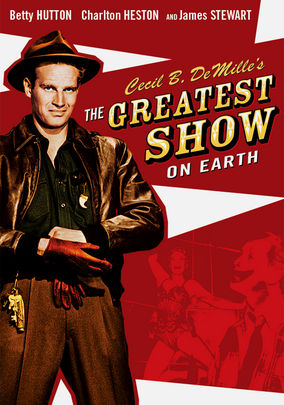
The Greatest Show on Earth-1952

The Greatest Show on Earth-1952

Director Cecil B. DeMille

Starring Charlton Heston, Betty Hutton, James Stewart

Scott’s Review #204
60034703

Reviewed December 14, 2014

Grade: B+

Considered by some critics to be one of the worst Best Picture winners of all time, The Greatest Show on Earth (1952) is quite an impressive Hollywood spectacle and tells the story of the world’s largest railroad circus as they launch a tour and travel throughout the United States, with plenty of drama to experience throughout the film.

The film stars Charlton Heston, Betty Hutton, and James Stewart as the general manager, acrobat, and clown of the show, respectively.

The film used over 1,400 real Ringling Bros. and Barnum & Bailey employees and hundreds of animals in its production, giving it an authentic circus feel.

Unfortunately, the film also has a schmaltzy quality and lacks the best acting, which surprisingly does not bother me and, strangely enough, works in a way.

Various characters have affairs with each other or fall in and out of love rather quickly- it makes for good drama, anyway.

Of course, the main appeal is the extravagant show. While the drama sometimes takes center stage, the lavish production and actual circus events shine through.

My favorite character, and arguably the only interesting character with any depth, in The Greatest Show on Earth is Buttons the Clown, played by James Stewart.

Buttons wears his clown costume, complete with full makeup, at all times. He is kind and mysterious. We learn that he “mercy killed” his dying wife and has joined the circus for protection from the police.

A wonderful human being, he was once a Doctor and tends to anyone in the circus troupe who needs assistance. Later in the film, he plays a vital role after a tragic accident.

His heartbreaking, tender conversation with his elderly mother, whom he only sees secretly once a year for seconds as she tearfully and discreetly visits him in the audience, is painfully sad to watch and is such a sweet scene.

The Greatest Show on Earth’s best scene by far still impresses today is the massive train wreck close to the conclusion.

Made in 1952, the special effects and direction of Cecil B. DeMille are brilliant. The train derails one night in a perfect way—it crashes into an approaching train and derails, highly effective in its enormity.

The scene does not look silly.

The way that all of the drama comes together in this scene—Harry, the crooked midway concessionaire and vicious elephant trainer, Klaus, who is responsible for the accident, Button’s true identity being revealed, and a significant character in peril—makes this scene top-notch and a satisfying conclusion to the film.

The stories involving Brad, Holly, Sebastian, and Angel are soapy and melodramatic and are the film’s weakest point. As a viewer, I couldn’t care less which character lusted after which or who wound up in bed together, but the movie itself is a spectacle, which is my main enjoyment.

The brightness, the revelry, and the circus performances are all wonderful.

Oscar Nominations: 2 wins-Best Motion Picture (won), Best Director-Cecil B. DeMille, Best Story (won), Best Costume Design, Color, Best Film Editing
The Theory of Everything-2014

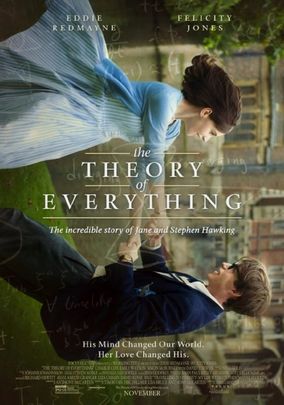
The Theory of Everything-2014

Director James Marsh

Starring Eddie Redmayne, Felicity Jones

Scott’s Review #199

80000644

Reviewed December 2, 2014

Grade: A-

The Theory of Everything (2014) tells the uplifting true story of renowned theoretical physicist Stephen Hawking (played by Eddie Redmayne) and his lifelong battle with a debilitating illness- motor neuron disease, which he was diagnosed with in college.

He and his future wife, literature student Jane Wilde (played by Felicity Jones), meet in 1963 at the prestigious Cambridge University in England and fall madly in love.

From this point, the film focuses on their life-long love affair and Stephen’s subsequent health battles.

Redmayne is wonderful in the lead role.

Portraying a character with both speech and mobility deterioration is not an easy task, especially as the problems become worse and worse over time forcing the actor to express varying levels of disability.

Redmayne rises to the occasion with both believability and conviction making his portrayal as real as possible.

The performance fondly reminded me of another great physical performance, Daniel Day-Lewis in My Left Foot from 1989.

Redmayne is a rising star in Hollywood.

Felicity Jones is also good, though I feel many actresses could have handled the role and there is not as much meat in her part as Redmayne’s.

The remainder of the cast is British actors making the film an authentic feeling. Emily Watson, who plays Jane’s mother, shamefully receives only one scene. Was this talented actress’s role cut?

I get the sense that the filmmakers had Oscar on their minds as the film is geared towards mainstream audiences with a wholesome slant.

The film skims past the complex theories and mathematical aspects and focuses more on the inspirational tale of a person overcoming an immense challenge.

Furthermore, the subsequent quadrangle between Hawking, Jane, Jane’s choir leader (Jonathan), and Hawking’s nurse (Elaine) are toned down and safe from what transpired. Hawking’s family accused his nurse of abusing him which is never mentioned in the film.

The film presents their relationship as wonderful, so clearly, some facts have been softened or omitted altogether, an example of how the film goes for a moral feel.

The situation involving the four real-life characters is messy, but the film makes it seem sweet. Presumably, this is because all the characters are still alive.

This is an interesting aspect of the film and is not necessarily a criticism as much as a perception. Many films embellish reality for entertainment value.

The pairing of Jane and Jonathan seemed inevitable from the moment they met. They had much in common (religion), whereas Stephen and Jane were complete opposites- she was catholic, he was atheist.

The sexual chemistry between Stephen and Elaine was evident when they met. Elaine’s energetic sexiness perfectly contrasts with Jane’s at that point in the film- haggardness and weariness.

The film is not designed to be a downer as it could have been. The focus might have been more sadder than it was. Rather, it is sentimental and empowering.

The Theory of Everything (2014) is a heartwarming, conventional, human story about a man rising above adversity, and at the center of the film is one dynamic performance by Eddie Redmayne.

Oscar Nominations: 1 win-Best Picture, Best Actor-Eddie Redmayne (won), Best Actress-Felicity Jones, Best Adapted Screenplay, Best Original Score

The Normal Heart-2014

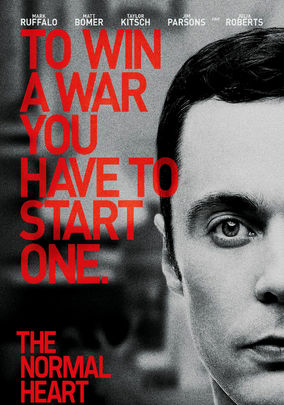
The Normal Heart-2014

Director Ryan Murphy

Starring Mark Ruffalo, Matt Bomer

Scott’s Review #198

70302186

Reviewed December 1, 2014

Grade: B+

The Normal Heart is a 2014 HBO television movie based on the true story of Ned Weeks, an openly gay AIDS activist/writer, played by Mark Ruffalo.

The film is set during the period when the epidemic first surfaced, from 1981-1984, and the challenges and frustrations faced, mostly within the gay community, to bring exposure and assistance to the disease.

Weeks was famous for establishing a group of passionate members who banded together to attempt to hurdle these struggles.

The film was produced by Brad Pitt.

This is wonderful to know as films with this content (AIDS) are often tough to produce. It’s wonderful that Pitt’s wealth and influence were used effectively.

At a vastly different time in the country to be gay, the government did very little to assist with financing funding for treatment or researching a cure for it, which is the main point of the story.

The talented cast makes this film what it is.

Matt Bomer plays Ned’s closeted gay lover, Felix Turner, one of the many casualties of the deadly disease. Bomer lost forty pounds in preparation for the role.

Julia Roberts plays polio-stricken doctor, Emma Brookner, who was instrumental in helping the sick when few others within the medical community wanted to.

Other actors providing support are Alfred Molina, who plays Ned’s supportive, powerful, attorney and brother, and Joe Mantello, who has a terrific meltdown scene as his anger and anguish over the disease not being taken seriously by the government finally bubble to the surface.

Finally, Mark Ruffalo plays Ned competently, but why the slight feminization of the character? The real Ned Weeks was masculine. A needless stereotype the film (or Ruffalo) chose to pursue.

The film shows the discrimination faced by AIDS victims, from an airline pilot refusing to fly a plane carrying a sick patient, to an electrician refusing to enter a patient’s hospital room to fix a television set.

This is sad when one realizes how ridiculous these unfounded fears proved to be.

According to the film’s statistics, a major point of the film is how the United States Government, specifically President Reagan, did very little in the way of funding or even wanting to discuss the issue for years following the initial outbreak, resulting in thousands of lost lives.

And why exactly is Reagan considered a great President?

It makes one ponder. It was only due to beloved Hollywood star Rock Hudson acquiring and dying from the disease and Elizabeth Taylor using her star power to get people involved that finally led to the topic being discussed and action taken on a federal level.

My slight criticism of the film is that it looks and feels like a television movie similar in texture to Behind the Candelabra (2013), another HBO film.

The colors are bright and vivid and look television-like. could have used darker lighting and perhaps a gloomier more dower feel, especially given the subject matter involved in the story.

Otherwise, thumbs up and respect for bringing this story to millions of viewers and hopefully educating those who were not there.

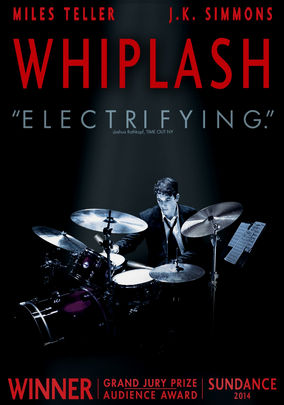
Whiplash-2014

Whiplash-2014

Director Damien Chazelle

Starring Miles Teller, J.K. Simmons

Scott’s Review #192

70299275

Reviewed November 13, 2014

Grade: A

Whiplash (2014) is a film about an aspiring nineteen-year-old Jazz drummer, Andrew Neyman, played by rising star Miles Teller (known for 2013’s indie teen drama The Spectacular Now), who is attending one of the most revered musical schools in the country, the Schaffer Conservatory in New York.

He is mentored and terrorized by his intense and sometimes sadistic conductor, Terence Fletcher, portrayed by J.K. Simmons.

Andrew aspires to be the best drummer and worships Buddy Rich, a famous Jazz drummer from the 1930s and 1940s, who he constantly listens to and emulates.

While Andrew aspires to make the school orchestra that desperately needs a new drummer, he meets a cute girl, Nicole, at the concession stand of his favorite movie theater, and they bond.

Also in the mix is Andrew’s father, played by Paul Reiser. Once an aspiring writer, who never made it big, he struggles as a high school teacher. Andrew’s mother left the family when Andrew was just a toddler leaving just father and son.

The film mainly centers on the tumultuous relationship between Andrew and Terence and Andrew’s determination to be the best drummer in the world.

J.K. Simmons is mesmerizing in his role of Terence and is wonderful to see as Simmons has struggled as a character actor for years.

He gives a powerhouse performance and plows full steam ahead in his viciousness and extreme brutality towards the students, and on more than one occasion reduces a student to tears. If the tempo is not to his liking he shakes his clenched fist in disapproval.

The audience wonders if Terence is mean and sadistic or is tough on the students to make them work harder and achieve great things.

Throughout the film, I wondered if I should hate this character or sympathize with him for wanting the students to excel.

The sexuality of Fletcher is ambiguous.

He belittles and ridicules the students with fat jokes. He hatefully taunts an overweight student about Mars bars and happy meals, uses Irish digs, and inevitably gay slurs on other students, but is he hiding something in his personal life? Is he a closet case? His private life remains a mystery.

As brutal as Terence can be, there are moments of sensitivity that the character exhibits. He tearfully tells the orchestra a heartbreaking story of a former student, whom he admired, who recently died in a car accident.

In another scene, he warmly bonds with a friend’s young daughter.

As brilliant as Simmons is we must not forget to recognize the immense talent of Teller. The young actor does a fantastic job of portraying determination, drive, anger, and vengeance.

Andrew has a wonderful relationship with his dedicated father, a love/hate relationship with Terence, (are they bitter enemies or do they have the respect of a mentor/student?), and a sweet yet uneven relationship with Nicole.

He successfully portrays a myriad of different emotions throughout the film.

Paul Reiser is wonderful in an overlooked and thankless role as Andrew’s unsuccessful, yet forever faithful father.

Thankfully the film chose to center on the conductor/student dynamic. The romantic relationship with Nicole did not take center stage and usurp the main story, as I felt that the dynamic between the two was of lesser importance to the whole.

The finale, an intense concert performance scene focusing on the intensity between Terence and Andrew, is superbly done. The close-up camera shots of the two add much to the climax.

In fact, throughout Whiplash, extreme close-up shots of sweat and blood and intensity during performances and practices add to the overall rawness of the film.

Whiplash (2014) is an intense, sometimes brutal, assaulting experience, but an amazing film.

Oscar Nominations: 3 wins-Best Picture, Best Supporting Actor-J.K. Simmons (won), Best Adapted Screenplay, Best Sound Mixing (won), Best Film Editing (won)
Independent Spirit Award Nominations: 2 wins-Best Feature, Best Director-Damien Chazelle, Best Supporting Male-J.K. Simmons (won), Best Editing (won)

Birdman-2014

Birdman-2014

Director Alejandro G. Iñárritu

Starring Michael Keaton, Edward Norton, Emma Stone

Scott’s Review #190

80000643

Reviewed November 6, 2014

Grade: A

Birdman (2014) is a unique art film that, happily, has garnered major exposure and publicity because a movie like this runs the risk of receiving praise and notice only from the art-house crowd itself.

The film’s star, Michael Keaton, portrays Riggan Thomson, a former action hero superstar from the 1990s, who was made famous for the “Birdman” character he created.

Having made sequels to the film, his career has since dried up and he hopes to establish credibility and prove himself a real actor by writing, directing, and starring in his play.

The film is set in and around the Broadway theater in New York City.

As opening night approaches, he struggles to pull everything together and emit a successful production while faced with an injured terrible actor, a difficult actor, his insecurities, and a miserable theatre critic destined to ruin his big chance.

To make matters worse, his daughter Sam, played by Emma Stone is a recovering drug addict who hangs around the theatre distracting actors with her charm and good looks.

Naomi Watts and Edward Norton play Leslie and Mike, other cast members in the production. Watts is sympathetic as the emotional actress with a heart of gold who finally has her dream of performing on Broadway realized.

Norton, outstanding as Mike, is blunt yet socially awkward and can only perform truthfully on stage.

Keaton is simply a marvel as he plays a dark and vulnerable man. He hates and wishes to shed his ridiculous movie persona of yesteryear and secretly cringes when recognized by fans. He uses it with a voice inside his head when he played “Birdman” years earlier.

The uniqueness of the film is the use of what seems like one long take as the action rarely stops and is ongoing. The film belongs to Keaton, who wonderfully relays vulnerability, pain, and fear within with an outward persona of bravery and masculinity.

Throughout the film I wondered, is Riggan suicidal? What is real and what is imagined? Are certain scenes foreshadowing later events?

The film has much depth.

One marvels at how art imitates life, is Keaton portraying himself? He was the original Batman in the successful superhero franchise beginning in 1989 and his career tanked shortly after.

Birdman is a comeback film for him and he is devastatingly good.

Norton’s character Mike impressed me. He is blunt flawed, scared, and addicted to the stage.

Stone has one particularly brilliant scene as she lambasts her father and with regret, later on, tells him that the world has moved on without him and that he is irrelevant just like everyone else. It is a powerful scene.

In another, Riggan is locked outside the theater during the performance, clad only in his underwear. How on earth will he return to the stage and complete the show? The quick slights at current Hollywood superstars playing superheroes, specifically Robert Downey Jr. are deliciously naughty.

It is impossible to predict what will come next and the film is very New York theater style. Keaton’s run-in with a theater critic in a cocktail bar is the best scene in the film as the critic’s vicious critique of “You’re a celebrity, not an actor” resonates with both pain and tremendous anger for Riggan.

Riggan is a sensitive, struggling man and Keaton so wonderfully shows his vulnerability in every scene.

Oscar Nominations: 4 wins-Best Picture (won), Best Director-Alejandro G. Iñárritu (won), Best Actor-Michael Keaton, Best Supporting Actor-Edward Norton, Best Supporting Actress-Emma Stone, Best Original Screenplay (won), Best Sound Editing, Best Sound Mixing, Best Cinematography (won)

Independent Spirit Award Nominations: 3 wins-Best Feature (won), Best Director-Alejandro G. Inarritu, Best Male Lead-Michael Keaton (won), Best Supporting Male-Edward Norton, Best Supporting Female-Emma Stone, Best Cinematography (won)

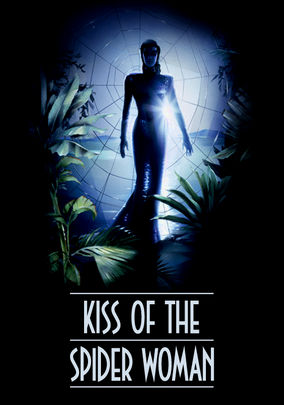
Kiss of the Spider Woman-1985

Kiss of the Spider Woman-1985

Director Hector Babenco

Starring William Hurt, Raul Julia

Scott’s Review #187

60010547

Reviewed October 24, 2014

Grade: B+

1985 was not the best year for film nor was much of the 1980s, as I think about it, but unique standouts do exist and Kiss of the Spider Woman is an unusual and artistic film.

Set in present-day South America (Brazil) two men are imprisoned for very different reasons and are cellmates in the prison where they are captives.

Complete opposites, they form an unlikely bond, centering on friendship, but also skirting toward romance, flirtation, and at times, love.

Luis Molina is outwardly homosexual and extremely flamboyant and perhaps out of touch with reality as he fantasizes and describes romantic Nazi films. He is imprisoned for not only being homosexual but for having sex with an underage male.

The other man, Valentin Arregui, is a liberal, political activist, who has been beaten, tortured, and interrogated due to his revolutionary-leaning politics. He has a rough, macho edge to him.

On the surface, the two men have nothing in common, but due to proximity, forge a close bond and mutual respect as their lives pre-imprisonment are explained to each other as well as to the audience.

The true strength of this film is the performance, very against type, of William Hurt- the best performance of his career by a mile. He completely embodies the character of Luis in his effeminacy, yearning, pain, and obsession with escaping reality through film.

Raul Julia has the same effect, though in a completely different way, as he portrays Valentin. Luis tenderly comforts Valentin, who is being poisoned by prison officials, by incorporating his stories of films into Valentin’s real life, as he yearns for his separated lover, Marta.

As Luis begins falling in love with Valentin, and one is seemingly double-crossed by the other, it leads to a test of courage and dedication to each other.

The ending of the film is a sad one, dark, yet thought-provoking, and shows love, tenderness, and bravery.

My only negative from Kiss of the Spider Woman (1985) is at moments, using the flashback series or through the film that Luis explains, it is tough to follow and surmise what is exactly going on in the story, but the performances of Hurt and Julia, and the chemistry between them, are the films major strengths.

Oscar Nominations: 1 win-Best Picture, Best Director-Hector Babenco, Best Actor-William Hurt (won), Best Screenplay Based on Material from Another Medium

Independent Spirit Award Nominations: 1 win-Best International Film (won)

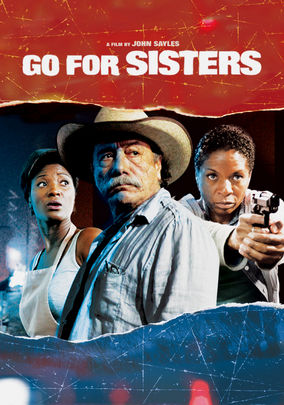
Go for Sisters-2013

Go for Sisters-2013

Director John Sayles

Starring Edward James Olmos

Scott’s Review #177

70272916

Reviewed September 27, 2014

Grade: B-

Go for Sisters is a 2013 independent feature film about a female parole officer (Lisa Gay Hamilton) with a troubled, missing son named Rodney, feared to be mixed up with the murder of a drug dealer.

The film takes place in California and Mexico.

Hamilton plays Bernice, a middle-aged black woman, who has always done the right thing. Widowed and recently dumped by a new boyfriend, she runs into ex-convict Fontayne, played by Yolonda Ross, at her parole office.

Initially wanting nothing to do with her former high school friend, Bernice decides to use Fontayne’s criminal connections to locate Rodney.

From this point, they hire retired Mexican police officer Freddy Suarez, played by Edward James Olmos, and the trio embarks on an adventure across the border of Mexico.

I love the story involving the two female leads (Hamilton and Ross) who share a Thelma and Louise-type bond.

The characters reconnect with each other and develop independently. Straight-laced Bernice toughens up and breaks a few rules while Fontayne, determined to go straight, struggles to keep her head above water, resisting drugs and attempting to hold down a job.

The two forge a bond based on trust, respect, and loyalty, and their friendship grows throughout the film.

One gripe about Fontayne’s character- she admits to being a lesbian but then mentions she is not sure if she is or if she is not. This sexual identity crisis seems strange- why couldn’t the film make her a lesbian? Why the hedging?

The remaining aspects of the film are mediocre to weak.

Adding the character of Freddy to the mix is unnecessary. He adds little to the plot except helping the women get into Mexico and being male comic relief.

Either way, I didn’t find the character very interesting or care about him and the film would have been better off without Freddy.

What was the reasoning behind making him have poor eyesight? What was the point of Freddy taking a young woman and her daughter to breakfast and realizing they were crossing the border to find her estranged husband? Who cares?

It had nothing to do with the plot.

All the audience knows about Freddy is that he is retired due to a misunderstanding, accepts money to help Bernice and Fontayne, and tags along with them for the rest of the film.

The stereotypes should have been eliminated. The Chinese dragon lady and the corrupt Mexican police officers have been played to death in films and are rather insulting to smart and serious movie-goers.

I found the plot a bit tough to follow and I still don’t understand how or why Rodney was involved with the Chinese mob in the first place other than to help Chinese immigrants cross the border.

Was he involved in the money or wanted to help the immigrants cross to the United States?

The film mentions countless times how Rodney is a decent person so what’s his motivation? The film never wholly explains why he is kidnapped and a suspect in a murder case.

Also, countless characters are introduced to help the women on their journey with some connection to the kidnap victim but are written haphazardly with no character development.

The ending of Go for Sisters (2013) is too predictable and leaves the audience not caring about the outcome.

Despite numerous negatives, the heart of the film belongs to the talents of Hamilton and Ross and their characters’ interesting and warm friendship that develops throughout the film.

Independent Spirit Award Nominations: Best Supporting Female-Yolonda Ross

A Star is Born-1954

A Star is Born-1954

Director George Cukor

Starring Judy Garland, James Mason

Scott’s Review #175

995474

Reviewed September 25, 2014

Grade: B+

A Star Is Born (1954) was considered Judy Garland’s much-touted comeback film and was very expensive for Warner Bros. to produce.

Garland delivers her finest career performance, even better than her portrayal of Dorothy in The Wizard of Oz (1939). The performance is multi-faceted, complex, comical, silly, poised, emotional, dramatic, and heartfelt.

Playing Esther Blodgett- later changed to Vicki Lester for more Hollywood potential, she is a struggling lounge singer who meets a successful actor named Norman Maine, played wonderfully by James Mason.

Esther saves Norman from public humiliation at a function where he attempts to take the stage while inebriated.  They strike up a friendship, and he convinces her to pursue films. However, through a series of misunderstandings, she assumes he has ditched her.

Determined to become a star anyway, Esther forges her path to success. They reconnect, and Norman recognizes her talent and pursues her professionally and romantically. They marry, and she becomes a star while his career hits the skids, mainly due to his alcoholism.

The talented Mason and Garland are at the forefront of the film and are the reasons for its success.

A few key scenes stand out to me as powerful or essential- The scene involving a musical number over a dinner of sandwiches in their posh living room is wonderfully merry and light; a delivery boy who does not know who Norman is ruins the mood and causes jealousy to come to a head in his marriage to Esther.

Garland’s emotional scenes are excellent, especially in her dressing room, where she crumbles when she realizes Mason has hit rock bottom.

The best scene is the Academy Awards scene, where a drunken Norman causes a public spectacle as Esther receives her top honor, spoiling her night and accidentally hitting her in the face in front of millions.

What a forgiving woman Esther is for staying with him and ultimately choosing him at the risk of ruining her career.

An interesting aspect of the story is that Garland’s character is not some ugly duckling transformed into Hollywood royalty—she already has the talent. She needs a break but is not down on her luck or starving. She makes a decent living with a touring band and is torn about leaving them.

The musical numbers are inspiring and one is reminded why Garland is such a star as she belts them out of the park like nobody’s business, however, they do little to further the plot.

The film sometimes drags a bit, as is often the case in the first half, but the second half (post-intermission) is brilliant, and the ending is tragic yet heartwarming.

Will Esther’s career continue to flourish?

A major flaw with the film is the usage of still frames with dialogue overlapping due to lost footage. This makes following the story very tough, and the continuity is affected. It also looks ridiculous, and for the viewer to be captured by the story and only view a discolored still shot with audio is disappointing.

Indeed, this can be corrected.

A Star Is Born (1954) is the perfect vehicle for Garland to return to her grand position among the Hollywood treasures.

Oscar Nominations: Best Actor-James Mason, Best Actress-Judy Garland, Best Scoring of a Musical Picture, Best Song-“The Man That Got Away,” Best Art Direction, Color, Best Costume Design, Color

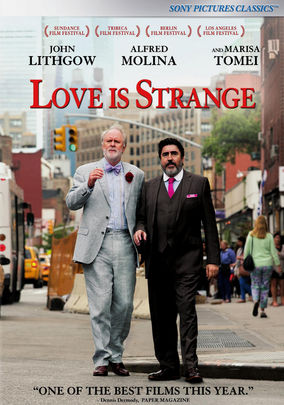
Love Is Strange-2014

Love Is Strange-2014

Director Ira Sachs

Starring John Lithgow, Alfred Molina

Scott’s Review #174

70299861

Reviewed September 24, 2014

Grade: B

Love Is Strange (2014) is sweet, though not nauseatingly sentimental, looking at many different types of relationships, at the forefront is the same-sex couple, Ben and George, played by John Lithgow and Alfred Molina respectively.

They are a successful New York City couple of a certain age, together for nearly thirty years, and finally legally wed in a low-key ceremony surrounded by friends and family.

George teaches music at a strict Catholic high school where the students and staff know and love him and his new husband. The bishop is not supportive of his marriage and he is unceremoniously fired.

This causes Ben and George to become homeless and rely on family and friends for a roof over their heads.

The film features several secondary character relationships.

Ben’s nephew and wife balance busy careers with a temperamental, rebellious, confused son; Ben’s niece from Poughkeepsie seems neurotic.

Neighbors who are gay police couples have loud parties seemingly every night. Marisa Tomei, who plays Ben’s niece by marriage, Kate, and Charlie Tahan as Joey, Ben’s great-nephew are probably the most prominently featured in the supporting cast.

While well-meaning and accommodating, Kate bottles her anger and comforts herself with nightly consumption of red wine. Joey lashes out at his great Uncle in frustration criticizing his artwork and scolding him for using his teen friend in a portrait, a friend whose sexuality is unclear.

Most other characters are not fleshed out well and are there to move the plot along. This is slightly disappointing. I would have preferred a bit more backstory regarding the rest of the cast.

Throughout the film, a few clues are dropped surrounding Joey and his friend’s sexuality, but not pursued further than on the surface.

I was curious about the cop’s back story. How long have they been together? Do they face conflict at work? Numerous scenes show both cops in uniform while running errands or visiting the hospital, which seems to be the film’s desire to emphasize that cops can be masculine and gay- a fact I love, yet the characters are only one-dimensional.

Why is Ben’s niece neurotic? This is also not pursued at all.

The film belongs to Lithgow and Molina. The two have such effortless, natural chemistry that the audience instantly believes they have been together for decades. The fact that Lithgow and Molina are lifelong friends in real life surely adds to the realism and naturalness.

Ben is the yin to George’s yang. The performances of Lithgow and Molina are so understated and calming that one might overlook how excellent they are since they are both low-key characters.

Love Is Strange (2014) is a film about strength, courage, loyalty, and perseverance through life’s challenges.

It is a sensitive and lovely film.

Independent Spirit Award Nominations: Best Feature, Best Male Lead-John Lithgow, Best Supporting Male-Alfred Molina, Best Screenplay

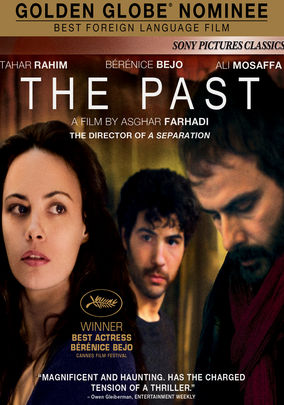
The Past-2013

The Past-2013

Director Asghar Farhadi

Starring Berenice Bejo, Tahar Rahim

Scott’s Review #171

70275523

Reviewed September 16, 2014

Grade: B+

The Past (2013) is an international film directed by acclaimed Iranian director Asghar Farhadi, who directed the brilliant A Separation in 2012.

Despite being directed by an Iranian director, the film is written in French and set in France.

While not quite on the level of A Separation, The Past is still a good, layered, and quite compelling film, though admittedly slow-paced in spots, similar to real life.

The film centers on a couple, Marie and Ahmad, amid a divorce. Marie lives in France with her two daughters from a relationship before Ahmad so they have no children. He lives in Iran and comes to visit and finalize the divorce proceedings.

Further complicating the situation is that Marie is in a relationship with another man, Samir, who has a son with his current wife, who is a vegetable in a coma after a suicide attempt.

What were the events that led her to attempt suicide? Did someone reveal something of importance to her? If so, who?

Questions such as these compel viewers to invest in the characters.

The Past is an excellent family drama done right- there are no needless stereotypes and the children serve more of a purpose than being cute or attractive wallpaper like in many family dramas.

Each child involved- there are 3- has real feelings and realistically expresses themselves. All three principal adult characters are mature, complicated, and have depth. Nobody is the villain and the intent is not to make the audience root for one couple over the other- the film is more mysterious than that.

Rather, the audience spends the film trying to figure out secrets that the characters keep.

Is Marie ready to divorce Ahmad or does she still love him? Does Samir blame Marie for his wife’s condition? Why does the oldest daughter hate Samir so much?

These are questions that arise more and more as The Past unfolds.

Another interesting facet of the film is there are no red herrings introduced to manipulate the viewer. The film is simply a detailed, complex drama.

All three leads (Berenice Bejo, Tahar Rahim, and Ali Mosaffa) give wonderful performances, though I’m not sure why Bejo’s performance is considered the standout.

Upon completion and thought, I noticed many similarities to A Separation.

The Past (2013) is a good, solid, family drama, with rich writing and honest, compelling situations.

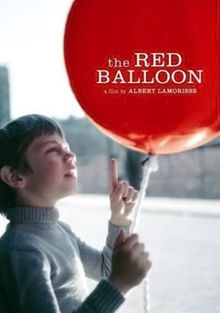
The Red Balloon-1956

The Red Balloon-1956

Director Albert Lamorisse

Starring Pascal Lamorisse

Scott’s Review #170

220px-Red_balloon

Reviewed September 15, 2014

Grade: A

The Red Balloon (1956) is a poignant short film (thirty-four-minute running time) in its innocence and creativity.

Directed by acclaimed French filmmaker Albert Lamorisse, it tells the story of a young Parisian boy named Pascal who befriends a special red balloon that arrives and greets him one day.

Amazingly, the balloon follows him everywhere, and they become inseparable friends. The balloon has a mind of its own and protects Pascal from schoolyard bullies and others who do not understand or care about his bond with it.

The balloon does not leave his side, and he waits outside during school hours and sleeping hours.

Director Lamorisse’s children play Pascal and a little girl with a similar blue balloon.

The film is shot in Paris and features many beautiful city glimpses. Unfortunately, the neighborhood (Belleville) where most of the adventure takes place, where little Pascal and his balloon meander through the streets to and from school, no longer exists and was destroyed in the 1960s due to decay.

It is a bleak, melancholy neighborhood that perfectly contrasts the extreme brightness of the balloon.

The Red Balloon is a thought-provoking short film and contains almost no dialogue. None is needed as a powerful message of friendship, heartbreak, and loyalty is portrayed.

The climax of the film is heartbreaking yet uplifting.

The Red Balloon is a film that people of all ages can enjoy and fall in love with. In fact, for many years, educators have shown it to children.

The Red Balloon is the only short film to win the Academy Award for Best Writing (Original Screenplay).

Oscar Nominations: 1 win-Best Screenplay-Original (won)

Mandela: Long Walk to Freedom-2013

Mandela: Long Walk to Freedom-2013

Director Justin Chadwick

Starring Idris Elba, Naomie Harris

Scott’s Review #169

70278999

Reviewed September 13, 2014

Grade: B

Mandela: Long Walk to Freedom (2013) recounts the true story of the life and times of South African leader Nelson Mandela chronicling fifty-plus years of his life from 1942 to 1994, his passion for freedom and dedication to anti-apartheid, his battles with the government, and his struggles to survive in prison.

The film is shot beautifully, the cinematography gorgeous, and the South African landscape is breathtaking.

I enjoyed the chemistry between Idris Elba and Naomie Harris, who plays Nelson Mandela and his second wife Winnie respectively, and Elba, in particular, is very well cast.

He is charismatic, handsome, calm, and perfectly encompasses the famous leader’s mannerisms.

It was interesting to be exposed to a biopic that spanned such a lengthy period and, in a way, is a history lesson, especially for viewers young enough not to remember the details of Mandela’s life.

I was too young to know of all of Mandela’s trials and tribulations.

For example, I knew he was imprisoned and released, but knew not how long he had spent in prison and away from his wife and family. I got the sense that factually, some details were either embellished or skipped over entirely.

I’ve heard this criticism from moviegoers regarding Mandela: Long Walk to Freedom.

A few drawbacks- this film is VERY Hollywood. It has a glossy feel to it. I would have preferred a bit more grit.

Was there any sexual abuse while Mandela was imprisoned? Was Winnie abused while she was in prison? Why was the lack of sexuality in Mandela’s and Winnie’s marriage in later years alluded to, but never explored?

This is a negative to the film.

Since the film is rated PG-13, aspects are toned down and it has a very safe feel.

Also, for such a perfect shot and designed film, the makeup is dreadful! It was apparent that Idris Elba was wearing a glued-on, unflattering grey wig.

Furthermore, the woman playing Mandela’s mother was surely the same age if not younger than Elba, with dyed grey hair. This aspect feels poorly produced.

Overall, Mandela: A Long Walk Freedom (2013) is a good film, largely due to its acting and the look of the film, but it is not a great one.

Oscar Nominations: Best Original Song-“Ordinary Love”

Pit Stop-2013

Pit Stop-2013

Director Yen Tan

Starring Bill Heck, Marcus DeAnda

Scott’s Review #168

70268909

Reviewed September 10, 2014

Grade: B

Pit Stop is a small independent film from 2013 that centers on a group of gay men living in rural Texas, outside of Houston or San Antonio.

The plot focuses on two specific men, Gabe and Ernesto, who are not acquainted with each other. They tell of their ups and downs, mostly regarding dating and relationships.

Gabe lives with his ex-wife Shannon and they share a child they raise together as a family. They have a warm relationship and live together as friends.  Gabe was recently dumped by a married man who wants Gabe to stop calling him.

Ernesto lives with a younger man whom he used to date and is trying to convince him to move out and get his life together.

Ernesto also has a former partner who is comatose and whom he continues to visit in the hospital.

A subplot of the film is Shannon’s struggles to date. She arranges a date with a co-worker and, after drinking too much, embarrasses herself by coming on too strong to him.

The point of the film is that all of the characters are struggling to find love and companionship and most are quite lonely people, yet not unbalanced or neurotic folks.

They reside in the middle of nowhere which dims their chances of finding love.

There are no villains and all the characters are quite likable. There is a rooting value to each of them especially towards Gabe and Ernesto and all along I kept hoping that they would be brought together as they seem to be a wonderful pair fraught with potential chemistry.

Both are caregivers in their current situations so interesting is what transpires after the film.

Pit Stop (2013) is a feel-good, happily-ever-after type film, mostly screened at independent film festivals and the gay festival circuit.

The film is small and steady, but nice, uplifting experience and worth checking out.

Independent Spirit Award Nominations: John Cassavetes Award

Gloria-2012

Gloria-2012

Director Sebastian Lelio

Starring Paulina Garcia

Scott’s Review #167

70270790

Reviewed September 10, 2014

Grade: B+

The subject matter of the film Gloria (2012) is so unusual in this day and age of the clichéd, youth-obsessed world of Hollywood that it is incredibly refreshing and pleasing to view.

Gloria tells the story of the title character, a middle-aged (50’s) divorced woman, living in Chile, who simply lives life to the fullest.

She loves and embraces new experiences. She tries smoking pot, sings along to disco songs, and dances the nights away.

Gloria is looking for love, but she is not a depressed or dowdy woman. She is stable, attractive, intelligent, and funny.

She lives!!

Gloria meets and begins a relationship with Rodolfo, a similar-aged divorced man with a family filled with baggage whom she meets in a nightclub. His ex-wife and two daughters reside with and are dependent on, him.

The film wisely does not feature Rodolfo’s family at all until the very end which adds to the mystique of the character. Gloria and Rodolfo begin a series of trials and tribulations involving both of their families.

Gloria introduces Rodolfo to her family at a birthday party in which her ex-husband and his current wife are in attendance.

Her family is very close including her relationship with her ex-husband and his new wife. They take a wine-induced trip down memory lane. This is too much for Rodolfo and he bails. He is constantly barraged with phone calls from his family during alone time with Gloria.

They continue to have ups and downs.

The audience wonders, will they find their way to a happily ever after? Is Rodolfo really a cad? Does Gloria want to settle down? A moment of bliss at an expensive hotel is ruined by an event and the audience’s heart breaks for Gloria.

How wonderful that this film dares to feature more than one explicit nude scene between these two middle-aged people in a classy, tender style. This is not common in American films so happily, foreign-language films are not as rigid or prudish in their sexuality.

Why Paulina Garcia received little recognition for this role is unfortunate to me. She deserved an Oscar nomination as she relays an enormous level of complex emotions- she feels the loss, she is betrayed, she is giddy, she is silly, and the list goes on and on.

Gloria, at times, is admittedly slow-paced, but what a breath of fresh air the film and the story is.

The film is a character-driven, tender tale centering on mature, intelligent people.

Independent Spirit Award Nominations: Best International Film

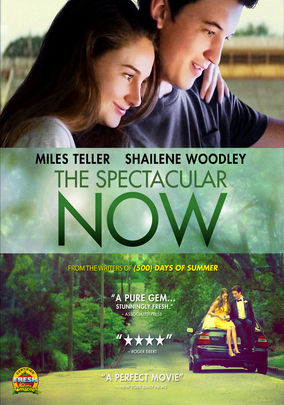
The Spectacular Now-2013

The Spectacular Now-2013

Director James Ponsoldt

Starring Miles Teller, Shailene Woodley

Scott’s Review #161

70267439

Reviewed August 29, 2014

Grade: B

The Spectacular Now (2013) is a coming-of-age independent film that tells the story of a romance between two unlikely high school seniors.

Sutter (Miles Teller) is a popular student who takes a shine to smart loner Aimee (Shailene Woodley) and the two develop a strong bond as they each struggle with parental issues while being opposite social types.

She is college-bound and motivated, he lives in the now with no thoughts of the future. But somehow they forge a connection.

The success of this film lies with Teller and Woodley who each give nice performances and the chemistry between them is evident.

At first, I neither bought Teller as a traditionally popular kid nor Woodley as the friendless recluse, but somehow the film works as each has a rooting value to them.

Sutter’s ex-girlfriend Cassidy, whom he still has feelings for is played by Brie Larson, and the character is rather undeveloped, needless, and not much rooting value for her or competition for the main couple.

Interestingly, alcohol and alcoholism are touched on as the two leads drink quite heavily and regularly for being only eighteen years old, but glossed over.

I think the film is more about the romance between the two rather than any social issues.

There are capable supporting performances by Jennifer Jason Leigh, Kyle Chandler, and Mary Elizabeth Winstead.

Shailene Woodley received an Independent Spirit Award nomination for Best Actress, but Miles Teller received no nomination and I am surprised as I thought he was a bit better than she was and had the meatier role.

The Spectacular Now (2013) is hardly anything groundbreaking, but a nicely told story that is authentic and admirable for a teen film.

Independent Spirit Award Nominations: Best Female Lead-Shailene Woodley, Best Screenplay

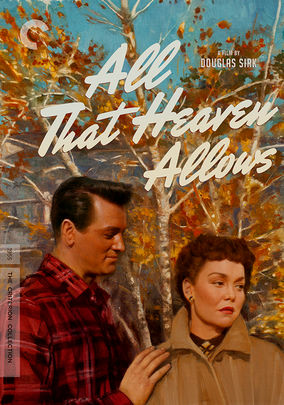
All That Heaven Allows-1955

All That Heaven Allows-1955

Director Douglas Sirk

Starring Rock Hudson, Jane Wyman

Scott’s Review #159

60020660

Reviewed August 26, 2014

Grade: B+

All That Heaven Allows (1955) is a perfect-looking film. Director Douglas Sirk famously dressed his films in a contemporary, stylish fashion. As evidenced by the story in this film, his movies traditionally contain a social aspect.

Affluent socialite Cary falls in love with handsome young gardener Ron, and they face discrimination in a town where status is everything and gossip is rampant.

I love the chemistry between Jane Wyman (Cary) and Rock Hudson (Ron). The small town in New England is so perfect looking- sets, cinematography, that it fits the subject matter perfectly- most of the townspeople live these seemingly perfect lives and look down on anyone with a different outlook or way of living.

There is a feeling oozing from these people that contrasts perfectly with Ron’s open-mindedness and freedom and the conflict Cary faces.

On the one hand, she is passionate about Ron and wants to live with him; on the other, she is unsure if she wants to give up a comfortable, affluent life with perks like a social club and a beautiful house.

The chemistry between the leads is really what makes this film unique.

All That Heaven Allows (1955) influenced one of my favorite films, the masterpiece Far from Heaven (2002), which substituted the age factor for race.

Short Term 12-2013

Short Term 12-2013

Director Destin Daniel Cretton, Lakeith Stanfield

Starring Brie Larson

Scott’s Review #149

70272893

Reviewed August 6, 2014 

Grade: C+

Having just viewed Short Term 12 (2013), I am not sure I am getting all of the “this movie is brilliant” or “beyond amazing”, or glowing praise surrounding the film.

The film is set in a group home for troubled teens and centers around the supervisor of the home named Grace (Brie Larson). Grace runs the home with her boyfriend and other twenty-something, mostly former troubled youths.

The film’s focal point is Grace and both her problems (she is pregnant and her abusive father is being released from prison) and her relationships with the teens currently staying in the group home.

The film is fairly engaging but seems a bit forced and not gritty enough given the subject matter.

I enjoyed the relationship between Grace and a new charge, Jayden, whom she befriends. The group of teens is almost too perfectly cast, however- with a mix of races and stereotypes, the kids did not come across as genuine.

I would have liked to see more backstory for some of the kids besides the two that were given one.

Subjects were introduced but not followed through with- Why was Grace’s father never introduced onscreen? Where was the mother? Her childhood issues were mentioned only in passing. Some of Grace’s actions were unrealistic and out of character for a counseling supervisor.

Would she smash the windows of one of the teen’s father’s cars out of anger and not consider the repercussions? And what was with the constant poop jokes, especially in the first ten minutes?

That was dumb and out of place.

The film feels glossed over and I didn’t feel the realism- almost like a CBS television drama with swear words added to seem harsher. The subject was brave, but many more details could have been delved into and explored in Short Term 12 (2013).

Independent Spirit Award Nominations: 1 win-Best Female Lead-Brie Larson, Best Supporting Male-Lakeith Stanfield, Best Editing (won)

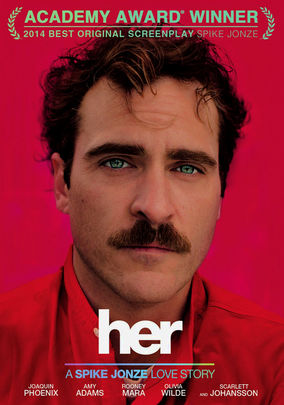
Her-2013

Her-2013

Director Spike Jonze

Starring Joaquin Phoenix, Scarlett Johannson

Scott’s Review #147

70278933

Reviewed August 5, 2014

Grade: A-

Her (2013) is a very unique film directed by Spike Jonze.

The film tells the tale of a lonely, depressed man named Theodore, played by Joaquin Phoenix, who lives in a beautiful high-rise in futuristic Los Angeles.

He works as a writer for a company that creates intimate cards for people in relationships. Having suffered a recent divorce, he falls in love with his computerized operation system named Samantha, played by Scarlett Johansson- voice only.

Conflicts emerge as the relationship deepens and intensifies. Her is a love story uniquely crafted, but also a story of loneliness and the world of technology we now live in.

It portrays human relationships as troubled and unsuccessful yet several characters have wonderful relationships with computers.

Is this what the future may bring with human beings? How many people have fallen in love with a fantasy or a voice on the phone?

The film ponders why relationships have been changed due to technological advances and wonders what will happen further into the future. Technology, while wonderful, has changed our interpersonal relationships and this film successfully delves deeply into that aspect.

The conversation is a lost art and Her features the joys and the tragedies of technology.

Visually, the film is successful because it portrays Los Angeles in a sophisticated, ultra-sleek, modern way that is fascinating.

Several technological games are featured (the Alien child is brilliantly comical) and the “Mom points” is fascinating in its irony.

Her is a deep film that raises questions and I applaud this in modern cinema.

Her is a slow-moving film, but a questioning one.

It won the 2013 Best Original Screenplay Oscar and I am so glad the academy recognized the originality of this film.

Oscar Nominations: 1 win-Best Picture, Best Original Screenplay (won), Best Original Score, Best Original Song-“The Moon Song”, Best Production Design

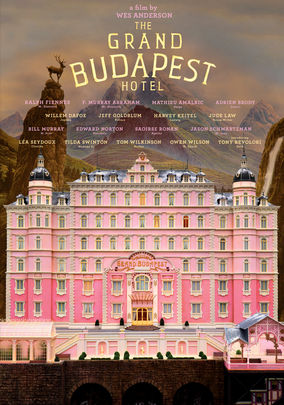
The Grand Budapest Hotel-2014

The Grand Budapest Hotel-2014

Director Wes Anderson

Starring Ralph Fiennes, F. Murray Abraham

Scott’s Review #143

70295915

Reviewed July 30, 2014

Grade: B+

The Grand Budapest Hotel (2014) is a witty and unique film by director Wes Anderson, who has also directed similarly quirky films,  notably Monsoon Kingdom (2012) and The Royal Tenenbaums (2001).

The famous story of the history of the Grand Budapest Hotel is recounted, over dinner, by the current owner Zero (played by F. Murray Abraham), and an inquisitive guest (Jude Law).

The film then goes back to the 1930s and shares the story of the actual history of the hotel.

The main story centers on the head concierge, Gustave, (Ralph Fiennes), and his antics involving older wealthy blonde women, a murder, stolen art, and a missing will.

Gustave is a ladies’ man, and bisexual, who spends time with the rich women who stay at the hotel.  Fiennes does an excellent job as the quick-witted, almost manic Gustave.

This sets off a series of interesting, mysterious events for the remainder of the film that turns into a whodunit yarn.

The visual aspects usurp the story. The art direction is amazing. The sets are constructed so perfectly and ingeniously that they almost look like animated sets or like a dollhouses.

The costumes and makeup are flawless.

The story tends to be tough to follow at times and is just not as strong as the other aspects of the film, although this is not to be interpreted as the story is not good- it is entertaining, but nothing more.

It’s just that the other aspects of the film are magnificent and the story is secondary. It’s an odd film, certainly, but unique and interesting.

Well-known Hollywood stars appear- Tilda Swinton, Edward Norton, Adrien Brody, Willem Defoe, and Harvey Keitel.

Oscar Nominations: 4 wins-Best Picture, Best Director-Wes Anderson, Best Original Screenplay, Best Original Score (won), Best Production Design (won), Best Cinematography, Best Makeup and Hairstyling (won), Best Costume Design (won), Best Film Editing

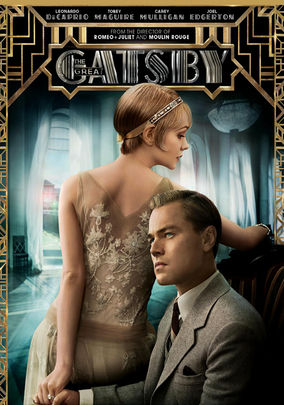
The Great Gatsby-2013

The Great Gatsby-2013

Director Baz Luhrmann

Starring Leonardo DiCaprio, Tobey Maguire

Scott’s Review #142

70244437

Reviewed July 29, 2014

Grade: A

Despite some mixed reviews of this movie, I loved it.

Having read the classic novel, The Great Gatsby, by F. Scott Fitzgerald, I was familiar with the story of excess and scandal during one sweltering summer in the well-to-do Long Island, NY community during the 1920s.

Directed by Baz Luhrmann (Moulin Rouge) I found the look of the film lavish, realistic, and gorgeous- perfect ambiance and a dream-like quality.

I loved the casting of Leonardo Dicaprio as Gatsby, Carey Mulligan as Daisy, and Tobey Maguire as Nick Caraway.

The chemistry among the three leads is apparent and visually the film is spectacularly dressed, from costumes to gorgeous sets, and the speech patterns of the era- “old sport”, and “row”, is used frequently and seem authentic.

Many complained about the mixing of modern rap music with a film set in the 1920s, which does sound strange on paper, but I enjoyed that aspect of it and feel it gave a contemporary edge to the film.

There are slight adjustments from the novel, but I thought it was a very successful transition to the big screen.

Oscar Nominations: 2 wins-Best Production Design (won), Best Costume Design (won)

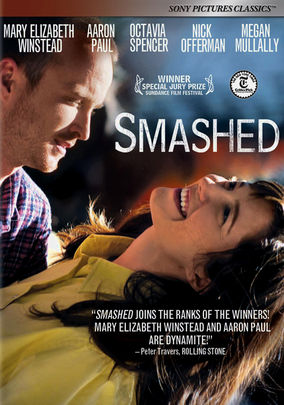
Smashed-2012

Smashed-2012

Director James Ponsoldt

Starring Mary Elizabeth Winstead, Aaron Paul

Scott’s Review #139

70227949

Reviewed July 28, 2014

Grade: B

Smashed is an independent film made in 2012, as a showcase for Mary Elizabeth Winstead, who impressed me enormously as an actress.

She gives a fantastic portrayal of a twenty-something elementary school teacher who is an alcoholic.

Known for either crappy or supporting roles (or both) in bombs like The Thing (2011) and Live Free or Die Hard (2007), Winstead comes into her own with her performance and is the main reason to see the film.

I am always amazed when an actor who previously has not been given great material that allows them to shine, finally goes indie and takes a risk.

Aaron Paul plays her husband, who is also an alcoholic. They both love music and partying. When she decides to sober up, conflict emerges in their marriage.

Despite the subject matter of alcoholism, the film is not a downer. It borders on romantic comedy with drama thrown in and is not depressing.

My one criticism would be the side effects of alcoholism are glossed over. There is not much grittiness in the film-she becomes an alcoholic, struggles a bit, and recovers, almost television movie-like.

The true, horrific battles are not shown.

Octavia Spencer and Megan Mullally appear in small roles.

Independent Spirit Award Nominations: Best Female Lead-Mary Elizabeth Winstead

Gun Hill Road-2011

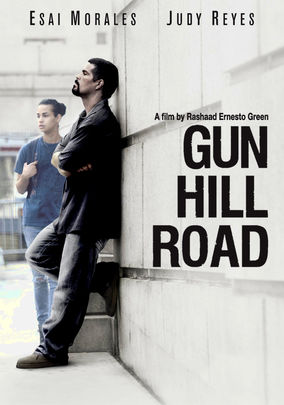
Gun Hill Road-2011

Director Rashaad Ernesto Green

Starring Esai Morales, Harmony Santana, Judy Reyes

Scott’s Review #138

70167100

Reviewed July 27, 2014

Grade: A-

Gun Hill Road (2011) is a very small, independent film set in the Bronx, New York, hence the title, which is a famous street there.

It tells the story of a Hispanic family, the father, Enrique, (wonderfully played by Esai Morales) being recently released from prison and adjusting to clean living.

His wife Angela (Judy Reyes) has moved on emotionally and physically, and his teenage son Michael (Harmony Santana) is going through a sexual identity crisis and defines himself as a female.

Each of the three characters is sympathetic and motivation well understood.

The most interesting facet of the film is the father/son relationship as Enrique must eventually come to terms with Michael’s sexuality and gender definition, which is not portrayed as easy in the Latino community.

There is a rawness and realness to this film.

Gun Hill Road is a dysfunctional family drama, character-driven, sometimes difficult to watch, and quite captivating, though the ending is slightly disappointing, as events were left open-ended.

Santana was nominated for the 2012 Independent Spirit Award for Best Supporting Female.

I only wish this film had received wider recognition and acclaim, as it’s a marvel.

Independent Spirit Award Nominations: Best Supporting Female-Harmony Santana

Rust and Bone-2012

Rust and Bone-2012

Director Jacques Audiard

Starring Marion Cotillard, Matthias Schoenaerts

Scott’s Review #137

70242543

Reviewed July 26, 2014

Grade: B+

Rust and Bone (2012) is a French language film that tells the difficult love story of a successful, cultured, whale trainer (Stephanie) who is seriously injured in an accident and left without legs.

She has an unlikely romance with an unemployed former boxer (Ali), who leads a troubled life providing for his young son.

Marion Cotillard and Matthias Schoenaerts give outstanding performances as the two leads. Their powerhouse acting is simply the main reason to watch this film. They are amazingly convincing and Cotillard’s performance alone is astonishing.

Cotillard, who has already won an Oscar for La Vie En Rose (2007), is one of the best younger actresses around, and Schoenaerts showed great promise in 2011’s Bullhead.

The film is character-driven as both lead to difficult, challenge-filled existences. Ali attempts to return to boxing and Stephanie attempts to cope with life after losing limbs. Together they slowly bond and a love story blossoms.

Slow-paced, realistic, and complex, the relationship between the two is at the heart of the film.

The one negative I found with the film is how the story direction meanders to several different plots, some even unnecessary to the main story, so much so that it becomes unclear what the main story is supposed to be.

This results in an uneven viewing experience.

Still, beyond that flaw, Rust and Bone (2012) are well worth the price of admission for the superb acting and wonderful love story told.

Independent Spirit Award Nominations: Best International Film

The Intouchables-2011

The Intouchables-2011

Director Olivier Nakache, Eric Toledano

Starring Francois Cluzet, Omar Sy

Scott’s Review #135

70232180

Reviewed July 26, 2014

Grade: C

The Intouchables (2011) is a French comedy-drama that tells the story of a wealthy, intelligent quadriplegic man named Philippe (Olivier Nakache), who hires a poor, angry black man, named Driss (Omar Sy), who is uninterested in the position, as his caregiver.

The film is a story of their bond and friendship and is a buddy movie.

What starts as simply an employer/employee relationship turns into something much deeper.

The Intouchables received rave reviews and was a huge hit in France, but, for me, it disappoints, and I am not getting the love for this movie.

I found the message and theme of the story dated- yet another film about a wealthy sophisticated white man taking a working-class, volatile black man under his wing and the black man helping him achieve some sort of self-fulfillment.

The Blind Side (2009) and Driving Miss Daisy (1989) have done this before along with countless other films.

Yes, they become close friends, but the stereotypical racial dynamic is prevalent. How many more times must this dynamic be shown in modern film?

This is not to say that the film is poorly made. The relationship between the two men and the mixtures of each of their respective cultures is charming and, at times, heartwarming.

The way that Driss helps Philippe garner the courage to meet a woman he has been having a letter-writing relationship with is nice.

The views of Paris are lovely and plentiful.

But, overall The Intouchables (2011) comes across as a stereotypical, safe, predictable film.

Lovelace-2013

Lovelace-2013

Director Rob Epstein, Jeffrey Friedman

Starring Amanda Seyfried, Peter Sarsgaard

Scott’s Review #133

70241594

Reviewed July 24, 2014 

Grade: B

Lovelace (2013) is an account of famous 1970’s porn star, Linda Lovelace, and her rise to stardom and inevitable fall from the spotlight, difficult family life, abusive relationships, and her attempt to escape the porn world for good.

The film portrays the story from Lovelace’s point of view based on her tell-all autobiography and spins her in a very sympathetic way.

Whether all of her abuse and struggles that Lovelace claimed are to be believed is up to the viewer.

Lovelace, the film, comes across as similar to Boogie Nights (1997)- even the 1970s soundtrack is eerily alike, but inferior to that masterpiece.

The only character whose past is fully delved into is Linda Lovelace who is the sole focal point; the others are simply an extension of her character.

One major issue I found with the film is the casting of Amanda Seyfried as Linda Lovelace.

Seyfried does not have the plain Jane or girl next door characteristics that the actual Lovelace had. She comes across as soft and gentle, much too much for this particular role.

Conversely, the casting of Sharon Stone and Peter Sarsgaard is excellent as each is dynamic in their respective roles. Stone should have received much more acclaim than she did for her role.

As Lovelace’s mother, she is gritty, steely, and unsympathetic.

The film contains a whos who of Hollywood names involved in small roles.

Another issue is the film seems like a made-for-television movie and considering the subject matter is the porn industry, it seems awfully watered down and not harsh enough.

Lovelace (2013) is entertaining enough to keep one’s interest but is not riveting or in-depth enough to be a major success.