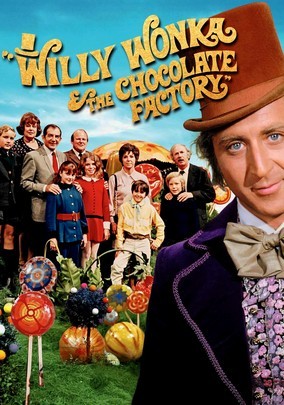
Willy Wonka and the Chocolate Factory-1971
Director Mel Stuart
Starring Gene Wilder, Peter Ostrum
Top 250 Films #35
Scott’s Review #206
Reviewed December 18, 2014
Grade: A
More than just a children’s movie, Willy Wonka and the Chocolate Factory (1971) is a terrific, imaginative, fantasy film that is timeless and meant for all ages to enjoy.
The mastery and creativity of the sets and art direction are astounding, and the story is sweet, whimsical, and captivating.
Often, with children’s movies, we are treated to stories that are either dumb or contrived, which will entertain five-year-olds but bore or make adults cringe.
Willy Wonka and the Chocolate Factory is neither. It is intelligent, filled with magic, and has a heart.
Charlie Bucket (Paul Ostrum) is a poor child whose mother earns a living by washing clothes. Along with his four bedridden grandparents, they live a meager existence in a small cottage somewhere in Europe.
Particularly close with his Grandpa Joe, the two of them become obsessed with a contest held by mysterious Willy Wonka, the owner of an enormous chocolate factory nearby.
The contest consists of five Golden tickets being hidden in Wonka bars. The five lucky winners will receive a lifetime supply of candy and a tour inside the long-since-closed chocolate factory.
After a series of circumstances, Charlie obtains one of the tickets, and the adventure begins.
The build-up to the trip into Wonka’s factory is gripping- mainly because the viewer knows that a magical treat is in store and is filled with curiosity: what will the chocolate factory look like? What is Mr. Wonka like?
The four other winners- Augustus Gloop, Veruca Salt, Violet Beauregarde, and Mike Teevee are all unique and creatively written characters- all spoiled brats in their own way, so Charlie is the “normal” child and has an actual rooting value to him.
As the five children, along with a designated parent- or, in Charlie’s case, Grandparent- begin their journey throughout the chocolate factory, the audience is treated to a psychedelic experience with fantastic sets- a river made of chocolate, an entirely edible garden, lickable wallpaper, a bubble room, and a frightening riverboat.
The film is bright and colorful within the factory walls, which sharply contrasts with Charlie’s dreary existence outside.
As the four bratty children meet their fates in joyfully imaginative ways- gum-chewer Violet blows up like a blueberry after chewing experimental Wonka gum that she is warned not to; Veruca is deemed rotten after throwing a fit and topples down a garbage chute.
The film is breathtaking and imaginative, filled with wonderment.
Gene Wilder plays Wonka in an over-the-top way, and it works tremendously.
All the child actors play their roles competently, and each character is distinguished from the others.
I love the scary riverboat tunnel scene as it is frightening, psychedelic, and magnificent. I also love the contrast between the enchanting, colorful second half and the bleakness of the first. The sets are among my favorites for their lavishness.
Specifically, the relationship between Charlie and Grandpa Joe is excellent. Grandpa Joe is a father figure to Charlie, but Willy Wonka is one too, in a completely different way.
The children’s greed is also interesting, and one hurrah as each one gets their comeuppance.
The songs from the film are remarkable and quite cutting-edge- each time one of the lucky five golden ticket winners meets their doom, the Oompa Loompas sing a tune that visually has weird shapes and colors-psychedelic and very hippie, of the late 1960s- early 1970s era.
Other numbers such as “I’ve Got a Golden Ticket”, “Cheer Up Charlie”, and “The Candy Man” are memorable.
A film for the ages, Willy Wonka and the Chocolate Factory (1971) is a celebration of creative filmmaking, quite cerebral at times, and far superior to most children’s fantasy/musical films.
Skip the 2005 remake starring Johnny Depp and enjoy the original.
Oscar Nominations: Best Original Score, Best Original Song
Golden Globe Nominations: Best Actor-Comedy or Musical-Gene Wilder