Category Archives: Tom Georgeson

A Fish Called Wanda-1988

A Fish Called Wanda-1988

Director Charles Crichton

Starring John Cleese, Kevin Kline, Jamie Lee Curtis

Scott’s Review #1,013
Reviewed April 20, 2020

Grade: B

A Fish Called Wanda (1988) is an intelligent and witty British-American comedy that was a sleeper hit upon its release, garnering critical acclaim and awards.

The heist-flavored production has good comic timing and brisk acting. I adored it not quite as much as most critics, though admirable is a quick wit and energetic timing, to be respected in comedies.

With some silly moments thrown in that feel staged and unnecessary, the film is not as brilliant as some would say and is not a memorable entry in the comedy genre.

A crooked foursome, all from shady backgrounds and manipulative tendencies, come together to commit the heist of the century. They are about to get away with it until the London police arrest one of them.

Can the other three, now on the lam, persuade their comrade’s lawyer to reveal the location of the stolen loot?

Will they double-cross each other to find stolen diamonds that the gang leader has secretly hidden?

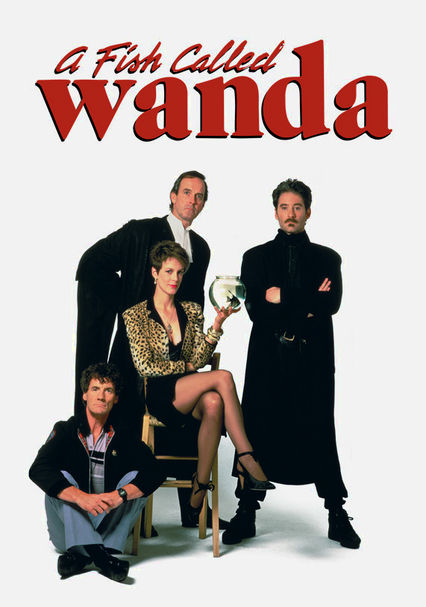
The players are con artist Wanda Gershwitz (Jamie Lee Curtis), Otto West (Kevin Kline), her lover posing as her sibling, George Thomason (Tom Georgeson), and his right-hand man, Ken Pile (Michael Palin), an animal lover with a stutter.

Each has their motivations while relying on the others to get what they want, presumably at the other’s expense, as events escalate to dire urgency.

The film gets props for being different.

Frequently, in the comedy genre, laughs are attempted at a dizzying speed, so that often they do not feel fresh. They also usually contain stereotypical or stock characters who serve little purpose other than to move events along for the sake of character development.

A Fish Called Wanda is quirky, to say the least, with some intelligently written dialogue and sequences, especially the reveal of where the key to the safe deposit box containing the diamonds is housed.

The film’s title is a major clue.

The chemistry between the actors is the best part of the film, especially between Kline and Curtis, two actors with exceptional comic timing.

As they spar, bicker, and plot not just against each other but against the others they are in cahoots with, the antics get wilder and wilder.

Kline was recognized with an Oscar nomination for Best Supporting Actor and a win. His character, Otto, is also the most developed.

The final sequence, which takes place at Heathrow Airport in London, is a fun wrap-up to the caper. A gun, a steamroller, and wet cement are key elements in the wacky finale as characters run rampant inside the airport and on the airport tarmac as an airplane is about to take off for parts unknown.

Many other scenes take place in London since that is where the film was shot.

Where the film loses me a bit is in its very limited sense of the subject matter’s meaning. The group is made up of con artists and other unsavory characters, but little more. There are no characters to root for or empathize with, and the events that transpire are quite silly and superfluous.

While the story is fun, what is the point? All the characters manipulate each other, but that is it.

Going against the grain in cinema is always appreciated, and the comedy genre is too often stagnant and trite, rarely feeling fresh.

A Fish Called Wanda (1988) is an encouraging project that dares to offer new and inventive gags and physical comedy. The film hits some high marks and strikes out in others, leaving an uneven result.

Oscar Nominations: 1 win-Best Director-Charles Crichton, Best Supporting Actor-Kevin Kline (won), Best Screenplay Written Directly for the Screen
Notes on a Scandal-2006

Notes on a Scandal-2006

Director Richard Eyre

Starring Judi Dench, Cate Blanchett

Scott’s Review #793

Reviewed July 23, 2018

Grade: A

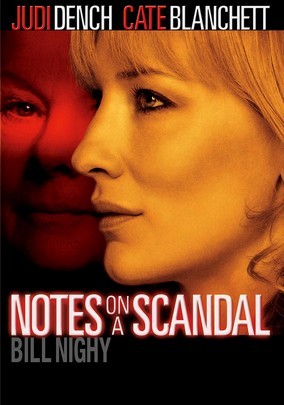
A British drama centering on the world of teachers, illicit affairs, and sexuality, Notes on a Scandal (2006) is a superlative effort with thrills and drama galore.

Featuring heavyweights like Judi Dench and Cate Blanchett there is no way this film could be a dud based on the acting alone. The chemistry between the women and the carefully crafted thrills created by director, Richard Eyre, make the film a compelling joy to view- perhaps multiple times for additional entertainment.

The story is told mainly from the perspective of Barbara Covett (Dench), a rigid and bored schoolteacher nearing retirement at a comprehensive school in London, where she teaches.

Barbara is a spinster and a closeted lesbian, constantly writing in her journal for comfort- this is the main narrative of the story and is tremendously effective.

When a young and attractive art teacher, Sheba Hart (Blanchett), arrives on the scene, Barbara fancies her and is determined to get closer. After Sheba begins an illicit affair with a male student, Barbara discovers the shenanigans and uses the situation to her advantage.

The scandal results in both women’s careers being at risk as well as Sheba’s troubled home life coming to fruition.

Notes on a Scandal is a good, solid, psychological thriller/drama with enough twists and turns to compel the viewer. The film is not very long- at one hour and thirty-two minutes, there is hardly time for lagging.

The best achievements, however, are with the superior acting of the two leads. With other lesser talents, this film might have suffered from too much melodrama and not enough meat. With great acting chops, Dench and Blanchett do not let this happen and instead treat the audience to a riveting affair.

As fantastic as Blanchett is, Dench’s Barbara is the standout and takes center stage throughout the film.

Interestingly, despite both actresses being leads, Dench received an Oscar nomination for Best Actress, while Blanchett went supporting. But there is no question that both actresses deserved the praises they reaped- and then some.

Dench turns in such a delicious performance that she makes the film arguably the reason to watch it. Wearing no makeup and dressed as conservatively as imaginable, an icy stare or thoughtful gaze will run shivers up and down the viewer’s spine.

As conflict and drama unfold, Barbara proves she is nobody to be messed with. Still, the character has an underlying vulnerable quality, simply yearning for affection and love from another woman. One wonders if she has ever really had the love she deserves.

Dench is brilliant at revealing all of Barbara’s underlying nuances.

The film poses an interesting moral question that will leave some viewers undoubtedly not a fan of Sheba’s. The fact that she lusts after an underage male, Steven Connolly (Andrew Simpson), and has relations with him, while having a husband and handicapped child at home may be too much for some.

Surely, the character will not be championed by many, but I found Sheba complex and difficult to grasp. This complexity is to the filmmaker’s credit and allows for a more layered character study of both Sheba and Barbara- neither is cut and dry.

An interesting aside of the film is what if the genders of the roles were reversed? Would the film have the same effect if Sheba were a male character and Steven was a teenage girl? What if Barbara were a straight woman? What if Barbara was a gay male character?

These other possibilities left me wondering as I watched the film. Wisely, I think director Eyre got things just right.

Notes on a Scandal (2006) is a film that reminds me of a British version of Fatal Attraction (1987) meets Single White Female (1992).

The story holds elements of each and was adapted from a 2003 novel of the same name. With frightfully good performances by both Dench and Blanchett, this film is a memorable thriller not to be missed.

Oscar Nominations: Best Actress-Judi Dench, Best Supporting Actress-Cate Blanchett, Best Adapted Screenplay, Best Original Score