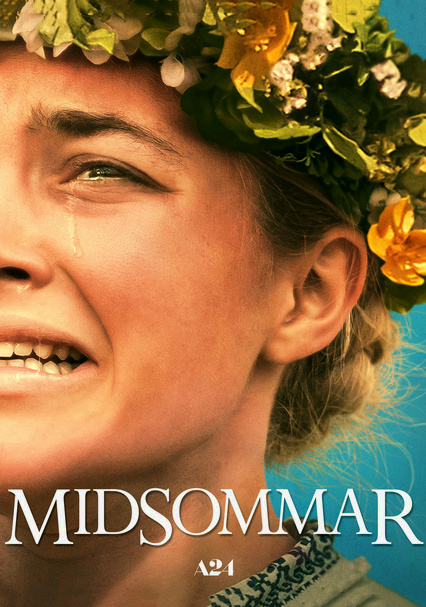
Midsommar-2019
Director Ari Aster
Starring Florence Pugh, Jack Reynor
Scott’s Review #957
Reviewed November 11, 2019
Grade: B+
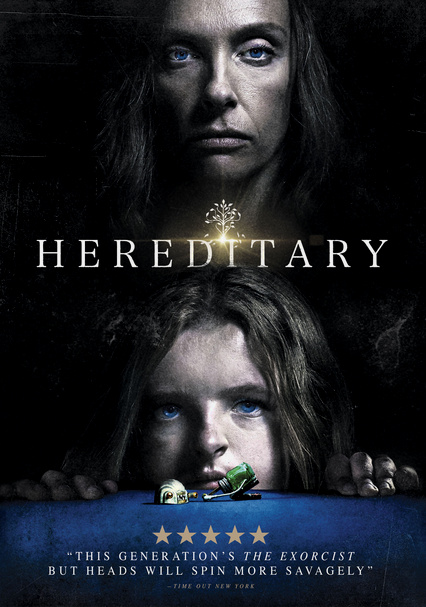
Director Ari Aster made a splash with his feature-length directorial debut, the horror-drama film Hereditary, in 2018. The film received enormous accolades, even considered for an Oscar nomination, and was quite bizarre and horrific.
Aster follows up with Midsommar (2019), a film that is arguably even freakier and more ambitious.
The film is slow-moving and foreboding, but it ultimately reaches a macabre and perplexing climax. My initial reaction is that the film is a fine wine with additional richness upon subsequent viewings.
The film quickly gets off to a creepy start in the United States as college student Dani Ardor (Florence Pugh) receives a cryptic email from her troubled sister. Her sister soon kills herself and her parents by filling the house with carbon monoxide fumes.
Dani is devastated and needs support from her distant boyfriend, Christian (Jack Reynor), an anthropology student. The couple continues to feel increasingly disconnected from each other as the months pass.
Dani and Christian decide to join some friends at a midsummer festival in a remote Swedish village. One friend has relatives in the town, and another chooses to work on his thesis.
What begins as a carefree holiday takes a devious turn when the villagers invite the group to partake in festivities that grow increasingly unnerving and viscerally disturbing.
Strange events begin to occur as the subsequent series of celebrations gets underway.
Any horror film that mixes pagan cults, folklore, and religion easily provides the creeps, and Midsommar successfully hybridizes American culture with Swedish culture in frightening form.
Much of the film takes place in a remote area, with sprawling sunny lands and a deathly silent atmosphere.
The cheery locale has a peculiar California vibe, and Swedish women often adorn their hair with hairstyles reminiscent of the Charles Manson era.
Uncertain is whether this was Aster’s intent or not.
I love how the students are intelligent and worldly, using their time in the village to learn and study. The traditional horror stereotype involving high school or college students is their desire to guzzle beer, party, have sex, and do little else.
Aster wisely makes his group intellectual and more studious than the norm. The students do partake in drugs, but this has more to do with the villagers having healing remedies and other sorts of herbal delicacies.
Midsommar contains many lengthy nude scenes, both male and female, the actors readily baring both their fronts and their rears. This is almost unheard of in American film, but Midsommar is a co-production between the United States and Sweden, providing more leeway in the nudity department.
When Christian is given a strong psychedelic and beds a virginal villager eager to mate, the poor chap winds up chased around the village in the buff. This occurs after he inseminates the girl as they are surrounded by nude female villagers cheering them on.
Confusing and left unclear are the motivations of the villagers. The point is made that nine human sacrifices must be made to rid the village of evil, but why is the evil there to begin with?
During a ritual, it is revealed, in gruesome form, that those elderly folks commit suicide at age seventy-two, and their names are given to newborns.
The handsome Christian is a prime candidate to provide life, but why are the others killed? Were they lured intentionally, and does their being American have anything to do with it? Was the intent all along to crown Dani May Queen, or did she win the dancing competition?
The climax of the film ties back to the beginning portion only in terms of Dani’s and Christian’s relationship, and her family’s deaths seem to have little to do with the overall narrative. Does Dani intend revenge on Christian, or is she so drugged that she is unaware of her actions? Will she remain in the village?
A film heavily influenced by The Wicker Man (1973), Midsommar (2019) has divided audiences, with common reviews offering mixed opinions. Some despise the film, calling it one of the worst ever seen.
Others herald it as a work of art, an unsettling offering that provokes thought and provides a sinister feel.
I found an enormous number of questions left unanswered, and this may be a good thing. It only makes me want to see the film again or peel back the onion post-film to dissect the many layers Aster creates.
Independent Spirit Award Nominations: Best Cinematography