Category Archives: Fantasy

A Wrinkle in Time-2018

A Wrinkle in Time- 2018

Director Ava DuVernay

Starring Storm Reid, Oprah Winfrey, Reese Witherspoon

Scott’s Review #788
Reviewed July 16, 2018

Grade: C

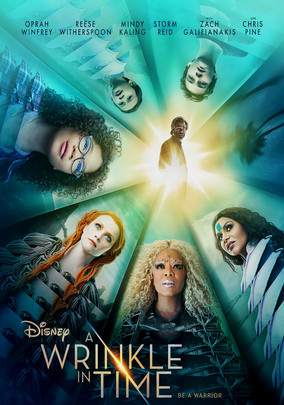
A Wrinkle in Time (2018) is a film I had high hopes for, given the enormous marketing push, first-rate cast, and especially the acclaimed female director involved with the project, Ava DuVernay (Selma, 13th).

Additionally, having admired the 1962 novel, I expected a rich, earthy, and mysterious experience. Sadly, whether it be a “too many cooks in the kitchen” situation given the star power involved, or some other factors leading to a disconnect, this film disappointed me.

It’s not terrible, but it suffers from miscasting, too much CGI, and a story that is not very compelling.

Thirteen-year-old Meg (Storm Reid) is having a tough time in school. Smack dab in the “awkward phase,” she is picked on by schoolmates because her father (Chris Pine) has disappeared, presumably having ditched the family.

In reality, he is a scientist transported to another world after solving the question of humanity’s existence.

After Meg and her family are visited by a strange woman named Mrs. Whatsit (Reese Witherspoon), Meg, her little brother Charles Wallace, and Meg’s crush, Calvin, time-travel to find a way to save her father.

Fans who have read the fantastic novel written by Madeleine L’Engle will most certainly be disappointed since many details of the film are vastly different from the written page.

DuVernay attempts to take the film out of the 1960s and into 2018 (I have no issue with that), but the film feels so slick and modern with the visual elements and heavy use of CGI that the story suffers enormously.

The film is gorgeous, especially in the sweeping outdoor scenes, but in this case, too many bells and whistles spoil A Wrinkle in Time.

The three strange women characters, Mrs. Whatsit, Mrs. Who (Mindy Kaling), and Mrs. Which (Oprah Winfrey), are completely butchered. In the novel, each is portrayed as peculiar, mysterious, and similar to witches: frumpy, awkward, yet lovable.

In the film, however, they are colorful, glamorous, and empowered, but lack uniqueness or intrigue.

I am all for female empowerment, but the characters just felt wrong.

Kaling is fine in the most minor role, but in the case of Witherspoon and Winfrey, it appears to be a case of “we have big stars, let’s find roles for them.” A tough sell with Mrs. Which is to think of Oprah as anyone other than….well, Oprah!

Witherspoon’s attempts to be goofy and the comic relief of the film do not work.

The casting of newcomer Storm Reid is lackluster. I have no issue with the character of Meg being changed to bi-racial, I feel that’s a plus in the modern age. However, the actress is not the greatest, appearing both sullen and wooden in various scenes.

Nor does she have any chemistry with her love interest, Calvin.

This is a shame since the theme of young love would have been a nice addition to the film and was a coming-of-age element in the novel.

At the risk of being overly critical, A Wrinkle in Time is not a total disaster either. The progressive and heroic message of the overall film is quite inspiring if kids watch the film (and since it is Disney-produced and heavily advertised, I can see no reason why they wouldn’t), they will be exposed to a nice message of good conquering evil.

On a side note, the villain is safe and hardly conjures up much fright, so parents need not worry about the film being too scary.

With heaps of buzz and anticipation regarding A Wrinkle in Time (2018), the film seemed poised to become a blockbuster hit and a great spring flick. Instead, critics and audiences alike have largely derided it.

With creative genius, star power, and a considerable budget, something ran amok as the final product is fair to middling.

Let’s hope director Ava DuVernay gets her groove back with her next project- I expected more.
Coco-2017

Coco-2017

Director Lee Unkrich

Voices Anthony Gonzalez, Benjamin Bratt

Scott’s Review #737

Reviewed April 4, 2018

Grade: B+

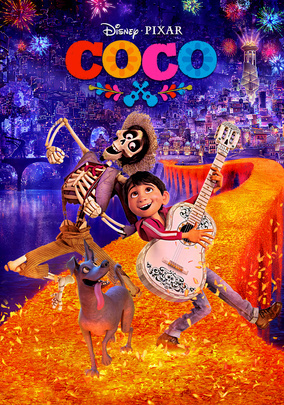
Winner of the 2017 Best Animated Feature Academy Award, Coco is an exuberant and colorful affair, filled with marvelous lighting and a Mexican cultural infusion that serves the film well, making it feel robust in its diversity and inclusion.

The overall theme of family, traditions, and musical celebration is apparent, making for good razzle-dazzle with lots of upbeat songs and dance.

Mixed in is a lovely inter-generational theme, where older folks are respected, something lacking in today’s real world.

Miguel Rivera is a twelve-year-old boy living in Mexico with his extended family, including his elderly great-grandmother, Coco, who is sadly suffering from intermittent dementia.

Through flashbacks, we learn that Coco’s father (Miguel’s great-great-grandfather) was an aspiring musician who abandoned the family for greener pastures.

Subsequently, the Rivera clan banned all music in favor of a modest shoe-making business.

As Miguel realizes his passion for music, he comes into conflict with his family, who have other aspirations for him. Miguel embarks on a fantastic journey to the magical and somewhat frightening land of his deceased ancestors, coinciding with the festive Day of the Dead celebration, a Mexican cultural tradition.

There, he realizes the true nature of his great-great-grandfather’s sudden departure.

Coco is a film that all family members can enjoy, and it is structured just that way. The blatant use of multiple generations greatly appeals to the idea of blending the family unit.

Pixar successfully sets all the correct elements in place for a successful film, and the well-written story only adds layers. The film is quite mainstream, yet appealing to the masses.

Perhaps very young viewers may become frightened by some of the skeleton-laced faces of Miguel’s ancestors in the other world where he visits. Still, these images are somewhat tame and mixed with vibrant colors and extraordinary production numbers.

These images are undoubtedly meant to entertain rather than frighten, and the creatures have a friendly vibe.

Having viewed the film on an airplane traveling cross-country (admittedly not the best way to watch a film), the lovely and touching musical number “Remember Me (Lullaby)” entranced me, so much so that I was moved to tears right on the plane.

How’s that for effectiveness?

The emotional impact of this song impressed me immensely about Coco, even when the story is occasionally secondary to the visual or musical elements.

In fact, the story began to lag slightly until the aforementioned big musical number came into play. The song really kicked the emotional action into high gear, and I became more enamored with the characters and their connections to one another.

Miguel and his relatives’ love became more apparent, and the conclusion is pleasing and satisfactory.

A slight miss in the film, corrected midway through, is Miguel’s bratty and entitled nature. He heaves sighs when he does not get his way, which seems more apparent early on and was quite the turn-off.

At first, I did not care for the character, yet I knew I was supposed to.

Thankfully, the character becomes the film’s hero and ultimately proves to be a sweet, likable person. I pondered, “Is that what kids like these days?”

Pixar does it again, creating a family-friendly experience with a positive yet non-cliched message of belonging, forgiveness, and the importance of family connections that feels fresh.

In current times of divisiveness, especially with immigration and other cultures being attacked, how appropriate is it to experience Coco (2017), a feel-good yet not contrived project?

Oscar Nominations: 2 wins-Best Original Song-“Remember Me” (won), Best Animated Feature Film (won)

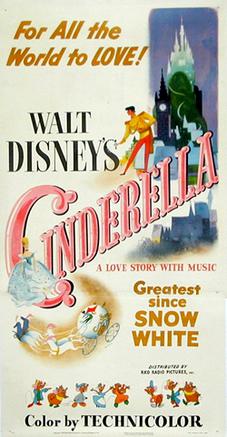
Cinderella-1950

Cinderella-1950

Director Clyde Geronimi, Hamilton Luske, Wilfred Jackson

Voices Ilene Woods, Eleanor Audley

Scott’s Review #731

Reviewed March 7, 2018

Grade: A-

Cinderella is a lovely 1950 Walt Disney production that rejuvenated the animated film genre after a sluggish 1940s.

The film glistens with goodness and bright colors, offering a charming fairy tale-based story based on hope and “happily ever after.”

Cinderella is enchanting on all levels.

The story is told mainly in narration, especially to explain its history. We learn that Cinderella’s parents have both died, leaving her an orphan who lives with her wicked stepmother, Lady Tremaine.

Her stepsisters, Drizella and Anastasia, are jealous of Cinderella’s natural beauty. She is regularly abused and berated, and forced to work as a servant in a rundown chateau, tending to the trio’s needs and demands.

Despite her unhappy life, Cinderella makes the most of it and befriends mice, birds, and many other animals she meets, singing and dancing merrily.

Life chugs along for our heroine until one day, the King of the royal palace decides to throw a lavish Ball for his son, the Prince, to find his soulmate and marry her finally. The King requests that all eligible unmarried women attend.

As Cinderella excitedly requests to go, Lady Tremaine cruelly grants her request, provided all of her work is done. She has no intention of making things easy on her.

In proper fairy tale form, the Prince falls madly in love with Cinderella while facing many hurdles on the pair’s way to happiness.

Given the time when Cinderella was made (1950), the timing was excellent for a lavish production, to say nothing of the fantasy that many young girls undoubtedly experienced a handsome prince rescuing them, whisking them away from a life of doldrums to undying love.

Female empowerment had not yet taken hold during the 1950s, so the male-rescuing female message was palpable and appealing to many. Dated not the least bit, a story of true love overcoming hardship can always find an audience.

The production’s colors and animations are lush and powerful, oozing perfection and dripping with fantastic elements of romance and spectacular wealth.

An example of this is the lavish ball at the palace. As Cinderella’s Fairy Godmother transforms the young girl and her transportation into a magical fantasy of horses, gowns, and carriages, the ball is pretty extravagant in its beauty.

Engaging, with a bit of humor mixed in, are the supporting characters of the three evil ladies and the bumbling Grand Duke- interestingly voiced by the same person as the King. As Drizella and Anastasia attempt to impress Prince Charming, their awkward and haphazard mannerisms and scowls perfectly counterbalance the charm and grace of Cinderella in a sometimes comical fashion.

Comparisons must be made to 1937’s masterpiece, Snow White and the Seven Dwarfs. Both could easily be companion films, watched sequentially to better study and marvel at their similarities.

Snow White and Cinderella are purely “good” characters, singing lovely tunes, embracing animal friends and various forms of wildlife- they are both more or less “saved” by men.

In the present day, instead of being offensive or “old-fashioned,” it remains enchanting and a celebration of true love.

Cinderella is a treasure to be enjoyed after all these years. It never ages or becomes dated or irrelevant, which is a true testament to the power of film. Carving a story of values, honesty, hard work, and good payoff, generations of fans can appreciate this everlasting treasure.

Oscar Nominations: Best Scoring of a Musical Picture, Best Original Song-“Bibbidi-Bobbidi-Boo,” Best Sound Recording

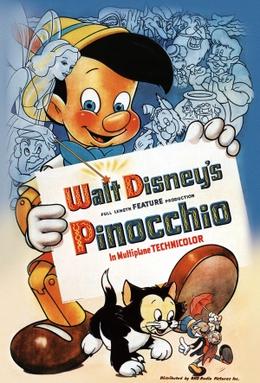
Pinocchio-1940

Pinocchio-1940

Director Ben Sharpsteen, Hamilton Luske

Voices Cliff Edwards, Dickie Jones

Scott’s Review #723

Reviewed February 1, 2018

Grade: B+

As a follow-up to the marvelous 1937 Walt Disney production of Snow White and the Seven Dwarfs, 1940’s Pinocchio is a darling tale of a wooden puppet longing to become a real boy.

The film vastly differs from its predecessor in that the protagonist is male, and the thematic elements are Italian (based on an Italian children’s novel). Still, similarly, Pinocchio is a touching experience and is magical and whimsical, telling a humanistic story about wishes and dreams coming true.

As narrated by a fantastic, cheerful little insect named Jiminy Cricket, an elderly woodcarver named Geppetto creates a wooden puppet named Pinocchio and wishes upon a star for the puppet to become a little boy.

A mysterious yet lovely Blue Fairy arrives one night and tells Pinocchio that he must be brave and truthful for the desired effect to occur- Jiminy serves as his conscience. Throughout the remainder of the film, Pinocchio’s morals are tested by unsavory characters who attempt to steer him down a dark path.

Certainly, Pinocchio is intended to be a message film for little boys and girls everywhere about the importance of honesty and truthfulness. However, some comic elements are mixed to avoid making the experience too dark or scary.

This is evidenced by the legendary way Pinocchio’s nose grows longer with each fib he tells. The film preaches a valuable lesson, which is why the adorable story holds up so well in the present.

Some values never go out of flavor.

In superb Disney form, Pinocchio features an emotional tearjerker of a scene towards the end of the film as Geppetto mourns the loss of his son.

The scene is sweet and touching and will fill even the hardest of hearts with feelings- regardless of age. In this way, Pinocchio becomes even more of a timeless treasure and is a film that the entire family, generations upon generations, can enjoy together.

Films of this nature are so important as a bonding form.

Enough praise cannot be given to Pinocchio’s incredibly effective theme song, “When You Wish Upon A Star,” belted out by Jiminy Cricket. The resounding tune is as emotional as it is timeless and bold. It is belted out at just the ideal time during the film and is still associated with the legendary film.

In fact, over the years, the song has become synonymous with the Walt Disney Company itself.

One slight oddity of the film is that Geppetto—clearly at the grandfather’s age—is the father of a young boy. This might have been perceived as sweet in 1940, but in 2018, it may have been perceived as a bit creepy or at least unusual.

Still, this is a minor flaw that can be easily overlooked. I have come to assume Geppetto is the grandfather in the story.

For those in the mood for a charming, classic animated Disney picture, 1940s Pinocchio is a mesmerizing and creative experience. At its core, it is a timeless benevolent lesson in goodness and purity.

Pinocchio is artistically filmed and told, and it can be enjoyed by anyone, regardless of age or gender.

Oscar Nominations: 2 wins Best Original Score (won), Best Original Song-“When You Wish Upon a Star” (won)

Sleeping Beauty-1959

Sleeping Beauty-1959

Director Clyde Geronimi, Les Clark, Wolfgang Reitherman, Eric Larson

Voices Mary Costa, Bill Shirley

Scott’s Review #721

Reviewed January 30, 2018

Grade: B+

Sleeping Beauty is a 1959 musical fantasy film and Walt Disney’s sixteenth animated production. By this point, Disney was a master at crafting wonderful and magical productions, and Sleeping Beauty was a solid work.

However, due to mixed reviews and poor box office performance, Disney films were retired for many years. The effort achieves a lighter tone than heavies like Dumbo and Bambi but is enjoyable nonetheless.

In a magical land of royalty, fairies, and both good and evil, King Stefan and Queen Leah, the benevolent leaders of the land, finally conceive their first child, Princess Aurora.

After proclaiming a memorable holiday and celebration, a festive scene turns dark when an evil and powerful fairy, Maleficent, jealous with rage, puts a curse on the innocent baby.

Thanks to a kindly fairy, the curse of death on Aurora’s sixteenth birthday is slightly blocked in favor of Aurora falling into a deep sleep- only to be awakened by true love’s kiss.

The characters in Sleeping Beauty are pretty lovely and, overall, sweet and kind. My favorite characters are the three fairies: Flora, Fauna, and Merryweather. Each has her personality but wields special magical powers—all good-natured.

While Flora and Fauna possess song and beauty, which they bestow on Aurora, Merryweather arguably saves the young girl’s life. The three women are also instrumental in being the unsung heroes of the film, while the handsome Prince Phillip gets star billing.

Compared to many other Disney films, Sleeping Beauty is quite the show. It is lush with colors as bright as stars, and the sparkles that drizzle from the fairies’ wands ooze magic that will make children giggle with delight and adults marvel with adoration.

In this regard, Sleeping Beauty is extravagant and the most expensive Disney production to date.

Maleficent is a fantastic villain, and when she finally turns into a lethal, fire-breathing dragon, this is sure to scare youngsters watching the film for the first time. Sure to mention, Maleficent’s web of thorns that she uses to surround Aurora’s castle is a spectacle in and of itself.

Upon watching the film, I continue to draw comparisons to another of Walt Disney’s famous films, 1937’s Beautiful Snow White and the Seven Dwarfs, as both films resemble each other in a sheer mass of ways.

The beautiful and innocent main female characters, both in peril from devious, older women, clearly jealous of Snow White’s and Aurora’s goodness, are apparent.

Besides, both contain dashing princes who come to the rescue in just the nick of time and kindly little things who assist in the drama.

Perhaps Sleeping Beauty’s similarities to Snow White and the Seven Dwarfs—in fact, the pair would be perfect to watch together on a rainy Saturday afternoon—led me to conclude that Snow White is the more charming and grabbing of the two films.

Also, Sleeping Beauty does not triumph in the important humanistic lessons that the Dumbo and Bambi (my favorites of all the Disney films) have.

Sleeping Beauty contains elements of an empathetic, feel-good animated experience. A King, a Queen, a Prince, a vicious villain, giddy fairies, and a beautiful heroine are all represented in this delicate and satisfying Disney venture- not the greatest in the pack, but assuredly a good time.

Oscar Nominations: Best Scoring of a Musical Picture

The Shape of Water-2017

The Shape of Water-2017

Director Guillermo del Toro

Starring Sally Hawkins, Richard Jenkins, Michael Shannon

Scott’s Review #705

Reviewed December 16, 2017

Grade: A

Director Guillermo del Toro created a lovely Beauty and the Beast-style film, The Shape of Water (2017). It is gorgeous to look at, and the story is intelligent and sweet to experience.

Thanks to a talented cast led by Sally Hawkins, the film is part drama, part science fiction, even part thriller, but touching to one’s heart and a lesson in true love regardless of outward appearances.

Vanessa Taylor co-wrote the story, giving it a needed female perspective to perfectly balance the traditional male machinations.

The setting is Baltimore, Maryland, in the early 1960s. The Cold War is ongoing, pitting the United States and the Soviet Union against each other.

Both sides are mistrustful of the other.

Kindly and mute, Elisa Esposito (Hawkins) is a curious and whimsical young woman who works as a cleaning lady at an Aerospace Research Center.

When she stumbles upon a mysterious “shape” being held prisoner for experimentation, she slowly communicates with and befriends the creature, eventually falling madly in love with him.

The “asset,” as the scientists like to call him, is an amphibian/humanoid that needs saltwater to survive. Elisa sees an opportunity to help her love escape captivity, and off she goes.

Hawkins exudes warmth and fills Elisa with courage and astounding determination. Not uttering a word is a tricky feat for an actor to challenge, but instead of words, Hawkins successfully provides a vast array of emotions to reveal how Elisa feels.

Despite her “handicap,” she is a strong woman who speaks her mind on more than one occasion, using sign language to express her frustration. Hawkins gives a fantastic and believable performance.

In excellent and vital supporting roles are Richard Jenkins as Elisa’s friend and neighbor, Giles, a closeted gay man who works as a commercial artist. Jenkins fills this character with intelligence, heart, and empathy as he struggles with his issues of alcoholism and loneliness- unable to be accepted for who he is.

Octavia Spencer shines as witty and stubborn Zelda Fuller, Elisa’s best friend and co-worker. Zelda has her domestic problems but is forever there for her friend, and Spencer gives her character zest, humor, and energy.

Finally, Michael Shannon plays the dastardly and menacing Colonel Richard Strickland, the man who found the “asset” in the rivers of South America and has a lovely family.

Each character is written exceptionally well and has a storyline rather than simply supporting Hawkins’s character.

The audience becomes involved in Giles, Zelda, and Strickland’s private lives, and we get to know and care for them—or hate them, as the case may be.

Giles, harboring a crush on a handsome pie shop owner, is afraid to reveal his feelings. Zelda, with a lazy husband, dutifully takes care of her man, though she is as sassy as they come. And Strickland lives in an all-American family with a pretty wife and two kids, unaware of his shenanigans.

The film is a gorgeous and lovely experience with a magical element. The opening and closing sequences, shot underwater, resound in beauty as objects float along in a dreamy way.

The narrator (Jenkins) takes us on a journey to explain the events of the story.

At its core, The Shape of Water is a romantic love story, and my favorite scenes—those of Hawkins and the “asset”—are to be treasured. Yes, the two do make love, which may be too much for some, but the scenes are tasteful and important, showing the depth of the characters’ love for one another.

Cherishing is how Elisa uses music and hard-boiled eggs to communicate with the “asset.” When Elisa imagines the two characters dancing, the sequence is an enchanting experience reminiscent of Beauty and the Beast.

Other underwater scenes involving Elisa and the “asset” are tender, graceful, and filled with loveliness.

A key part of the film involves a story of intrigue between the Americans and the Soviets. While both are portrayed negatively, the Americans are arguably written as more unsympathetic than the Soviets.

Thanks to Strickland—abusive and vicious—and his uncaring superior, General Holt, we do not root for the government officials at all but rather for ordinary folks like Elisa, Zelda, and Giles, who are outcasts.

Interestingly, Dmitri (Michael Stuhlbarg), a Soviet spy scientist, is the only character working at the center who wants to keep the “asset” alive and is written sympathetically.

My overall assessment of The Shape of Water is that it is a film to be enjoyed on many levels and by particular varied tastes- the film will cater to those seeking an old-style romance, complete with some tasty French music.

Then again, the film can be considered a political espionage thriller, with a cat-and-mouse chase and other nail-biting elements.

Overall, the film has heart and truth and will appeal to vast audiences seeking an excellent movie.

Oscar Nominations: 4 wins-Best Picture (won), Best Director-Guillermo del Toro (won), Best Actress-Sally Hawkins, Best Supporting Actor-Richard Jenkins, Best Supporting Actress-Octavia Spencer, Best Original Screenplay, Best Original Score (won), Best Sound Editing, Best Sound Mixing, Best Production Design (won), Best Cinematography, Best Costume Design, Best Film Editing

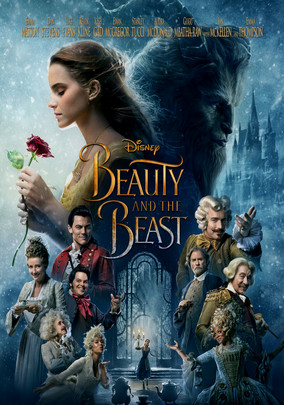
Beauty and the Beast-2017

Beauty and the Beast-2017

Director Bill Condon

Starring Emma Watson, Dan Stevens

Scott’s Review #634

Reviewed April 18, 2017

Grade: A-

When I went to see the live-action version of the Disney animated classic Beauty and the Beast, which was released in the spring of 2017, I was unsure what to expect.

Would it be a cheesy or amateurish retread of the 1991 animated smash only with human beings? Why the lackluster March release date? Indeed, this is telling; otherwise, why not release the film in the coveted fourth quarter with potential Oscar buzz?

I do not have the answers to all these questions, but this version of Beauty and the Beast is enchanting, romantic, and lovely- a spring treat for the entire family to enjoy.

Our protagonist, Belle (producers wisely casting Harry Potter legend Emma Watson), is a kindly farm girl living with her father, Maurice (Kevin Kline),  in a quaint village outside of Paris.

Considered a bit odd by her village mates because she loves to read, she rebuffs the advances of the dashing soldier, Gaston (Luke Evans), because he is arrogant- the other village ladies (as well as Gaston’s gay companion, LeFou) flaunt over Gaston’s good looks.

When Maurice ventures into unknown parts and stumbles upon a dilapidated castle, he is locked up by a vicious beast. Having once been a handsome prince, he has since been cursed by a beggar woman.

The only way the beast can return to his former self is to find true love before a wilted rose loses all of its petals—enter Belle to the rescue. Belle convinces the Beast to let her stay in prison and release her father.

Will Beast and Belle fall madly in love?

Of course they will. The fated romance is part of what makes the film heartwarming and lovely.

The now-legendary classic fairy tale feels fresh and energized with the Disney-produced project. Director Bill Condon carefully and successfully crafts an honest effort, making sure that while providing a fairy tale happy ending, not to make the film seem contrived, overblown, or overdramatized.

I fell for the film hook, line, and sinker. It is an uplifting experience. The song and dance numbers abound with gusto and good costumes—my personal favorites are the rousing “Be Our Guest” and the sentimental “Beauty and the Beast.”

The crucial romance between Watson’s Belle and the Beast, earnestly played by Dan Stevens (of Downton Abbey fame), works in spades. Their chemistry feels authentic and passionate. As Belle is at first held captive by the misunderstood bad boy instead of Maurice, the pair at first loathe each other, but this is done with innocence and no malice.

Condon wonderfully exudes the right amount of slow build to make the pair beloved by audiences with the correct pacing.

The CGI in Beauty and the Beast is heavy, as expected. However, the Beast’s distraction is a bit confusing. Was the Beast a complete CGI creation save for the close-ups, or was Watson dancing with Stevens when filming commenced in certain scenes?

I am unsure.

The controversial “gay storyline”, which helped the film be banned in the southern United States and Russia, as well as other countries, is pure and utter rubbish.

The subject is explored extremely superficially and not worthy of all the fuss.

Worthier of mention is the tremendous diversity that is featured in the film, most notably in the opening sequence. Interracial couples appear in the form of Madame de Garderobe (Audra McDonald), the opera singer turned wardrobe, and Maestro Cadenza (Stanley Tucci), turned harpsichord.

On the gay issue, it is sweet that the implied gay character of LeFlou finds love with another man at the end of the film.

A minor complaint is the scattered authentic French accents of many of the household staff and village people, but Belle and Maurice speak in the British tongue. Being a fairy tale, liberties must be taken, and suspending disbelief is necessary, but this was noticed.

Beauty and the Beast (2017) is a lovely experience that combines fantastic musical numbers with romance, with a side of diversity thrown in for good measure.

Since the film will undoubtedly be seen by many youngsters and teens, this is a wonderful aspect of the film and, hopefully, a shining, positive example in filmmaking.

Oscar Nominations: Best Production Design, Best Costume Design

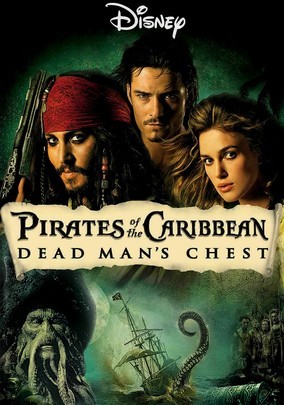
Pirates of the Caribbean: Dead Man’s Chest-2006

Pirates of the Caribbean: Dead Man’s Chest-2006

Director Gore Verbinski

Starring Johnny Depp, Orlando Bloom, Keira Knightley

Scott’s Review #606

Reviewed January 11, 2017

Grade: B-

Pirates of the Caribbean: Dead Man’s Chest is the follow-up to the original Pirates of the Caribbean: The Curse of the Black Pearl, from 2003.

The sequel is decent but inferior to Curse of the Black Pearl.

The visual effects are spectacular, and the budget is very high, but the story isn’t there. The film drags along at times and is a bit confusing.

Johnny Depp gives his all to his role of Jack Sparrow, performing with gusto, and is the highlight of the franchise.

The supporting characters, Bloom as Will Turner, and Keira Knightley as Elizabeth Swann, are fine, but not on the level of Depp.

Otherwise, the performances are okay, but they are essentially a carbon copy of the first film.

Story-wise, Will and Elizabeth are arrested for aiding Jack Sparrow’s escape, and the plot involves attempts to locate Sparrow.

This is paired along with the typical adventure aspects of a film like this and the stock-character villains, with grimaces, heavy makeup, and overacting, but I expected as much.

Not a bad sequel, certain to entertain the masses, and guaranteed to make a ton of money, inevitably ensuring another sequel will be made, with little doubt of being even less compelling.

Oscar Nominations: 1 win-Best Sound Editing, Best Sound Mixing, Best Art Direction, Best Visual Effects (won)

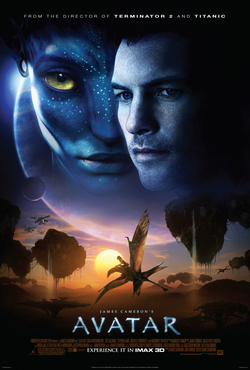
Avatar-2009

Avatar-2009

Director James Cameron

Starring Sam Worthington, Zoe Saldaña

Scott’s Review #572

Reviewed December 29, 2016

Grade: A

Acclaimed director James Cameron has done it again. Similar to Titanic (1997), he has created a masterpiece, but, oddly, in one facet of the film, not the entire ball of wax.

Avatar (2009) has two main factors to evaluate- the story and the visual aspect. Both are crucial, but the visual experience is immeasurable, so much so that the story is nearly irrelevant.

Set in the twenty-second century, the film follows humans as they begin to colonize Pandora, a lush planet filled with lavish forests and creatures that flutter about.

Planet Earth has become depleted of resources, causing scientists to utilize Pandora for their gain. Poisonous to humans, Pandora requires visitors to wear protection.

Sam Worthington portrays Jake Scully, a paraplegic former Marine, who visits Pandora and falls in love with Neytiri (Zoe Saldaña), a native creature of the planet.

From a story perspective, Avatar is very ordinary, and nothing separates the story from others that have come before it.

At the center is a love story and a rather predictable one in nature, but this is not the reason to view Avatar. Jake and Neytiri are sweet together, but I had much more fun watching the film than caring what happened between the pair.

Visually, Avatar is one of the most amazing films I have ever seen. The intricate style and the attention to detail are astounding- this is my favorite aspect of Avatar and why I feel that the story is not the reason to see the film.

Everything, from the art direction to the background pieces, is perfectly made. Natives of Pandora are all CGI- blue/green in color and are gorgeous, peaceful, and moving.

Avatar will likely go down in history as a groundbreaking film- it is a visual feast.

The anti-war slant is also impressive to me, but the creative and technical achievements set this film over the top.

James Cameron creates a magical, absorbing film that must be cherished.

Oscar Nominations: 3 wins-Best Picture, Best Director-James Cameron, Best Original Score, Best Sound Editing, Best Sound Mixing, Best Art Direction (won), Best Cinematography (won), Best Film Editing, Best Visual Effects (won)

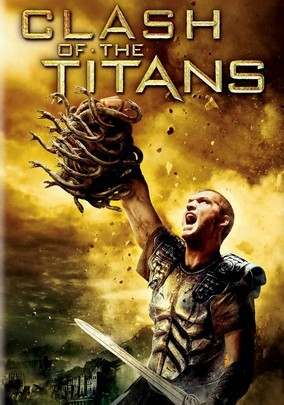
Clash of the Titans-2010

Clash of the Titans-2010

Director Louis Leterrier

Starring Sam Worthington

Scott’s Review #566

Reviewed December 27, 2016

Grade: B

Though I went to the theater begrudgingly to see Clash of the Titans-2010 (fantasy blockbusters are not typically my cup of tea), I have to confess to being moderately impressed by this film.

I had no real expectations other than that it is a tale loosely based on the Greek myth of Perseus.

I have heard some people compare it to the original in an unfavorable way, but I have not seen the original- released in 1981 so any comparisons are a moot point.

At one hour and fifty minutes, the film is a perfect length and does not drag.

The plot is basic and focused. Perseus (Sam Worthington)  must save the life of the beautiful Princess Andromeda, as he leads a team of warriors into battle against vicious enemies.

Some of the creatures they meet along the way are fascinating.

Clash of the Titans (2010) is not fine cinema, and the acting is not spectacular, but the effects are worth mentioning, and the look of the film is impressive.

My only real criticisms are the way Medusa is portrayed (she’s said to be ugly, but she’s really a beautiful woman with snakes on her head) and the 3-D, which was pretty much unnecessary.

This is probably an attempt by the studios to capitalize for profit.

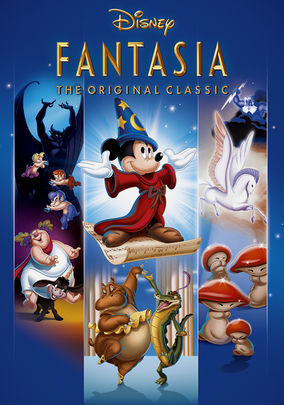
Fantasia-1940

Fantasia-1940

Director James Algar, Various

Starring Leopold Stokowski, Walt Disney

Scott’s Review #544

Reviewed December 11, 2016

Grade: B+

Before viewing this 1940 gem by Walt Disney, I was naive about precisely what Fantasia was about. Indeed, I had heard of it and knew it was an animated production, but I was also mystified by it. Now embarrassed, I realize what a creative treat I missed out on.

Better late than never.

I expected a Walt Disney animated story like Snow White or Pinocchio, but this assumption mistook me. While the film took me a bit to get into, it is a marvel and quite extravagant.

The combination of classical pieces and the animated story is brilliant and visually impressive. There are eight pieces in total, all with stories to tell.

Animated films are not typically my genre of choice, but this one impressed me quite a bit if nothing more than the imagination involved.

A Fantasia reboot emerged in 2000.

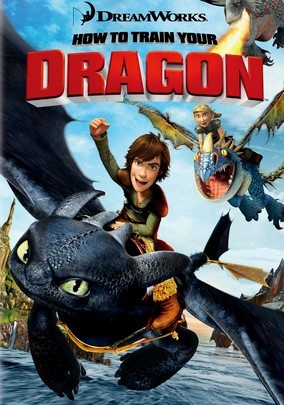
How to Train Your Dragon-2010

How to Train Your Dragon-2010

Director Dean DeBlois, Chris Chambers

Starring Jay Baruchel, America Ferrera

Scott’s Review #537

70109893

Reviewed December 5, 2016

Grade: B-

How to Train Your Dragon is a decent but less-than-spectacular animated film from 2010.

Undoubtedly targeted toward youngsters, it contains G-rated elements, and I may have enjoyed it more if I were nine years old.

The film is loosely based on the British book series of the same name.

A subsequent sequel was released in 2014.

From a storytelling perspective, the film tells a story with a nice message.

Young Hiccup (Jay Baruchel) is a teenage Viking on the cusp of becoming a man. As a ritual, he is expected to kill a dragon to prove his worth as a warrior to his tribe.

When put to the test, Hiccup finds that instead of desiring to kill the dragon, he wants to befriend it. Of course, the traditional Vikings want no part of any unity between the tribe and dragons, who are long-time enemies.

Mixed in with the main story is the inevitable love story between Hiccup and Astrid (America Ferrera), a tough Viking girl.

There are way too many endless aerial battles between the tamed and vicious dragons, so it begins to feel more like an effort to fill time rather than furthering the main plot in any way.

This film has a nice message of kindness and togetherness, but is very predictable and takes no risks.

There is nothing wrong with it, and animated fans may look at it differently, but to me, How to Train Your Dragon (2010) is quite run-of-the-mill.

Oscar Nominations: Best Animated Feature Film, Best Original Score

The Witches-1990

The Witches-1990

Director Nicolas Roeg

Starring Angelica Huston, Mai Zetterling 

Scott’s Review #483

20282991

Reviewed September 20, 2016

Grade: B-

The Witches (1990) is a G-rated family film with a slightly dark tone, handled softly, as it is targeted at children. However, it is a film that adults may love too.

I found the film entertaining, with impressive special effects and a dazzling comedic performance by Angelica Huston. Still, ultimately, The Witches has a silly quality, though admittedly not trite, that does not quite make it a success in my book.

The film is based on a Roald Dahl children’s book, with a child as the central character, similar to other Dahl novels that were adapted into films such as James and the Giant Peach and Charlie and the Chocolate Factory.

I cannot help but wonder whether my mediocre rating of The Witches is due to not having read the novel, even though I have read the other aforementioned novels in his collection.

Our hero in the story is Luke- a kindly, innocent young boy living in Norway with his parents and grandmother, Helga. When his folks are tragically killed, his grandmother takes him to London to begin a new life for themselves.

When Helga falls ill, they stay at a seaside resort where they stumble upon a convention of witches disguised as the Royal Society for the Prevention of Cruelty to Children.

Luke and his plump friend Bruno fall victim to the witch’s plot to turn children into mice. The witch group is led by the Grand High Witch (Huston), whom the other witches fawn over with grandiose praise.

Huston is fantastic as she overacts the part she plays- this is not a bad thing, but it makes the role quite fun and energetic.

When she transforms from a glamorous woman to a shriveled monster, the transformation is interesting to watch and an impressive part of the film.

Furthermore, the way Luke and Bruno interact as mice is also cute and a positive aspect of the film.

I enjoyed the aspect that, if watched closely, reveals that numerous witches are men wearing female wigs. This successfully gives the witches a grotesque, obviously mannish quality and emits a chuckle of pleasure at the same time.

Still, there is something slightly childish or juvenile about the offering, while the film appears dark on the surface. The subject is played for laughs rather than going full steam ahead as a dark film.

Undoubtedly, this is due to the target audience that the film is going for. For instance, the hotel manager’s affair with a hotel maid seems slightly unnecessary.

The Witches (1990) is a decent offering due to respect for the creative aspects that it elicits- I just felt the story might have been done a bit more seriously.

Additionally, the ending feels slightly forced and abrupt- a Hollywood-intended ending perhaps?

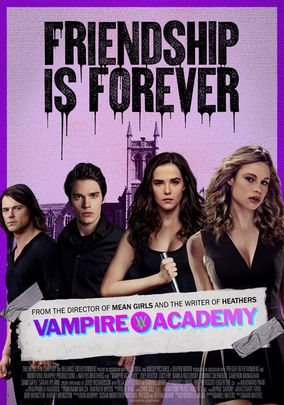
Vampire Academy-2014

Vampire Academy-2014

Director Mark Waters

Starring Zoey Deutch

Scott’s Review #482

70291088

Reviewed September 18, 2016

Grade: C

Vampire Academy (2014) is a teenage intended mixture of Harry Potter meets Heathers meets Twilight. It is escapist fare and is quite light, but rather fun in an amateurish way.

I am certain the target audience is of the teenage, female persuasion, but when traveling one can be limited in film options.

Hence, on a chilly night in Norway, this film kept us occupied.

The story features a half-human-half vampire named Rose, a teenage girl, who aspires to be a guardian, and who is called back to a boarding school to uncover a hierarchical web of secrets, lies, and plots.

She is accompanied by her best friend Lissa.

Predictably, there is a romantic angle to the story as Rose has feelings for Dimitri, a fellow guardian.

The film itself is fine- it knows the demographic it is going for and young adults are sure to enjoy the compelling drama, likable leads, and attractive cast.

From a film critique standpoint, there is nothing wrong with the film, but it is a bit generic and slightly predictable- from the romantic perspective, though impressively the ending is a bit of a surprise and a whodunit.

Impressive also is Sarah Hyland (Modern Family), as nerdy classmate Natalie, who seems to be the brains and the keeper of gossip throughout the academy.

The role is against type for the young actress and she does very well.

It is tough not to compare this film to the Harry Potter series of films since many aspects of Vampire Academy mirror Harry Potter- only with a female in the driver’s seat. The mysterious teachers and characters are also reminiscent of the fantastical Harry elements.

Unfortunately, a planned sequel was scrapped due to a lack of interest, which surprised me. I would anticipate a film like this to be a hit and perhaps introduce a franchise, but not to be.

An adequate young adult film that borrows from other films and also harkens back to the days of teen-minded genres of the past, specifically the 1980’s.

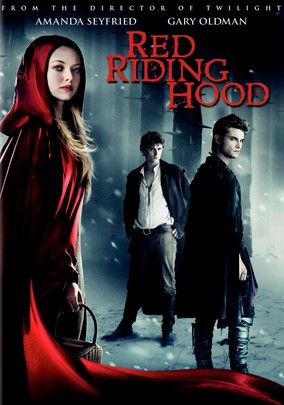
Red Riding Hood-2011

Red Riding Hood-2011

Director Catherine Hardwicke

Starring Amanda Seyfried

Scott’s Review #477

70167073

Reviewed September 10, 2016

Grade: B-

I was hesitant to see Red Riding Hood (2011) in the theater because it felt more like a rental.

While it is far from high art, it is an above-mediocre thriller riding the current popularity of the vampire-lite genre.

It tells the story of a teenage girl living in a medieval village being attacked by a mysterious wolf. The wolf, however, is sometimes human.

The fact that it stars young actors known in current American cinema makes it unsurprising that it’s a love story.

I thought the movie was decent, but not great. The whodunit is good as we wonder who the wolf in disguise is, and the cinematography is excellent.

I bought the period’s authenticity.

Seeing Julie Christie in a current film is always a treat, but at times the movie is quite sappy and Twilight-ish. The same director, Catherine Hardwicke, directed it, so that’s not surprising.

Overall, Red Riding Hood (2011) is not a bad watch.

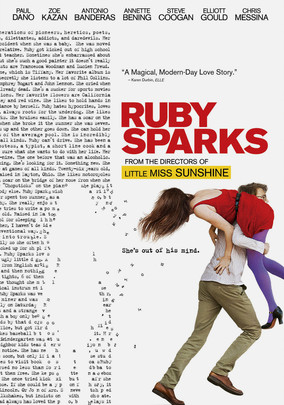
Ruby Sparks-2012

Ruby Sparks-2012

Director Jonathan Dayton, Valerie Faris

Starring Paul Dano, Zoe Kazan

Scott’s Review #442

70213510

Reviewed July 4, 2016

Grade: B

Ruby Sparks is a smart, creative, indie film released in 2012.

The film’s theme is fantasy versus reality as the main character is a troubled writer who envisions a character he has created is real.

Is she real or isn’t she?

The film centers around a writer (Paul Dano) with writer’s block who creates an imaginary dream girl (Zoe Kazan), who magically comes to life, one day.

This is an interesting premise and the film has some big-named actors (Annette Bening, Eliot Gould, Antonio Banderas) in small roles which is a delight to see.

The chemistry is lacking between the two leads and the film delves too much into a typical romantic comedy.

Additionally, the film never explains if it is going for seriousness or purely the writer’s imagination, but I admire its creativity and thoughtful premise.

Independent Spirit Award Nominations: Best Screenplay

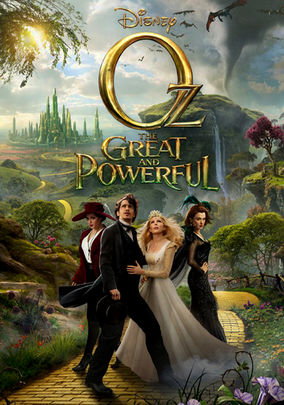
Oz The Great and Powerful-2013

Oz The Great and Powerful-2013

Director Sam Raimi

Starring James Franco, Mila Kunis

Scott’s Review #433

70243359

Reviewed June 30, 2016

Grade: B

Being a huge fan of the original The Wizard of Oz epic classic in 1939, I was interested in seeing this extension of the original version.

While it has its moments of charm and good old-fashioned adventure, it is ultimately good, but nothing great.

James Franco is fantastic as the Wizard of Oz, the highest point of the film,  and has great charisma in the role. He brings a fun flair and is quite appealing.

The witch characters are okay, but not terribly interesting or deeply explored. Further character depth might have been helpful as I did not notice much-rooting value for either of them.

On a positive note, I loved the first sequence, which was in black and white, true to the original, and the twister scene is impressively done.

The set/art design in this sequence and once the setting was Oz were beautifully done.

Toward the end of the film, though, the story becomes more of a silly fantasy action series that draws away from the heart of the original.

The first half of Oz The Great and Powerful (2013) excels, while the second half disappoints.

The Young Girls of Rochefort-1967

The Young Girls of Rochefort-1967

Director Jacques Demy

Starring Catherine Deneuve, George Chakiris

Scott’s Review #252

60020331

Reviewed June 30, 2015

Grade: B

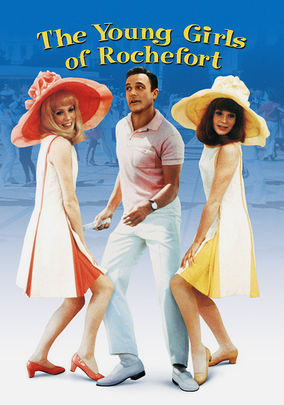
The Young Girls of Rochefort (Les Demoiselles de Rochefort) is a musical fantasy set in a small French town outside of Paris.

The story focuses on a pair of gorgeous twin sisters, Delphine and Solange, played by real-life sisters Catherine Deneuve and Françoise Dorléac, who yearn to escape their small town for the bright lights of Paris and hope for romance.

The twins can have any man they want, but enjoy the thrill and excitement of conquests and being chased and sought after by seemingly all available French men. They spend their spare time discussing and fretting over various loves.

The film is so French and pure musical fantasy, and logic is not the primary focus. Much of it does not make much sense, in fact, nor does it need to. It is pure fantasy.

The film excels by being dreamlike, bright, and sunny. The vivid, bursting colors and lovely sets enhance the film’s look.

In particular, the coffee shop set is a dream. All the central characters gravitate to the café for drinks, gossip, and song and dance.

A great deal of the action takes place here, which is a significant plus to the film.

The Young Girls of Rochefort, made in 1967, is very state-of-the-art in terms of art direction and color.

The loose plot, which is not at all a reason to watch this film, is silly. The twins, longing for love, meet several men, all possible suitors, but their true motivation is to get out of Rochefort and find genuine excitement in the big city of Paris.

One cannot help but realize that the men are a means to an end for the girls.

The heartfelt part of the story belongs to that of the twins’ mother, Yvonne, who also longs for love. Yvonne runs the café and still pines for a long-lost love whom she jilted because of a funny last name. She now regrets her decision, and the audience is rooting for her to find happiness.

She is a wholesome character, whereas Delphine and Solange are selfish and are attempting to further their careers as musical artists.

My main criticism of the film is casting Gene Kelly as one of the sisters’ love interests. Far too old and well past his prime at this point, the casting doesn’t work. Yes, he is a fantastic dancer, but the age is too great to be believable.

In the end, the main reason to watch The Young Girls of Rochefort (1967) is to escape, let loose, and enjoy a bright, cheery, fantasy film.

Certainly not to be analyzed, the film succeeds in providing good escapist, cultured French fare.

Oscar Nominations: Best Score of a Musical Picture- Original or Adaptation

Maleficent-2014

Maleficent-2014

Director Robert Stromberg

Starring Angelina Jolie

Scott’s Review #251

Maleficent_poster

Reviewed June 27, 2015

Grade: C+

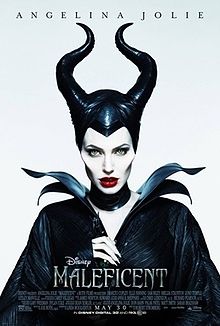
Maleficent (2014) is an updated re-telling of the classic fairy tale “Sleeping Beauty” told from the perspective of Maleficent, the evil godmother, who in this version, it is revealed, was not always.

She is rather sympathetic towards the beginning of the film.

Later in life, becoming the antagonist, she begins life in a world of goodness, wonder, and hope until she is duped by a young man she loves and turns wicked with hatred and revenge.

The casting of Angelina Jolie as Maleficent is excellent and the main reason to watch the film.

Also worth noting is the wonderful, creative art direction and costumes that look gothic and interesting.

Otherwise, the film meanders a bit, is slightly watered down, and contains a sappy Disney-style love story. The story itself is the weakest part of Maleficent.

Maleficent, protector of the fairies in the magical land of the Moors, as a young girl is betrayed and is NOT a villain. Her male suitor (Stefan) is someone she trusts, loves, and respects, is then duped and has her wings stolen by him.

He becomes the King of the neighboring land of humans, vastly different from the peaceful world that Maleficent lives in.

These events lead her to devastation followed by revenge as she places a vicious sleeping curse on Stefan’s firstborn, Aurora.

Jolie is wickedly delicious in this role- the sultry, pouty looks, and those eyes! She plays scorned, revenge-driven to the hilt without being too over the top as lesser actresses would have.

As the actress ages, she is beginning to take on more character, villainous parts rather than sexy bad girls or heroines and I am all for that. It gives the actress something meaty to sink her teeth into. Her dark costumes perfectly give the character an edge.

The art direction is magical and the difference between the two lands is distinctive. The beauty of the Moors with gushing streams, mountains, and flowers contrasts with the stark nature of the human world.

The fairies symbolize peace and freedom with a life filled with treasures, whereas the human kingdom symbolizes ambition, greed, and coldness. The tiny fairies flittering around add zest and life to the film.

The silly love story, though is not believable nor compelling to me, especially the latter film romance between Stefan’s daughter- Aurora, and her wealthy suitor Phillip. They seem manufactured to be together without having a chance to get to know each other.

This seems contrived and produced to add something young to the story.

On a storytelling note, Maleficent’s sleeping curse is set to transpire on Aurora’s sixteenth birthday when she pricks her finger on a spindle and falls into a deep sleep that can only be remedied by love’s true kiss.

Why does he send Aurora away to live in hiding when she is a newborn? Doesn’t he have sixteen years to enjoy her?

The film then dwindles to the inevitable battle finale with lots of movement and fire and a stand-off between Maleficent and Stefan that is dull and predictable.

Overall, the first half of Maleficent (2014) is the better part and the performance of Angelina Jolie is wonderful.

Oscar Nominations: Best Costume Design

Into the Woods-2014

Into the Woods-2014

Director Rob Marshall

Starring Emily Blunt, Meryl Streep

Scott’s Review #241

70305948

Reviewed May 8, 2015

Grade: B

Based on the stage production of the same name, Into the Woods (2014) is a feature-length Disney film that incorporates several different fairy tales into the main story.

The film is a fantasy musical with numerous songs performed by the cast, featuring a large ensemble of seasoned actors.

The classic fairy tales are modern versions of Little Red Riding Hood, Rapunzel, Jack and the Beanstalk, and Cinderella.

The action mainly revolves around a baker and his wife (James Cordon and Emily Blunt) who are sad and lonely because they cannot conceive a child due to a long-ago curse put upon the baker’s family by a witch- played by Meryl Streep.

Circumstances surrounding the baker’s father caused the once beautiful witch to be turned ugly. The witch offers a bargain to the baker and his wife- if they bring her four items (a white cow, a red cape, yellow hair, and a gold slipper) for a special potion, she will lift the curse, enabling them to conceive a child and live happily ever after.

This prompts the couple into the dark forest to obtain the requested items. From this point, the couple intersects with other characters from the fairy tales as they all question various aspects of their lives.

There are subsequent stories- the witch is Rapunzel’s adoptive mother and keeps her locked in a tower to prevent her from being hurt by the world.

Cinderella (Anna Kendrick) escapes her taunting stepsisters and attends a ball only to flee when noticed by the handsome prince (Chris Pine).

Jack attempts to sell beans to provide food for his mother- and Little Red Riding Hood brings sweets to her Grandmother but is confronted by the Big, Bad, Wolf (Johnny Depp), a strange Woman Giant is stomping through the forest searching for Jack.

All these stories revolve around the baker and his wife’s efforts to retrieve the witch’s requests.

The production and art direction in the film is great. I love the dark, gloomy forest, which translates so well on the screen and gives the magical effect of a mysterious, secret forest.

I enjoyed the songs quite a bit- especially the catchy “Into the Woods”. However, some of the songs are quite one-dimensional and bland and not discernible from each other, let alone memorable.

The duet of the Prince’s, “Agony” is silly and useless to the plot, with gyrations, and dance moves.

Meryl Streep- dynamic in anything she appears in again steals the show as the vile witch turns beautiful at the end. She has a fantastic solo number mid-story, entitled “Stay with Me”.

One drawback I found with the film is, at times it drags a bit and I was not sold on the casting of Anna Kendrick as Cinderella.  Something about her performance was lacking, perhaps she was not as sympathetic or convincing as another actress might have been.

Also, I would have enjoyed seeing Johnny Depp as the Wolf be more prominently featured and a larger role for the Woman Giant. As integral as she is to the plot, it was tough to get a clear glimpse of her face let alone anything more substantial.

An entertaining feast of fairy tales immersed in one film, Into the Woods (2014) has some compelling moments but lost opportunities that bring it far from the reaches of a masterpiece level.

A solid film, but not a great film.

Oscar Nominations: Best Supporting Actress-Meryl Streep, Best Production Design, Best Costume Design

Only Lovers Left Alive-2014

Only Lovers Left Alive-2014

Director Jim Jarmusch

Starring Tilda Swinton, Tom Hiddleston

Scott’s Review #237

Only_Lovers_Left_Alive_English_film_poster

Reviewed April 24, 2015

Grade: B

Only Lovers Left Alive (2014) is a bizarre trip into the strange and unusual world of vampires.

The film, moving slowly, becomes hypnotic, grabbing me into the plot, though the plot itself seems almost secondary to the gothic mood and dark ambiance of the film.

Thanks to the wonderful Tilda Swinton, who I find mesmerizing in every film role she appears in, the methodical film never completely bored me and, at times, even fascinated me.

Set in present times, Swinton and Tom Hiddleston play vampires named Adam and Eve, who are lovers separated geographically. Adam is a musician living in a vast Victorian house in Detroit and Eve resides in Tangier.

Realizing that Adam is lonely and suicidal, Eve makes the international trek to the United States to be with her love. While they begin enjoying a quiet existence immersed in music and thoughts, Eve’s rebellious sister Ava (Mia Wasikowska) from Los Angeles adds havoc to their lives.

Also cast in the film is John Hurt, who plays Marlowe, an ancient vampire assisting Adam and Eve, who succumbs to sickness due to tainted blood.

The film is a creative, atmospheric offering from edgy independent film director Jim Jarmusch, known for such left-of-center fare as Broken Flowers (2005) and Coffee and Cigarettes (2003), which are visual and visceral achievements.

While I did not completely love this film, feeling that the actual story is the weakest area, the magical and beautiful arrangements almost make up for any shortcomings.

Set entirely at night (when vampires are awake) and featuring several shots of Adam and Eve posed naked or almost naked in lovely, artistic angles, I think the film is going for a “look” as much as for storytelling and not completely centering on the plot.

It is also a lovely romantic film, though not in the typical sense of silly misunderstandings, and comical moments, but rather in romantic artistry, as Adam and Eve connect spiritually.

Married hundreds of years ago, Adam and Eve have been inexplicably separated by thousands of miles and coasts, though the reason is not explained.

Why are they the few remaining vampires alive? Does the human race know they are vampires or think they are odd-looking people? They both have money to burn and pay a high cost for being vampires as they either pay a contact to steal blood from hospitals to survive or obtain the blood elsewhere.

They are tempted to bite humans but resist those urges. The film does not explain why they are two of the few vampires left in the world or other questions. Adam, supposedly a famous musician, is wealthy beyond words and lives in a haunted-looking mansion surrounded by music and musical instruments.

The plot holes, of course, are secondary to me. None of them matter.

The film has beautiful moments- it is musically centered and Adam and Eve on more than one occasion engage in beautiful, tender dances the film is a pure love story, but a very left-of-center one.

I admire the film’s creativity and going where most filmmakers do not dare to go. Jarmusch dares to be different and deserves much praise.

The negative for me was the pacing of the film- the story almost does not matter as the film feels more like an experience in art than a “mainstream” film containing strong plot points and focus.

Only Lovers Left Alive (2014) is a different type of film and one worth admiring.

Independent Spirit Award Nominations: Best Female Lead-Tilda Swinton, Best Screenplay

Peau d’Ane (Donkey Skin)-1970

Peau d’Ane (Donkey Skin)-1970

Director Jacques Demy

Starring Catherine Deneuve, Jacques Perrin

Scott’s Review #227

70032096

Reviewed March 11, 2015

Grade: B

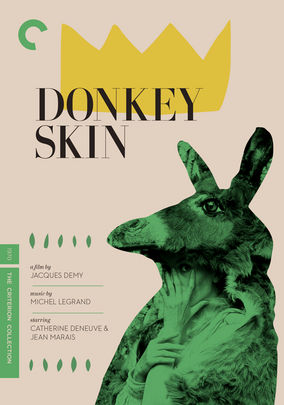
Peau d’Ane (English: Donkey Skin) is a 1970 French musical film that is a fairy tale for adults- seemingly happy, but very dark beneath the surface.

To say this film is bizarre would be an understatement. The film is a strange retelling of the classic Cinderella story.

The film is set in a peculiar medieval world and centers on a dying Queen (Catherine Deneuve), her husband, the King (Jean Marais), and the heroine, the beautiful Princess (also Catherine Deneuve).

The Queen is dying. Her last wish is for the King to marry the most beautiful woman in the land. Coincidentally, that is their daughter, The Princess! Eager to produce an heir to the throne, he is determined to marry and reproduce with his daughter.

The Princess, wanting none of it, turns herself into an ugly creature by wearing the skin of a donkey and moves to a neighboring kingdom to exist in a life of exclusion and revulsion, farming pigs and being berated by those around her.

A handsome Prince decides to pursue the woman who has baked him a delicious cake, but knows not who she is. Ironically enough, it is the Princess.

I found the film to be quite interesting, albeit in a warped way. Unusual and challenging to analyze, one must watch with an open mind.

Certainly, Donkey Skin delves headfirst into the icky world of incest. It makes no apologies for its controversial nature, all the while interspersing the film with cheery tunes, singing roses, and hatching chicks.

The donkey skin that the Princess wears is fake and unbelievably laughable, and how nobody is aware that there is a beautiful Princess underneath is silly.

And yet the film somehow works. I was transported into a magical world where nothing is normal, and one surprise after another ensues.

A couple of oddities worth mentioning: some of the film’s music a contemporary and upbeat. Also, strangely, the final scene involves a helicopter, which is completely implausible given the period.

I get the sense that this film is going for absurd and unique and succeeds on both counts.

Visually, the film is gorgeous- bright and cheerful with loads of colors. The film has awe-inspiring art direction, with the castle’s set pieces odd, engaging, and colorful. I especially enjoyed the Prince’s bedroom set.

As eccentric and seemingly dark as the film is, often a character will burst into a cheerful song, as evidenced by the Princess singing a happy tune while making a meal, all the while dressed in her donkey skin, almost like a scene out of Mary Poppins (1964) or My Fair Lady (1964) or any other wholesome musical.

To be sure, a unique film, Donkey Skin (1970) is eccentric, lively, and interestingly perverse with a French flair—fantasy for adults and a journey into the weird.

The Red Balloon-1956

The Red Balloon-1956

Director Albert Lamorisse

Starring Pascal Lamorisse

Scott’s Review #170

220px-Red_balloon

Reviewed September 15, 2014

Grade: A

The Red Balloon (1956) is a poignant short film (thirty-four-minute running time) in its innocence and creativity.

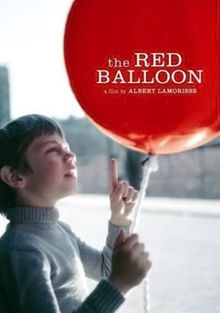
Directed by acclaimed French filmmaker Albert Lamorisse, it tells the story of a young Parisian boy named Pascal who befriends a special red balloon that arrives and greets him one day.

Amazingly, the balloon follows him everywhere, and they become inseparable friends. The balloon has a mind of its own and protects Pascal from schoolyard bullies and others who do not understand or care about his bond with it.

The balloon does not leave his side, and he waits outside during school hours and sleeping hours.

Director Lamorisse’s children play Pascal and a little girl with a similar blue balloon.

The film is shot in Paris and features many beautiful city glimpses. Unfortunately, the neighborhood (Belleville) where most of the adventure takes place, where little Pascal and his balloon meander through the streets to and from school, no longer exists and was destroyed in the 1960s due to decay.

It is a bleak, melancholy neighborhood that perfectly contrasts the extreme brightness of the balloon.

The Red Balloon is a thought-provoking short film and contains almost no dialogue. None is needed as a powerful message of friendship, heartbreak, and loyalty is portrayed.

The climax of the film is heartbreaking yet uplifting.

The Red Balloon is a film that people of all ages can enjoy and fall in love with. In fact, for many years, educators have shown it to children.

The Red Balloon is the only short film to win the Academy Award for Best Writing (Original Screenplay).

Oscar Nominations: 1 win-Best Screenplay-Original (won)

Jack the Giant Slayer-2013

Jack the Giant Slayer-2013

Director Bryan Singer

Starring Nicholas Hoult, Eleanor Tomlinson

Scott’s Review #93

70213512

Reviewed July 4, 2014

Grade: C

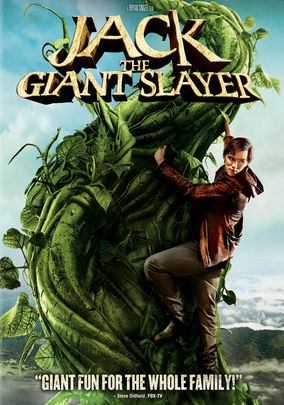
Jack the Giant Slayer (2013) is a fantasy, CGI-laden film most likely targeted at a young audience.

It tells the story of Jack, a farmhand who must rescue a beautiful princess from the world of giants after an accident causes a gateway to open to their world.

The film is loosely based on the fairy tale “Jack and the Beanstalk”.

The special effects in the Land of the Giants are the most impressive aspect.

Otherwise, it is a love story mixed with adventure and is not very engaging. It is also very predictable.

Heavyweights Ewan McGregor and Stanley Tucci appear in over-the-top performances and the acting of the princess (Eleanor Tomlinson) is shockingly wooden.

The finale is mildly entertaining as a chase through the castle occurs, but the film is so weighted down by the effects and the lack of a good story that it is a middle-of-the-road film.

Frozen-2013

Frozen-2013

Director Chris Buck, Jennifer Lee

Starring Kristen Bell, Idina Menzel

Scott’s Review #43

70279000

Reviewed June 18, 2014

Grade: B

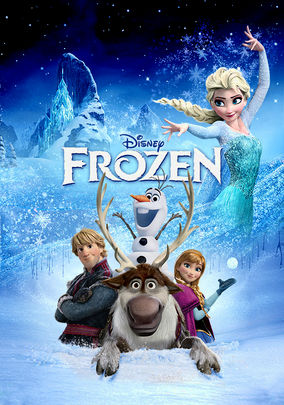
The adjective that springs to mind about the latest hit animated film Frozen (2013) that has overtaken the nation is “cute”.

The story is loosely based on the Hans Christian Anderson story (which is modified immensely) and tells the story of two royal sisters (Elsa and Anna), one of whom has special “ice” powers and accidentally injures the other causing a rift.

From this point, there are a series of misunderstandings, love interests, a handsome prince, an adventure through the snow, and a Snow White-type theme.

The story is uplifting, sweet, and targeted to kids and parents seeking a wholesome, safe experience, but is it too safe?

My one criticism is the lack of diversity and culture in the main characters as they are all similar in looks, which doesn’t set the best example for kids watching.

The musical numbers stuck in my head as I hummed them for days. The songs are very trendy, and pop-leaning which may make this film age quickly and have an overly current flavor.

I loved the frozen, icy, wintry animation sets that are perfect while watching in the winter months.

Olaf, the sidekick, the mini snowman is witty and steals the show.

Oscar Nominations: 2 wins-Best Animated Feature Film (won), Best Original Song-“Let It Go” (won)