Category Archives: Comedy

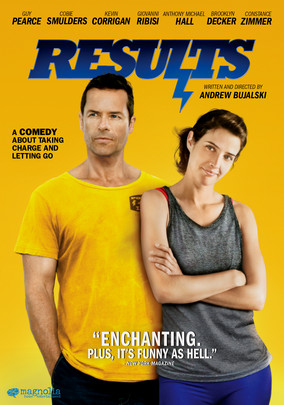
Results-2015

Results-2015

Director Andrew Bujalski

Starring Guy Pearce, Kevin Corrigan

Scott’s Review #471
80038442

Reviewed August 29, 2016

Grade: C-

Other than one fantastic supporting performance by Kevin Corrigan, who should have been the star of this film, Results (2015) is an independent romantic comedy that lacks any real identity.

The film has trouble deciding which couple the audience is meant to root for leaving me to root for none of them, and frankly, a bit bored with the overall script.

Still, Corrigan and to some degree, Guy Pearce make it a tolerable watch.

Corrigan plays Danny, a newly wealthy average Joe type, who joins a gym presumably to achieve a supportive network of friends, as he is new in town- Austin, Texas.

He meets Trevor (Pearce), who owns a local gym and is trained by the moody Kat (Cobie Smulders).

The three individuals’ lives intersect as a triangle of sorts develops.

Kevin Corrigan, who has appeared in numerous independent films over his decades-long career, and blockbusters such as Goodfellas (1990), completely steals the show and is the main reason to tune in.

His acting is effortless as he plays a lonely, rich man looking for human connections. He is troubled but has a comic wit that shines and gives him needed vulnerability. We want him to find happiness despite being unlikable.

Speaking of unlikeable, Smulders as Kat is a frigid iceberg with attitude for miles. Why anyone, let alone two men, would be interested in her is beyond me.

Pearce is appealing as the good-natured, aspiring-to-be successful businessman named Trevor, who is buff beyond belief- to enormous credit since Pearce is no spring chicken. Otherwise, we know little about his character.

He is not in love with Kat, but suddenly seems to be.

Kat warms to Danny but then is in love with Trevor. The entire romantic entanglement is silly and no chemistry exists among them.

The casting of Giovanni Ribisi as a stoner lawyer and Anthony Michael Hall (The Breakfast Club from the 1980s) as a fitness guru are pointless.

The fitness/gym angle is cool if one, as I am, is a fan of physical fitness. It is a nice little lesson as Kat teaches Danny basic core exercises. But after too many scenes of Kat drinking kale shakes and jogging incessantly, or Trevor eating egg white omelets and body strengthening, the message is overkill.

They are fitness buffs- we get it.

The biggest fail is how the film focuses on Danny and Kat as a potential romantic couple, then suddenly shifts gears, making Kat and Trevor the main couple, with Danny on the outside looking in.

It really makes little sense, and by that point, I was rather bored anyway and the film just petered out for me.

Results (2015) has shreds of potential with better-structured story-telling, but misses good potential in many areas- underdeveloped characters and a meandering plot are a couple of major problem points.

Independent Spirit Award Nominations: Best Supporting Male-Kevin Corrigan

Anomalisa-2015

Anomalisa-2015

Director Charlie Kaufman, Duke Johnson

Starring Tom Noonan, Jennifer Jason Leigh

Scott’s Review #469

80080269

Reviewed August 27, 2016

Grade: A-

Anomalisa (2015) is one of the most creative offerings I have seen recently.

Animation is not my forte- typically I find them much too nice, and the old “family-friendly” tags make me cringe, Anomalisa has received heaps of buzz so I decided to check it out.

I am glad I did.

The stop-motion film is quite adult-themed, though not the slightest bit raunchy. Rather it is an intelligent tale about loneliness and human beings connecting through this loneliness.

It is a bit of a melancholy film too, based on a 2005 play.

The central character is Michael Stone, a depressed customer service expert, who travels to Cincinnati to deliver a seminar on his expertise. Michael is riddled with anxiety and his life is rather mundane though he checks into a stylish hotel that is presumably hosting his convention.

He is a bit of a big name within his industry. Oddly, every person he encounters looks and sounds the same- that of a white man- even his wife and son. He is haunted by the memory of an old flame, Bella, who it is revealed he jilted years ago and now lives in Cincinnati.

The story gets interesting when Michael hears a woman’s voice singing, up until now all voices are male, remember, and he is desperate to find the voice.

He meets Lisa (voiced by Jennifer Jason Leigh), an insecure, rather dowdy woman, with whom he becomes infatuated. A customer service representative at the hotel to witness Michael’s seminar, Lisa is instantly smitten, though wary of Michael’s intentions.

They bond and the film tells of their romance and insecurities.

The film is highly creative and unique. It is also mysterious. My first wonder was to figure out why all the characters, regardless of gender, share the same voice.

Michael is lonely and sees everyone else as monotonous or meaningless until he meets Lisa. The film is not clear what Michael sees in Lisa- perhaps her realness in a world of phoniness. She is an ordinary girl, but what is the point? I am still not sure of this.

I did not find the character Michael likable and not one to root for. He is dismissive of some characters and a bit condescending, but despite this, not a hated character either. He and Lisa as a duo are to root for.

Anomalisa has some humor too, albeit dark humor. When Michael mistakes an adult toy store for a traditional toy store and purchases a Japanese sex doll for his son, Michael’s wife hilariously wonders about some foreign substance around the doll’s mouth.

A nervous male passenger on Michael’s flight clutches Michael’s hand, even after landing safely.

The explicit sex scene between Michael and Lisa is as shocking as it is tender. I think showing this graphic edge in animation threw me for a loop since this rarely happens in animated films- perhaps incorrectly- assuming that they are for children only with their parents to endure.

Anomalisa is not true animation- felt puppets are used, giving a great, human-looking feel and making the characters more life-like.

Anomalisa (2015) is not a perfect ten but damn close for its left-of-center approach alone. A journey into the art of creativity and thought. A bit far out there for most, and perhaps the sarcasm may be lost on some, but a unique experience, nonetheless.

Oscar Nominations: Best Animated Feature Film

Independent Spirit Award Nominations: Best Feature, Best Director-Charlie Kaufman and Duke Johnson, Best Supporting Female-Jennifer Jason Leigh, Best Screenplay

Trainwreck-2015

Trainwreck-2015

Director Judd Apatow

Starring Amy Schumer, Bill Hader

Scott’s Review #463

80036402

Reviewed August 13, 2016

Grade: B

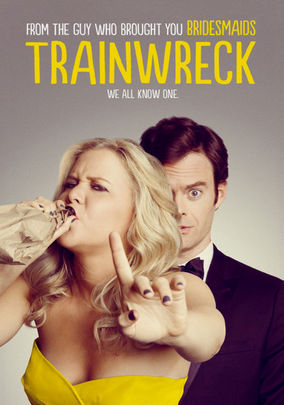
Trainwreck is a raunchy 2015 comedy/romantic comedy that lends its success largely to its star.

Amy Schumer makes this film as good as it can be (after all, she wrote it) and despite the raunchy girl power themes that are currently the popular trend in films of this genre, Trainwreck has some laughs and good times thrown in, thanks to Schumer.

Judd Apatow directs, who has successfully made a gazillion of these types of films in modern times.

The film does teeter off into predictability toward the conclusion. It has its moments of fun and is not boring.

Unapologetic, sexually promiscuous, and boozy, Schumer plays a successful magazine writer (Amy) given an assignment she despises- interview a sports medicine doctor, named  Aaron (played by SNL alum, Bill Hader).

Amy hates sports and knows nothing about them, she also goes from man to man, nothing serious, and is currently dating a sexy bodybuilder named Steven (John Cena), who she thinks may be gay.

Predictably, Amy and Aaron fall in love.

In typical fashion, Trainwreck contains stereotypical characters or characters who are merely there to bounce off the main action.

SNL alum Vanessa Bayer, and Tilda Swinton are the most obvious examples, as the loyal best friend and rigid, type-A boss, respectively.

Brie Larson and Colin Quinn co-star as Amy’s family members. Both give one-note performances that are fine, but unspectacular, and one surmises that Brie Larson agreed to this role before her Oscar-winning turn in Room (2015).

Despite the comedy clichés, I had some good fun with Trainwreck.

Schumer is likable as an ordinary girl, think of her as the new Melissa McCarthy, to whom many people can relate. I am not sure Schumer and Hader had the best chemistry, but the point was that she found love with a “regular” guy, a tad dull, to counter-balance her big, loud personality.

And they do make a charming pair.

Some scenes work. When Amy encourages a naked Steven to “talk dirty to her” in the bedroom and he attributes everything to bodybuilding, the scene is funny.

When Amy and Steven banter with an angry couple at the movie theater, fall flat.

Certainly not high art, for the raunchy comedy genre, Trainwreck is a treat and entertaining to watch, in large part due to the comedic talents of Amy Schumer.

More often than not, when the masses rave about a current comedy as being “great”, I am usually disappointed. While Trainwreck (2015) is not great, it is good, with some laughs.

Otherwise, it is a rather by-the-numbers film.

Café Society-2016

Café Society-2016

Director Woody Allen

Starring Jesse Eisenberg, Steve Carell

Scott’s Review #462

80106775

Reviewed August 11, 2016

Grade: B+

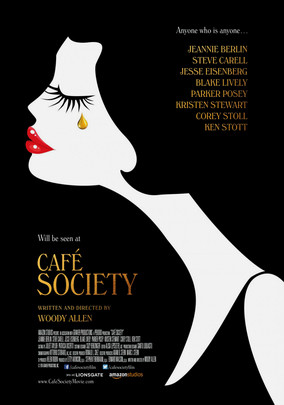
Having received sub-par reviews but wanting to see this film for myself, as it is a Woody Allen film, and I have yet to see an Allen film I did not like, I traversed to my local theater to see this flick.

I was not disappointed, though others did not share my opinion.

To love Woody Allen films is to love quirky characters who are either neurotic, damaged, or, more often than not, both.

Also notable to Café Society (2016) is the stellar cast of who’s who, many in minor cameo roles, another trademark of Woody Allen films.

Marisa Tomei, Daniel Radcliffe, and television stars Anna Camp (True Blood) have tiny roles, as do stars such as Sheryl Lee (Twin Peaks) and Tony Sirico (The Sopranos).

Additionally, Woody Allen himself narrates the film- a highlight.

The main stars of Café Society are Jesse Eisenberg and Kristen Stewart, both ideally cast.

The setting (which I adored) is 1930s Hollywood, and the action traverses between California and New York City, another common bond in Allen’s films.

Eisenberg plays Bobby Dorfman, a Jewish son of a working-class jeweler who has many siblings. Tired of New York, he flies to Los Angeles to obtain work with his hotshot Uncle Phil, played by Steve Carrell, who knows every celebrity.

There, he meets Vonnie (Stewart), and they fall in love, Bobby unaware of her on-and-off love affair with Phil.

The set and costume designs are to die for, and as a fan of this glamorous period in history, I find it an extraordinary visual treat.

Café Society is a prime example of a film that feels authentic to its time rather than appearing staged with actors merely dressed up in appropriate attire. This is tougher to achieve than one might imagine.

Despite contrary opinions, I enjoyed how most characters were wishy-washy and unsure of their motivations or feelings toward others.

Vonnie loves Phil, and then she warms to Bobby, who has been in love with her since their first meeting. She innocently shows him around Hollywood’s palatial mansions.

She is honest with Bobby but then makes a decision and becomes everything she once despised about Hollywood: a shallow, trophy wife.

Ironically, Bobby becomes involved with a stunning new woman named the same as his ex back in New York. This coincidence is crucial to the film’s point. He transfers his feelings to another woman, but is he pleased?

It did not bother me, though perhaps it should have, that several characters were introduced for a scene or two and then mysteriously dropped.

For instance, the novice hooker, Candy, having tried to make it as an actress and failed, has a heart of gold. However, after her awkward attempt at a tryst with Bobby, the character is never seen again.

Another characteristic of the film that I enjoyed is the natural, overlapping dialogue between the characters. It makes them more genuine and evokes my fondness for Robert Altman films, which used a similar technique with their actors.

The point of Café Society is that nobody ever gets what they want, and the film makes a point that nobody knows what they want.

Containing elements common to other Woody Allen films, Café Society (2016) is intended for fans of his lengthy work.

Sisters-2015

Sisters-2015

Director Jason Moore

Starring Tina Fey, Amy Poehler

Scott’s Review #458

80063604

Reviewed July 31, 2016

Grade: B-

Slapstick comedy is admittedly not my genre of choice, though I will watch some for light entertainment or to see just how bad (or good) current offerings are.

Nonetheless, I have tried to put myself in a mindset of low expectations for these films that are usually fluff and plot-driven.

In the case of Sisters (2015), the film is pretty much as one would expect: vulgar, crass and raunchy. Yet, due to the chemistry between the leads (Amy Poehler and Tina Fey) and a few heartfelt romantic moments, something does work. It is not as mean as one might think.

This is not to say that Sisters is a great film. Hardly. But not as bad as I feared.

Poehler and Fey play Maura and Kate Ellis, respectively, two late thirties sisters, living in other areas of the country, who return home to Orlando, Florida, when their parents (James Brolin and Dianne Wiest) sell their childhood home.

Maura and Kate have been tasked with cleaning their bedrooms in time for the sale.

The sisters have an idea to throw one final bash and invite their high school classmates, who all conveniently still live in the same town. Events go awry and the party gets way out of hand.

Mixed in with the main plot are sub-plots consisting of a romantic interest for Maura, and a rival for Kate, played by Maya Rudolph.

The best part is the chemistry between Poehler and Fey. They “have it” whether it is a Saturday Night Live sketch, hosting the Golden Globe awards, or starring in Sisters. The banter and the jokes work well because the two comics work well together and it shows on-screen.

They are believable as sisters despite looking nothing alike.

Otherwise, Sisters is a traditional vulgar comedy. One irksome recent trend (now more female-driven than in years past) is the leading ladies being classless. This must be an attempt at female empowerment or the assumption that since adult comedies were once a man’s world, female characters should be written like men.

Do we need Kate and Maura swearing like sailors, making poop jokes, and being so raunchy? Behaving like ladies would now be the exception, not the norm (Bridesmaids, 2011, set this precedent).

Not surprisingly, the supporting characters are all caricatures as is typically the case in films of this genre. The parents are a bit clueless and have kinky sex much to the girl’s chagrin.

Brinda, bitchy, judgmental, yet insecure, the Korean (big stereotype) nail technician who cannot properly pronounce English words, the new owners of the house are snobbish, uptight, and clueless, and finally, James, the guy next door, who are Mr. Fix-it and the straight man in the high-jinks. He is sugar-sweet and the male hero.

The romantic scenes between Maura and James are sweet and sentimental, nicely balancing the vulgarity and raunchiness that the rest of the film encompasses. They are a nice couple and have a rich rooting value.

Most of the action takes place at Kate and Maura’s childhood home where posters of such 1980s films as E.T. and Out of Africa, and a poster of heartthrob Tom Cruise, hang on the walls.

This, and many other references that Generation X will delight from in this film are pointed out, so that is a treat and a positive of the film.

As the party gets off to a slow start, the thirty and forty-somethings appear dull and either talk about their kids or their various maladies and suddenly, after being fed drugs, are back to their college party days, are both dumb and cute at the same time.

Sisters (2015) (hopefully) knows what it is. It is a late Saturday night, raunchy comedy affair, meant as fluff and escapist fun. It is not a masterpiece nor does it intend to be one.

Rather, a full-length SNL sketch including many alumni. It is harmless fun.

Frankenweenie-2012

Frankenweenie-2012

Director Tim Burton

Starring Charlie Tahan 

Scott’s Review #454

70219496

Reviewed July 23, 2016

Grade: B

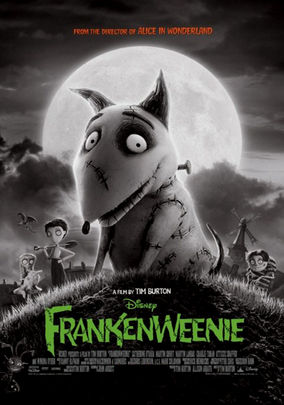
Frankenweenie is a very creative Tim Burton-made, stop-motion film that received a nomination for Best Animated Feature at the 2012 Oscars.

On the dark side, it is a pleasure to watch for the thought-invoked and left-of-center approach as compared to many safe modern animated features.

The story revolves around a lonely young man who experiments on his recently deceased dog to bring him back to life.

It is a black and white film, has nice horror references (Frankenstein, Bride of Frankenstein) and interesting characters.

It is also heartwarming as the child’s love for the dog is evident.

The movie is easy to compare to 2012’s ParaNorman in multiple ways (lonely male teen, both dark films).

As much as I give major props to this film for the creativity involved, somehow it did not completely connect with me (I liked ParaNorman better) and I’m not sure why, but I have great respect for the creative achievements it encompasses.

Oscar Nominations: Best Animated Feature Film

ParaNorman-2012

ParaNorman-2012

Directors Chris Butler, Sam Fell

Starring Kodi Smit-McPhee, Anna Kendrick

Scott’s Review #453

70217914

Reviewed July 23, 2016

Grade: B+

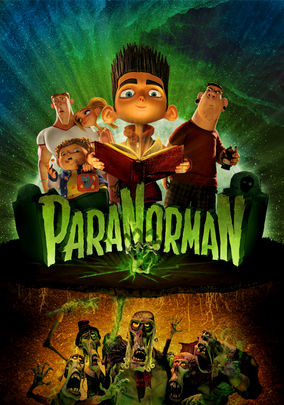
ParaNorman (2012) is a highly imaginative and very enjoyable animated film that I admired a great deal.

Creative colors and images are key, and the film is stop-motion.

Despite being animated, it is not a kid’s movie but rather geared toward the teenage or older demographic.

It is among the strongest of the five films nominated for Best Animated Feature in 2012, along with Frankenweenie, a similar type of film.

ParaNorman is so similar to Frankenweenie that they could almost be simultaneously reviewed or watched on the same day.

Both center around an isolated young male coping with his surroundings, and both contain a light horror feel.

In ParaNorman, an army of zombies invades a small, suburban town, and our hero, Norman, a strange young man who can communicate with the dead, must save the day.

The film features sympathetic peers, but the adults present various obstacles.

I have gone on record as being not much of an animated film fan, but I do view the best of each year, and this one impressed me immensely.

Oscar Nominations: Best Animated Feature Film

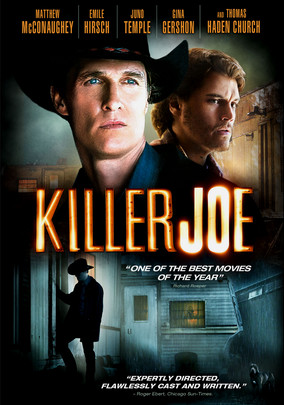
Killer Joe-2011

Killer Joe-2011

Director William Friedkin

Starring Matthew McConaughey

Scott’s Review #450

70209632

Reviewed July 14, 2016

Grade: A-

Killer Joe (2011) is a must-see for any fan of director Quentin Tarantino because this small, independent gem of a feature is worth checking out.

Tarantino’s films influence the film in style, characters, and violence. The mix of violence, humor, wit, and strong writing is stamped on the film.

Surprisingly, despite the influence of another director, William Friedkin directs Killer Joe, and he’s a highly acclaimed filmmaker in his own right.

This talent created classics such as The Exorcist (1973) and The French Connection (1971).

Matthew McConaughey stars in Killer Joe, and he has thankfully graduated from silly, fluffy romantic comedies to smart, delicious roles in independent films of late.

He has become a respected Hollywood actor, and his lengthy nude scene is daring for such an A-list actor.

The film is satirical, without being too campy, and the setting of a suffocating, trailer-trash Texas town is extremely well done.

I loved the violent, gruesome fried chicken dinner table scene most.

I especially liked the overall food references throughout the film, which add even more macabre comedy to this dark (on the surface) film.

Independent Spirit Award Nominations: Best Male Lead-Matthew McConaughey

Ruby Sparks-2012

Ruby Sparks-2012

Directors Jonathan Dayton, Valerie Faris

Starring Paul Dano

Scott’s Review #442

70213510

Reviewed July 4, 2016

Grade: B

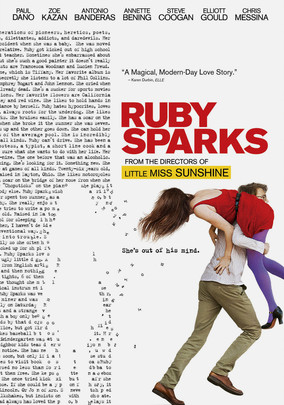
Ruby Sparks is a smart, creative, indie film released in 2012.

The film explores fantasy versus reality, as the main character is a troubled writer who imagines a character he created as real.

Is she real or isn’t she?

The film centers around a writer (Paul Dano) with writer’s block who creates an imaginary dream girl (Zoe Kazan), who magically comes to life one day.

This is an interesting premise, and the film has some big-name actors (Annette Bening, Eliot Gould, Antonio Banderas) in small roles, which is a delight to see.

The chemistry between the two leads is lacking, and the film leans too heavily into a typical romantic comedy.

Additionally, the film never explains whether it aims for seriousness or is purely the writer’s imagination, but I admire its creativity and thoughtful premise.

Independent Spirit Award Nominations: Best Screenplay

Gayby-2012

Gayby-2012

Director Jonathan Lisecki

Starring Jenn Harris, Mathew Wilkas

Scott’s Review #441

70234883

Reviewed July 3, 2016

Grade: C+

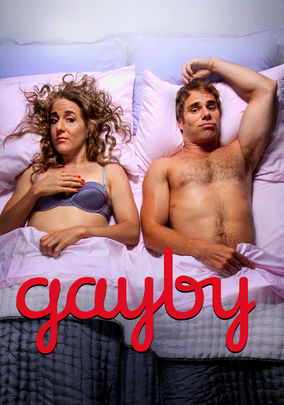
Gayby (2012) is a sketch-type comedy about two best friends (a gay man and a straight woman) who decide to have a child together.

Both have reached a certain age and are unhappy that they haven’t found the perfect mate. The story is not novel and feels more like a Saturday Night Live sketch than a film.

The film also plays on the success of television comedies like NBC’s Will and Grace and the obvious dynamic between the central characters.

The two leads are quite appealing in a comic way, have wit (Jenn Harris is deliciously neurotic), and have great timing.

The subject matter is interesting, though as years go by and more LGBTQ+ topics are covered, it is becoming rather dated and no longer novel.

The negative is the frenetic, quick pacing of the film, ultimately making it rather off-putting and annoying, to say nothing of the irritating stereotypical supporting characters.

They are written so over-the-top that it is tough to take the film as seriously as it should be taken.

Independent Spirit Award Nominations: Best First Screenplay

Safety Not Guaranteed-2012

Safety Not Guaranteed-2012

Director Colin Trevorrow

Starring Mark Duplass, Aubrey Plaza

Scott’s Review #440

70227946

Reviewed July 3, 2016

Grade: B-

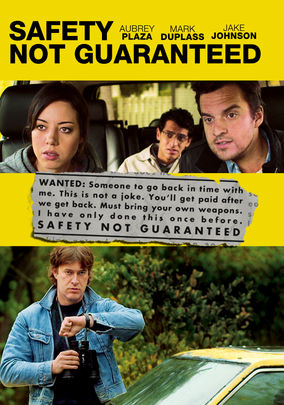
Safety Not Guaranteed is similar in style to another 2012 independent film, Ruby Sparks, in that both pose the question, “Is this fantasy or reality?”

The film explores time travel.

The story centers on a magazine journalist who, along with two interns, follows a man convinced he is building a time-travel machine.

The story then develops into a romantic comedy of sorts, and the audience is unsure whether the guy is crazy or a true genius.

It’s an interesting concept, intelligently written, and Aubrey Plaza and Mark Duplass are both quite likable in the lead roles.

The one flaw for me was, at times, the movie dove into slapstick territory with a silly secondary story of a stereotypically written Indian character attempting to lose his virginity.

Besides that, Safety Not Guaranteed (2012) has intriguing intentions.

Independent Spirit Award Nominations: 1 win-Best First Screenplay (won), Best First Feature

Hope Springs-2012

Hope Springs-2012

Director David Frankel

Starring Meryl Streep, Tommy Lee Jones

Scott’s Review #434

70230548

Reviewed June 30, 2016

Grade: B

Hope Springs (2012) is a cute, lighthearted romantic comedy-drama with enormous talent. It is hard to go wrong with heavyweights like Meryl Streep and Tommy Lee Jones.

The story tells of a middle-aged, married couple who reach the point of boredom in their long marriage. They decide to go away on a retreat to repair their marriage and add some spark.

That’s the movie in a nutshell.

There are no surprises to speak of, and I expected a bit more from this film given the talent involved.

It has ‘safe’ written all over it, and while nice, it could have been much more.

What’s the reason for the conflict? They suddenly reach a point of boredom for no reason.

Props to Steve Carell for an against-type performance.

Hope Springs (2012) has great acting all around, but it’s too safe a story.

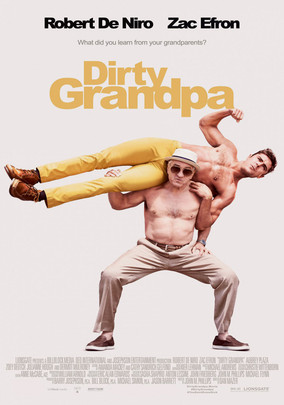
Dirty Grandpa-2016

Dirty Grandpa-2016

Director Dan Mazer

Starring Robert De Niro, Zac Efron

Scott’s Review #432

80049285

Reviewed June 29, 2016

Grade: D-

It’s a sad day when the only interesting aspect of a film is the gratuitous nudity of one of its stars, but that is precisely the case with Dirty Grandpa (2016).

Zac Efron bravely bares all for the sake of art….or a big paycheck, whichever the case may be.

Otherwise, Dirty Grandpa is complete drivel.

It is crass, rude, mean-spirited, and blatant in its raunch. It also aspires (successfully) to be politically incorrect, quite surprising in these times of fairness and equality for all.

If the film intends to be outrageous, it succeeds in spades.

Unfortunately, there is not much comedy, and the film is quite bad, even where dumb comedies are concerned.

Starring one of the film’s most extraordinary talents of all time, Robert DeNiro, one wonders why he would sign on to appear in this film. Perhaps it has to do with playing a role he has yet to do. We will probably never know unless we ask him.

DeNiro plays Dick Kelly, a retired Army veteran, recently widowed after forty years of marriage. Faithful for decades, he embarks on a road trip to Daytona Beach, Florida, with his grandson, Jason (Efron).

Dick’s goal is to conquer a slutty college girl he and Jason meet while they are eating at a roadside diner.

Lenore (Aubrey Plaza) is a college girl with her friend Shadia (Zoey Deutch). Shadia knows Jason from school. To complicate matters, Jason is engaged to self-absorbed Meredith. This sets off a chain of circumstances in which each pair falls in love while arguing various trivial issues.

Thrown in are scenes of partying, acting silly, and outrageous crude remarks and behavior. The standard bathroom humor is not spared.

Dirty Grandpa’s subject matter is not uncharted territory; the “road trip/buddy movie” has been done many times in film history.

My gripe is not so much with the film’s raunchiness, but it is not funny. Over the top in raunch comedy, it has worked many times- think Pink Flamingos (1972) and other John Waters films.

But those films had characters to root for and who were interesting.

DeNiro’s character is the pits; Efron’s not so bad. The motivation of Dick Kelly is to have sex- almost like the guys in American Pie (1999), but with them, it was cute.

DeNiro plays a man in his 70s.

That is fine, but he is so blunt about his need for sex and whines about not having sex for fifteen years because of his wife’s cancer. So, the audience is to think of him as a nice guy because he waits for his wife to die to score on spring break.

Lame.

Efron is my favorite character. As mentioned above, he has a lot of skin, which is the most appealing aspect of this sorry film.

The chemistry between Efron and DeNiro is not terrible, and I bought them as a grandfather and grandson.

Efron is unafraid to poke fun at his beefcake image and deserves praise. He has a fantastic, chiseled body, and showing it off is good for him.

Efron has the talent. Does anyone recall The Paperboy (2012)? He was superlative in that underrated independent gem. In Dirty Grandpa, he plays the straight man and is the only “normal” character.

He is the voice of reason, if you will.

The supporting characters are as stereotypical as possible.

It is almost as if the film intends to offend but with no good reason. Dirty Grandpa has the dumb jocks, the horny teen girl, the weak, effeminate gay character, the Hispanic drug dealer, and so forth.

Danny Glover’s brief cameo appearance as a horny wheelchair-bound nursing home resident (and old buddy of Dick) is as much laughable (not in a good way) as forgettable.

Most characters are thinly written.

Dirty Grandpa (2016) appeals to unsophisticated moviegoers who find crude, mean-spirited characters funny and deem stock characters acceptable. Every other sensible person will dislike this film.

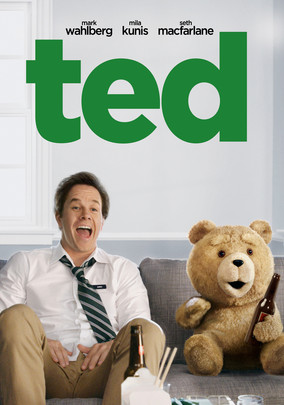
Ted-2012

Ted-2012

Director Seth MacFarlane

Starring Mark Wahlberg

Scott’s Review #428

70218756

Reviewed June 21, 2016

Grade: D-

So many times I will watch a comedy deemed “the funniest movie of the year”, or some other grand touting, and be disappointed in it.

This is the case with Ted (2012).

To be fair to the creators, I did enjoy the 1980s references, and the teddy bear has a charming, gruff, witty, crude personality that was funny at times, but that’s it for the positives.

The main storyline (a loyal male slacker with a successful girlfriend) has been done to death, and this was one of the most predictable, sappy movie endings I’ve ever seen, so I don’t get why people think it is so great.

Think happily ever after, as if the result was ever in question.

Ted was filled with stereotypical characters, specifically Asian stereotypes, and a myriad of dumb situations.

The actors could handle stronger material.

Raunchy comedies need not have a surprise ending, but the sappy love story was too lame to take at times.

At least the film should have taken some risks and given it an edge.

And Lord help us if there is an inevitable sequel to Ted (2012).

Oscar Nominations: Best Original Song-“Everybody Needs a Best Friend”

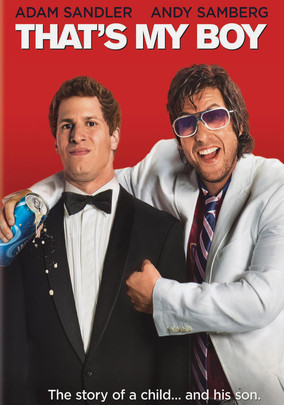
That’s My Boy-2012

That’s My Boy-2012

Director Sean Anders

Starring Adam Sandler, Andy Samberg

Scott’s Review #423

70220030

Reviewed June 19, 2016

Grade: D

That’s My Boy (2012) is an incredibly bad film, yet something strangely kept my attention.

With oodles of stereotypes and either sexist, homophobic, or racist jokes throughout the film, it should have made me angry, but somehow it did not.

This movie was so completely over the top that it couldn’t possibly be taken seriously.

One laughable aspect that I did enjoy was the, albeit odd, cameos by Vanilla Ice and Todd Bridges who seem to have no problem degrading themselves, and the references to the 1980s.

Otherwise, That’s My Boy is pretty rock bottom for filmmaking.

This isn’t a knock on the dumb comedy genre, as other recent similar films are well written (like This is 40-2011).

But alas, That’s My Boy (2012) isn’t one of those films and will not go down in history as such.

True to form, the ending is predictable and uninteresting.

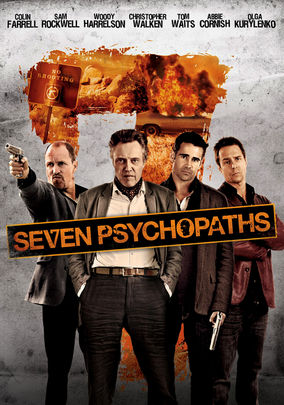
Seven Psychopaths-2012

Seven Psychopaths-2012

Director Martin McDonagh

Starring Colin Farrell, Sam Rockwell

Scott’s Review #422

70241756

Reviewed June 19, 2016

Grade: B-

Seven Psychopaths (2012) is a film that I truly wanted to like more than I did.

It started well with a Quentin Tarantino-style that was appealing, and the film does contain an interesting premise.

Colin Farrell plays the straight man in a cast of offbeat, quirky characters and tries to complete a screenplay entitled “Seven Psychopaths” based on them.

Sounds great, but halfway through the movie, it stopped delivering. I found myself slightly bored.

The film has a unique concept, to be sure, but fizzles during the second act, so much so that it stopped making much sense and lost my interest.

I did admire the creativity, though, and the chemistry among the cast is great, but the overall story in Seven Psychopaths (2012) disappointed me.

Independent Spirit Award Nominations: Best Supporting Male-Sam Rockwell, Best Screenplay

Hotel Transylvania-2012

Hotel Transylvania-2012

Director Genndy Tartakovsky

Starring Adam Sandler, Andy Samberg

Scott’s Review #418

70220028

Reviewed June 18, 2016

Grade: C-

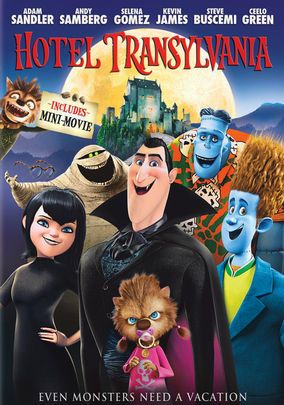
Hotel Transylvania is a 2012 animated comedy film about an overprotective Dracula with a teenage daughter fascinated with the human world.

The premise sounded interesting to me- a gothic, spooky feature, and the animations are very well done- bright, colorful, and unique- but the plot is way too predictable, and the story is as safe as they come.

Despite the dark mood of the film, there is nothing remotely scary about Dracula or any of the other characters. Rather, they are completely cliched and quite amateurish.

The target audience is ages 10 and under, and parents might find themselves bored. I am not a parent, and I was bored to tears at one point.

It is too cutesy for my tastes.

Save for the impressive animations, Hotel Transylvania (2012) is completely mainstream fare and forgettable filmmaking.

A great story achieves mountains, and this one lacks.

Robot & Frank-2012

Robot & Frank-2012

Director Jake Schreier

Starring Frank Langella

Scott’s Review #414

70227654

Reviewed June 18, 2016

Grade: C

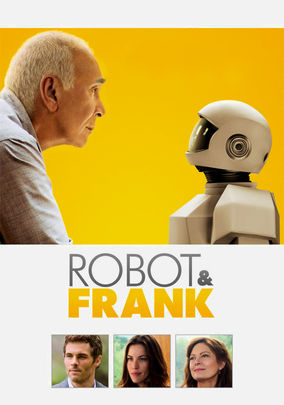
Robot & Frank (2012) is one of those films that leaves me with a “meh” reaction after I’ve seen it.

It’s not that it’s a bad movie, but there’s nothing particularly special either- it is quite ordinary and rather forgettable after the credits have rolled.

The premise, on paper,  seems novel: a future with robots that grow attached to humans. Unfortunately, the movie did not live up to the idea.

I was hoping for an interesting 2001: A Space Odyssey (1968)- type robot idea (HAL), but I got nothing like it.

I’m a big fan of Frank Langella, and I felt he was the main attraction in this movie.

On a side note, why is Susan Sarandon suddenly playing every meaningless supporting role these days? Another wasted role. She deserves better.

Several plot points had no follow-through, and the ending, while not exactly predictable, was nothing spectacular.

Meh.

Independent Spirit Award Nominations: Best First Screenplay

Behind The Candelabra-2013

Behind the Candelabra-2013

Director Steven Soderbergh

Starring Michael Douglas, Matt Damon

Scott’s Review #411

70274808

Reviewed June 18, 2016

Grade: A

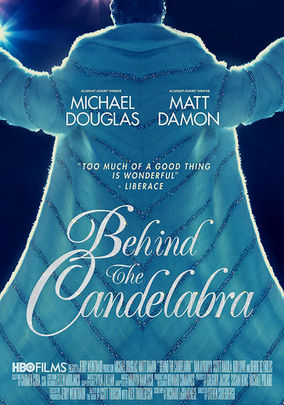
I thoroughly enjoyed this HBO film about Liberace, whom I was too young to know much about before seeing it.

The film fully explores the excesses of his lavish lifestyle.

The standouts are Michael Douglas and Matt Damon, who are both exceptional in their portrayals of Liberace and his young lover. At times, both are unrecognizable and fully embody their characters.

I can’t attest to the story’s absolute truth, but the HBO film does a nice job of mixing joy, passion, heartbreak, sadness, and competition throughout.

The story undoubtedly bears a likeness to many Hollywood troubled relationships past and present.

Bus Stop-1956

Bus Stop-1956

Director Joshua Logan

Starring Marilyn Monroe, Don Murray

Scott’s Review #400

60004539

Reviewed April 30, 2016

Grade: C

Bus Stop is a 1956 film starring Marilyn Monroe that, while surprisingly ranking among her best roles, is, in my opinion, one of her worst films and, at present, feels dated, chauvinistic, and diminishing toward women.

Perhaps perceived as romantic and cute in 1956, the film no longer has the charm it undoubtedly had decades ago.

The film is based on a play by William Inge and, remarkably, is Monroe’s first full-fledged dramatic performance.

She plays a nightclub performer named Cherie, mispronounced “cherry” by her love interest, Beau, an immature, naïve, socially inept cowboy, unfamiliar with women, and looking for his “angel”.

He is accompanied by his friend and father figure, Virgil.

Together, they travel by bus from Montana to Phoenix, Arizona, for a rodeo. Once Beau meets Cherie, he conquers and marries her despite her resistance to his pursuits.

As a fan of Monroe’s more familiar works- Gentlemen Prefer Blondes (1953) and How to Marry A Millionaire (1953)- it is nice to see her in a dramatic role, giving her some nice range and meatier material to tackle.

In 1956, she still looked marvelous, and the sexy nightclub outfit she wore while prancing around in the film worked well.

While Monroe will never be accused of being the most excellent actress in the world, her performance in this film is to be praised. She expresses some lovely emotions.

Unfortunately, the character is poorly written, but Monroe gives it the old college try.

Another positive aspect of the film is the supporting cast.

Bus stop owner Grace (Betty Field), who has a suggested affair with the bus driver (Robert Bray), is a delight and nearly steals the show!

I found their limited screen time and limited romance more interesting and fraught with more potential than the main couple (Beau and Cherie).

Eileen Heckert is acceptable as Vera, Cherie’s waitress and confidante, though she is given little to do.

My favorite scene is at Grace’s Bus Stop as the group is stranded during a sudden winter storm. Beau and the bus driver engage in a bare-knuckles fight outdoors in the driving snow while the rest look on. The bus driver is tired of Beau’s obnoxiousness and intends to teach him a lesson.

Despite being on a soundstage, the scene feels authentic, and the snow and gusts add to its animal-like, masculine feel.

Otherwise, the film is not kind to women and, in some parts, is downright sexist. When Cherie, clearly rebuffing Beau’s advances, attempts to board a bus out of town (and alone), Beau decides to lasso her to prevent her from leaving.

In the next scene, Cherie obediently sits beside Beau on another bus to Phoenix to marry him. It is suggested that she finally gives in, temporarily, to his advances.

This film would never be made today.

Beau’s character is not well-crafted. Dumb, lower-class, and bordering on abusive to Cherie, I am perplexed as to why the audience should root for this character to obtain Cherie and ride off happily into the sunset- I certainly did not.

I would have preferred a pairing of Cherie and Virgil, who are older, sensible, and kind.

Dated, sexist, and poorly written, Bus Stop (1956) is not Monroe’s best film, but it allows an audience to see her in a dramatic role worth a viewing.

Oscar Nominations: Best Supporting Actor-Don Murray

Golden Globe Nominations: Best Motion Picture-Musical or Comedy, Best Performance by an Actress in a Leading Role-Musical or Comedy-Marilyn Monroe

Hello, My Name Is Doris-2016

Hello, My Name Is Doris-2016

Director Michael Showalter

Starring Sally Field, Max Greenfield

Scott’s Review #390

80050896

Reviewed April 1, 2016

Grade: B

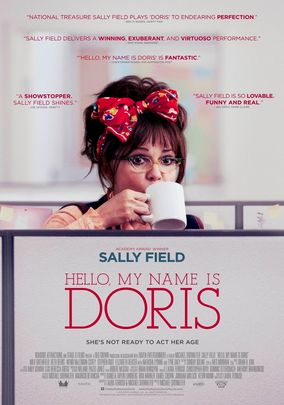
Sally Field shines in Hello, My Name Is Doris (2016), a sweet-natured indie romantic comedy that tells of a lonely Staten Island woman and her mostly fantasy-laden relationship with her colleague, a much younger, hunky man (Max Greenfield).

The film is somewhat predictable but sweet and honest and works well. It hardly reinvents the wheel, but it is a lovely character-oriented story about a woman’s reawakening from a dull life.

This is refreshing in a world of retreads and superhero flicks.

Doris Miller meanders through life at her crappy data entry job at an Advertising Agency in mid-town Manhattan. Having worked in the same role for decades, she is overlooked and more or less invisible to colleagues.

She is the “weird old lady” or the “wallflower” who goes unnoticed. Her personal life is a dud. She lives with her recently deceased mother, who is a hoarder and severely marginalized. She has no dating possibilities.

One day, on the elevator heading to the office, a kind young man named John Fremont innocently pays attention to her, and she becomes enamored with him.

Later, she is stunned to realize that John is the new Art Director at her job.

Her crush escalates as she and John become friends, and a series of misunderstandings ensue, with the added conflict of her friends thinking she is living in a fantasy world, worried she will wind up hurt.

Sally Field carries this film in every way. It is nice to see her in a lead role again, which, sadly, is a rarity these days for a seventy-year-old actress.

She convincingly plays quirky, shy, and awkward and has one melt-down scene that is a powerful testament to her continued acting ability.

The character of Doris slowly blossoms and becomes rich with zest. We discover she is much more than meets the eye, and these moments in the film are wonderful to experience, thanks to Field’s charisma.

My favorite scenes involve the lovely bond between Doris and the thirteen-year-old granddaughter of her best pal, Roz, played by Tyne Daly.

Despite the age difference, the granddaughter views her as a peer, giving daring dating advice to the inept Doris. This leads to a nice portion of the plot and some funny moments.

One unique aspect of Hello, My Name Is Doris is that it is not a film about a May-December romance between a man and a woman—at least, I did not see it that way. Instead, it is about a woman who finally decides to live regardless of age.

I felt her stifled and smothered by her brother and sister-in-law, who clearly did not understand that she hoarded “stuff” in her home to cope with her loneliness, and to be surrounded by things that gave her comfort helped her deal.

Granted, Doris clinging to one broken wooden ski from the Dark Ages was amusing in its cuteness.

Tyne Daly, who can recite the phone book, is worth a considerable note from an acting standpoint. I’d be happy to do that. She is one of those natural, confident, engaging, real actresses, and her scenes with Field glistened with raw talent and emotion.

Perhaps a female buddy movie with Field and Daly?

The remainder of the supporting characters are capable but not spectacular. They are somewhat clichéd and one-note.

For example, Doris’s colleagues view her as invisible with the classic office jokes, especially the female boss thrown into the film- possessing a hard-as-nails personality and coldness.

I have seen these characters time after time in comedy films.

Supporting actors from Orange is the New Black (2013-2019) and Mad Men (2007-2015) are featured as a couple of the colleagues.

Indie, fun, and with a freshness made in large part by Sally Field, Hello, My Name Is Doris (2016) is an innocent comedy with a romantic edge and some nice laughs.

It is far from a masterpiece but a good-natured escape, which is refreshing, especially for the middle-aged or senior crowd craving a non-stereotypical female character.

Independent Spirit Award Nominations: 1 win-Piaget Producers Award (won)

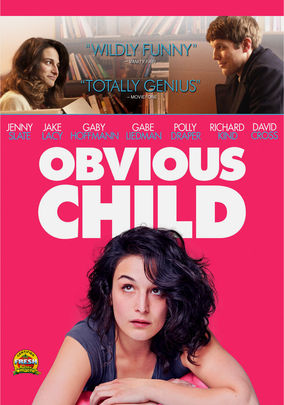
Obvious Child-2014

Obvious Child-2014

Director Gillian Robespierre

Starring Jenny Slate

Scott’s Review #387

70301275

Reviewed March 22, 2016

Grade: C+

Obvious Child is a 2014 independent comedy/drama nominated for a couple of Independent Spirit Awards, with mixed results.

It works on some levels but has an irritating underbelly and some unneeded components that ultimately give it a thumbs down.

The major success is star Jenny Slate, a real-life Brooklyn stand-up comic with immeasurable comic timing, who will hopefully become a rising star.

Slate starred in a 2009 short film of the same name before it became a full-length feature.

Slate stars as a twenty-eight-year-old Brooklynite, who moonlights as a stand-up comic in a dingy bar while working in a desolate bookstore that is soon closing.

Conversely, her parents are successful- her mother is a famed professor. When her steady boyfriend unceremoniously dumps her, she takes up with a handsome young man for a one-night stand filled with fun.

Predictably, she winds up pregnant and forges ahead with a plan to abort their child.

The abortion story is quite interesting since there is never a doubt about what will happen.

Unlike films that make abortion the main focus of conflict, Obvious Child wisely does not- every character supports, and even encourages her to have the procedure, including her mother and best friend.

Having been written and directed by women, this is intentional and a way of empowering women, which is one of the high points. If one is on the fence about the topic of abortion or is a pro-life stance, this film may be very tough to watch as its slant is made crystal clear.

Slate is the other high point of the film.

She exudes confidence and comic range. Jewish and slightly awkward-looking, she is not the leading-lady type, and this arguably makes her wit and sarcastic language even funnier.

She is a natural in comedy, and I hope she goes far.

Two slight props for me worth mentioning are the wonderful mention of the classic film Gone with the Wind (1939) and the setting of Brooklyn. This was a great nod to film history, and the setting gave Obvious Child an authentic New York City feel.

On the other hand, an utter annoyance about Obvious Child is the shameless and constant use of blatant and off-putting bathroom humor- not just once or twice, but numerous times.

How is this necessary to the plot? I can’t say, but I surmise the filmmakers deemed it necessary to show that females can give as good as males can.

Almost saying, “men can make poop jokes, why can’t women”? Why this is necessary for any film is beyond me, and it gives Obvious Child a crass, ugly feel.

The film also feels unrealistic.

Max is portrayed as Prince Charming. He can do no wrong, supports Donna in any decision she makes, is enamored by her sole being, and loves her unconditionally after only a one-night stand.

This would not happen in real life.

The fact that Donna is Jewish and quirky and Max is Christian and straight-laced is not explored. What conflicts would they undoubtedly face? Why were his parents not featured?

Highly uneven, with a great premise and an interesting slant on a still-controversial social issue, Obvious Child (2014) succeeds in the story department but fails in its uncalled-for use of potty humor to elicit cheap laughs.

Independent Spirit Award Nominations: Best Female Lead-Jenny Slate, Best First Feature

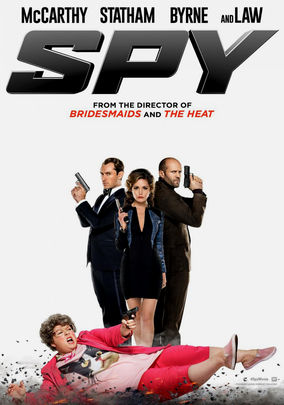
Spy-2015

Spy-2015

Director Paul Feig

Starring Melissa McCarthy, Jason Statham

Scott’s Review #386

80027379

Reviewed March 20, 2016

Grade: C+

Spy is a 2015 comedy spy spoof starring funny lady Melissa McCarthy as a loser desk CIA analyst suddenly thrown into the field and assigned to rescue a missing agent with whom she is also in love.

Carrying the film in every way, McCarthy is funny and adds to an otherwise formulaic, by-numbers, comedy.

As, admittedly, the “action-comedy” genre is not my favorite, I have seen much worse than Spy, and the premise is quite nice, but the second half of the film sinks into the ridiculous and is very loud and overly long.

McCarthy plays Susan Cooper, a frumpy forty-year-old woman with a decent job as a CIA analyst (she tracks the field agents’ cameras and warns them of impending peril), an important job, but is deemed dispensable and a loser by the higher-ups at her job, with more important duties.

She is single, overweight, and lonely, pining after her sophisticated partner Bradley Fine (Jude Law), a field agent and stylish James Bond-type.  After a mishap with Bradley thought dead, Susan goes undercover in France, Rome, and Budapest to solve the case since she will be unnoticed.

Spy is a film with a star that completely carries the film.  Being a big fan of McCarthy’s and enjoying her performance in whatever she appears in (comedy or drama), this film needs her charisma and comic timing.

Spy contains a few laugh-out-loud moments, especially when McCarthy is forced to take on the persona of one loser after another- a divorcee with multiple cats and a wardrobe to cringe over-throw in a 1980s perm and got a great SNL-type moment.

The film itself reminds me of a long SNL skit. When McCarthy delivers her one-liners they connect and amuse.

An apparent homage to spy films and James Bond films, Spy seems closer to an Austin Powers film as it goes for more silliness, but not quite as over the top.

Still, the European locales offered added elements of Bond films pleasantly. McCarthy as an apparent female James Bond is also cute.

A noticeable negative is the unnecessary two-hour running time. With a genre of this nature, a ninety to one-hundred-minute running time is all that is necessary, and any more than that the jokes wane, become redundant, and usually go into the ridiculous.

Another problem with Spy is the supporting characters. A well-known cast including Rose Byrne, Allison Janney, Jason Statham,  and Bobby Cannavale, each of these actors are cast in cartoon-like, one-note roles.

Cannavale and Byrne are the villains (Sergio and Rayna) in the plot and they play their roles in a one-dimensional way,  as evil as possible, but perhaps also over-acting the parts.

This could be the fault of the director or simply what is accepted in the genre that this is. Janney-  as the tough-as-nails CIA director and Statham as the dumb, temperamental, field agent also overplay their roles.

Why are all of these characters loud, unpleasant, insulting, or all of the above? The answer is it might allow better comedy to have caricatures instead of characters, but that is a debate for another time.

On the other hand, Miranda Hart as McCarthy’s sidekick Nancy, a very tall, awkward woman, and Susan’s best friend is great and shares equally in the comic success that McCarthy brings.

Their chemistry is evident and a recommended second pairing would be worth exploring. Unlike the other characters, I felt myself rooting for her and wished her a love interest, though the 50 Cent’s romantic introduction was strange.

The plot is more or less trivial and unimportant in a film like this. Rationally speaking, almost everything that transpires would never happen in real life, but alas, this is the movie, so one must suspend disbelief big time.

Spy is escapist fare to the max.

A hot mess if not for the wit and comic timing that McCarthy brings, Spy (2015) has an interesting premise but doesn’t deliver anything more than the silly formula that has existed for decades in the film comedy world.

I finished the film with mixed emotions.

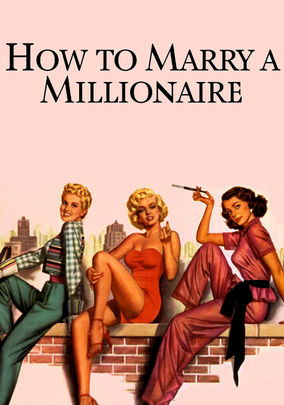
How to Marry a Millionaire-1953

How to Marry a Millionaire-1953

Director Jean Negulesco

Starring Lauren Bacall, Marilyn Monroe, Betty Grable

Scott’s Review #381

60004541

Reviewed February 28, 2016

Grade: B

How to Marry a Millionaire (1953) is a light-hearted, fun, romantic comedy featuring three famous leading ladies: Lauren Bacall, Betty Grable, and the legendary Marilyn Monroe.

The film’s backdrop is warm, sophisticated, and pleasing: 1950s New York City. This setting is appropriate, as all three women featured are models searching for wealthy suitors.

Schatze (Bacall), Loco (Grable), and Pola (Monroe) are blatant gold-diggers. They are set on using their looks and charms to seduce wealthy men into marriage. They rent an enormous and lavish apartment (the owner is out of the country and avoiding the IRS) and slowly sell the furniture to pay the rent.

Each woman encounters potential beaus, rich and poor, and must choose between true love and marriage for money. Or can they achieve both?

I noticed similarities to the 1980s television sitcom The Golden Girls. The ladies on The Golden Girls constantly pursued men—albeit not always rich men. Schatze resembles Dorothy in her directness, leadership skills, and height.

Loco has qualities attributed to Blanche, such as sexiness and a flirty manner. Finally, Pola is dizzy and blonde, a close match for Rose. Unquestionably, How to Marry a Millionaire influenced the iconic television series.

How wonderful the setting is. Interspersed throughout the film are shots of Manhattan, not to mention the visible New York City skyline from the lady’s luxurious apartment where men come and go in attempts to pursue the eligible women.

The city skyline is a set. However, other locales are not.

Numerous cinematic shots include the Empire State Building, Central Park, the Brooklyn Bridge, the lights of Times Square, Rockefeller Center, and the United Nations Building.

As a lover of New York City, it struck me as both fantastic and melancholy to think about how many people have come and gone throughout the iconic city, yet here it remains and always will. A slice of 1950’s Manhattan- another time entirely- was terrific.

The film itself is arguably fluff—lightweight, to be sure. But How to Marry a Millionaire has a 1950s innocence and a sense of fun that has become tainted and is missing in today’s romantic comedy genre. Everything is now so crude and cynical, which is why this film works for me. There is a wholesomeness to it.

Sure, the women are manipulative (specifically  Schatze), but they yearn for true love and are kind women. Their escapades are humorous. Pola- frightened of being seen by a man wearing her glasses- and blind as a bat without them- constantly bumps into walls and navigates rooms by feeling her way around.

More humorous still is when she mistakes a flight to Atlantic City for Kansas City, thereby changing the course of her life.

Loco (Grable), clearly the oldest of the three, and, by this time, Grable was looking flat out matronly, decides to go on a trip to Maine with her married beau, expecting to attend a convention filled with rich and eligible men.

Misunderstanding the situation, she engages in hilarious hijinks with her beau and meets dashing but poor Eban.

Light, fun, with bright colors and sets, How to Marry a Millionaire (1953), when watched now, brings me back to a more pure day when films were innocent and fresh- filled with glamour and sophistication.

A trip down memory lane in the film is a nice thing.

Oscar Nominations: Best Costume Design, Color

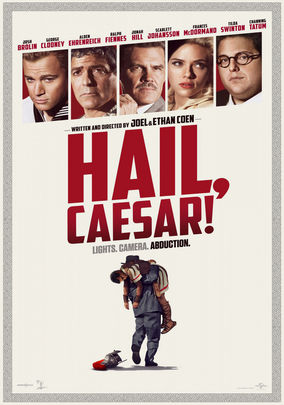
Hail, Caesar!-2016

Hail, Caesar! -2016

Director Ethan Coen, Joel Coen

Starring George Clooney, Channing Tatum

Scott’s Review #377

80074084

Reviewed February 16, 2016

Grade: B+

Hail, Caesar! (2016) is a quirky film created and directed by the Coen Brothers, who are known for offbeat films such as Fargo (1996), No Country for Old Men (2007), and Raising Arizona (1987).

Hail, Caesar is a satirical comedy about the Hollywood film industry during the post-World War II period of the 1950s.

The film features a bevy of current Hollywood talent, including George Clooney, Channing Tatum, Josh Brolin, and Scarlett Johannsen, including singing, dancing, and scandalous matters.

All give fine performances and add humor and wit to the film.

The plot centers on the character of Eddie Mannix (Brolin), a celebrity “fixer” and real-life person who works as an executive for Capitol Pictures and whose primary responsibility is to ensure that famous Hollywood stars remain out of trouble.

The period is 1951, a particularly scandalous time in pictures. One of the biggest stars of the time, Baird Whitlock (Clooney), is suddenly kidnapped and held for ransom while completing a big epic film for the studio.

Mannix must race to keep the crisis out of the news and safely get Whitlock back.

Indeed, there are interesting subplots, including handsome yet talent-less Western actor Hobie Doyle, hired by the studio to appear in a sweeping period piece directed by suave Laurence Laurentz (Ralph Fiennes), and DeeAnna Moran (Johannsen), unmarried and with a “bun in the oven,” determined to keep herself out of the tabloids.

I loved the look of the film, as numerous films occur within it. The 1950s set pieces and designs are exquisite, particularly the period piece set, lavishly designed with classic doors, a staircase, flowers, and a cast dressed to the nines.

It brings back an extravagant time.

The film is a satire, to be sure. Still, it also addresses the serious subject of communism (especially for that period), Russia, and Russian defectors, all involved in a plot to prove a valuable point.

Despite the film being a comedy, this is worth serious consideration. Many Hollywood writers make money for the studios and are rewarded with underwhelming salaries.

The same holds true in Hollywood today.

This point can spill over into other walks of life as well, and the point of the “little man gets screwed” is explored. Communism is also explored throughout the film as the central message- an important message that resonates.

Another interesting tidbit that Hail, Caesar!Mentionss, though only on the surface, is the burgeoning onslaught of television programming.

Suddenly, an increasing number of people were purchasing TVs and avoiding the glamour of films, opting instead for the comfort of their couches.

What a different time it was!

An intriguing, favorite character of mine belongs to Channing Tatum’s portrayal of Burt Gurney, a Gene Kelly-like character famous for singing and dancing numbers. A sizzling sailor dance gives edge and sexuality to the film.

A revealing scandal involving Burt and Laurence is fantastic and delicious.

My favorite scene belongs to Frances McDormand, who shamefully only appears in one scene- quite memorable. As film editor C.C. Calhoun, she diligently shows Mannix film dailies in the hopes of discovering a clue in the disappearance of Whitlock. When her scarf gets caught in the projector, hilarity and grotesqueness ensue.

It is a classic Coen Brothers comedy.

Hail Caesar! (2016) succeeds as a witty, comical throwback to a wonderful time in film history, with a political edge that historians will appreciate and Coen Brothers fans will relish.

Perhaps not their most creative or memorable, but enjoyable all the same.

Oscar Nominations: Best Production Design